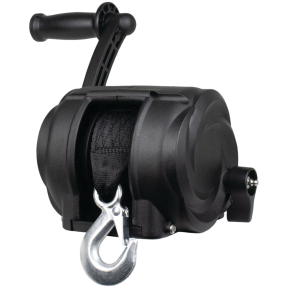
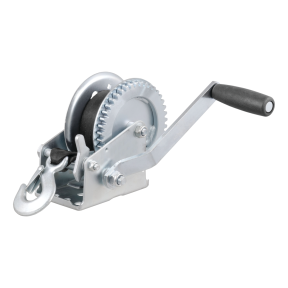
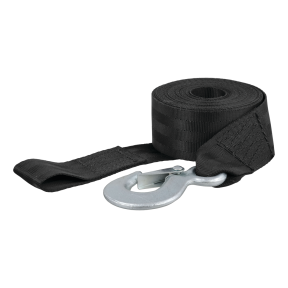
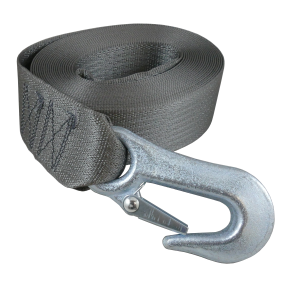
Boat Trailer Winches at Fisheries Supply
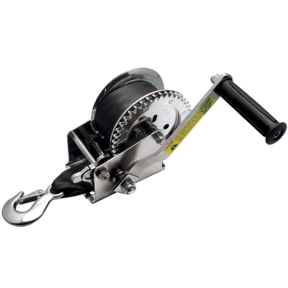
Boat trailer winches pull boats forward during trailer retrieval and position the bow against the bow stop. Boat owners can choose manual or electric trailer winches based on loaded boat weight, ramp incline, trailer configuration, retrieval frequency, and available power.
What Is a Boat Trailer Winch?
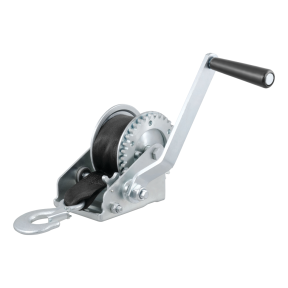
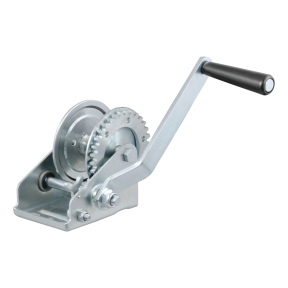
A boat trailer winch is mounted on the trailer tongue or winch stand. It pulls the boat forward by winding a strap or cable around a drum until the bow reaches the bow stop.
| Winch Type | How It Works | Common Application | Key Consideration |
|---|---|---|---|
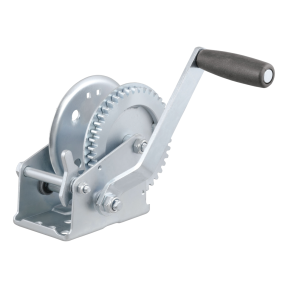
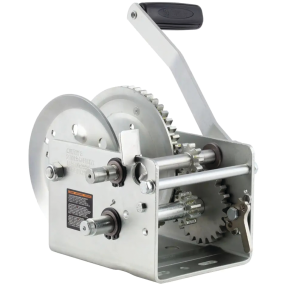
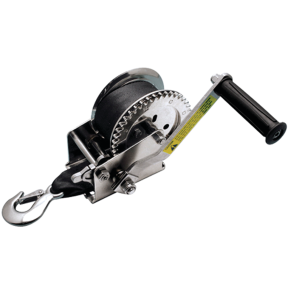
| Manual boat trailer winches | A hand crank or lever winds a strap or cable onto the spool. | Smaller boats, lighter retrieval loads, and short winching distances. | Requires physical effort but does not need a battery or wiring. |
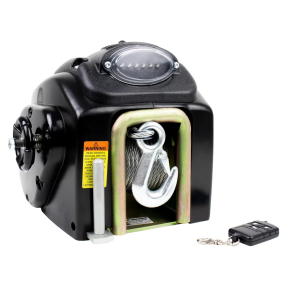
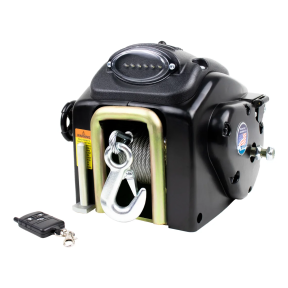
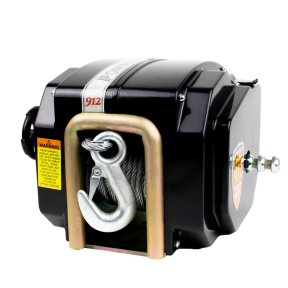
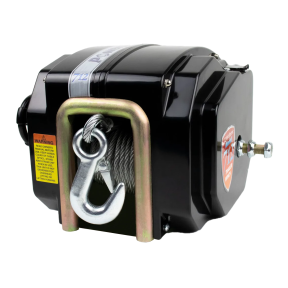
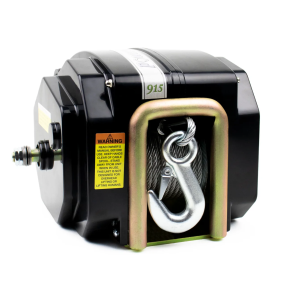
| Electric boat trailer winches | An electric motor powers the drum and retrieval line. | Larger boats, repeated retrievals, and steep or slick ramps. | Requires a reliable power source and protected electrical wiring. |
Manual and Electric Trailer Winch Benefits
| Winch Type | Benefit | Practical Advantage |
|---|---|---|
| Electric Trailer Winch | Lower operator effort | Motorized pulling reduces the physical work needed to retrieve a boat. |
| Consistent retrieval | Powered operation supplies a steady pull on steep or slick launch ramps. | |
| Frequent use | Electric operation can make repeated retrievals less tiring. | |
| Flexible power | Some models can operate while the tow vehicle is disconnected, depending on the battery and wiring setup. | |
| Manual Trailer Winch | Simple operation | Hand-crank models do not require electrical wiring or a battery connection. |
| Serviceability | Fewer powered components can make inspection and maintenance straightforward. | |
| Lower-load use | Manual winches suit modest boat weights and shorter pulling distances. | |
| Cost-conscious selection | A manual design can be a practical choice when powered retrieval is unnecessary. |
How to Choose a Boat Trailer Winch
Start with the boat's total loaded weight, including the hull, motor, fuel, batteries, and onboard gear. A commonly used guideline is to select a winch rated for at least half of that combined weight, then account for the ramp and trailer configuration.
| Selection Factor | What to Evaluate | Why It Matters |
|---|---|---|
| Loaded boat weight | Hull, motor, fuel, batteries, and gear. | Provides the starting point for the winch capacity rating. |
| Boat weight range | Manual winches often suit boats under about 1,000 pounds. Electric winches are commonly favored near or above 4,000 pounds. | Heavier loads generally require more pulling power and less operator effort. |
| Ramp incline | Flat, moderate, steep, or slick launch conditions. | A steeper incline increases the pulling demand. |
| Trailer support | Rollers, bunks, alignment, and bow-stop position. | Trailer resistance can shift the required capacity above or below the general guideline. |
| Retrieval distance | Distance between the winch stand and the boat attachment point. | The strap or cable must provide sufficient working length. |
| Retrieval frequency | Occasional, seasonal, or repeated ramp use. | Frequent use may favor powered operation and accessible service parts. |
Trailer Winch Features and Maintenance Factors
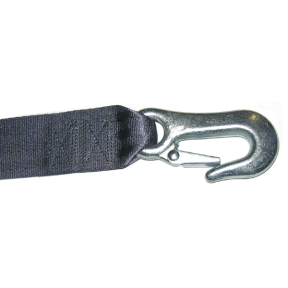
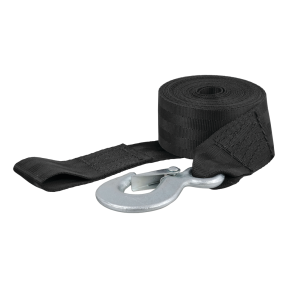
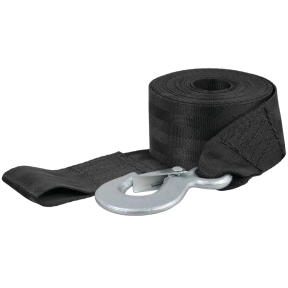
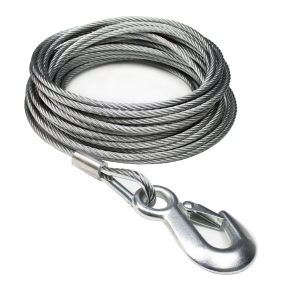
- Strap or cable length: Select a retrieval line long enough for the trailer and typical ramp position.
- Gear ratio: Higher mechanical advantage can reduce hand-cranking effort on heavier manual-winch loads.
- Multi-speed operation: Multiple gearing options can balance retrieval speed and pulling force.
- Freewheel function: A freewheel setting can simplify extending the strap or cable before retrieval.
- Parts access: Accessible gears, fasteners, straps, cables, and service components support routine maintenance.
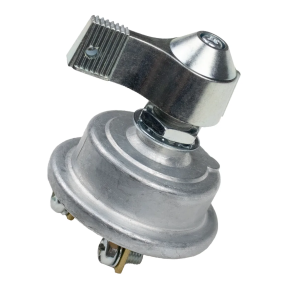
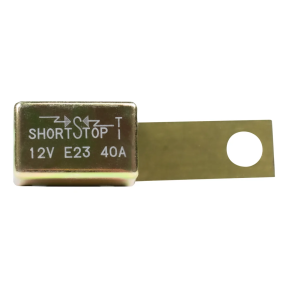
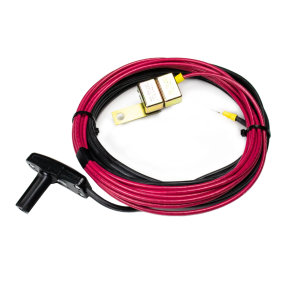
- Electrical protection: Electric-winch wiring and connections need protection in wet, corrosive environments.
Frequently Asked Questions
What does a boat trailer winch do?
A boat trailer winch pulls a boat forward during retrieval and positions the bow against the trailer's bow stop. The winch mounts on the trailer tongue or winch stand and winds a strap or cable around a drum using either a hand crank or an electric motor.
Should I choose a manual or electric boat trailer winch?
Choose a manual winch for lighter boats, shorter pulling distances, and trailers without a dedicated power source. Choose an electric trailer winch when loading a heavier boat, retrieving frequently, reducing physical effort, or working on a steep or slick launch ramp.
How do I calculate the right trailer winch capacity?
Calculate the boat's loaded weight by combining the hull, motor, fuel, batteries, and gear. A commonly used starting guideline is a winch capacity equal to at least half that weight, but ramp incline, trailer bunks or rollers, and retrieval distance can change the required rating.
Are manual trailer winches suitable for heavier boats?
Manual trailer winches can handle heavier loads when their capacity, gear ratio, line, and mounting system match the application. Physical effort rises with boat weight, ramp incline, and trailer resistance, so electric power or a multi-speed manual winch may be more practical for demanding retrievals.
What power source does an electric boat trailer winch require?
An electric boat trailer winch requires a compatible battery and protected wiring arrangement. Some models can operate when the tow vehicle is disconnected, depending on the installed battery system. Confirm the winch manufacturer?s electrical requirements and inspect connections regularly when equipment is exposed to wet conditions.
What trailer features affect winch selection?
Trailer rollers, bunks, incline angle, bow-stop location, mounting position, and retrieval distance all affect winch selection. These factors change resistance and line requirements, so two boats with similar loaded weights may need different winch capacities, gear ratios, strap lengths, or electric-power configurations.