Marine Sanitation Hoses: Selection, Installation, and Odor Control
Marine sanitation hoses connect toilets, holding tanks, and related waste and vent plumbing aboard a boat. Choose a hose designed for its intended application, then match its inside diameter, odor-permeation resistance, and bend radius to your fittings and installation layout.
What Is a Marine Sanitation Hose?
Sanitation hose carries sewage, also called blackwater, within a boat's sanitation installation. Depending on the hose's specified applications, it may also serve greywater transfer or tank vent lines. Wall construction, a smooth bore, and reinforcement help resist odor permeation, collapse, and abrasion; these features vary by product.
Match the Hose to Its Application
| Application | Purpose | What to Check |
|---|---|---|
| Head to holding tank | Transfers sewage from the toilet to the holding tank. | Confirm waste-service suitability, toilet and tank fitting sizes, and pump manufacturer requirements. |
| Tank vent | Carries vent air as part of the tank's ventilation system. | Confirm the required vent diameter and hose suitability; keep the line clear. |
| Greywater transfer | Connects sinks or showers to a sump or tank. | Verify that the hose is specified for the intended greywater service and fittings. |
| Washdown | Serves deck or anchor cleanup where the hose rating permits. | Use only when the manufacturer's hose rating supports this application. |
How to Choose Marine Sanitation Hose
| Selection Factor | What to Check | Why It Matters |
|---|---|---|
| Odor-permeation resistance | Compare purpose-built EPDM, butyl, or upgraded PVC sanitation hose formulations using manufacturer documentation. | Material and construction affect odor resistance; the material name alone does not establish a product's performance. |
| Inside diameter | Match toilet, pump, tank, barb, and any seacock connections. Check vent sizing separately. | A common 1-1/2" (38 mm) waste-line size is a reference point, not a substitute for checking your installation. |
| Bend radius and reinforcement | Check the permitted bend radius and the product's reinforcement, including any wire helix. | The hose must fit confined spaces without kinking or losing its round shape. |
| Interior and routing | Look for a smooth bore and plan sweeping bends within the hose's routing limits. | These checks help avoid restrictions and buildup in waste lines. |
| Chemical compatibility | Follow manufacturer guidance for cleaning and maintenance chemicals. | Unsuitable chemicals can attack the hose compound. |
Trident Marine and Dometic Sanitation Hose Options
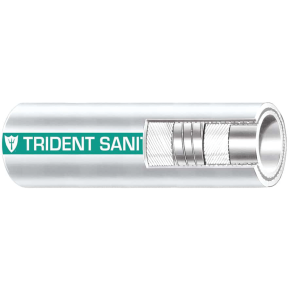
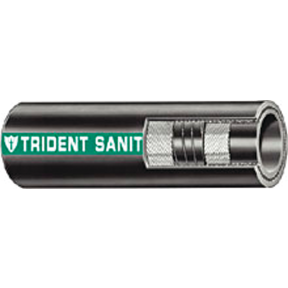
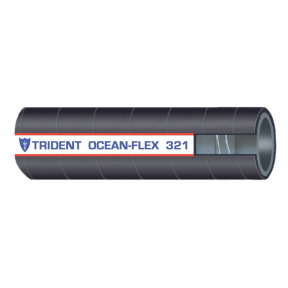
Trident Marine sanitation hoses include Series 101 Sani Shield, an EPDM sanitation hose designed to resist odor permeation. The supplied size range is 1" to 1-1/2" inside diameter; check the selected size and its bend-radius requirements against your installation.
Dometic (SeaLand) sanitation hoses include OdorSafe Plus, designed for resistance to odor permeation. Compare the specific hose's fitting and routing requirements before choosing it for your system.
These are model examples. Their construction and compatibility should not be assumed to apply to every hose from either brand.
Installation and Maintenance for Odor Control
- Route hose with sweeping bends and avoid kinks.
- Flush with fresh water after trips, following the sanitation equipment manufacturer's guidance.
- Keep tank vent lines clear.
- Use cleaning chemicals compatible with the hose compound.
- Inspect clamps, barbs, and connections during haul-outs and address deteriorated connections.
Frequently Asked Questions
How often should marine sanitation hoses be replaced?
Service life varies by compound, routing, and use. Many owners inspect annually and replace when odor permeation, softness, or cracking appears—often in the 5–10 year range under typical use. Independent tests show material choice drives longevity.
What hose size do most heads use?
1-1/2" (38 mm) is common for head-to-tank runs; vents are typically smaller. Always confirm against your toilet/pump/tank barbs.
Does USCG or EPA certify sanitation hose?
No. USCG and EPA regulate MSDs (treatment or holding devices) and discharge rules. Hose selection should support a compliant MSD installation but is not individually certified.
EPDM vs. PVC—what’s better for odor?
Both can work when purpose-built, but premium EPDM/Butyl hoses frequently rank highly for low permeation and durability in tests and field reports.
Which brands have proven odor resistance?
Trident MarineSeries 101 and Dometic (SeaLand)OdorSafe® Plus are widely used and cited for low permeation in tests and technical literature.