
- Reduced power: Restricted airflow can lower combustion efficiency, throttle response, and acceleration.
- Accelerated wear: Dirt, salt, and fine debris can abrade pistons, cylinders, turbochargers, and valves.
- Higher fuel use: A clogged filter can contribute to richer operation, depending on engine design and restriction severity.
- Increased exhaust output: Poor combustion can produce more smoke and soot.
Marine Engine Air Filters at Fisheries Supply
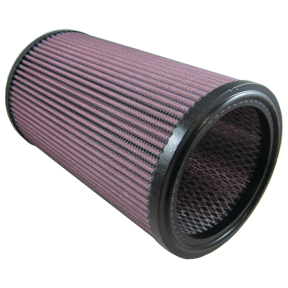
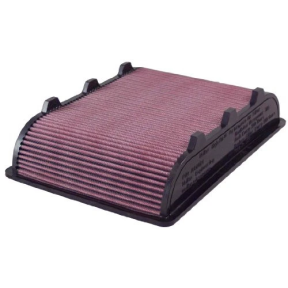
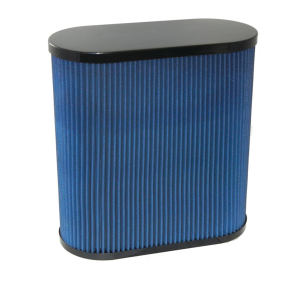
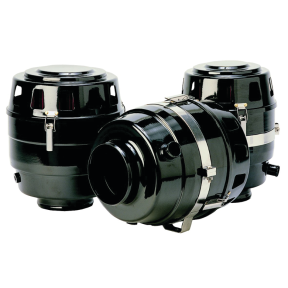
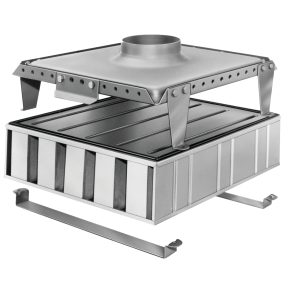
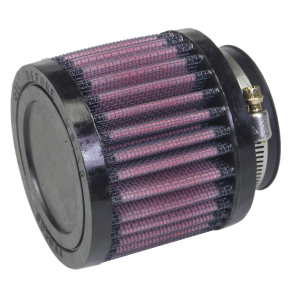
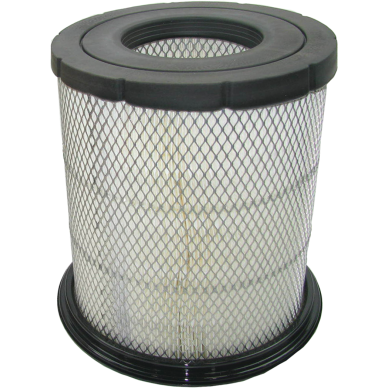
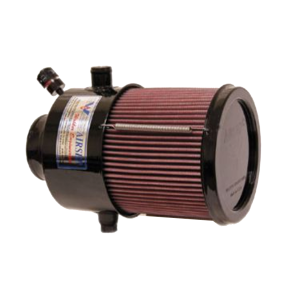
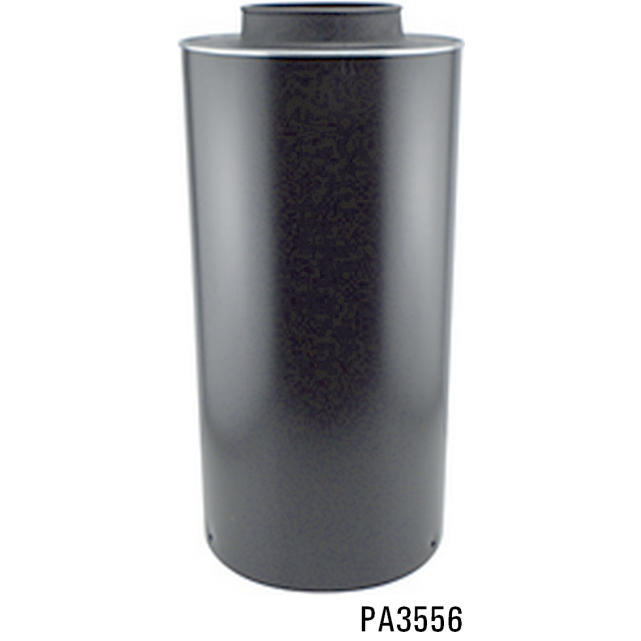
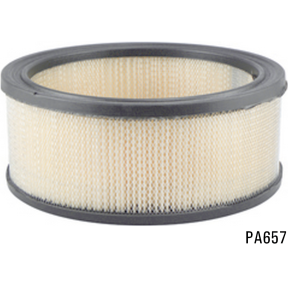
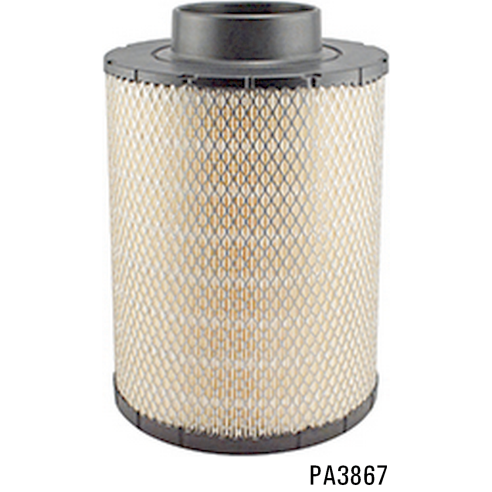
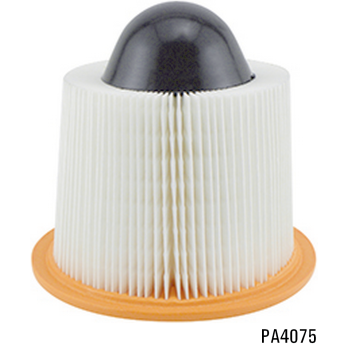
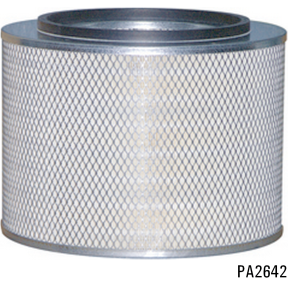
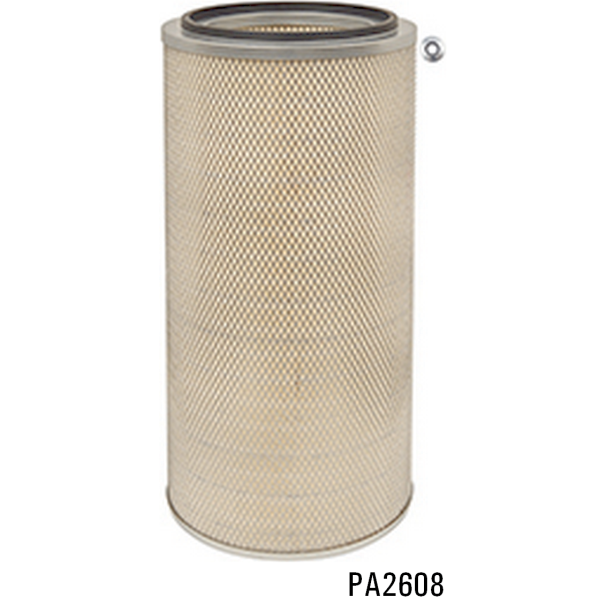
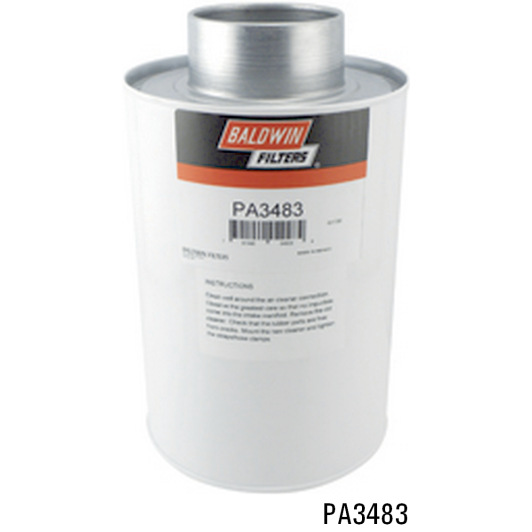
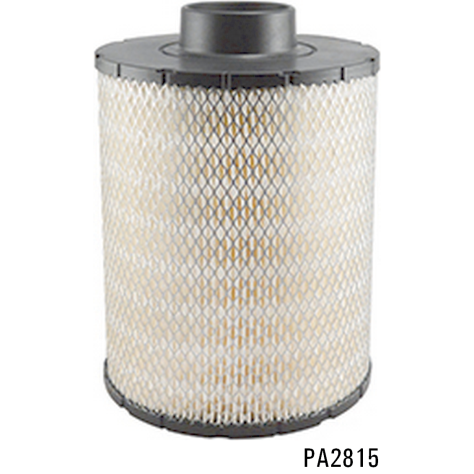
Marine engine air filters protect diesel engines, inboard engines, and outboard motors from salt, dirt, and airborne debris while supporting stable airflow. This guide helps boat owners, marine technicians, and industry professionals compare filter compatibility, filtration performance, and maintenance needs for real-world marine conditions.
Marine Air Filter Quick Facts
Why Marine Engine Air Filtration Matters
Marine engines operate around salt spray, high humidity, and airborne grit from docks, beaches, and engine rooms. A marine air filter limits contaminant entry into the intake system, helping protect cylinders, pistons, valves, and turbochargers while supporting combustion efficiency.
How to Choose a Marine Engine Air Filter
Filter selection depends on engine compatibility, operating environment, filtration performance, and acceptable airflow restriction. Check the engine manufacturer's requirements before purchasing or installing replacement filter media.
| Factor | What to Compare | Why It Matters |
|---|---|---|
| Engine type | Diesel, inboard, or outboard configuration; engine model; airflow demand; mounting standard | The filter must fit the intake system and supply the airflow required by the engine. |
| Operating environment | Saltwater or freshwater use; airborne dust; engine-room soot; humidity | Saltwater service may require more corrosion-resistant housings and sealing. |
| Filtration performance | Particle-size capture across fine-to-medium debris, including salt crystals, sand, and organic material | Effective media limits contaminant entry without creating excessive restriction. |
| MERV information | Published rating and test method, when the marine filter manufacturer provides them | MERV describes particle-capture efficiency across approximately 0.3-10 microns, but engine compatibility and airflow requirements remain controlling factors. |
Marine Air Filter Maintenance
Routine inspection and timely replacement keep intake airflow stable and reduce the chance that loaded or damaged filter media will affect engine performance.
| Operating Condition | Replacement Guideline | Maintenance Tips |
|---|---|---|
| Normal conditions | Every 200-400 engine hours | Confirm the interval against the engine and filter manufacturer's service instructions. |
| Dusty, high-salt, or heavy commercial use | Every 100-200 engine hours | Inspect more frequently because contaminant loading and moisture exposure can increase. |
| Before seasonal storage | Install fresh filters before a long idle period | Fresh media reduces the risk of moisture-soaked material and restricted airflow at startup. |
| Inspection Area | What to Check |
|---|---|
| Visual Condition | Check for surface loading, tears, collapsed pleats, salt deposits, and moisture. |
| Airflow Restriction | Monitor pressure drop when the engine provides a restriction gauge or service port. |
| Engine Behavior | Investigate rising fuel use, sluggish throttle response, hard starting, or darker exhaust under load. |
| Service Requirements | Follow the engine and filter manufacturer's replacement procedure and approved part specifications. |
Marine Engine Filtration Products
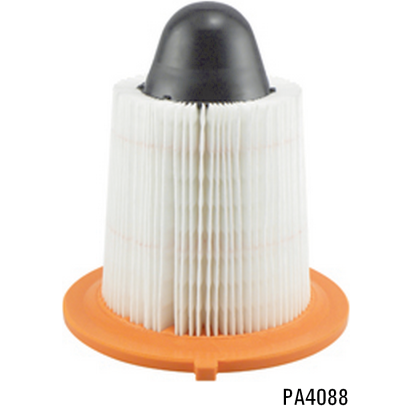
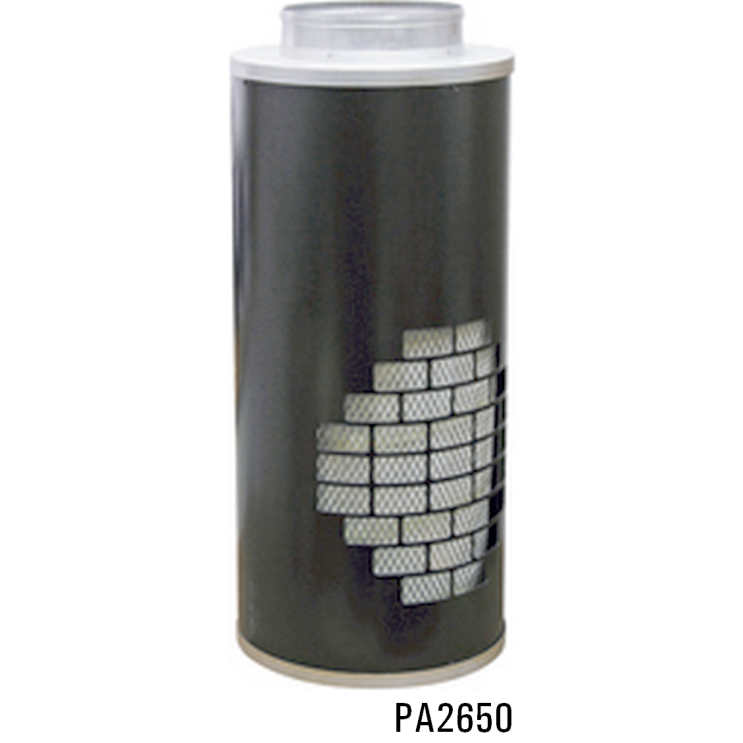
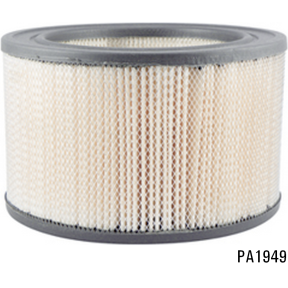
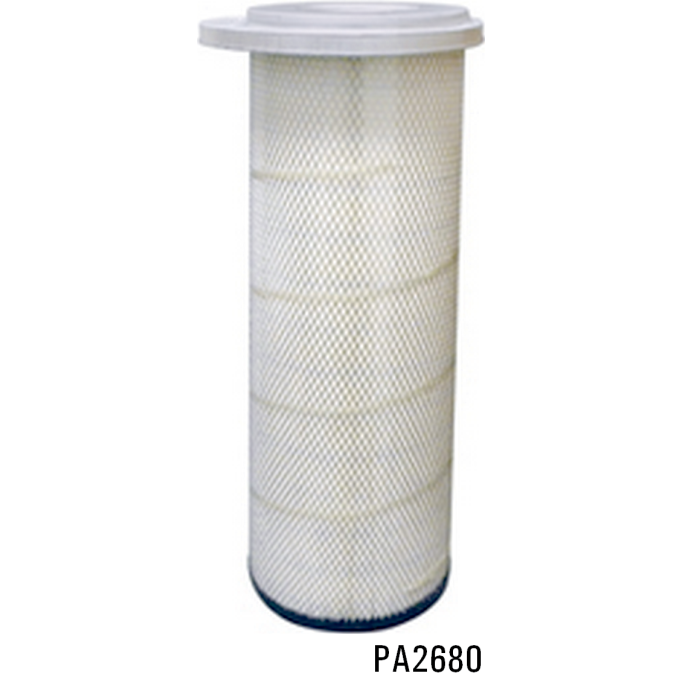
Fisheries Supply carries marine-grade filtration systems for diesel, inboard, and outboard applications. Selection support can account for engine model requirements, saltwater or freshwater use, performance goals, maintenance schedules, and applicable commercial boating standards.
Frequently Asked Questions
How often should a marine engine air filter be replaced?
Replace a marine engine air filter every 200-400 engine hours in normal conditions and every 100-200 hours in dusty, high-salt, or heavy-use environments. Treat these ranges as general guidance; the engine manufacturer's service schedule, filter condition, airflow restriction, and operating environment should determine the actual replacement timing.
What MERV rating should I choose for a marine engine air filter?
Choose a rating only after confirming that the filter meets the engine manufacturer's airflow and fit requirements. MERV compares particle capture across approximately 0.3-10 microns, but a higher rating can add restriction. For marine engines, compatible dimensions, approved media, sealing, and pressure drop matter alongside any published MERV value.
Can a dirty marine air filter damage a diesel engine?
Yes, a dirty or damaged marine air filter can contribute to engine wear and performance loss. Restricted airflow may reduce power and throttle response, while torn or poorly sealed media can admit dirt, salt, and debris that abrade pistons, cylinders, valves, and turbocharger components over time.
How are marine engine air filters different from automotive filters?
Marine engine air filters are selected for humid, salty operating environments and marine intake configurations. Compared with automotive applications, marine systems may require corrosion-resistant housings, moisture-tolerant media, secure sealing, and compatibility with sustained engine loads. Always use the filter type and specifications approved for the specific marine engine model.
What are the signs that a boat engine air filter needs replacement?
Common signs include visible dirt loading, salt crusting, torn media, collapsed pleats, sluggish throttle response, reduced power, rising fuel use, hard starting, or darker exhaust under load. A restriction gauge or pressure-drop test can provide stronger evidence when the engine includes a compatible gauge or service port.
How do I match an air filter to a diesel, inboard, or outboard engine?
Match the air filter to the engine model, intake dimensions, airflow demand, mounting standard, and manufacturer requirements. Then account for saltwater or freshwater operation, dust, humidity, and service access. A correct fit and approved airflow capacity are more important than selecting filter media by particle rating alone.