Marine Fuel Transfer Pumps for Gasoline and Diesel
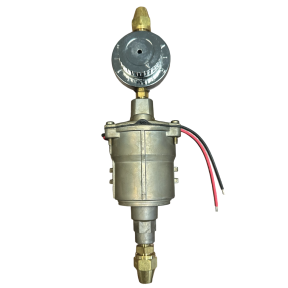
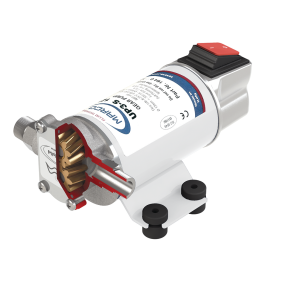
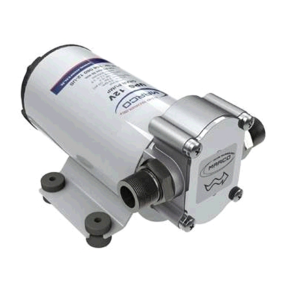
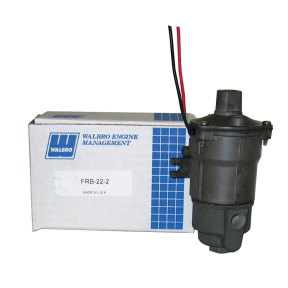
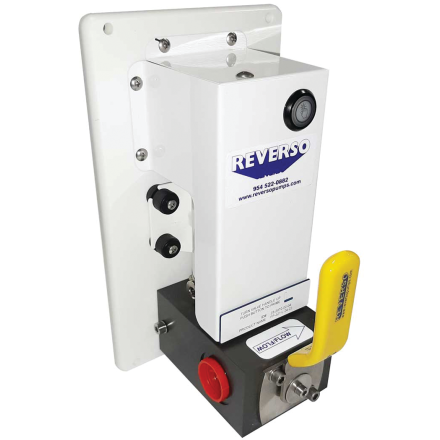
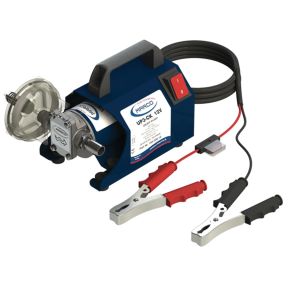
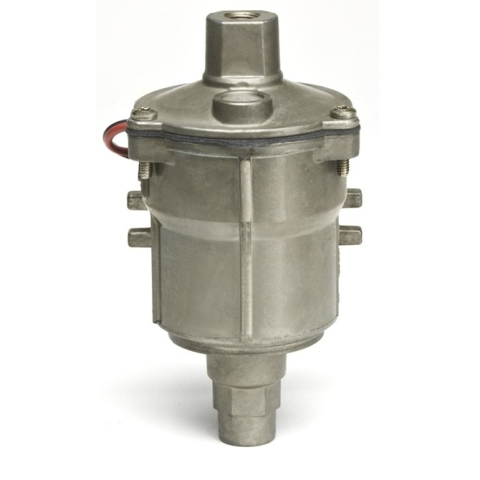
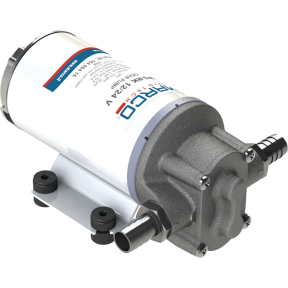
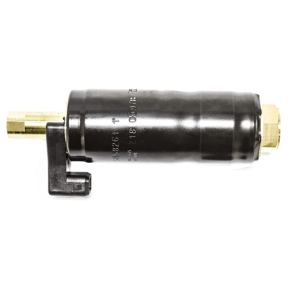
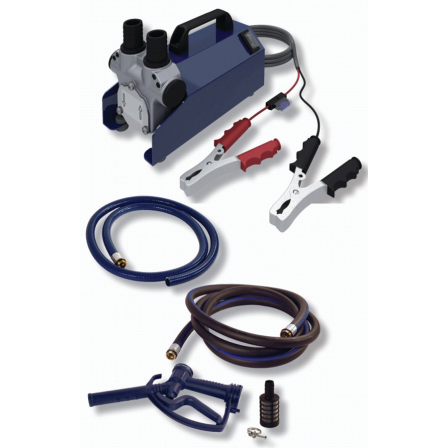
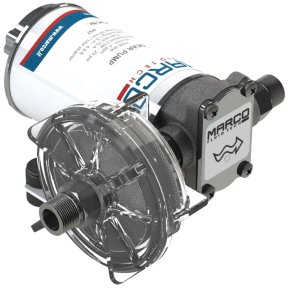
Marine fuel transfer pumps move gasoline or diesel between approved containers, storage tanks, and boat fuel systems. Fisheries Supply carries electric and hand-operated pumps for boat owners, marine technicians, boatyards, dockside facilities, and mobile service applications.
Select a pump by confirming fuel compatibility, power source, duty cycle, flow rate, hose rating, tank vent capacity, and required safety controls.
Fuel Transfer Pump Types and Applications
Marine fuel transfer equipment ranges from compact portable pumps to dockside systems designed for routine refueling. The correct configuration depends on the fuel, transfer duration, available electrical power, installation location, and required portability.
| Pump Type | Applications | Features and Benefits |
|---|---|---|
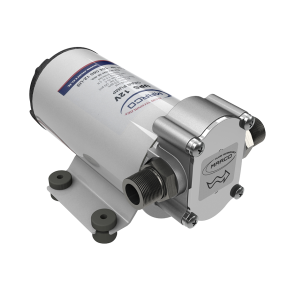
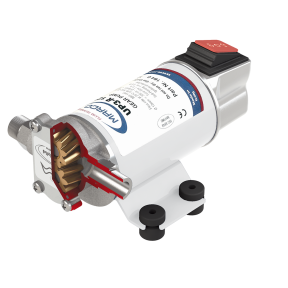
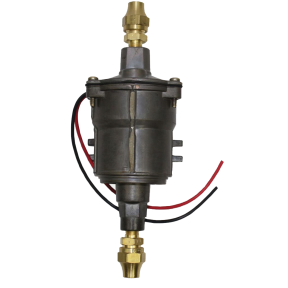
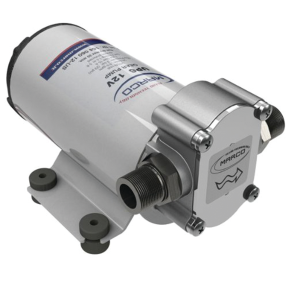
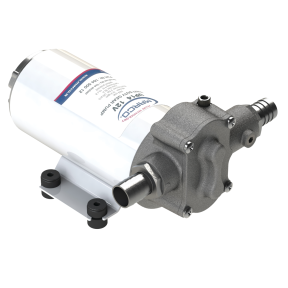
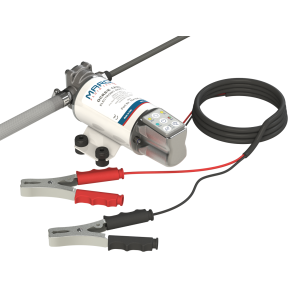
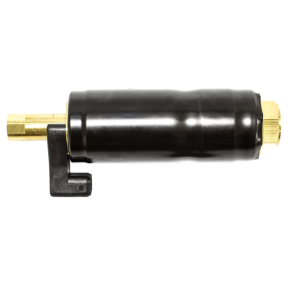
| Electric Fuel Transfer Pumps | Routine gasoline or diesel transfers, mobile use, shop applications, and dockside refueling |
|
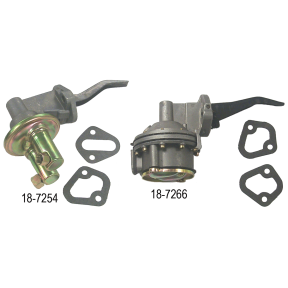
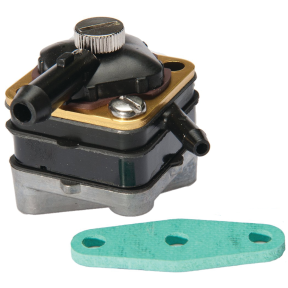
| Hand-Operated Transfer Pumps | Occasional fuel transfers, emergency backup, tenders, yard carts, service trucks, and locations without a suitable electrical supply |
|
How to Choose a Marine Fuel Transfer Pump
- Fuel compatibility: Confirm that the pump, impeller, seals, fittings, hose, and nozzle are approved for gasoline, diesel, or both. Incompatible materials can deteriorate, leak, or prevent the pump from operating as designed.
- Seal materials: Review the manufacturer's compatibility chart for nitrile, FKM, or equivalent elastomers. Seal material affects resistance to the fuel being transferred.
- Power source: Compare portable 12V DC systems with 115-120V AC shop or dockside pumps. The available power supply determines where and how the pump can be operated.
- Duty cycle: Match continuous or intermittent operation ratings to the expected transfer duration. Operating outside the rated duty cycle can increase pump temperature and wear.
- Flow rate: Match pump output in gallons per minute to the tank size and vent capacity. Excessive flow can contribute to foaming, static buildup, spills, or overfilling.
- Hose rating: Use fuel-compatible hose, including USCG-type fuel hose where applicable. The hose must be suitable for the fuel and intended marine application.
- Transfer controls: Compare thermal overload protection, automatic shut-off, and compatible nozzle types. Appropriate controls help manage overheating and spill risk.
- Portability: Consider compact kits for tenders, service trucks, yard carts, and occasional use. Portable equipment supports transfers in locations without a fixed pumping system.
Fuel Compatibility and Flow-Rate Sizing
| Selection Factor | Selection Guidance |
|---|---|
| Gasoline and Diesel Compatibility | A pump labeled for one fuel should not be assumed compatible with another. Check the manufacturer's chart for the pump body, impeller, nitrile or FKM seals, hoses, fittings, and nozzle before transferring gasoline or diesel. |
| Tank Size, Venting, and Pump Output | Select a safe flow rate based on the receiving tank volume and vent capacity. An oversized pump can deliver fuel faster than the tank can accept or vent it, increasing the potential for foaming, static buildup, overfilling, and spills. |
Fuel Transfer Safety and Maintenance
- Inspect hoses, fittings, seals, and connections for leaks or deterioration.
- Check electric pump wiring for tight, corrosion-free connections.
- Clean or replace strainers and filters to maintain the designed flow rate.
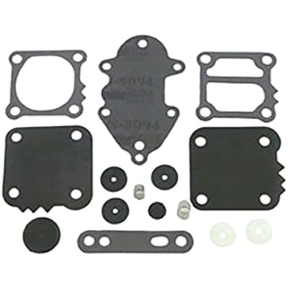
- Service impellers according to the pump manufacturer's instructions.
- Observe the stated duty-cycle, dry-run, and temperature limits.
This category guide provides general selection information and does not represent a certification claim.
Shop Marine Fuel Transfer Equipment
Compare marine fuel transfer pumps by fuel compatibility, power source, flow rate, duty cycle, portability, and safety controls. Related fuel senders and sensors support fuel-level monitoring and marine fuel-system maintenance.
Frequently Asked Questions
What types of fuel transfer pumps are used for boats?
Boats commonly use electric fuel transfer pumps and hand-operated transfer pumps. Electric models provide consistent flow for routine refueling, while manual pumps support occasional transfers, portable service, or emergency backup. Available electric configurations include mobile 12V DC systems and compatible 115-120V AC pumps for shop or dockside use.
How do I choose the right fuel transfer pump for my boat?
Start by confirming gasoline or diesel compatibility for the pump, seals, impeller, hose, fittings, and nozzle. Next, match the power source, duty cycle, gallons-per-minute rating, and portability to the transfer task. Review tank vent capacity and available thermal protection or automatic shut-off controls before selecting a system.
Can the same fuel transfer pump move gasoline and diesel?
Only use the same pump for gasoline and diesel when the manufacturer explicitly approves both fuels. Compatibility depends on the pump body, impeller, elastomers, hoses, fittings, and nozzle. Review the manufacturer's fuel-compatibility chart rather than assuming that equipment rated for gasoline is automatically suitable for diesel, or vice versa.
What flow rate should I choose for a marine fuel transfer pump?
Choose a flow rate that matches the receiving tank size and vent capacity. A pump with excessive gallons-per-minute output can transfer fuel faster than the tank can accept or vent it. This can contribute to foaming, static buildup, overfilling, and spills during gasoline or diesel transfer.
Is a manual fuel transfer pump useful as a backup?
Yes, a hand-operated fuel transfer pump is a practical backup when electrical power is unavailable or an electric pump cannot be used. Manual pumps are also useful for occasional transfers, tenders, yard carts, service vehicles, and confined locations where compact, portable equipment is easier to position and operate.
What maintenance keeps a marine fuel transfer pump reliable?
Inspect the pump, hoses, fittings, and seals for leaks or deterioration. Check electric wiring for tight, corrosion-free connections, and clean or replace strainers, filters, and impellers according to manufacturer instructions. Follow the rated duty cycle, dry-run limits, and temperature limits to reduce premature wear.