

Marine Warning Alarms, Buzzers, and Bilge Alarm Systems
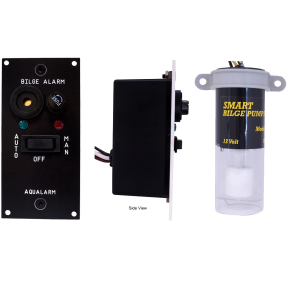
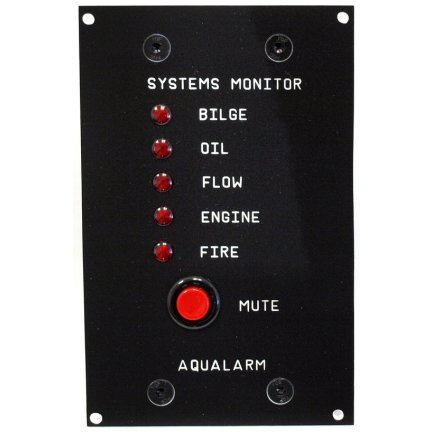
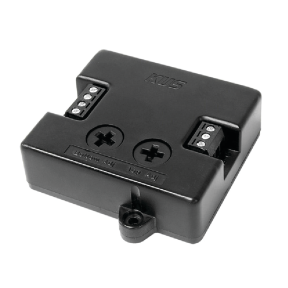
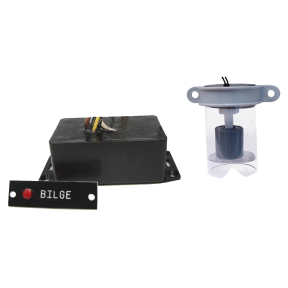
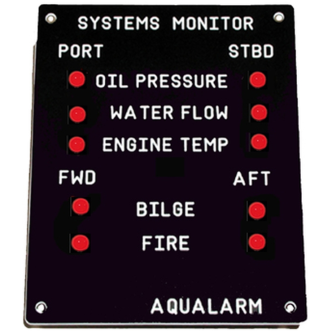
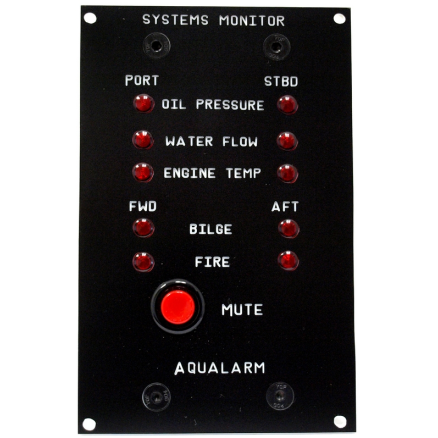
Marine warning alarms and buzzers alert operators to monitored conditions such as high bilge water, high engine temperature, low oil pressure, and high exhaust temperature. Bilge alarm systems detect rising water and provide an audible or visual warning, depending on the system. Choose an alarm for the condition you need to monitor, then check sensor compatibility, power requirements, and installation location.
What to Know
- Detect rising bilge water before it becomes critical.
- Alert operators through audible and visual signals.
- Support preventive maintenance and onboard safety.
- Adapt to different boat sizes and operating conditions.
Bilge Alarm Components and Warning Features
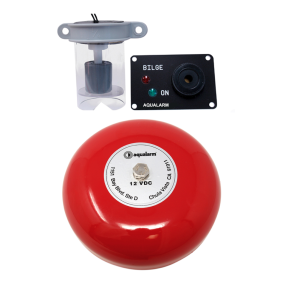
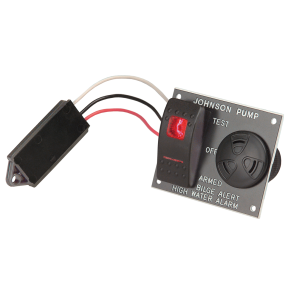
A bilge alarm combines water-level detection with a warning output. Check the individual system to confirm which sensors, buzzers, and indicators it includes.
| Component | Function | Selection Consideration |
|---|---|---|
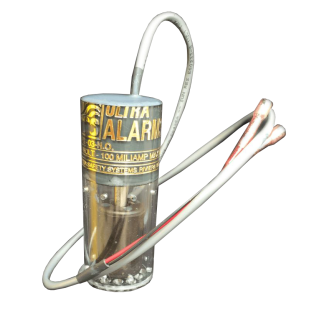
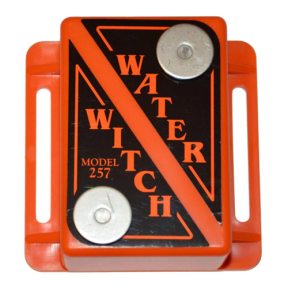
| Water-Level Detector | Detects rising bilge water and triggers the alarm at the monitored level. | Compare detector types, including float switches and non-contact detectors, and review placement requirements. |
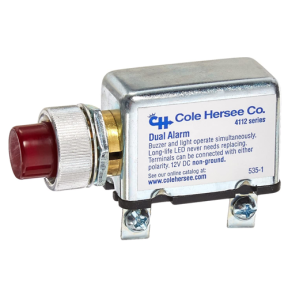
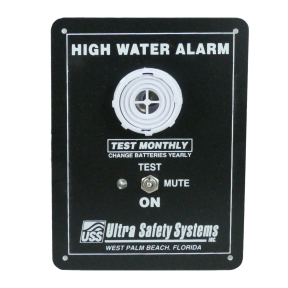
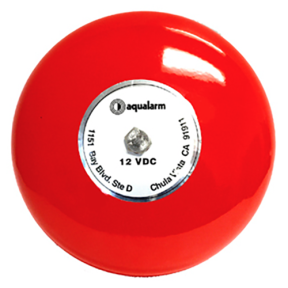
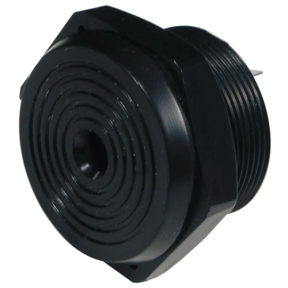
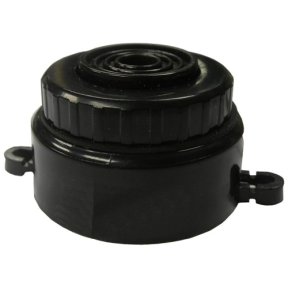
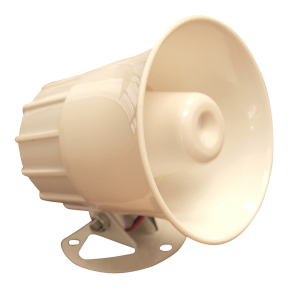
| Audible Alarm or Buzzer | Provides a sound warning when the connected sensor detects an alarm condition. | Consider where the warning needs to be heard during normal boat operation. |
| Visual Indicator | Provides a visible indication of a monitored high-water condition. | Confirm whether the system includes an indicator and where it will be viewed. |
How to Choose a Marine Warning Alarm
| Selection Factor | What to Check | Why It Matters |
|---|---|---|
| Monitored Condition | Identify whether you need to monitor bilge water, engine temperature, oil pressure, exhaust temperature, or another supported condition. | The alarm must connect to a sensor intended for that condition. |
| Boat and Installation Location | Review boat size, construction, operating conditions, and available sensor and alarm locations. | These factors affect sensor placement and how operators receive the warning. |
| Bilge Detection Level | Check how the sensor detects abnormal water accumulation and where it should be mounted. | Appropriate placement helps distinguish high water from normal bilge conditions and reduce nuisance alerts. |
| Power Requirements | Confirm the selected alarm's power requirements and whether it uses a battery-powered or hardwired configuration. | The power arrangement must suit the intended installation. |
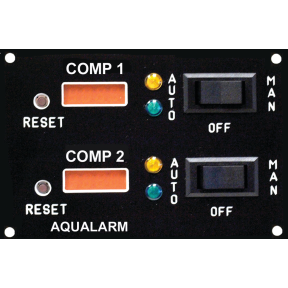
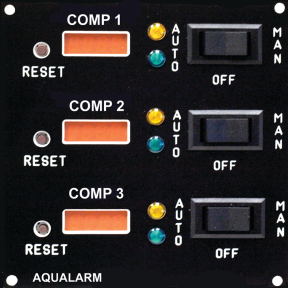
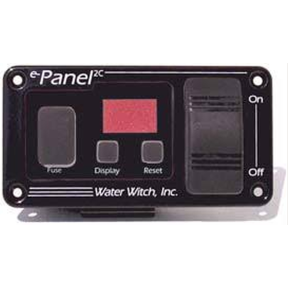
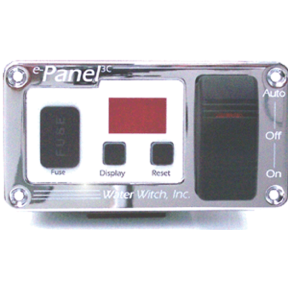
| Existing Sensors and Panels | Check compatibility with existing or new sensors and any warning panel you intend to use. | Adding an alarm depends on the components and connections supported by the system. |
Frequently Asked Questions
What critical issues do marine warning alarms and buzzers monitor?
These devices are designed to monitor and alert you to the most crucial problems that can damage your engine or boat. This includes high engine temperature, low oil pressure, exhaust temperature, and high water accumulation in the bilge.
What is the difference between continuous and intermittent alarm sounds on a boat engine?
Continuous beeps typically indicate a serious, immediate issue requiring attention, such as an engine overheat or a critical loss of oil pressure. Intermittent beeps can signal less critical warnings, like a low oil reservoir level or water accumulation in the fuel system.
Can a single audible buzzer be used to alert me to multiple different engine problems?
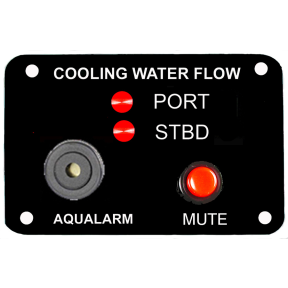
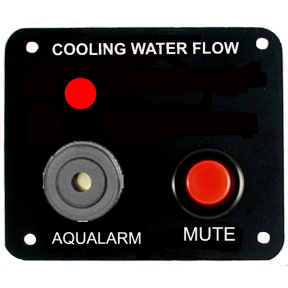
Yes. A single buzzer or siren is commonly wired to multiple sensors (oil pressure, engine temperature, cooling water flow, etc.). The buzzer will sound if any of the connected sensors detect a fault condition, offering a centralized warning system.
Can I add a warning alarm or buzzer to my existing engine system?
Yes, most marine engines can be retrofitted with aftermarket warning alarms, buzzers, and dedicated alarm panels. These systems are often simple to install and connect to existing or new sensors to provide vital alerts for functions that may not be standard on older engine panels.
How do high water bilge alarm systems detect water levels?
High water bilge alarms use specialized, non-contact water level detectors or reliable float switches. These sensors are strategically mounted in the bilge to accurately detect rising water levels and immediately trigger a loud audible alarm and a visual indicator light.