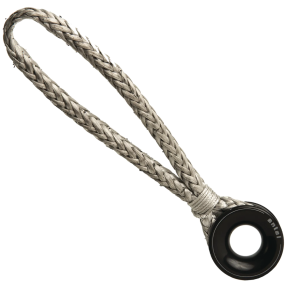
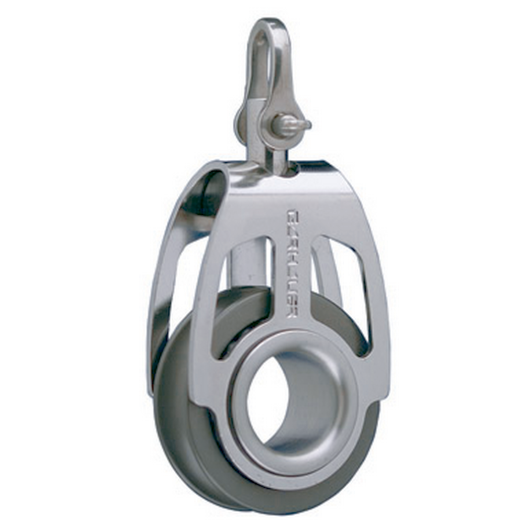
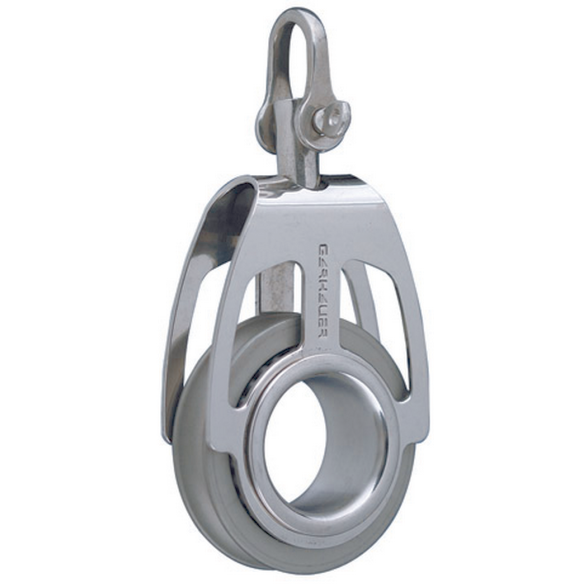
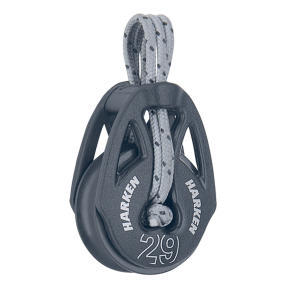
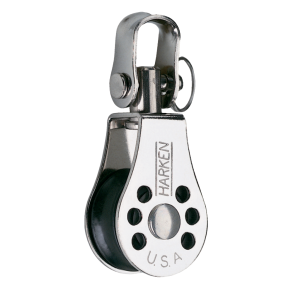
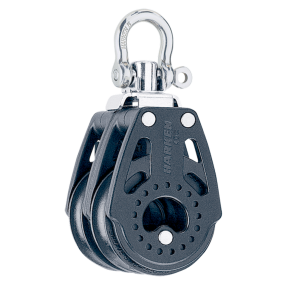
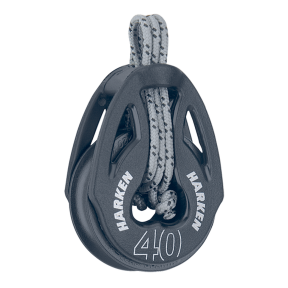
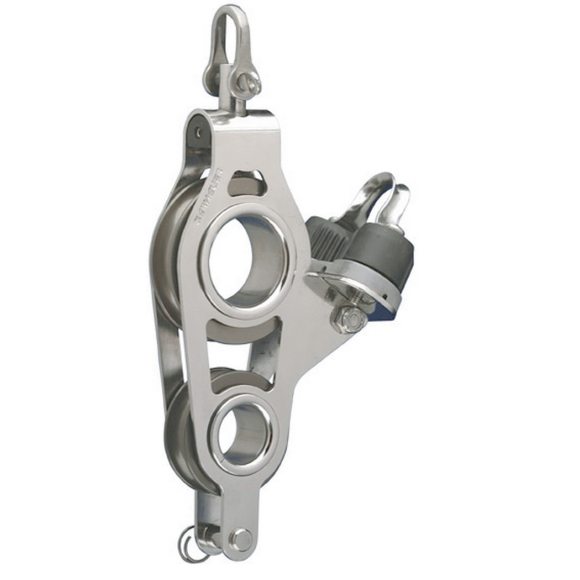
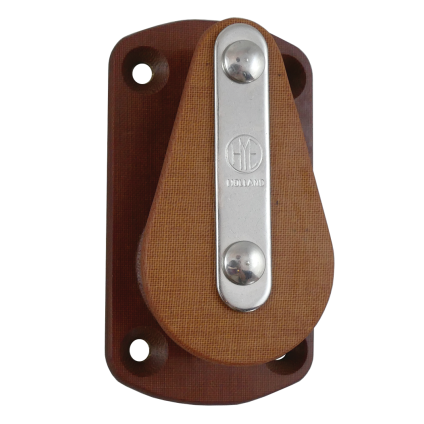
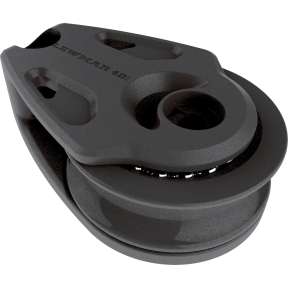
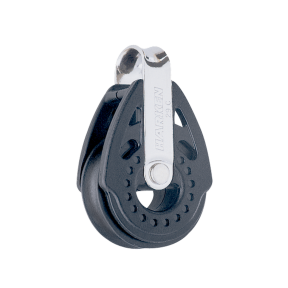
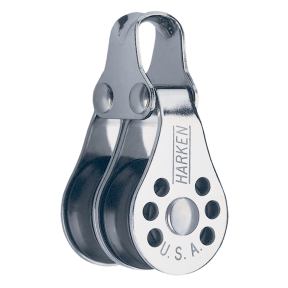
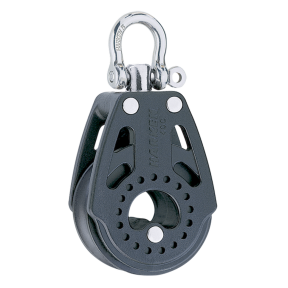
High-Performance Sailboat Blocks and Rigging Hardware
Sailboat blocks are marine rigging components used to route lines and manage the loads created while hoisting, trimming, and reefing sails. This selection is for sailors choosing blocks for mainsheets, spinnaker controls, boom vangs, deck organizers, and other running-rigging systems.
Types of Sailing Blocks
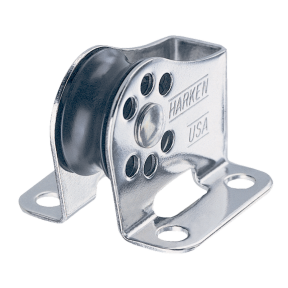
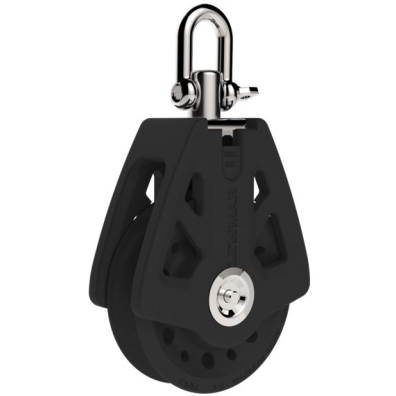
Bearing design, sheave configuration, load type, and line-routing needs determine which sailing block is appropriate.
| Block Type | Main Feature | Recommended Use |
|---|---|---|
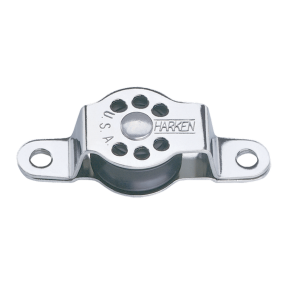
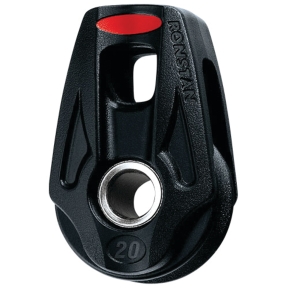
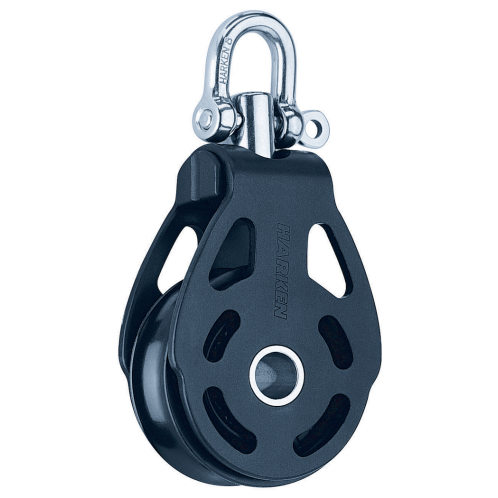
| Non-Ball Bearing Blocks | Handle high static loads with limited maintenance. | Lines that move infrequently and cost-conscious rigging applications. |
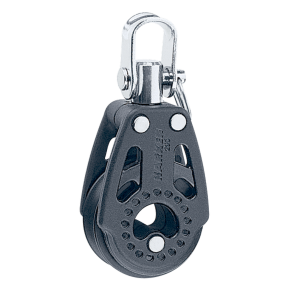
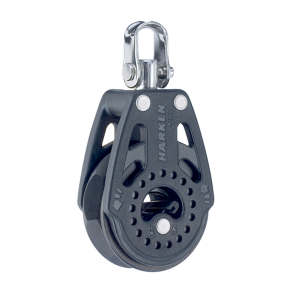
| Ball Bearing Blocks | Reduce friction during fast, repeated adjustments. | Active sail trimming and other frequently adjusted running rigging. |
| Roller Bearing Blocks | Support high loads while reducing friction across the bearing surface. | High-load applications that require efficient line movement. |
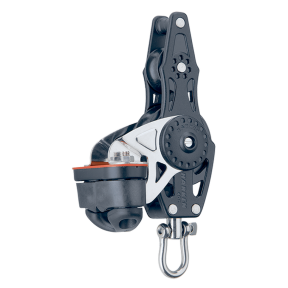
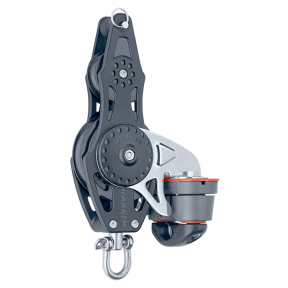
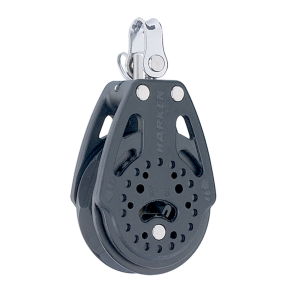
| Ratchet Blocks | Add holding power and line control. | Mainsheets and spinnaker sheets on smaller sailboats. |
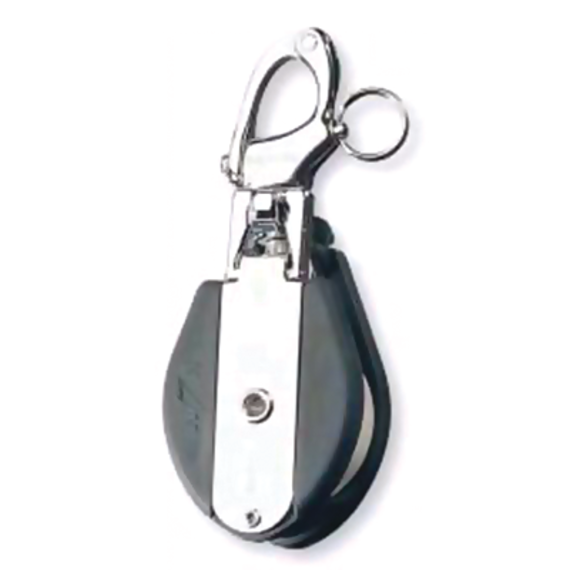
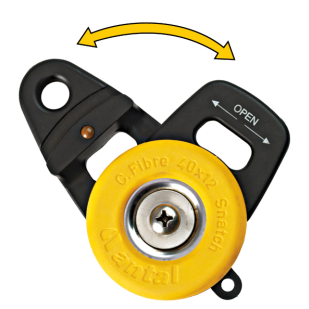
| Snatch Blocks | Open so a line can be inserted without feeding it through from one end. | Quick or temporary line-routing changes. |
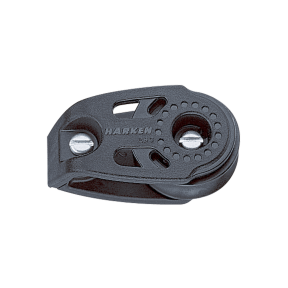
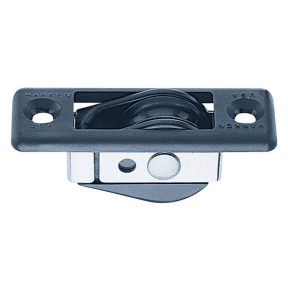
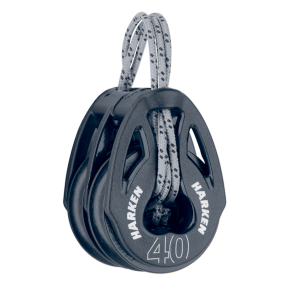
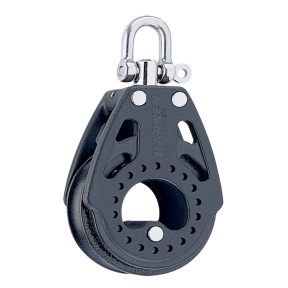
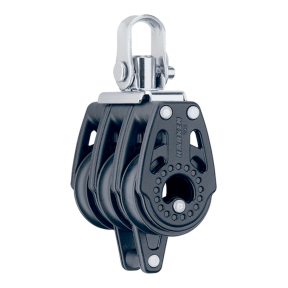
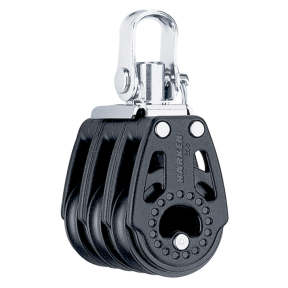
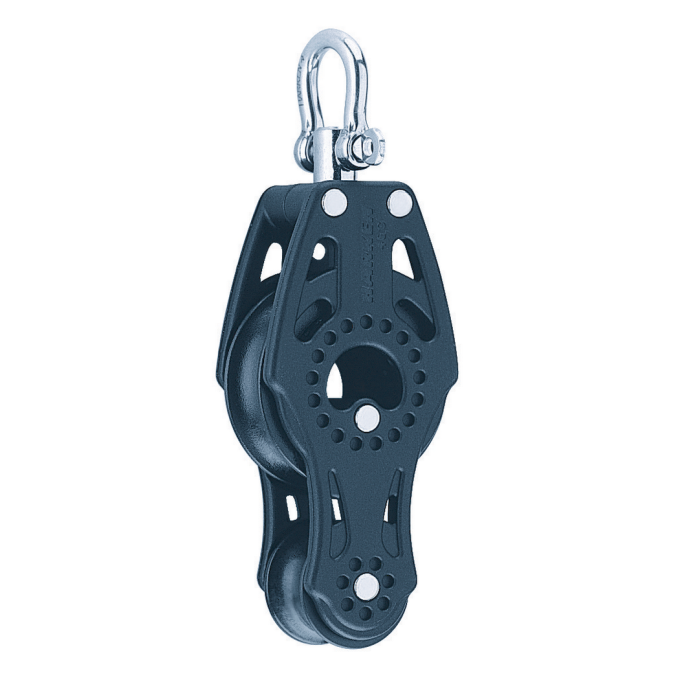
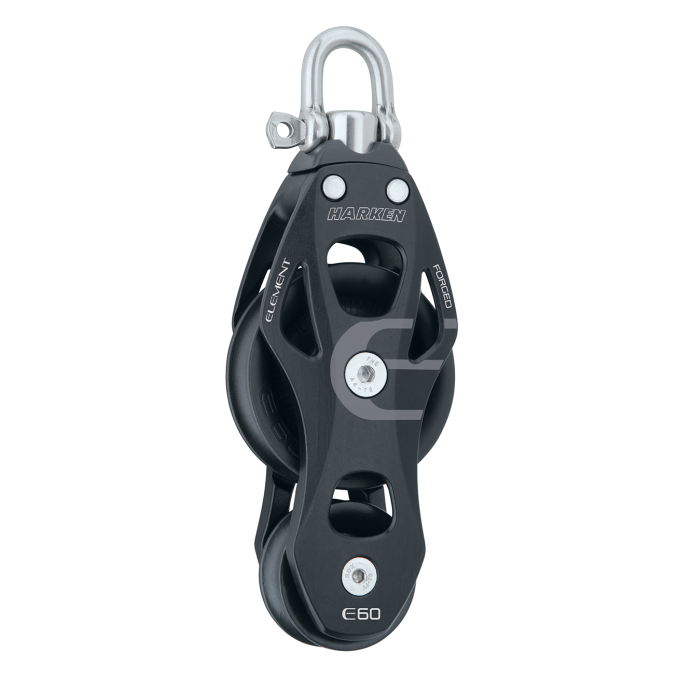
| Fiddle Blocks | Combine multiple sheaves in a compact configuration. | Mainsheet and boom vang systems where installation space is limited. |
How to Choose Sailboat Blocks
- Identify the load: Determine whether the block will carry a mostly static load or support frequent dynamic adjustments.
- Check rope compatibility: Confirm that the manufacturer's specified rope range includes the line diameter.
- Review working-load needs: Account for boat size, rigging configuration, and the weakest component in the system.
- Match the block to the application: Consider mainsheets, spinnaker sheets, halyards, reefing lines, boom vangs, or temporary line-routing tasks.
- Inspect attachment points: Check shackles, swivels, straps, line connections, and surrounding deck hardware for wear or damage.
Sailboat Block Care and Maintenance
Inspect sheaves, bearings, side plates, shackles, and attachment points for corrosion, cracks, deformation, or restricted movement. Rinse blocks with fresh water after saltwater use, then apply only a manufacturer-approved marine lubricant when the product instructions call for lubrication.
Frequently Asked Questions
What type of sailboat block should I use for a static load?
A non-ball bearing block is commonly suited to high static loads where the line moves infrequently. Before buying, compare the block's working-load rating, attachment method, and compatible rope diameter with the sailboat rigging system. Follow the block manufacturer's published limits for the specific installation.
Are ball bearing blocks better for sail trimming?
Ball bearing blocks are well suited to sail-trimming systems that require smooth, frequent line movement. The bearings reduce friction during dynamic adjustments on mainsheets, control lines, and similar running rigging. Selection still depends on working load, rope diameter, sheave design, attachment style, and manufacturer guidance.
How do I match a sailing block to rope diameter?
Choose a sailing block whose published rope range includes the diameter of the line. A poor match between the rope and sheave can restrict movement or increase line wear. Check the manufacturer's compatibility information rather than selecting a block by visual size or boat length alone.
What is a ratchet block used for on a sailboat?
A ratchet block adds resistance and holding power to help a sailor control a loaded sheet. Ratchet blocks are commonly used with mainsheets and with spinnaker sheets on smaller sailboats. Confirm the required load rating, rope range, ratchet direction, and mounting configuration before purchase.
Why would I choose a snatch block for sailboat rigging?
A snatch block opens so an existing line can be placed into the sheave without feeding the line from one end. This design supports quick, temporary routing changes aboard a sailboat. Choose a model compatible with the line diameter, expected load, attachment point, and intended direction of pull.
How often should sailboat blocks be cleaned and inspected?
Sailboat blocks should be rinsed after exposure to saltwater and inspected regularly for corrosion, cracks, deformation, or restricted sheave movement. Lubricate bearings only when the manufacturer recommends it, using an approved marine product. Replace damaged hardware before returning the running-rigging system to service.