Marine Engine Mounts and Outboard Motor Mounts at Fisheries Supply
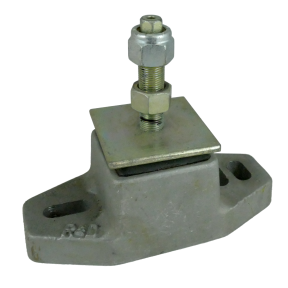
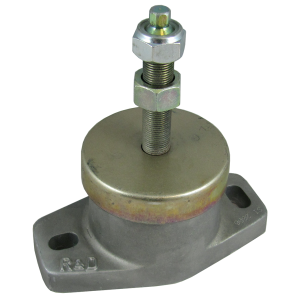
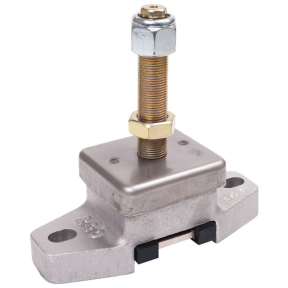
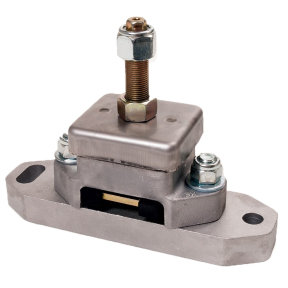
Marine engine mounts and outboard motor mounts isolate propulsion noise and vibration while supporting the engine and transferring power to the boat. Fisheries Supply carries mounting options for pontoon boats, powerboats, sailboats, dinghies, and other marine engine installations.
Understanding Marine Engine and Motor Mounts
- Inboard engine support for powerboats and sailboats
- Vibration isolation for pontoon boat propulsion systems
- Outboard motor mounting for dinghies and small boats
- Commercial-duty and frequent offshore engine installations
Marine Engine Mounts and Outboard Motor Brackets
| Mount Type or Category | Features and Applications |
|---|---|
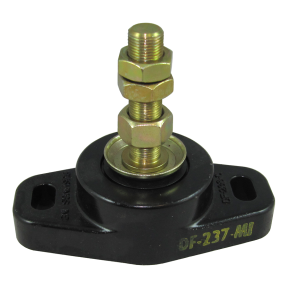
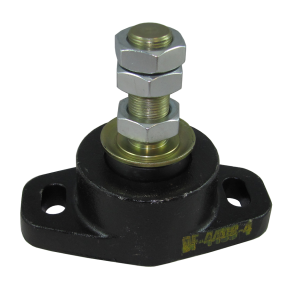
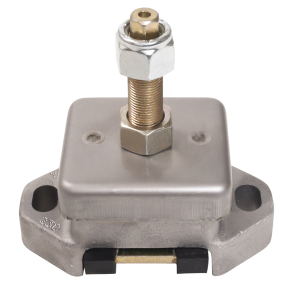
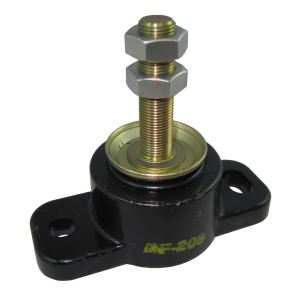
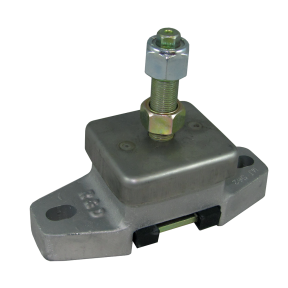
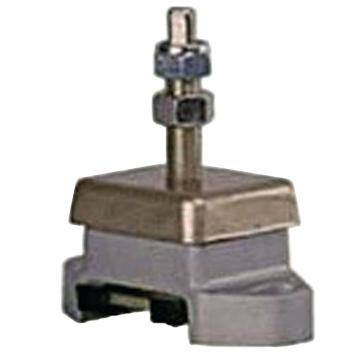
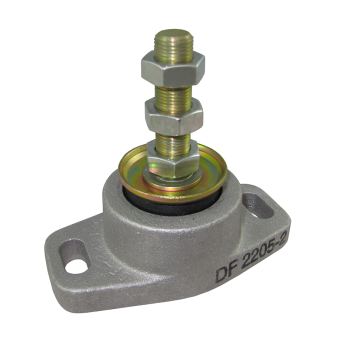
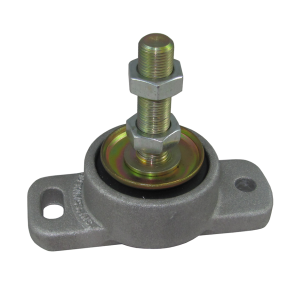
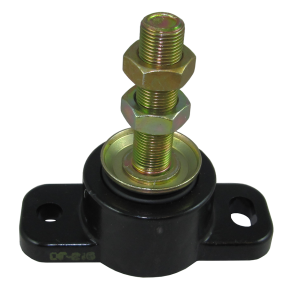
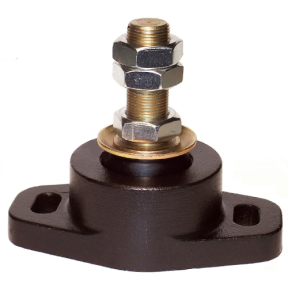
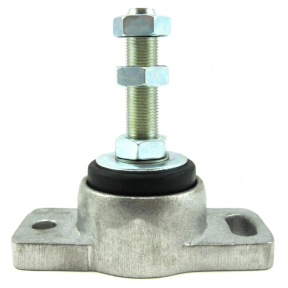
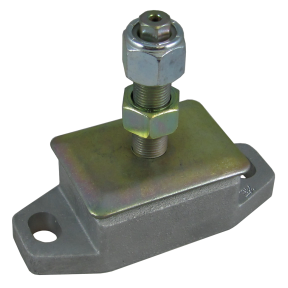
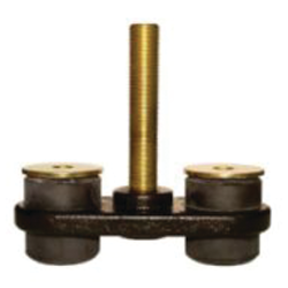
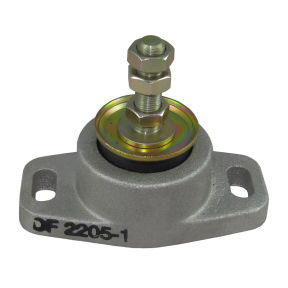
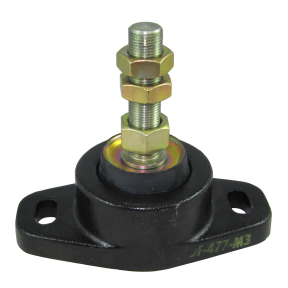
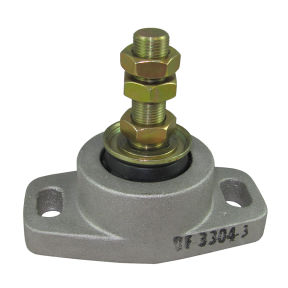
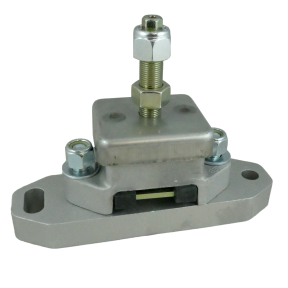
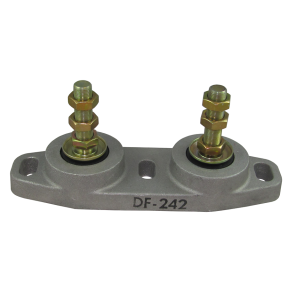
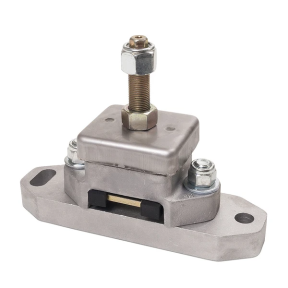
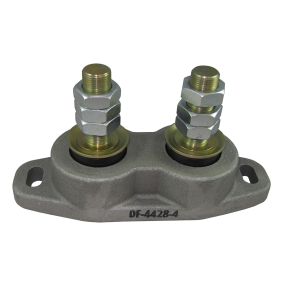
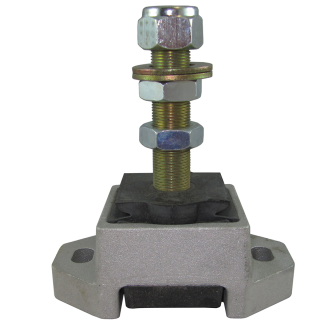
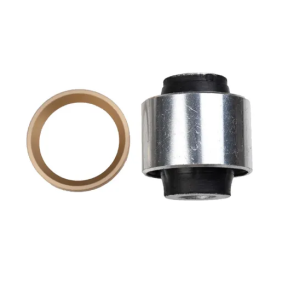
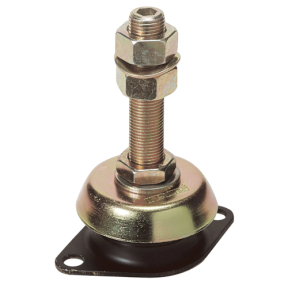
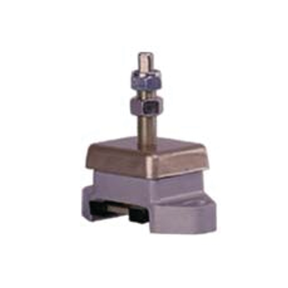
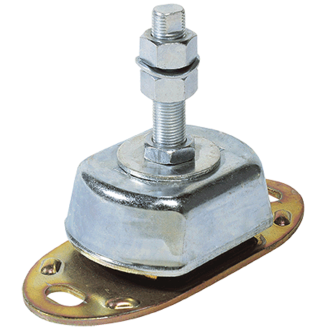
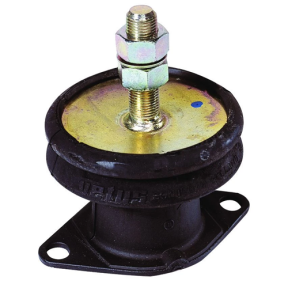
| Engine Mounts | Engine mounts are sized for different engine weights and installation layouts. Available configurations use specific elastomer compounds, stiffness levels, deflection characteristics, and damping properties to control engine movement and transmitted vibration. |
| Outboard Motor Mounts and Brackets | Purpose-built outboard motor mounts support compatible outboard installations while reducing transmitted vibration and sound. |
| Engine Mount Brands | Fisheries Supply carries marine mounting products from manufacturers such as VETUS and Bushings, Inc. |
How to Choose Marine Engine Mounts
| Selection Factor | What to Check | Why It Matters |
|---|---|---|
| Static load and engine weight | Match each mount’s load rating to the supported engine mass and center of gravity. | An appropriate load rating supports the engine and controls mount compression. |
| Deflection | Review the required mount movement under the engine’s static load. | A mount that is too stiff transmits vibration, while a mount that is too soft can bottom out or affect alignment. |
| Shore hardness and elastomer | Compare natural rubber, synthetic rubber, and urethane compounds. | Elastomer composition affects stiffness, damping, durability, and vibration isolation. |
| Metal components | Review stainless steel, bronze, or brass hardware for the installation environment. | Corrosion-resistant metals provide added protection around saltwater exposure. |
| Alignment | Confirm that the engine and drivetrain can be aligned to the required tolerances. | Incorrect alignment can increase vibration and component wear. |
| Usage profile | Consider engine output, commercial duty, offshore use, and operating frequency. | Demanding service may require higher-capacity or more robust engine mounts. |
| Weight distribution | Review mount placement, engine geometry, and supported load paths. | Mount position can affect trim, handling, engine movement, and onboard comfort. |
Engine Mount Inspection, Maintenance, and Replacement
- Cracks, tears, sagging, or distortion in the rubber or urethane
- Corrosion on studs, brackets, fasteners, and other metal components
- Oil contamination or deterioration of the elastomer
- Loose mounting hardware or a change in engine height or angle
- Excessive engine movement, vibration, noise, or knocking
Include marine engine mounts in seasonal or annual service checks. Service life varies with environmental exposure and duty cycle, so replace damaged mounts when symptoms appear rather than relying only on a fixed interval. After replacement, verify shaft or propulsion alignment to the applicable specification.
Marine Engine Mount Selection Support
Engine model, installation geometry, expected deflection, engine weight, mount location, and operating environment all affect product selection. Compare these factors with the manufacturer’s load and compatibility information before choosing a marine engine mount or outboard motor bracket.
Frequently Asked Questions
What do marine engine mounts do?
Marine engine mounts support the engine, transfer propulsion power, and isolate the hull from noise and vibration. Rubber or urethane elements absorb engine movement before it reaches the boat’s structure, helping protect onboard equipment and improve comfort on powerboats, sailboats, pontoons, and other motorized vessels.
How do I choose the correct marine engine mounts?
Choose marine engine mounts by matching the engine weight, static load, center of gravity, installation geometry, and operating environment. Also compare mount deflection, Shore hardness, damping, corrosion resistance, and drivetrain alignment requirements with the engine manufacturer’s specifications and the mount manufacturer’s compatibility information.
What are the signs of a failing boat engine mount?
Common signs include increased vibration, knocking during gear engagement, excessive engine movement, visible cracking, sagging elastomers, oil-soaked rubber, loose hardware, and a change in engine height or angle. Corroded metal components or recurring drivetrain misalignment can also indicate that an engine mount needs replacement.
How often should marine engine mounts be replaced?
Marine engine mounts should be inspected during seasonal or annual service and replaced when wear or performance changes appear. Replacement timing varies with engine load, operating frequency, oil exposure, corrosion, and environmental conditions. Many owners plan replacement on a multi-year cycle but replace damaged mounts sooner.
Can I replace marine engine mounts myself?
Experienced boat owners can replace marine engine mounts when they have suitable lifting equipment, torque procedures, and alignment tools. The engine must remain safely supported, and the drivetrain must be realigned after installation. A qualified marine mechanic is appropriate when lifting or alignment requirements are uncertain.
Do powerboats and sailboats use different engine mounts?
Engine mount requirements can differ by hull type, engine speed, load, and propulsion layout. Planing powerboats with higher-RPM operating profiles may use stiffer mounts, while displacement sailboats may benefit from greater low-RPM vibration isolation. Final selection must follow the engine and mount manufacturers’ load guidance.