

Enhance Your Boating Safety with Marine Horns from Fisheries Supply
Key Takeaways
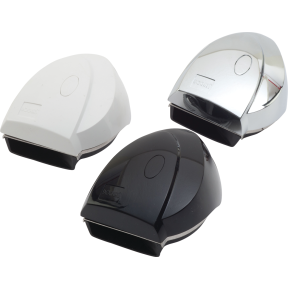
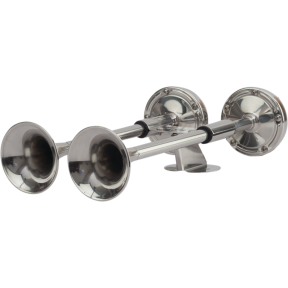
- Match horn type (air, electric, fog) to boat size, space, and operating area.
- Verify audibility and frequency align with 33 CFR Part 86 technical thresholds for whistles.
- Use clear, consistent sound signals as defined by Rule 33 and related navigation rules.
- Prioritize durability (corrosion resistance), mounting integrity, and serviceability.
- Select proven brands: Buell, Falcon, Weems & Plath, Perko.
Marine Horn Basics
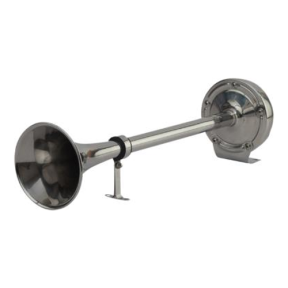
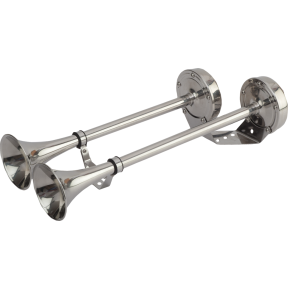
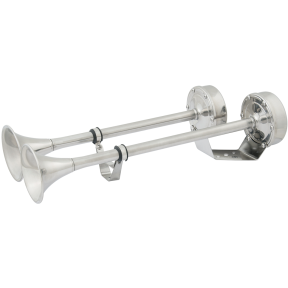
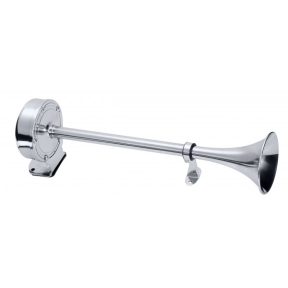
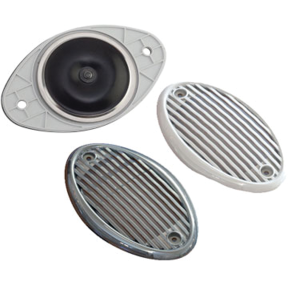
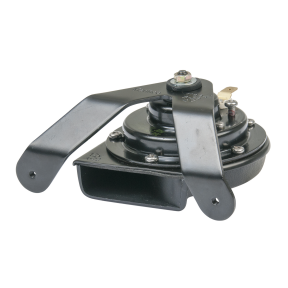
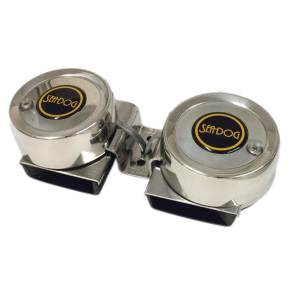
A marine horn (a.k.a. “whistle” in regulations) is a sound signaling appliance used to communicate boat intentions and status in restricted visibility, traffic, and emergencies.
Marine Horn Types and Best Uses
| Horn Type | Best Use | Selection Factors |
|---|---|---|
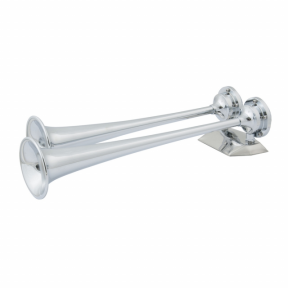
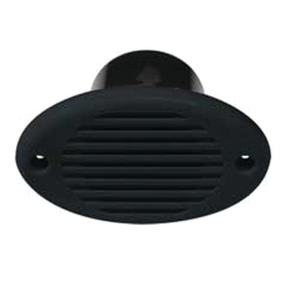
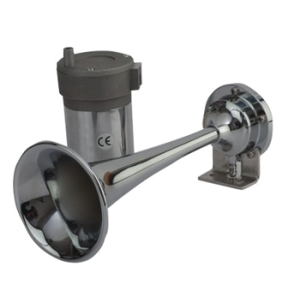
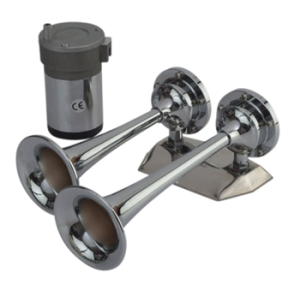
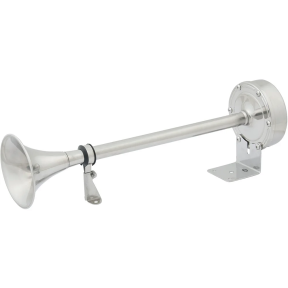
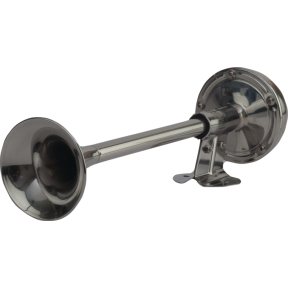
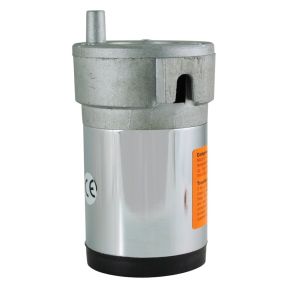
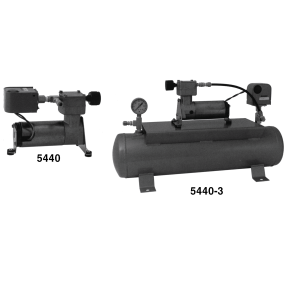
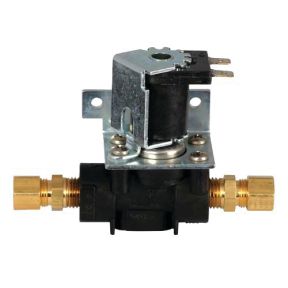
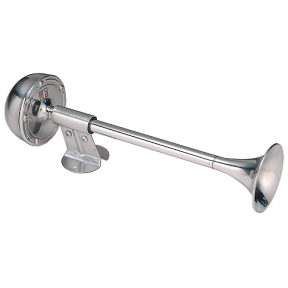
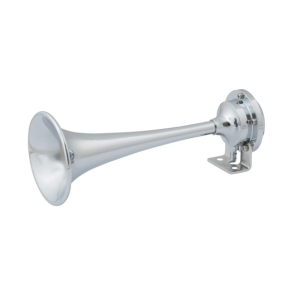
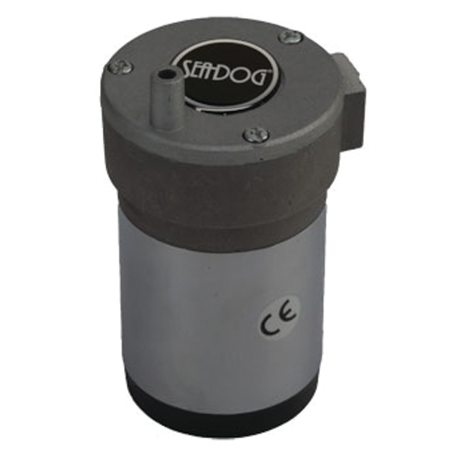
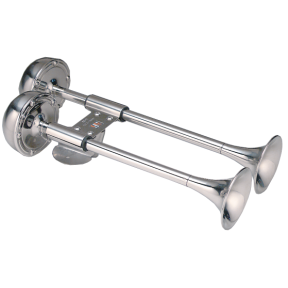
| Air Horns | Long-range signaling, larger boats, commercial-duty use, and adverse weather operation. | Compressor or canister format, trumpet location, hose routing, condensation control, and rigid mounting. |
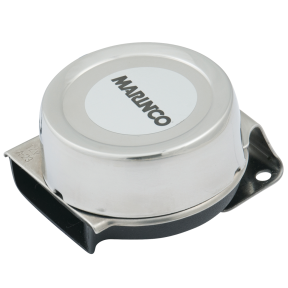
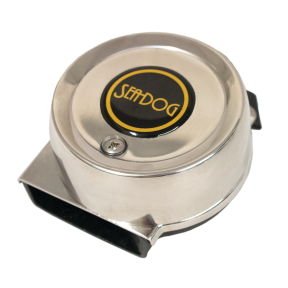
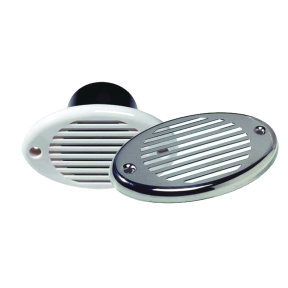
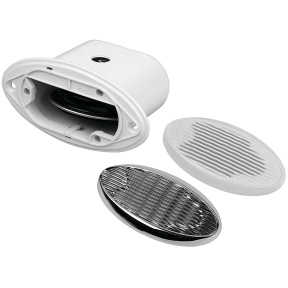
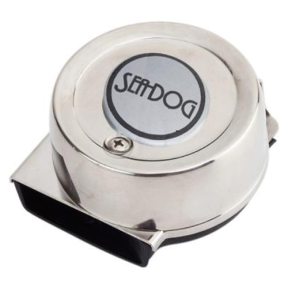
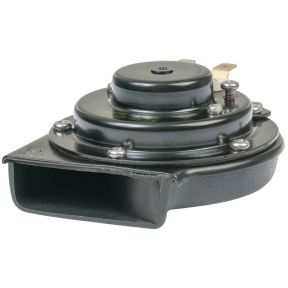
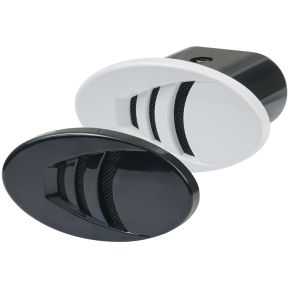
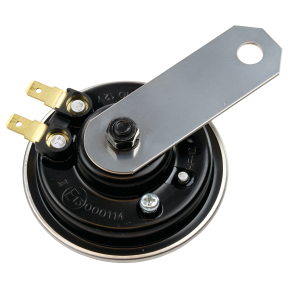
| Electric Horns | Compact boat horn installations on 12V or 24V DC electrical systems. | Voltage compatibility, current draw, switch rating, fuse sizing, IP rating, and corrosion-resistant diaphragms. |
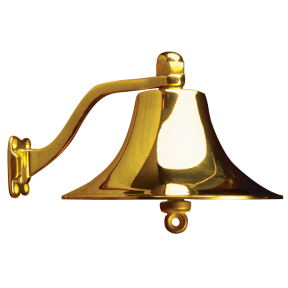
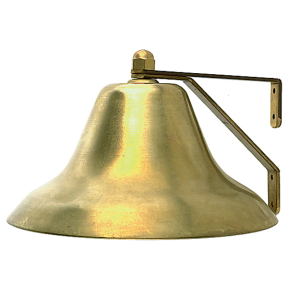
| Fog Horns | Restricted-visibility signaling in fog, precipitation, and low-visibility traffic areas. | Low-frequency output, manual control, automated timing compatibility, audibility, and Annex III alignment. |
Sound Signals: Practical Application
Standard maneuvering and warning signals are defined in Rule 34 and related sections; equipment requirements appear in Rule 33.
| Signal Consideration | Practical Application |
|---|---|
| Short blasts / prolonged blasts | Follow local/international rules for meeting, crossing, overtaking, and restricted visibility. |
| Audibility | Ensure installed horn meets Annex III tables for pressure level and range of audibility by boat length. |
| Manual control | Rules require the ability to sound prescribed signals manually, even if automated equipment is fitted. |
Primary Selection Factors
| Selection Factor | What to Check |
|---|---|
| Durability | 316 stainless, UV-stable polymers, sealed electronics. |
| Footprint & weight | Confirm clear sound path; avoid spray shadowing. |
| Sound output | Check manufacturer SPL and frequency; compare to Annex III target bands. |
| Power & wiring | Voltage, fuse sizing, wire gauge, and switch rating. |
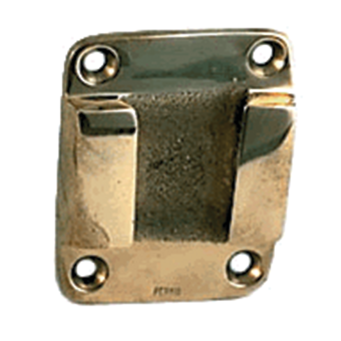
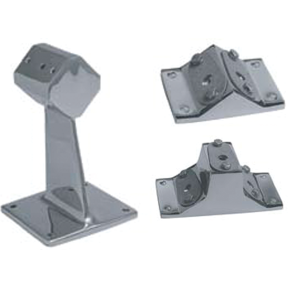
| Mounting | Use purpose-built brackets; isolate dissimilar metals. |
Trusted Brands at Fisheries Supply
| Brand | Typical Use |
|---|---|
| Buell | Air horn systems built for commercial duty. |
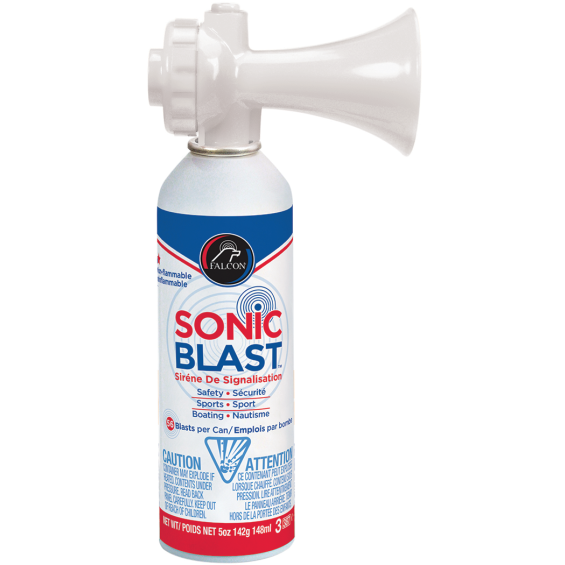
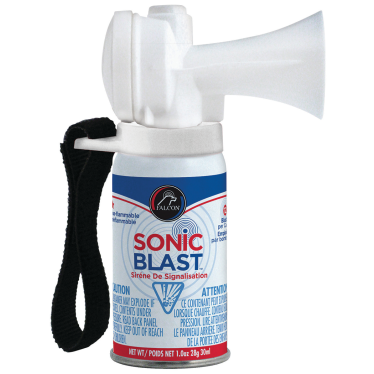
| Falcon | Handheld and compact signaling options. |
| Weems & Plath | Navigation accessories and signaling. |
| Perko | Robust electric horns and hardware. |
Installation and Testing Essentials
| Installation Area | Essential Guidance |
|---|---|
| Location | Mount forward and high with clear projection; avoid obstructions. |
| Fastening | Through-bolt with backing where feasible; use marine sealants. |
| Electrical | Follow ABYC wiring practices, including ampacity, circuit protection, and terminations. |
| Commissioning | Test output pier-side; verify audibility underway; document wiring and fuse values. |
| Maintenance | Schedule periodic tests; inspect for corrosion, water intrusion, and hose integrity for air systems. |
Frequently Asked Questions
What’s the difference between a ship horn and a fog horn?
Ship horn is a general term for signaling devices used for maneuvering and warnings. A fog horn emphasizes lower frequencies that travel farther in restricted visibility; timing patterns are prescribed by navigation rules.
How often should I test my marine horn?
Test routinely during pre-departure checks and before operating in expected low visibility. Inspect wiring/air supply, mounting hardware, and sound output.
Do small boats need a fixed horn?
Under 33 CFR § 83.33 (Rule 33), vessels less than 12 meters (39.4 feet) in length are not required to carry a formal sound signaling appliance but must be provided with some other efficient means. Vessels 12 meters or more must carry a compliance-certified whistle. Confirm your area’s rules.
How loud should my horn be?
Audibility and minimum sound pressure levels depend on boat length and are specified in Annex III (33 CFR Part 86). Compare your model’s SPL and frequency band to those tables.
Can multi-tone horns be used for navigation signals?
Use only signals and patterns authorized by applicable rules. Auxiliary tones may be useful for attention or non-navigational alerts where permitted.