Electric Downriggers for Precise Trolling Control
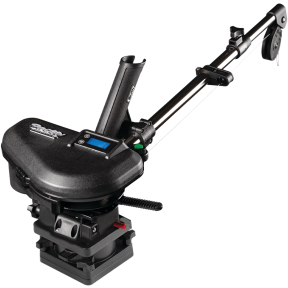
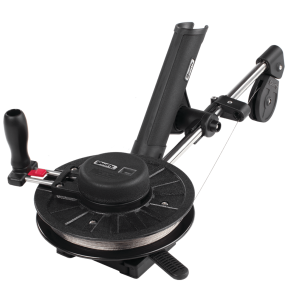
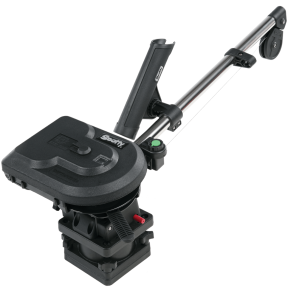
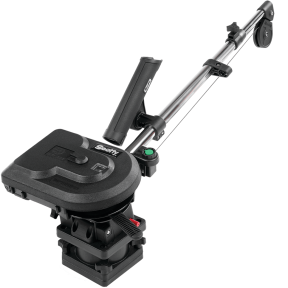
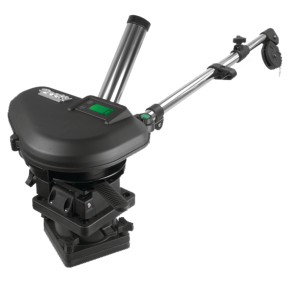
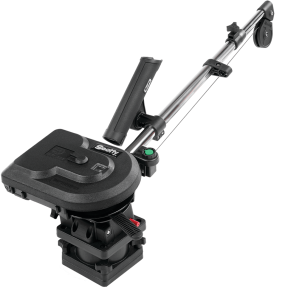
Electric downriggers mount to a boat and use a motorized system to lower and retrieve a weight that holds bait or lures at a selected trolling depth. Motorized retrieval reduces hand cranking, particularly when managing multiple lines. Choose a setup that suits your boat's mounting layout, fishing conditions, and compatible weights and line releases.
Key Downrigger Takeaway
How Electric and Manual Downriggers Differ
A downrigger holds bait or lures at a selected depth while trolling, helping anglers target fish at different levels in the water column. Electric and manual systems serve this same purpose; the main distinction is motorized operation versus hand cranking.
| Downrigger type | Operation | Practical consideration |
|---|---|---|
| Electric downriggers | Motorized lowering and retrieval. | Reduce repetitive hand cranking when resetting a spread or managing multiple lines. |
| Manual downriggers | Hand-cranked operation. | Provide an alternative for simpler setups, with retrieval effort supplied by the angler. |
Downrigger Brands and Related Components
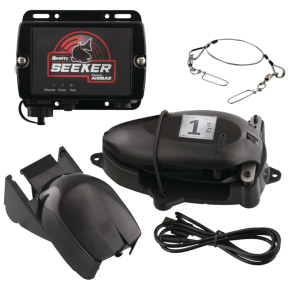
Distinguish the downrigger itself from mounting adapters and weights when comparing brands. Digital depth readouts and auto-stop capability are features of some electric models, rather than features shared by every product.
| Brand | Products | Selection consideration |
|---|---|---|
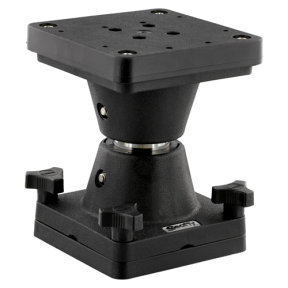
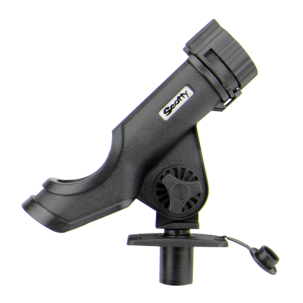
| Scotty | Downriggers and compatible accessories. | Match accessories to the downrigger and mounting setup. |
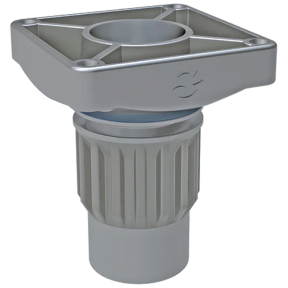
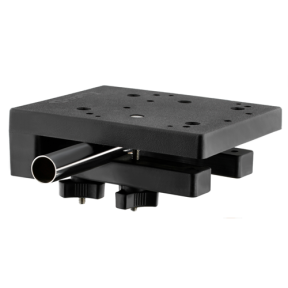
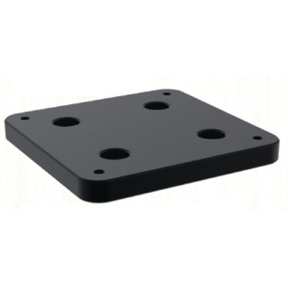
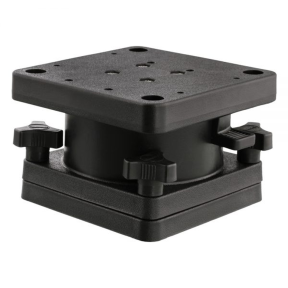
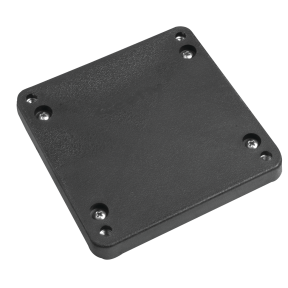
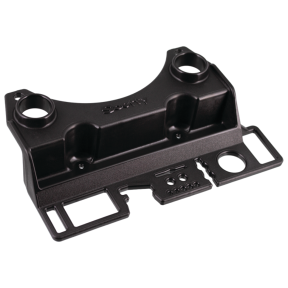
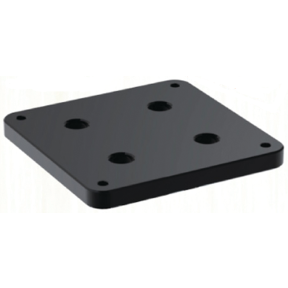
| Burnewiin | Adapter plates, including the SC1036 Scotty Downrigger Adapter Plate. | Check the adapter's compatibility with your Scotty downrigger and mounting arrangement. |
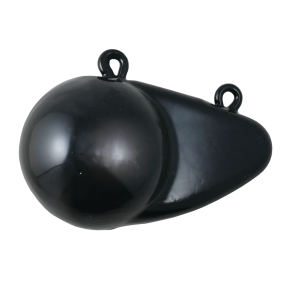
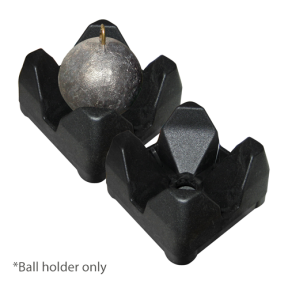
| Greenfield Products | Vinyl-coated lead downrigger weights and specialized marine anchors. | Select vinyl-coated lead weights for high material density, reduced blowback, and hull protection against impacts. |
Weights, Releases, and Supporting Gear
A complete setup depends on compatible components. Consider each accessory's function alongside your intended fishing depth, water conditions, and mounting requirements.
| Component | Function | What to check |
|---|---|---|
| Downrigger weights | Hold the line and lure presentation at the intended depth. | Weight compatibility, fishing depth, and current conditions. |
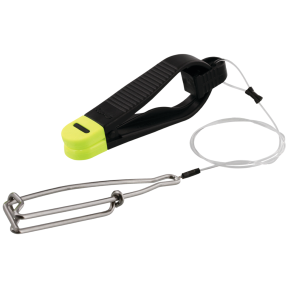
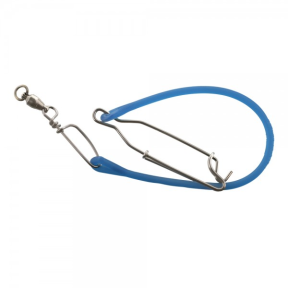
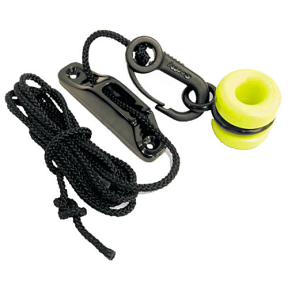
| Line releases | Hold the fishing line during trolling and release it when a fish strikes. | Compatibility with the downrigger setup and fishing approach. |
| Rods and reels | Support the loads and action associated with downrigger fishing. | Suitability for downrigger use. |
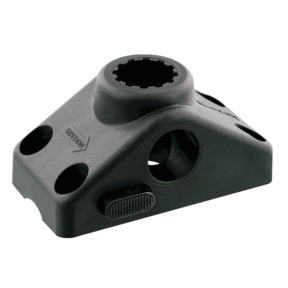
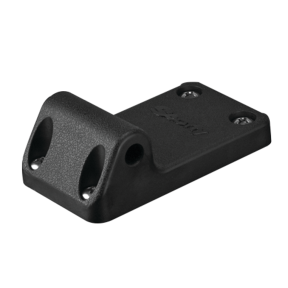
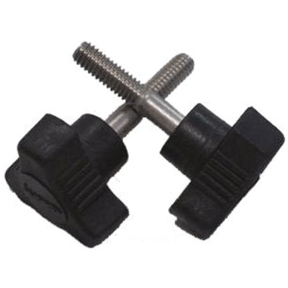
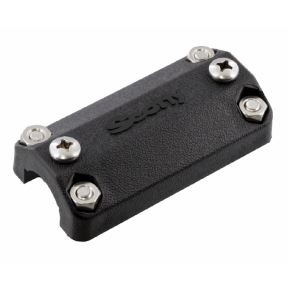
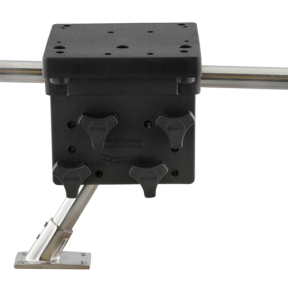
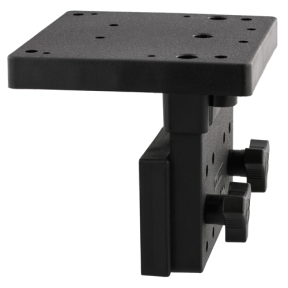
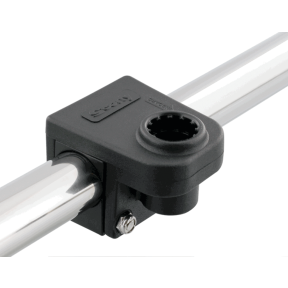
| Mounting hardware and adapters | Connect the downrigger to the boat's mounting arrangement. | Boat layout, mounting requirements, and brand compatibility. |
Choosing Downrigger Weight Size
Weight selection depends on fishing depth and water conditions. The source describes a typical range of 4 to 15 pounds, with lighter weights of 4 to 8 pounds used in calm, shallow water and heavier weights of 10 to 15 pounds used for deeper trolling or stronger currents. These ranges are general guidance, not a compatibility specification for every downrigger.
Current can push the weight behind the boat, a condition called blowback that affects depth control and sonar tracking. Consider this alongside the need to match the weight to your downrigger.
Frequently Asked Questions
How do I choose boom length for my boat?
Consider boat beam width, deck layout, and clearance from the transom and outboard propellers. Compact booms (24 to 30 inches) suit smaller transoms, while longer or telescoping booms (36 to 72 inches) provide the necessary clearance to prevent cables from tangling in prop washes during tight turns on wider vessels.
Can I mount a downrigger without drilling into my boat?
Gimbal mounts fit into heavy-duty, factory-installed flush-mount rod holders, allowing removable mounting without drilling new holes. However, because electric downriggers generate high drag loads with 10 to 15 lb weights, ensure the rod holder is structurally reinforced with a backing plate. Lightweight C-clamp brackets are suitable only for small manual downriggers on small craft, not heavy electric units.
What should I consider for saltwater use?
Consider corrosion-resistant components, such as stainless steel or anodized aluminum, and regular maintenance. After saltwater use, rinse the downrigger, cable, and pulleys with fresh water to remove salt buildup.