Marine GPS Chartplotters and Navigation Systems
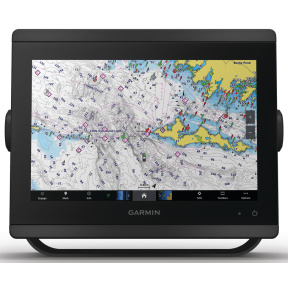
Marine GPS chartplotters display boat position on electronic charts and help you manage waypoints and routes. Options include portable handheld GPS units, fixed-mount chartplotters, and multifunction displays that connect with other onboard electronics. Choose a format that fits your boat, helm space, chart requirements, and planned system connections.
What to Know Before Choosing a Navigation Display
- Decide whether you need a portable navigator, a dedicated helm chartplotter, or a multifunction display.
- Compare available mounting space, viewing distance, and the screen area needed for simultaneous chart and sonar windows.
- Check included chart coverage and compatibility with any additional electronic charts you plan to use.
- Review connections for existing equipment and planned additions, including antennas, sensors, radar, sonar, and autopilot systems.
Types of Marine GPS Devices
| Device Type | Typical Application | Main Function |
|---|---|---|
| Handheld and Portable GPS | Kayaks, paddleboards, sailing dinghies, small boats, or backup navigation on larger boats. | Compact, self-powered navigation in a portable format. |
| Fixed-Mount GPS Displays | Dedicated helm stations and ongoing onboard use. | Permanently installed GPS navigation and electronic chart display. |
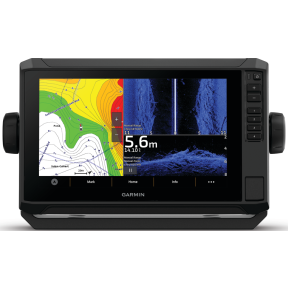
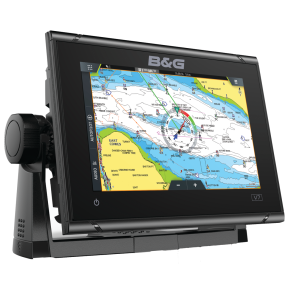
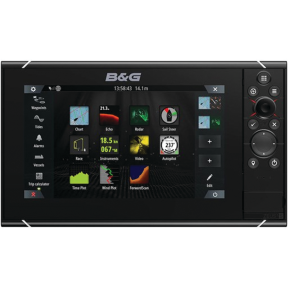
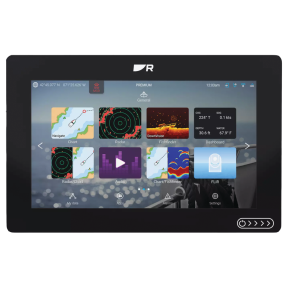
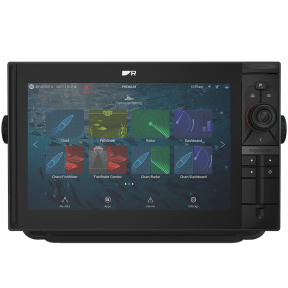
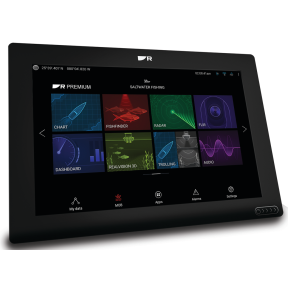
| Multifunction Displays (MFDs) | Boats with multiple networked navigation and monitoring systems. | Combine GPS charting with compatible radar, sonar, AIS, autopilot, or engine-data functions, depending on the display and connected equipment. |
Marine GPS Chartplotter Functions
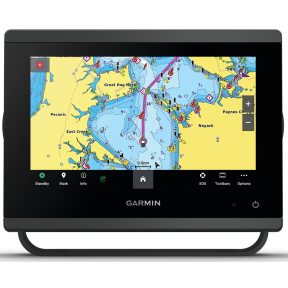
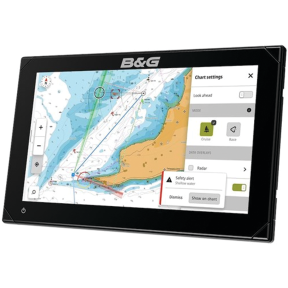
A chartplotter brings position information and electronic charts together on one display. Beyond showing boat position, navigation displays can support trip planning and connections with other marine electronics.
- Position and route monitoring: View boat position on electronic charts while following a planned route.
- Waypoint and route management: Save destinations, connect waypoints, and retain routes for future trips.
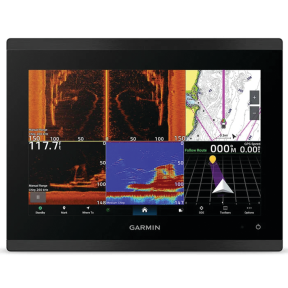
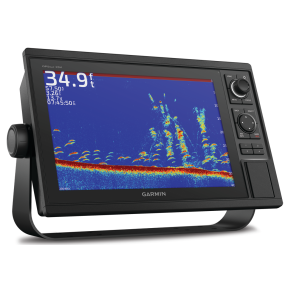
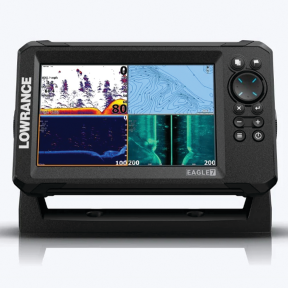
- Multiple data views: Use supported split-screen layouts to view a chart alongside sonar or other information.
- Compatible system connections: Share navigation information with equipment such as autopilots and VHF radios that support DSC emergency signaling.
Available functions depend on the selected display, chart package, network, and connected equipment.
How to Choose a Marine Chartplotter or MFD
| Selection Factor | What to Check | Why It Matters |
|---|---|---|
| Intended Use | Portable navigation, a fixed helm installation, or a display for multiple onboard systems. | Connects the device format with the way you plan to use it. |
| Screen and Mounting Space | Viewing distance, available dash space, flush or bracket mounting, and planned split-screen views. | Helps you choose a display that fits the helm and provides readable information. |
| Electronic Charts | Included basemaps or regional charts, required coverage, and support for additional chart packages. | Chart coverage and detail vary by display and package. |
| Network Compatibility | Supported NMEA connections and manufacturer-specific Ethernet networks, such as Raymarine RayNet or Garmin BlueNet. | Determines which onboard devices can exchange data with the display. |
| Connected Equipment | Compatibility with planned radar, sonar, AIS, autopilot, engine-data, sensor, and external GPS antenna connections. | Helps establish whether the display supports the functions needed for your installation. |
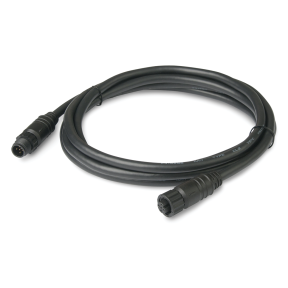
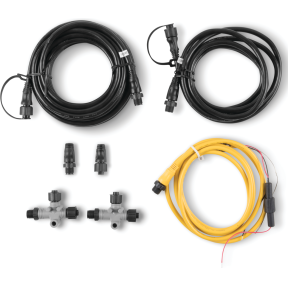
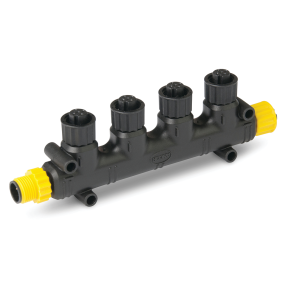
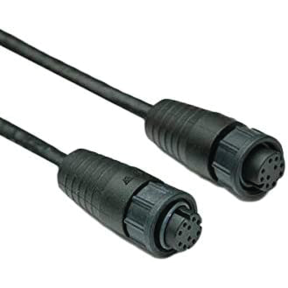
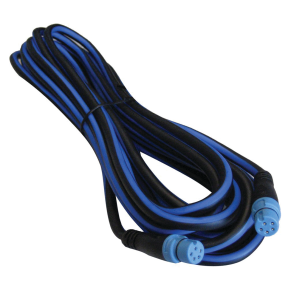
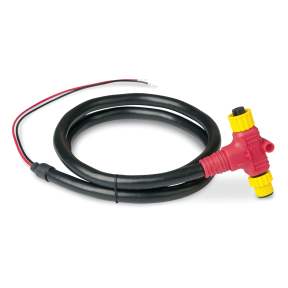
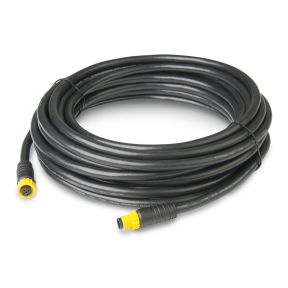
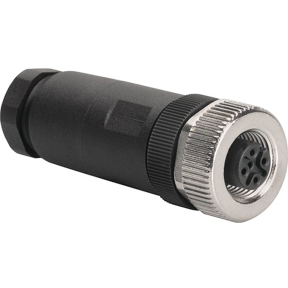
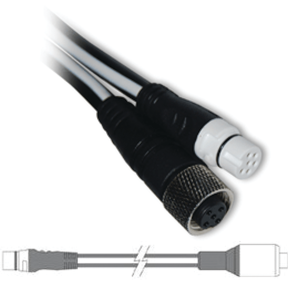
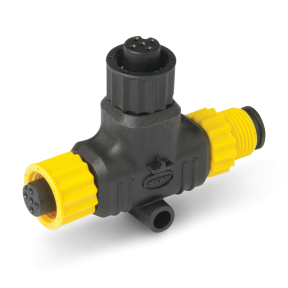
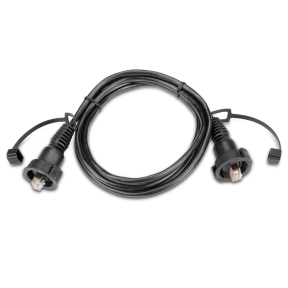
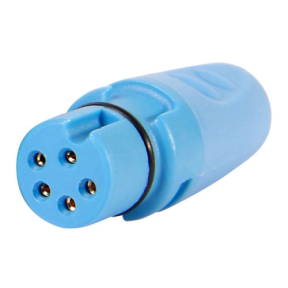
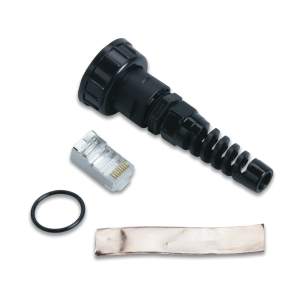
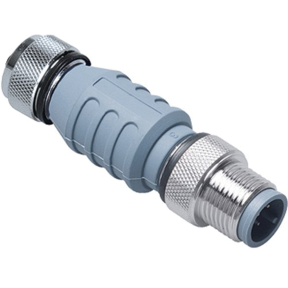
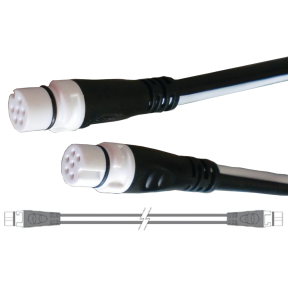
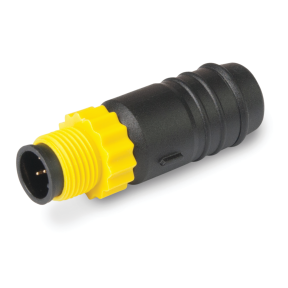
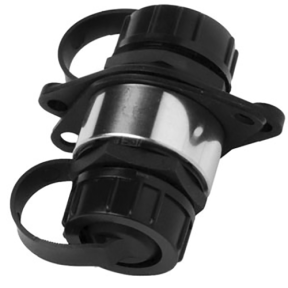
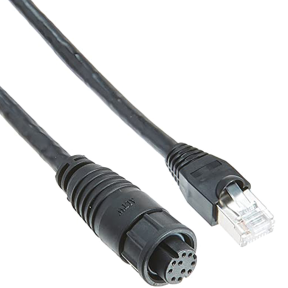
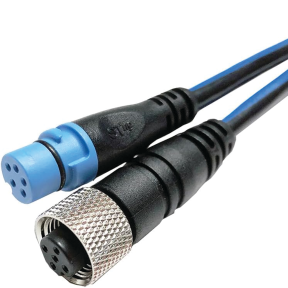
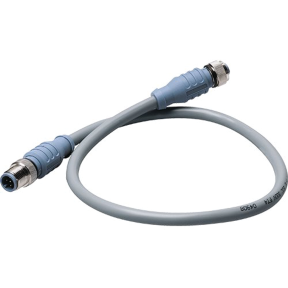
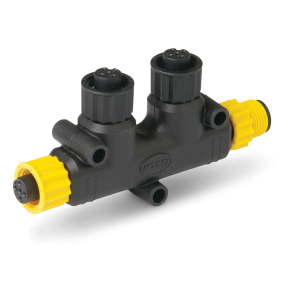
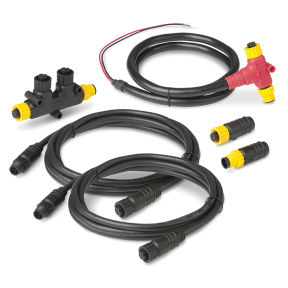
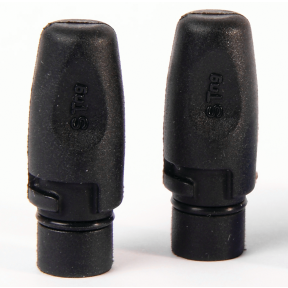
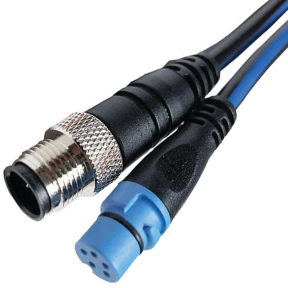
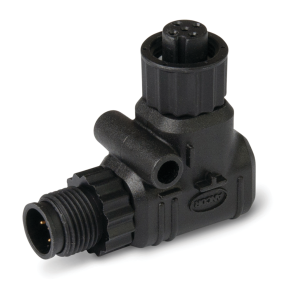
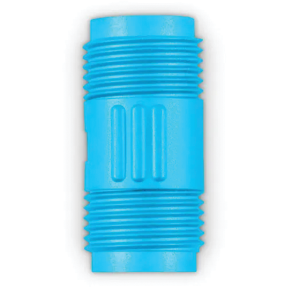
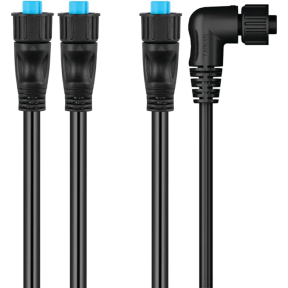
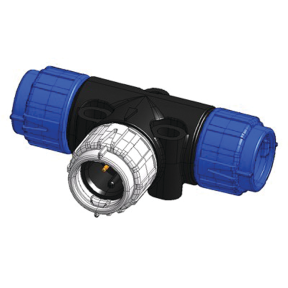
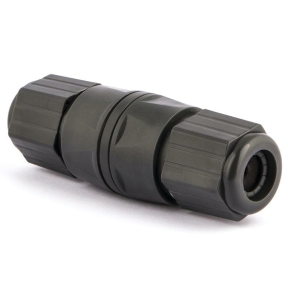
| Installation Components | Required antennas, cabling, NMEA components, mounts, and housings. | Identifies supporting components needed for a new installation or system upgrade. |
Understanding GPS Position Information
The Global Positioning System (GPS) uses satellite signals to provide position, speed, and time information. A receiver calculates its position by comparing signal timing from multiple satellites with their known orbital locations. A chartplotter uses that position information to show the boat on an electronic chart.
Browse Marine Navigation Brands and Installation Components
Explore marine navigation options from Garmin, Raymarine, and B&G Electronics at Fisheries Supply. Compare each display's charting functions and connections against the needs of your boat.
For installation planning, explore marine electronic mounts and housings and review the antennas, cabling, and NMEA components required by your selected system.
Frequently Asked Questions
What is the Global Positioning System (GPS)?
GPS is a satellite-based navigation system that provides continuous position, speed, and time information worldwide at no cost to the user.
How accurate is marine GPS positioning?
A GPS receiver can typically determine horizontal position within about six meters and vertical position within roughly ten meters under normal conditions.
What types of marine GPS devices are available?
Marine GPS devices are commonly available as handheld portable units, fixed-mount chartplotters, and multifunction displays that integrate multiple navigation functions.
What can a marine GPS chartplotter do besides showing position?
Marine GPS chartplotters can store waypoints, create routes, display digital charts, and integrate with other onboard electronics such as autopilots and VHF radios.
What is the difference between a standalone chartplotter and a Multi-Functional Display (MFD)?
While a standalone chartplotter is primarily dedicated to GPS navigation and electronic charting, a Multi-Functional Display (MFD) serves as a central hub for your boat's electronics. MFDs allow you to integrate and control multiple systems such as radar, sonar, AIS, autopilot, and even engine data from a single screen or networked interface.
What major brands are available for marine navigation systems?
Fisheries Supply carries a wide range of industry-leading brands, including Garmin, Raymarine, B&G, and Lowrance. These brands offer various series such as the Garmin GPSMAP and ECHOMAP, Raymarine Axiom and Element, and B&G Zeus or Vulcan, catering to different boat types and navigation needs.
How do I choose the right screen size for my helm?
Screen sizes typically range from compact 5-inch units for small consoles to expansive 24-inch displays for large yachts. When selecting a size, consider your viewing distance, the available mounting space on your dash (flush vs. bracket mount), and whether you need to view multiple "split-screen" data windows simultaneously, such as a chart alongside a fishfinder.
Are these navigation displays compatible with NMEA 2000 networking?
Yes, most modern chartplotters and MFDs utilize NMEA 2000 or proprietary Ethernet-based networks (like Raymarine RayNet or Garmin BlueNet) to communicate with other onboard devices. This allows for seamless data sharing between your display and sensors like wind transducers, fuel flow meters, and external GPS antennas.
Do chartplotters come with pre-loaded maps, or do I need to purchase them separately?
Many units come pre-loaded with basic worldwide basemaps or regional coastal charts. For high-resolution detail—including bathymetric contours, satellite imagery, and "auto-guidance" routing—users often add premium electronic charts from providers like Navionics, C-MAP, or Garmin Navionics Vision+ via SD/MicroSD cards.