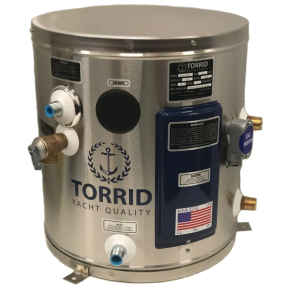
Boat Water Heaters at Fisheries Supply
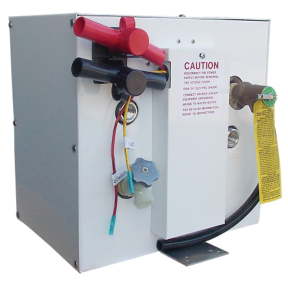
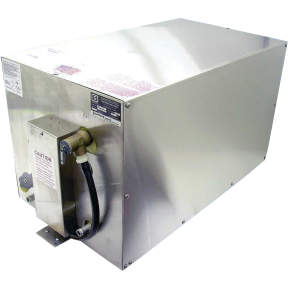
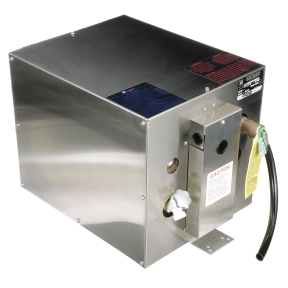
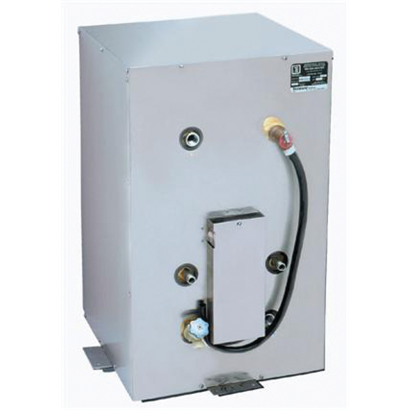
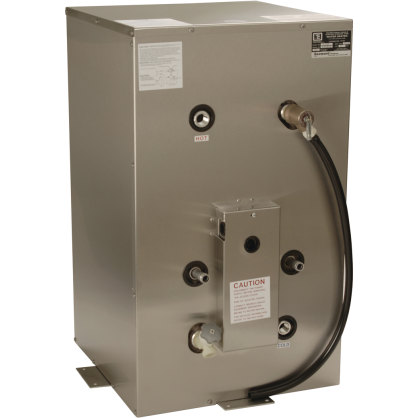
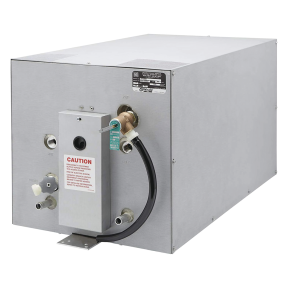
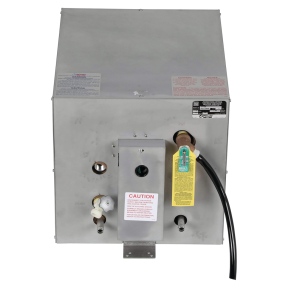
Marine water heaters supply hot water for showers, dishwashing, and everyday onboard use on cruising boats, fishing boats, and other vessels. Choosing a boat water heater requires matching tank capacity, heat source, construction material, installation space, and crew demand.
Marine Water Heaters and Brands
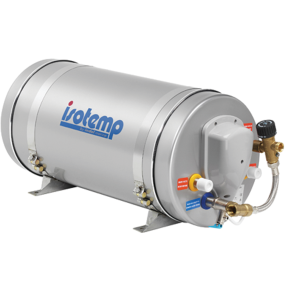
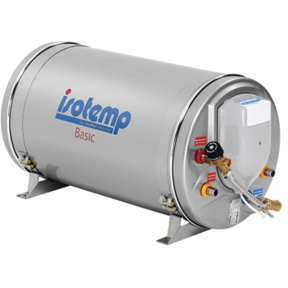
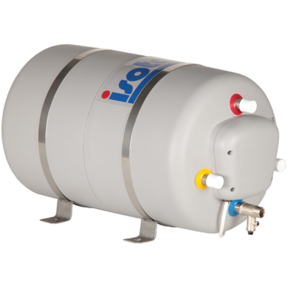
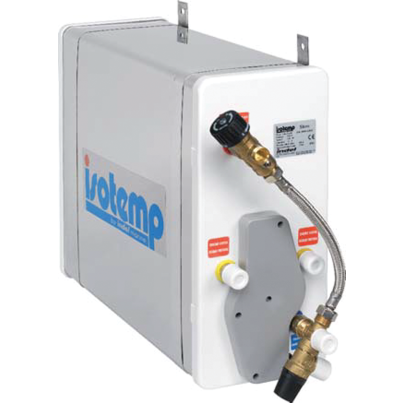
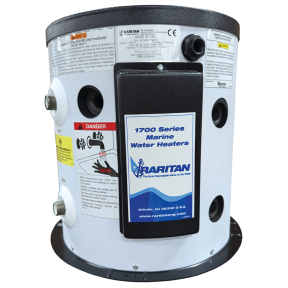
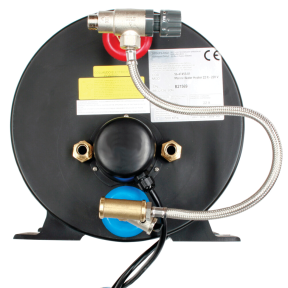
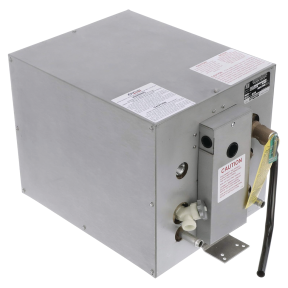
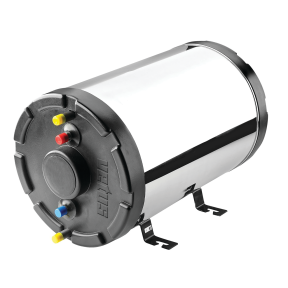
Fisheries Supply carries boat water heaters, marine hot water tanks, and replacement parts from established manufacturers. Available brands include Torrid, Isotherm, Whale, Raritan, Kuuma Products, Seaward Products, and Vetus.
Types of Marine Water Heaters
| Water Heater Type | Heat Source | Application | Selection Consideration |
|---|---|---|---|
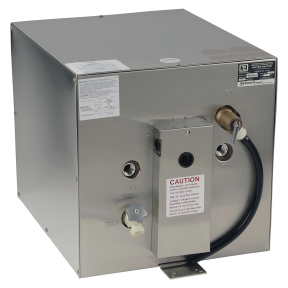
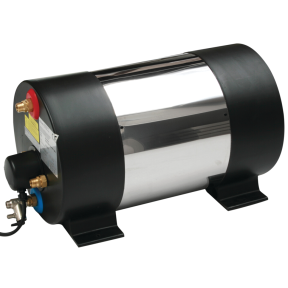
| Engine heat exchanger water heater | Hot engine coolant | Heating water while underway | Requires compatibility with the propulsion-engine cooling system. |
| Electric water heater | Electric heating element | Heating water when shore power is available | Depends on the boat's available electrical power. |
| Combination water heater | Engine coolant and electricity | Heating water underway or while connected to shore power | Provides flexibility for boats using both power sources. |
Boat Water Heater Features and Benefits
| Feature | Benefit |
|---|---|
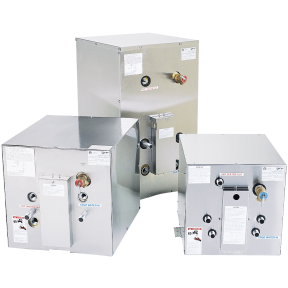
| Corrosion-resistant tanks | Stainless steel, glass-lined steel, and aluminum construction options address marine installation conditions. |
| Compact footprints | Smaller housings fit restricted engine-room and plumbing spaces. |
| Pressure relief valves | Integrated valves support safe pressure management. |
| Engine heat exchangers | Coolant transfers propulsion-engine heat to the domestic water supply. |
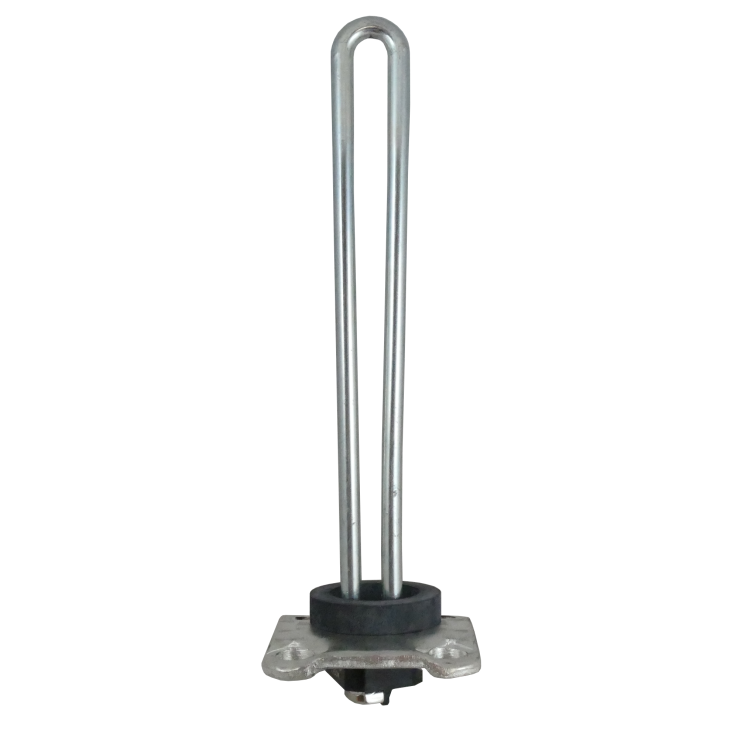
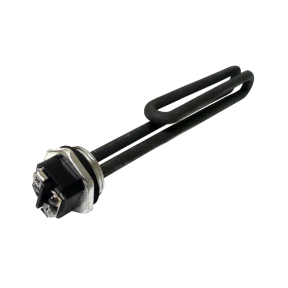
| Electric heating elements | Electric operation supports hot-water production with shore power. |
| Service access | Accessible components simplify inspection, maintenance, and repair. |
How to Choose a Marine Water Heater
- Estimate hot-water demand: Consider crew size, shower use, dishwashing, and time aboard.
- Measure the installation space: Check the available footprint and service access before selecting a tank.
- Select a capacity: Compact 6-gallon units suit smaller boats, while capacities up to 20 gallons support larger boats and greater demand.
- Confirm the heat source: Choose engine heat exchanger, electric, or combination operation based on the boat's systems.
- Compare tank materials: Review corrosion resistance, durability, and maintenance requirements.
Marine Water Heater Parts and Accessories
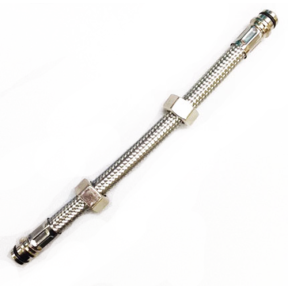
Routine service and repair can extend the operating life of a marine hot water tank. Common replacement and installation components include:
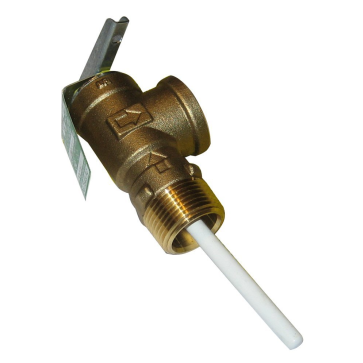
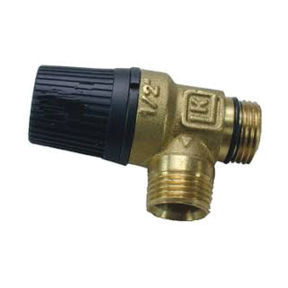
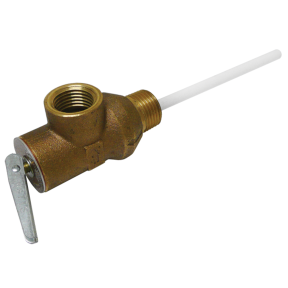
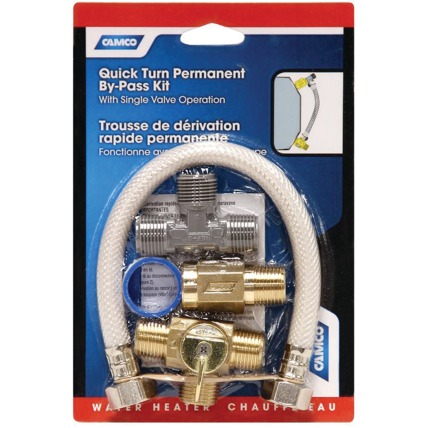
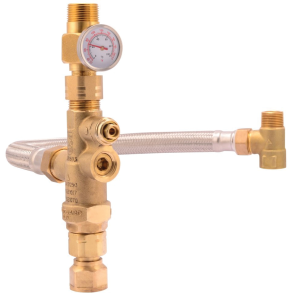
- Pressure regulators and pressure relief valves
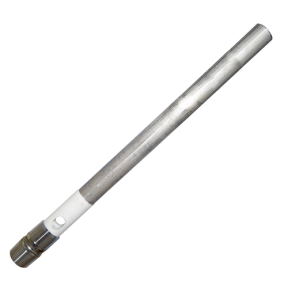
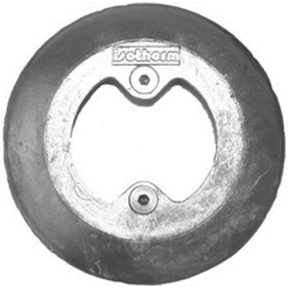
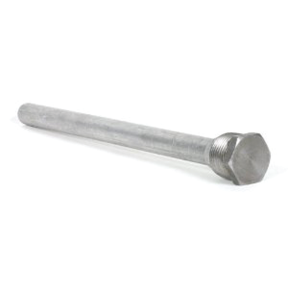
- Magnesium sacrificial anodes
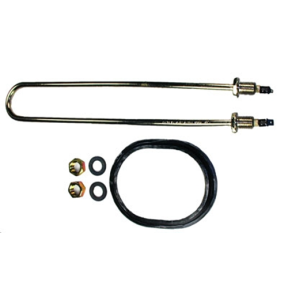
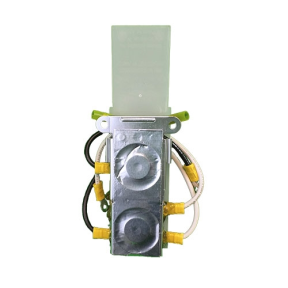
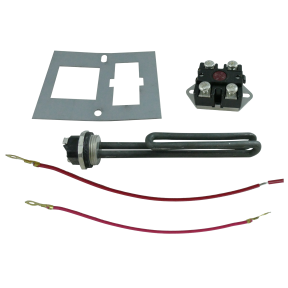
- Electric heating elements
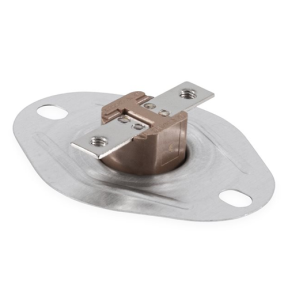
- Thermostats
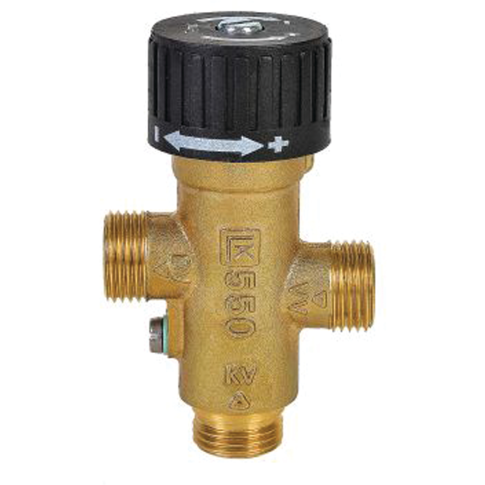
- Mixing valves
- Mounting brackets
Marine Water Heater Maintenance
Preventive maintenance supports reliable hot-water production, efficient heat transfer, and longer component life.
- Inspect sacrificial anodes (where applicable, such as on aluminum or glass-lined tanks) and replace them when required.
- Flush the tank according to the manufacturer's recommendations.
- Check heat exchangers and tanks for corrosion.
- Test the pressure relief valve.
- Inspect thermostats, heating elements, fittings, and water connections.
Frequently Asked Questions
What size marine water heater should I choose for my boat?
Choose the largest marine water heater that fits the installation space and matches your crew's hot-water demand. Compact 6-gallon units are suited to smaller boats, while capacities up to 20 gallons can support larger vessels, multiple passengers, showers, dishwashing, and longer periods aboard.
Should I choose an electric or engine heat exchanger water heater?
Choose an engine heat exchanger model for heating water with hot engine coolant while underway. An electric model works when suitable shore power is available. A combination marine water heater supports both heat sources, making it practical for boats used both underway and at a powered dock.
Which marine water heater tank materials resist corrosion?
Stainless steel, glass-lined steel, and aluminum are common marine water heater tank materials. Stainless steel and glass-lined tanks are valued for corrosion resistance and durability. Aluminum tanks may cost less but can be more vulnerable to corrosion, making sacrificial anode inspection and routine maintenance especially important.
Can a boat engine heat domestic water while underway?
Yes, a marine water heater with an internal heat exchanger can use hot coolant from the propulsion engine to warm domestic water while underway. This process captures engine waste heat and reduces reliance on electric heating, provided the heater is compatible with the engine-cooling system.
What replacement parts are available for marine water heaters?
Common marine water heater replacement parts include electric heating elements, thermostats, magnesium sacrificial anodes, pressure regulators, pressure relief valves, mixing valves, and mounting brackets. The correct part must match the water heater manufacturer, model, tank design, and existing plumbing configuration.
How do I maintain a marine hot water tank?
Inspect sacrificial anodes on applicable models, flush the tank as recommended, check the heat exchanger for corrosion, and test the pressure relief valve. Regular service of thermostats, heating elements, fittings, and water connections supports efficient heat transfer and reduces the risk of corrosion-related damage or unexpected failure.