




Crankcase Ventilation Systems for Marine Engines
Marine crankcase ventilation systems capture blow-by gases, oil mist, hydrocarbons, and suspended particulates produced by recreational and commercial engines. Closed crankcase ventilation systems and oil-air separators help boat owners and marine technicians maintain cleaner engine rooms, bilges, cabins, and air intakes.
Closed Crankcase Ventilation Systems
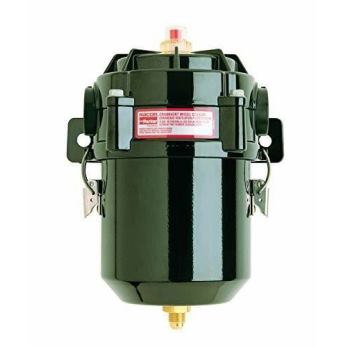
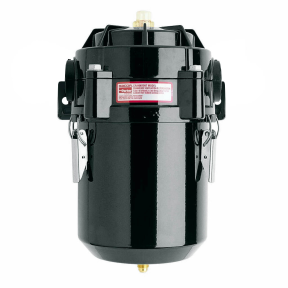
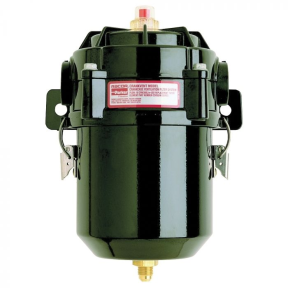
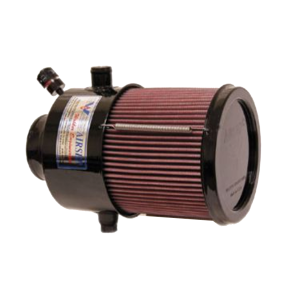
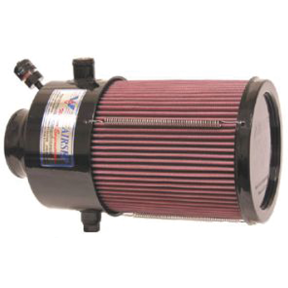
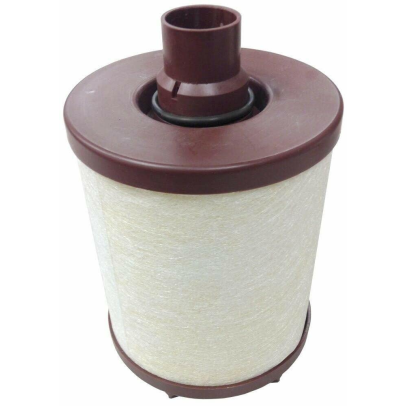
A closed crankcase ventilation system connects to the engine crankcase through dedicated hoses. Blow-by gases enter a filter housing, where an oil-separating element removes oil mist and particulates before the cleaned airflow returns to the intake. Captured oil may drain back to the engine when the selected system supports oil return.
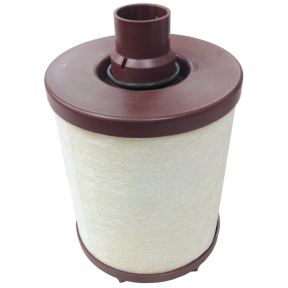
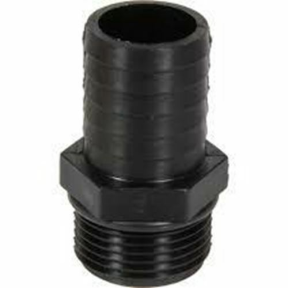
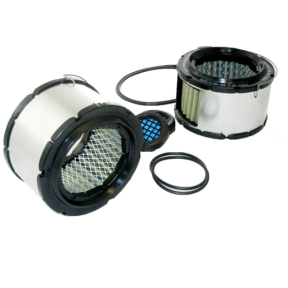
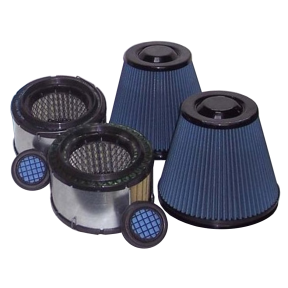
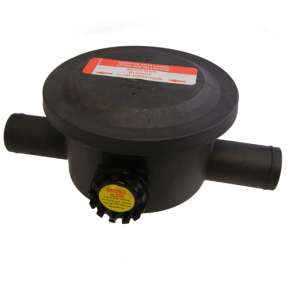
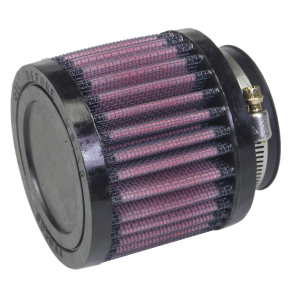
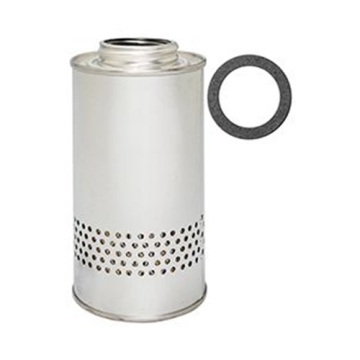
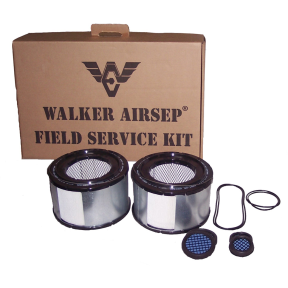
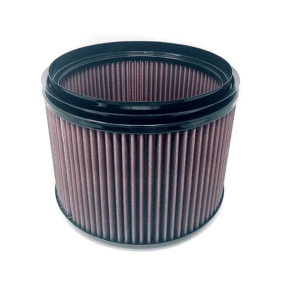
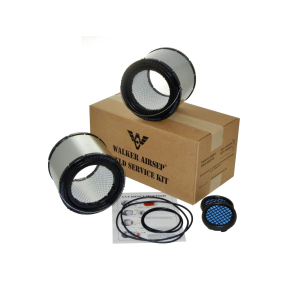
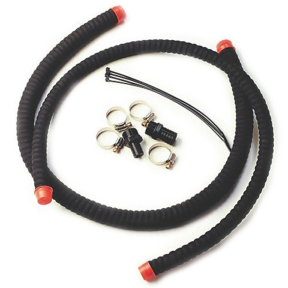
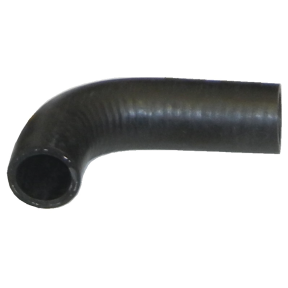
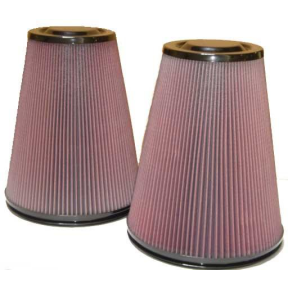
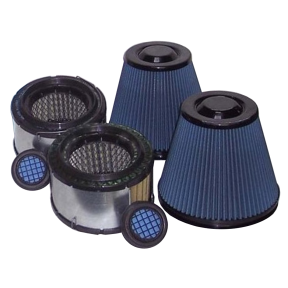
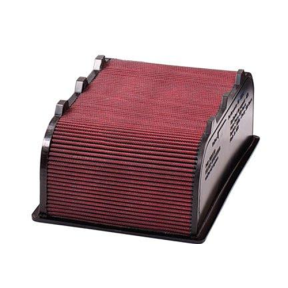
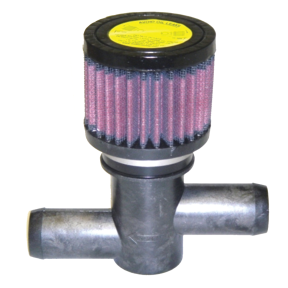
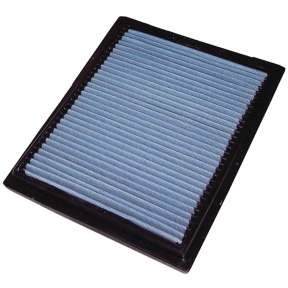
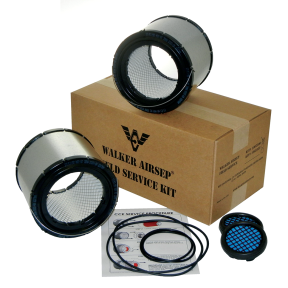
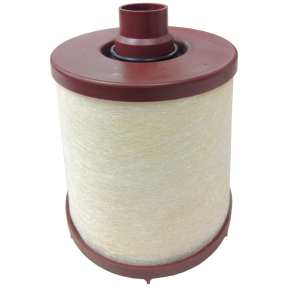
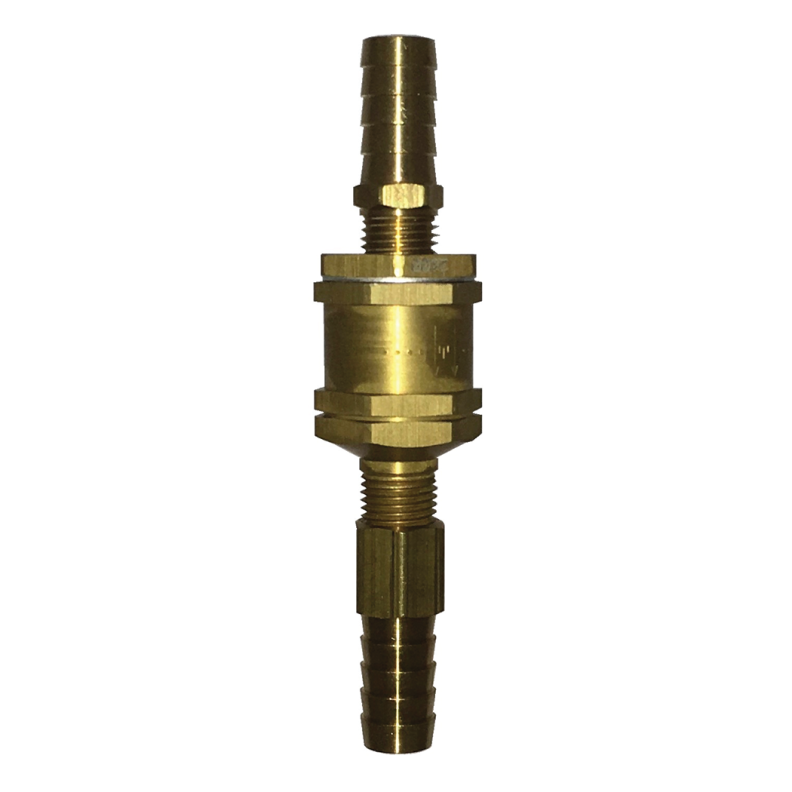
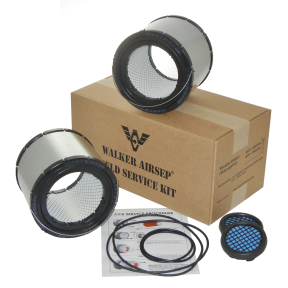
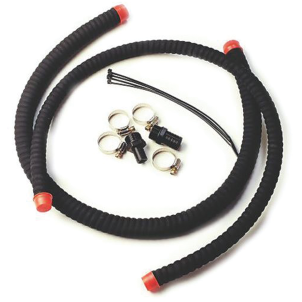
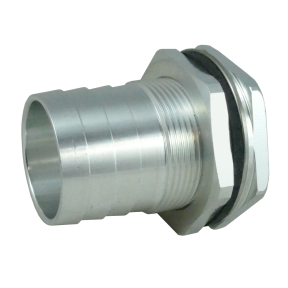
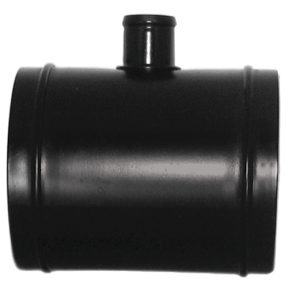
Available product categories include complete marine CCV filter kits, oil-air separator assemblies, replacement filter elements, hoses, fittings, and related ventilation components from Walker Airsep and Racor.
Marine CCV Features and Benefits
| Category | Feature or Benefit | Function |
|---|---|---|
| Oil-Mist Filtration | High-efficiency separation | Captures oil droplets and suspended particulates from crankcase gases. |
| Oil-Mist Filtration | Coalescing filter media | Combines fine oil droplets so collected oil can drain from the airflow. |
| Oil-Mist Filtration | Replaceable elements | Supports scheduled service without replacing the complete housing. |
| Engine and Vessel Benefits | Cleaner engine spaces | Limits oily residue in engine rooms, bilges, and cabins. |
| Engine and Vessel Benefits | Crankcase-pressure control | Helps reduce pressure-related oil seepage when correctly sized and maintained. |
| Engine and Vessel Benefits | Oil recovery | Retains oil mist that an open ventilation system may release. |
| Engine and Vessel Benefits | Emission control | Reduces the discharge of crankcase vapors into surrounding air or water. |
How to Choose a Marine Crankcase Ventilation System
- Confirm the engine brand, model, displacement, operating load, and manufacturer requirements.
- Match the separator’s airflow capacity and allowable backpressure to the engine specification.
- Check hose diameter, port location, mounting clearance, and oil-drain compatibility.
- Determine whether the application needs a complete CCV kit or a replacement filter element.
- Review applicable marine engine emission and installation requirements before purchase.
Do not select a crankcase ventilation filter by hose size alone. Engine airflow, blow-by volume, backpressure limits, mounting position, and service access are related compatibility factors.
Frequently Asked Questions
What does a closed crankcase ventilation system do on a marine engine?
A closed crankcase ventilation system separates oil mist and particulates from engine blow-by gases, then routes the filtered airflow back to the intake. This process limits oily residue in the engine room, supports crankcase-pressure control, and reduces the release of hydrocarbon vapors around the vessel.
How do I choose the correct CCV system for my marine engine?
Choose a CCV system using the engine manufacturer’s airflow capacity, blow-by volume, backpressure limit, hose connections, and mounting requirements. Engine brand, model, displacement, and operating load also affect selection. Verify that the filter housing and oil-drain arrangement fit the available engine-room space.
What is the difference between an oil-air separator and a catch can?
An oil-air separator uses filter media or coalescence to remove fine oil droplets from crankcase airflow and may return collected oil to the engine. A catch can stores condensed oil and contaminants for manual draining. The correct option depends on engine design, ventilation routing, and maintenance requirements.
How are Walker Airsep and Racor CCV filter elements serviced?
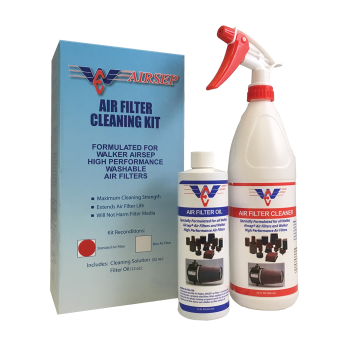
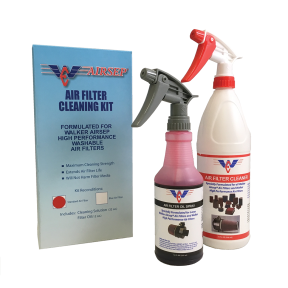
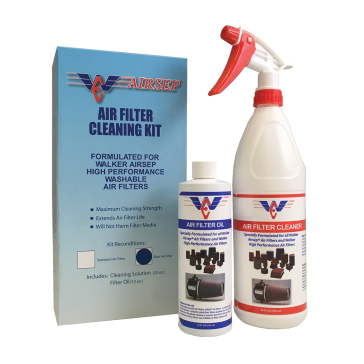
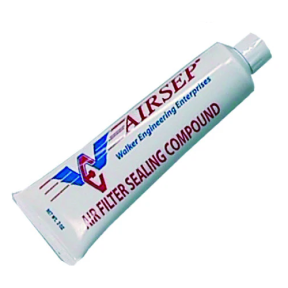
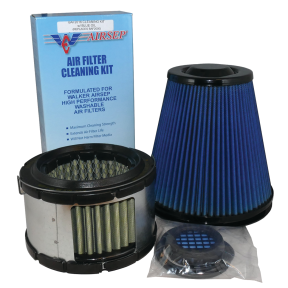
Service procedures depend on the system design. Racor CCV systems typically utilize replaceable coalescing filter elements that must be swapped at regular service intervals. Traditional Walker Airsep units feature washable air filter elements that can be cleaned and re-oiled using a dedicated cleaning kit, though internal check valves and regulator components should still be inspected periodically. Always check manufacturer instructions for exact service steps.
What are the signs that a marine CCV filter needs service?
Common service indicators include increased crankcase pressure, oil seepage at seals, visible oil mist, unusual intake restriction, or residue around ventilation connections. A filter may also require replacement or cleaning at the manufacturer’s stated interval. Inspect hoses, clamps, drains, and the filter housing during routine engine maintenance.
Are closed crankcase ventilation systems required on modern marine engines?
Many modern marine engines use closed crankcase ventilation as part of their original emission-control and intake design, but requirements vary by engine and jurisdiction. Follow the engine manufacturer’s documentation and applicable regulations. Do not convert an open system without checking crankcase pressure, airflow, vacuum limits, and intake compatibility.