


















Marine VHF Radios and Accessories
Marine VHF radios support onboard communication with nearby boats, marinas, and, where applicable, authorities such as the U.S. Coast Guard. Choose a handheld or fixed-mount radio based on your boat and intended use, then check its features, antenna, power, and installation requirements.
At a Glance: What to Consider
- Choose handheld VHF for portability or backup, or fixed-mount VHF for primary onboard communication.
- Compare features such as Digital Selective Calling (DSC), GPS, waterproofing, display visibility, and battery life.
- For a fixed installation, consider antenna height and quality, mounting hardware, wiring, circuit protection, and grounding.
- Match accessories such as speakers, microphones, hailers, headsets, and spare battery packs to how you use the radio.
Marine VHF Radios and Related Equipment
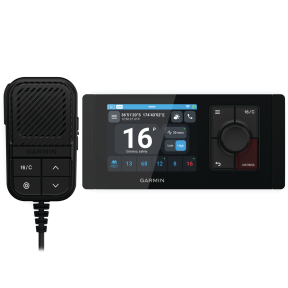
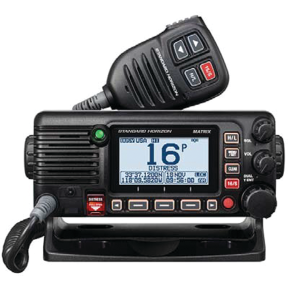
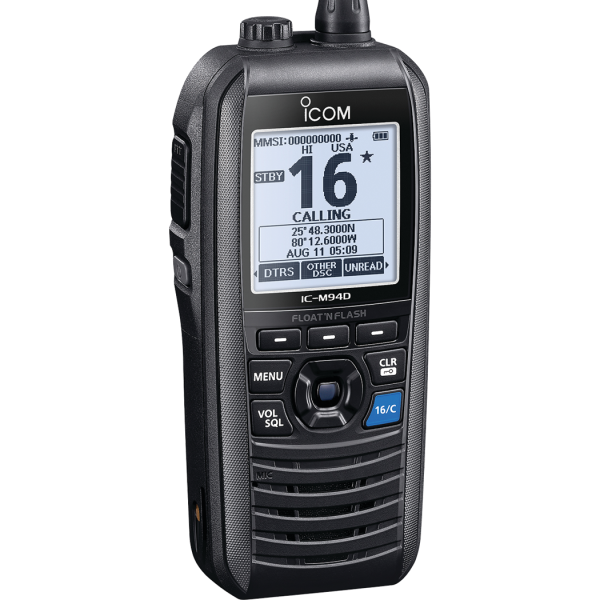
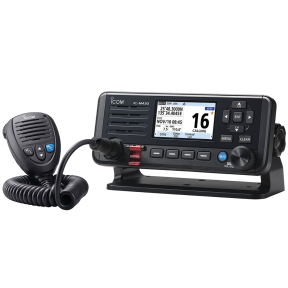
Fisheries Supply offers handheld and fixed-mount marine radios from brands including Icom, Standard Horizon, and Garmin, along with equipment for completing an installation.
How Marine VHF Radios Support Communication
A dedicated marine VHF radio provides a way to contact nearby boats, marinas, and, where applicable, authorities such as the U.S. Coast Guard. Handheld radios can provide portable communication and backup, while fixed-mount radios are used for primary onboard communication. Hailers and microphones can support communication around the deck, and headsets or external speakers may suit noisy boats.
Types of Marine VHF Radios
| Radio type | Power and range | Typical uses | Features and considerations |
|---|---|---|---|
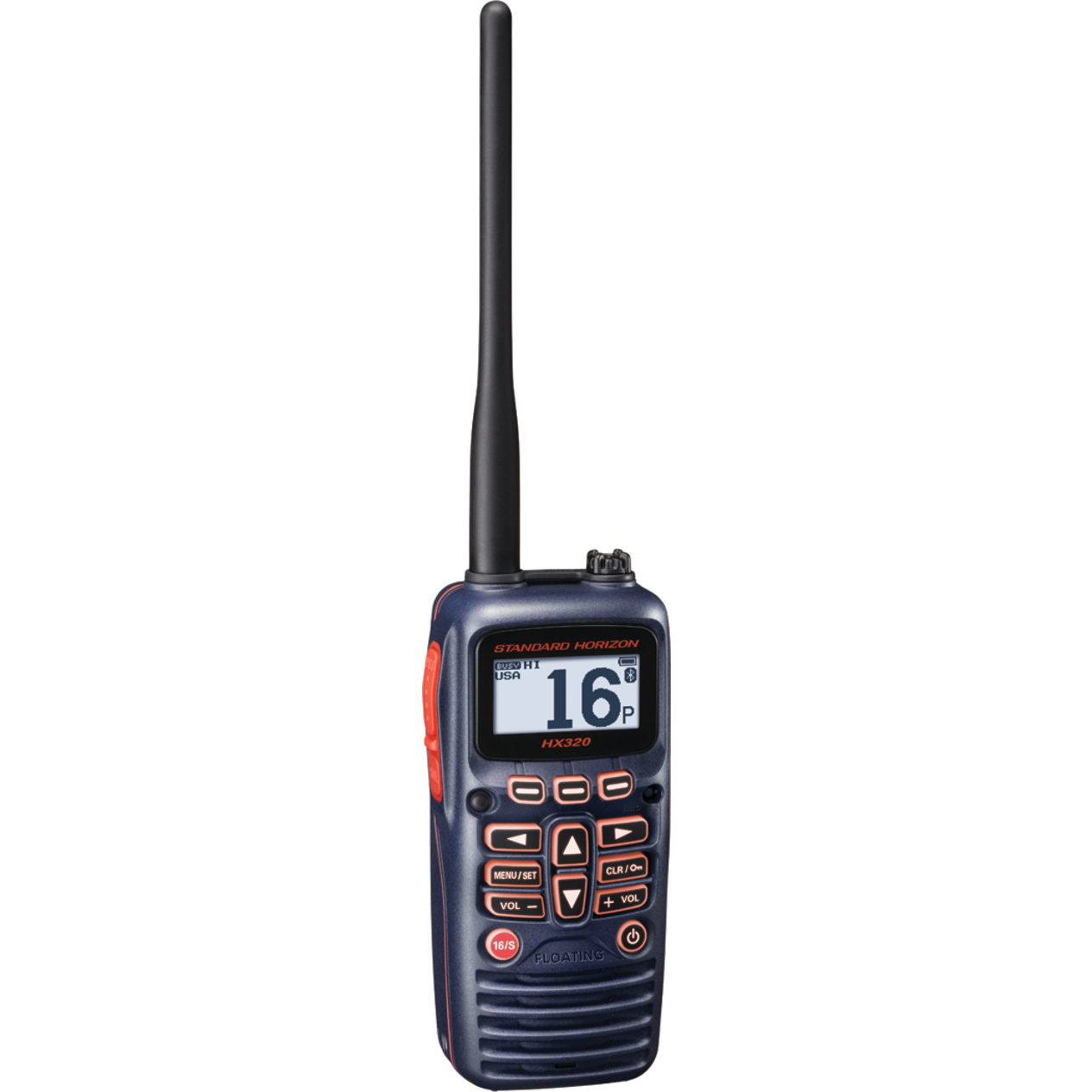
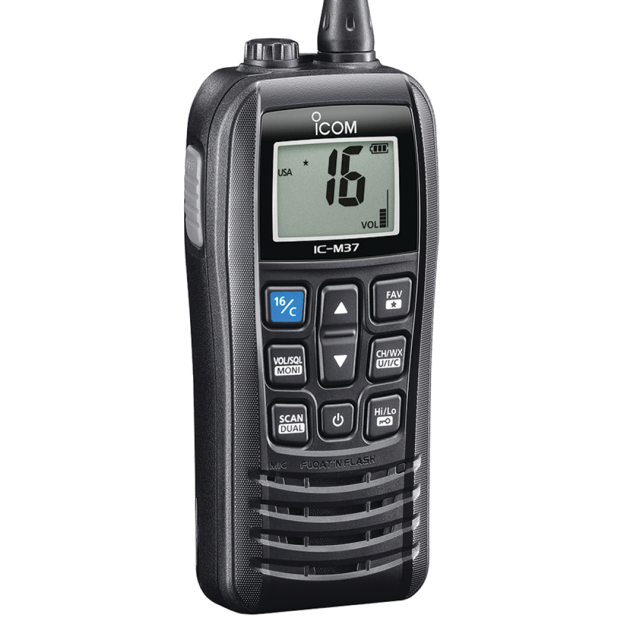
| Handheld VHF radio | Compact and battery-powered. Typically limited to 5 or 6 Watts of transmission power (switchable down to 1 Watt) to conserve battery life. | Portable use on deck or in a dinghy, or as an emergency backup at the navigation station. Can suit smaller boats, open runabouts, and tenders where a full-size radio is difficult to mount. | Many models float and have bright displays. Some include built-in GPS and Digital Selective Calling (DSC); check the individual product details. |
| Fixed-mount VHF marine radio | Connects to the boat’s DC system for continuous use and outputs up to the legal maximum of 25 Watts for extended operational range. With a properly installed external antenna at a suitable height, it can provide greater range. | Primary onboard communication on boats such as center consoles, cruising sailboats, trawlers, and commercial fishing boats. | Compare power, interface options, and form factor with the intended installation. Antenna installation and height affect range. |
Features to Compare
When comparing radios, consider features that affect safety, readability, and day-to-day use on board. Check each model’s specifications, since features vary.
| Feature | What to check | Why it matters |
|---|---|---|
| Waterproofing and floating design | For handheld radios, check waterproofing and whether the unit floats. Some models have a strobe or backlight that activates in the water. | Floating design can make a dropped radio easier to retrieve, while a water-activated light can improve visibility during recovery. |
| Display visibility and controls | Look for a bright, sunlight-readable display with clear characters and glove-friendly controls. | A readable display helps you check channels, power level, and GPS position. Easy-to-use controls may help in rough conditions or low light. |
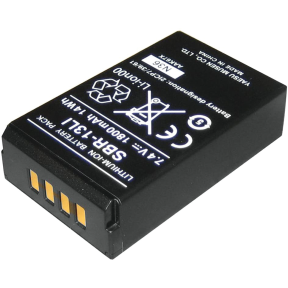
| Battery life and power | For handheld units, check battery life under your expected transmit time and power settings. A lithium-ion battery may provide 8 to 20 hours on a single charge. Consider a spare battery pack or charging cradle. | Battery life varies with use and settings. Spare power or charging options can help keep the radio ready. |
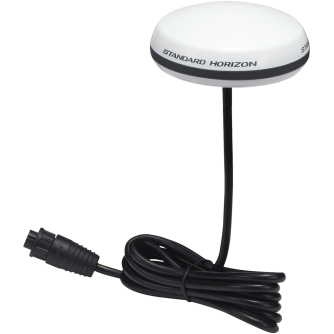
| DSC and GPS integration | Check whether the radio has internal GPS or supports connection to an external GPS through compatible marine networking protocols. | Digital Selective Calling (DSC) can send digitally formatted distress alerts, including vessel identity and GPS position, to other DSC-equipped radios and rescue resources. |
Installation, Antennas, and Accessories
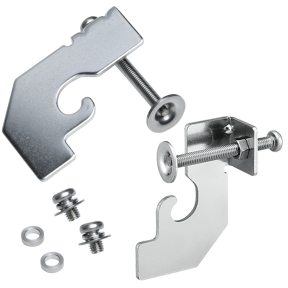
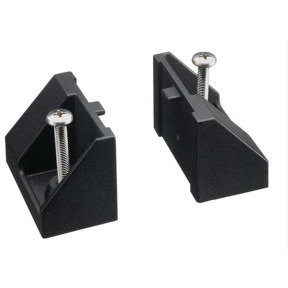
A fixed-mount VHF installation may require brackets, mounting hardware, wiring, circuit protection, and grounding. Check the requirements for the selected radio and the layout of your boat.
Antenna height and quality affect radio performance. Match the antenna and mount to the radio and installation, and consider antenna placement when evaluating expected range. Browse VHF antennas and mounts for installation options.
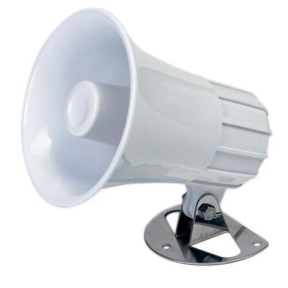
- External speakers can provide louder audio in open cockpits.
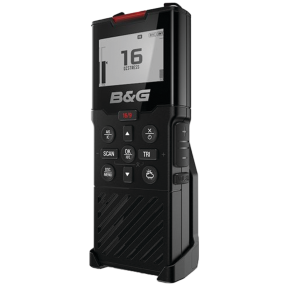
- Wired or wireless microphones can support helm or flybridge control.
- Hailers can be used for communication on the foredeck or at the dock.
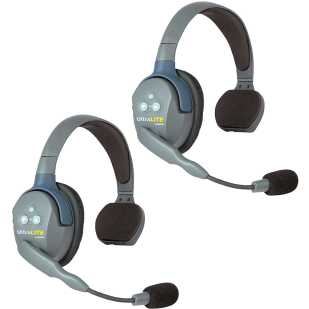
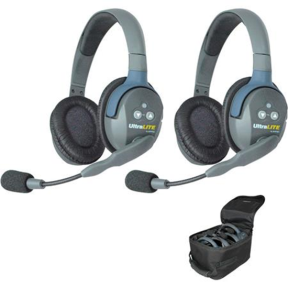
- Headsets may suit hands-free use or situations where hearing protection is needed.
A fixed-mount VHF setup needs appropriate DC power wiring, circuit protection, and grounding. Proper DC negative wiring, high-quality coaxial cabling, and secure antenna mounting are essential to minimize electrical interference and signal loss. In specialized installations, chassis or RF grounding straps may be used to mitigate stray feedback.
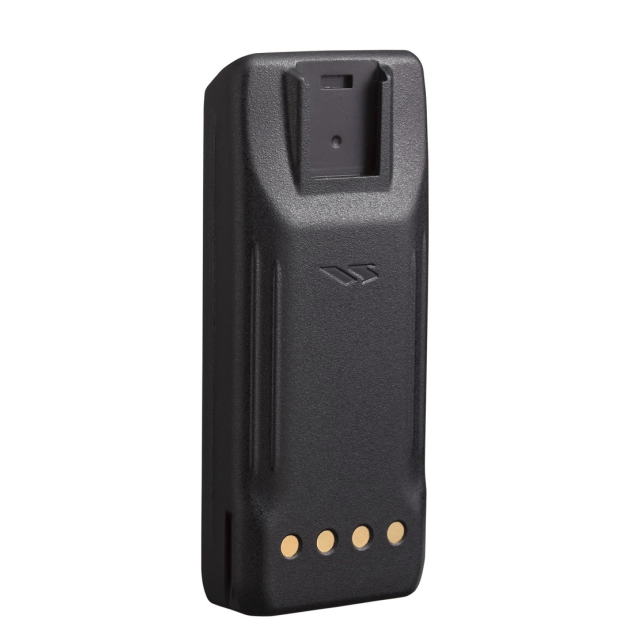
For handheld radios, spare battery packs and charging solutions provide portable backup. Keeping a charged handheld in a grab bag or ditch kit can provide an option if the boat’s main electrical system is compromised.
Frequently Asked Questions
What is the difference between a handheld and a fixed-mount VHF radio?
Handheld VHF radios are portable and battery-powered, making them suitable for smaller boats or as backups. Fixed-mount radios typically provide higher transmission power and require a dedicated power source.
Do I need a license to use a VHF marine radio?
In the U.S., recreational boaters operating domestically do not need an FCC ship station license. However, an FCC license is required if you travel to foreign ports (such as Canada) or operate commercial radio equipment.
What is DSC on a VHF radio?
Digital Selective Calling (DSC) allows boaters to send automated distress signals with their location to other DSC-enabled radios and the U.S. Coast Guard.
How far can a VHF radio transmit?
Range depends on antenna height and power output. Handheld VHF radios typically reach 3–5 miles, while fixed-mount radios with an external antenna can reach 20 or more miles.
What accessories do I need for my VHF radio?
Common accessories include external speakers, microphones, VHF antennas, mounting brackets, and battery packs for handheld radios. Choose accessories that are compatible with your radio and installation.