
Shrimp Pots and Traps
Shrimp pots and traps are baited enclosures used to catch shrimp on the seabed in recreational and commercial shrimping. Choose a trap that suits your storage space, deployment method and fishing conditions, then check that its line, weights and retrieval equipment are compatible.
Shrimp Trap Materials and Construction
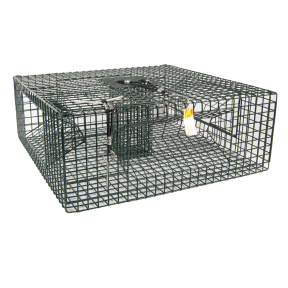
Shrimp traps may use stainless steel or synthetic materials. Compare the construction of the individual trap rather than assuming that its material alone determines durability, suitability for strong currents or performance during extended soak times.
Comparing Shrimp Trap Styles
| Trap Style | Practical Consideration | What to Check |
|---|---|---|
| Square Traps | A square shape can make stacking and storage convenient. | Check interior space, bait placement and whether the specific trap can be stacked. |
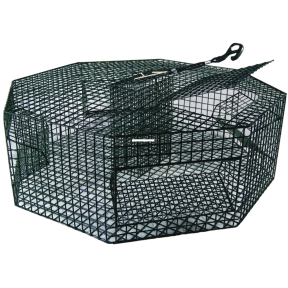
| Octagonal Traps | These traps offer another layout for seabed placement and shrimp entry. | Compare weighting and entrance arrangement; shape alone does not establish stability in currents. |
| Collapsible Traps | Fold flat when not in use to reduce storage space. | Compare folded dimensions, assembled weight and handling requirements. |
Shrimp Pot Rigging and Accessories
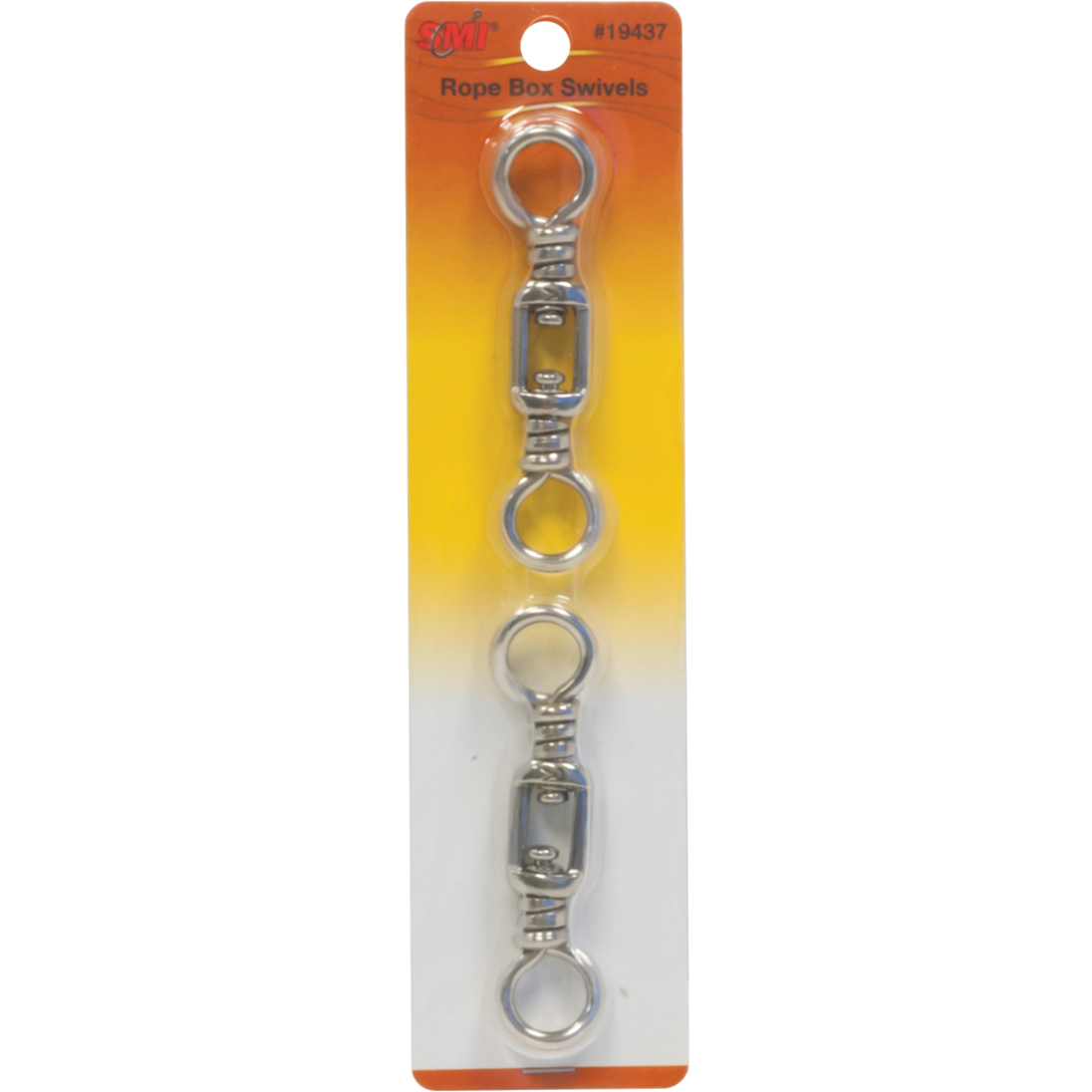
Supporting equipment helps position, mark and retrieve shrimp pots. Choose accessories that fit the trap and work with the rest of the rigging.
| Accessory | Purpose | What to Check |
|---|---|---|
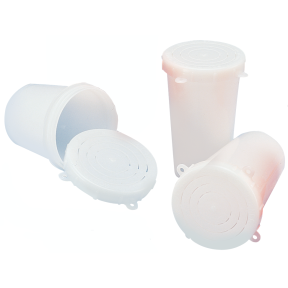
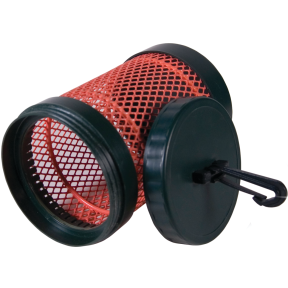
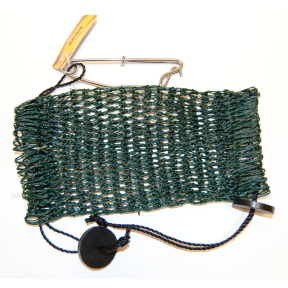
| Bait Containers | Hold bait inside the trap. | Check container dimensions, mounting position and closure. Do not assume that a bait barrel fits every trap. |
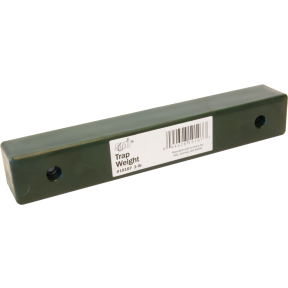
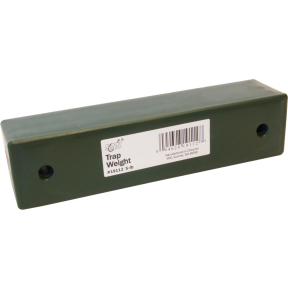
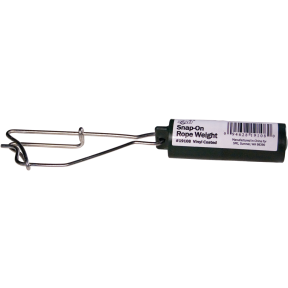
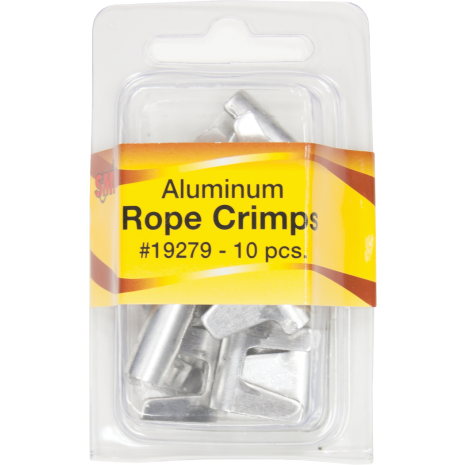
| Weights | Help keep traps positioned on the seabed. | Consider currents and swell when assessing the trap's weighting. |
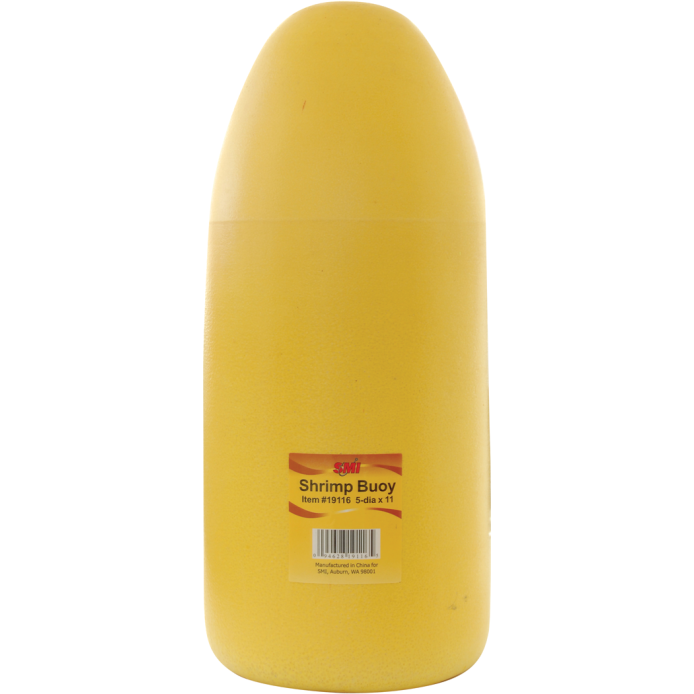
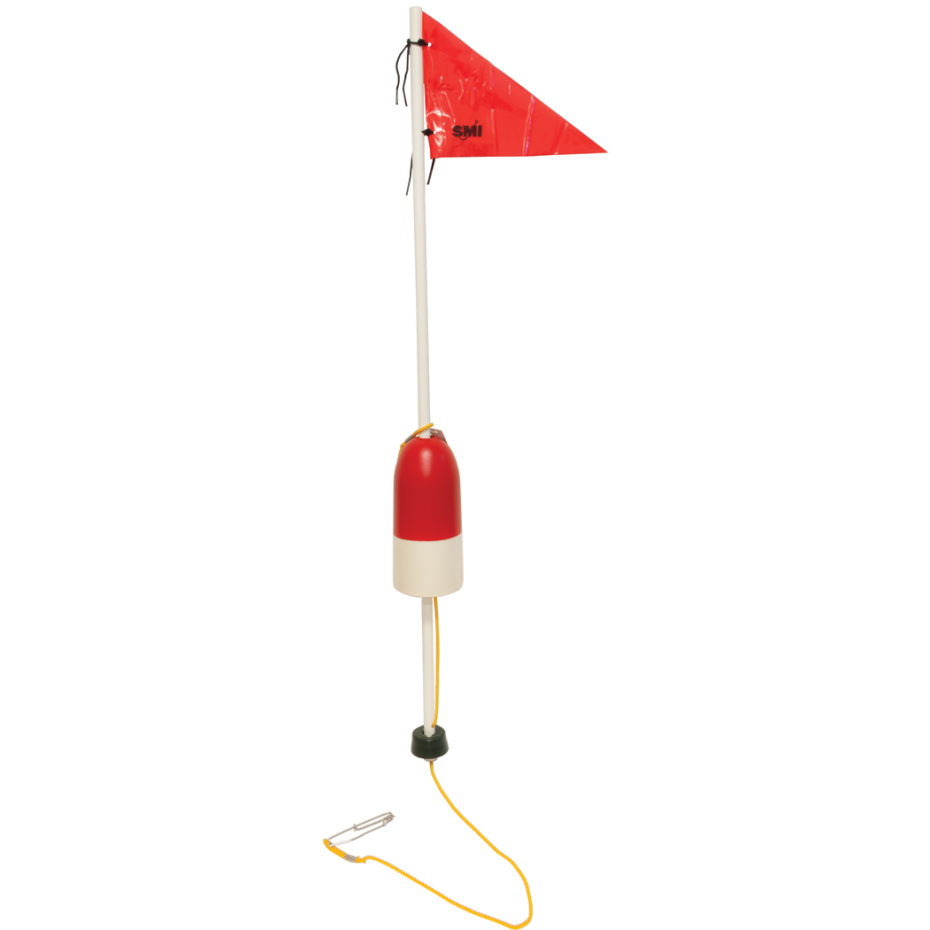
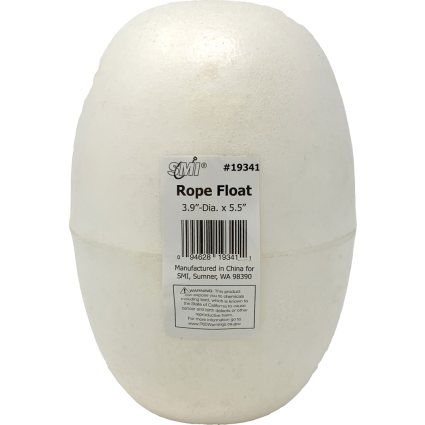
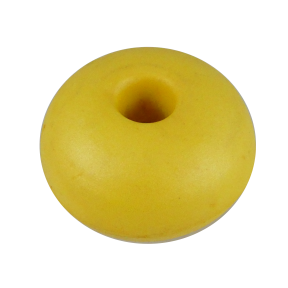
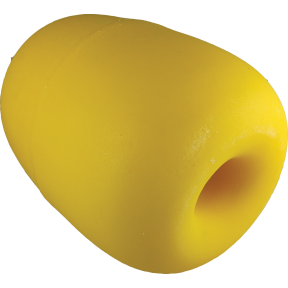
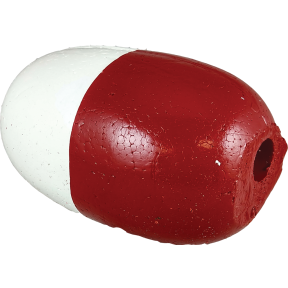
| Buoys | Mark trap locations for identification and recovery. | Include location marking in the deployment setup. |
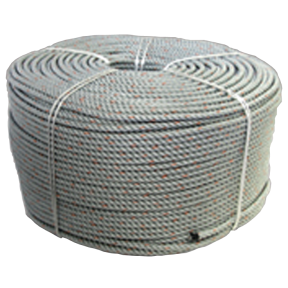
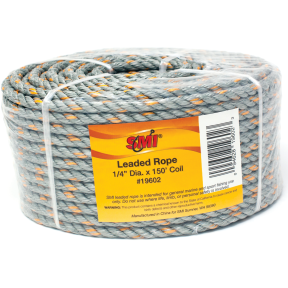
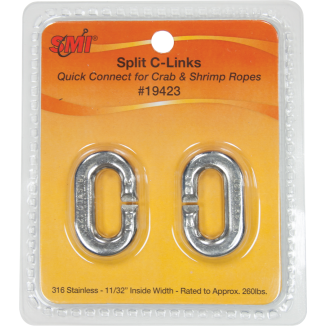
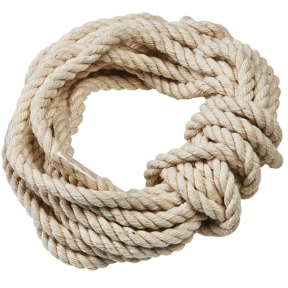
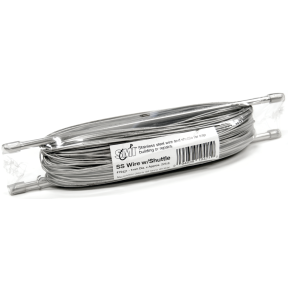
| Leaded Ropes | Sinking lines help reduce floating slack in the rigging. | Check line compatibility with retrieval equipment. Sinking line does not eliminate propeller-entanglement risk. |
Choosing Pot Retrieval Equipment
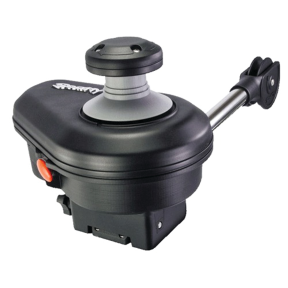
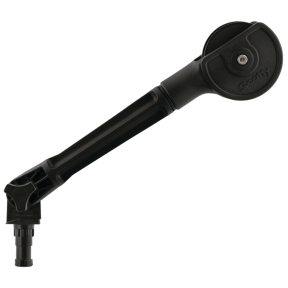
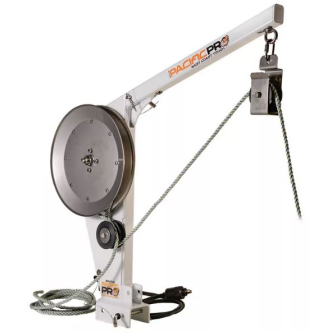
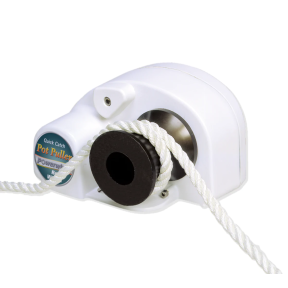
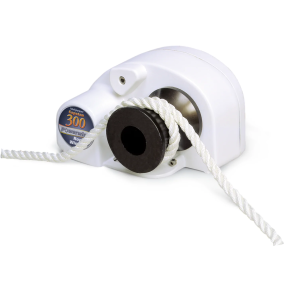
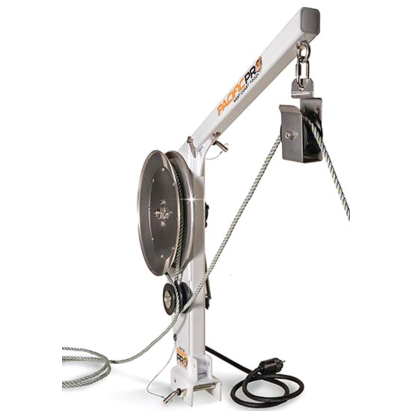
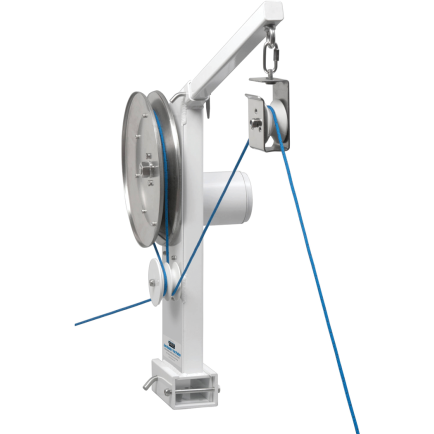
Manual and electric pot pullers are options for retrieving shrimp pots. Compare the expected hauling load, fishing depth and number of traps being retrieved when assessing a puller's suitability.
For an electric puller, confirm the manufacturer's specified power requirements, rated capacity and compatible line sizes for the exact model. Do not apply one puller's voltage, retrieval speed or capacity to all models.
Gloves for Trap and Catch Handling
Handling gloves help protect hands while working with pots, lines and catches. Include them when preparing equipment for deployment and retrieval.
Shrimp Pots for Repeated Deployment
For repeated recreational or commercial use, compare trap construction, handling requirements and compatibility with your retrieval setup. Review each model's intended application before selecting it for demanding conditions.
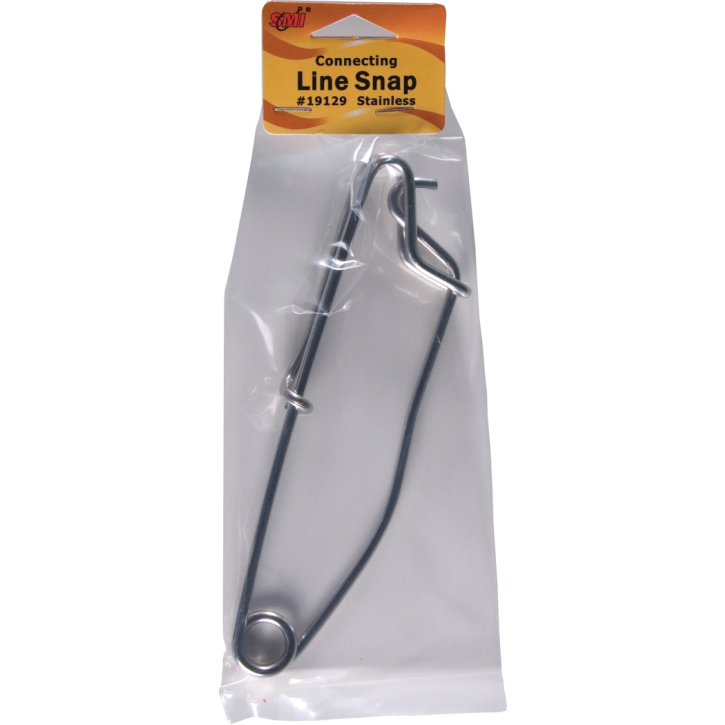
Browse SMI / Beau Mac shrimping gear to compare pots, traps and supporting equipment.
Frequently Asked Questions
What are shrimp pots and traps used for?
Shrimp traps and pots are used in recreational and commercial shrimp fishing to capture shrimp on the seabed using baited enclosures.
What materials are shrimp traps typically made from?
Shrimp traps are commonly constructed from durable materials such as stainless steel or synthetic fibers to withstand demanding marine environments.
What is the difference between square and octagonal shrimp traps?
Square traps maximize interior space and are easier to stack, while octagonal traps offer improved stability on the seabed and may include multiple entrances.
Why are leaded ropes used with shrimp traps?
Leaded ropes are sinking braided lines used to haul shrimp traps while keeping rigging below the surface and away from boat propellers.
How do I choose between a manual and an electric pot puller?
Manual pot pullers are cost-effective and suitable for light-duty recreational use on small boats. Electric pullers, powered by a 12V system, are better for medium to heavy-duty applications, reducing physical strain and increasing retrieval speed—often averaging speeds of 100 to 120 feet per minute under normal working loads.
What weight capacity should I look for in a line hauler?
Weight capacity depends on the depth and the number of traps you are pulling simultaneously. Most recreational electric pullers offer a continuous pulling capacity between 80 and 110 lbs, which is sufficient for hauling 1 to 3 weighted shrimp traps. For deeper water or multi-trap tandem rigs, select heavy-duty models rated up to 120–140 lbs of pulling power with appropriately rated marine circuit breakers.
Are there specific line requirements for shrimping gear?
Most shrimping setups utilize leaded or "sink" line to ensure the rope stays on the bottom and doesn't float into boat propellers or entangle marine life. Standard equipment like the Scotty Line Puller is designed to accommodate line sizes ranging from 1/4” to 3/8”.
How do I ensure my catch stays secure in the trap?
Using a dedicated bait container, such as a bait jar or barrel with a secure snap, ensures that your attractant is not easily consumed by predators outside the trap. Additionally, utilizing weighted traps or snap-on rope weights helps keep the gear properly positioned on the seafloor during tidal shifts.
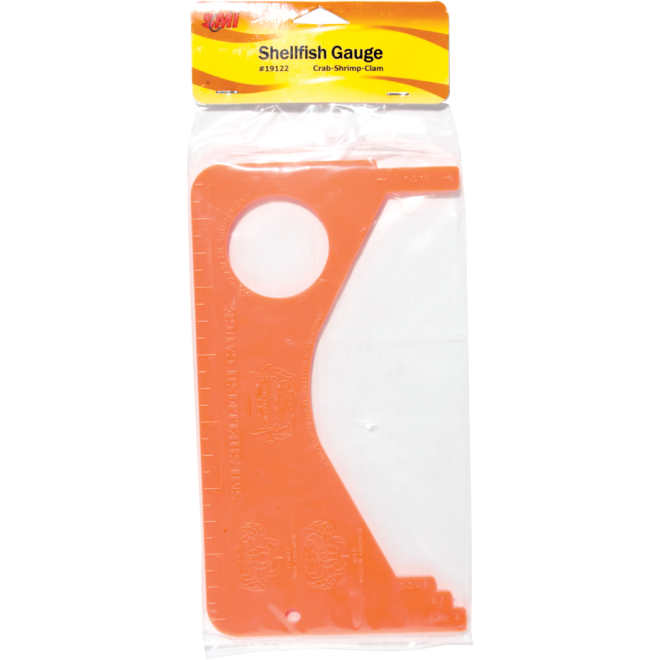
What tools are needed to verify the legality of my catch?
Checking local fish and wildlife regulations is essential, as harvests are typically governed by daily possession limits, species identification, and seasonal closures. Additionally, most jurisdictions require traps to feature escape mechanisms bound with untreated cotton rot cord (biodegradable escape thread), ensuring trapped marine life can escape if gear is lost.