Marine Engine Oil and Lubricants: A Selection Guide for Boaters
Marine engine oil lubricates gasoline, diesel, and outboard engines operating under sustained loads and in moisture-prone conditions. To choose oil for a boat motor, start with the engine type and manufacturer’s requirements, then check the oil certification and approved viscosity.
Marine Engine Oil: Key Takeaways
Why Marine-Specific Lubrication Matters
Marine engines can run at sustained RPM and variable loads while exposed to humidity and corrosion. Marine oil formulations address lubrication needs such as viscosity retention, aeration control, and rust protection. The correct product still depends on the engine manufacturer’s specifications.
Choose Oil by Engine Type and Specification
| Engine or application | Oil specification or category | What to confirm |
|---|---|---|
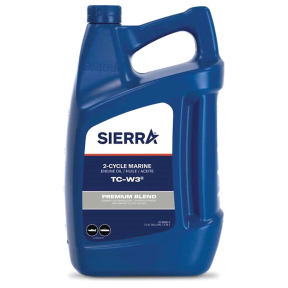
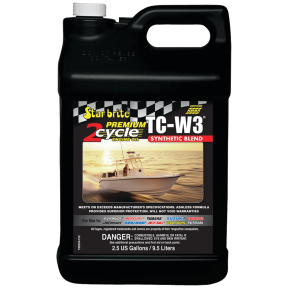
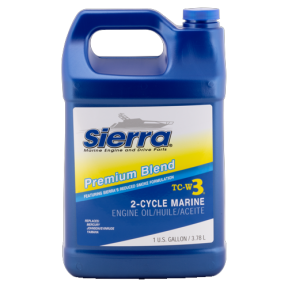
| Water-cooled two-stroke outboard | NMMA TC-W3 | Check the engine manual and the TC-W3 mark on the oil label. |
| Four-stroke outboard, inboard, or sterndrive | NMMA FC-W where specified | Confirm the manufacturer’s oil specification and approved viscosity. |
| Engine requiring catalyst-compatible oil | FC-W (CAT) where specified | Check the engine manual for its catalyst-compatible oil requirement. |
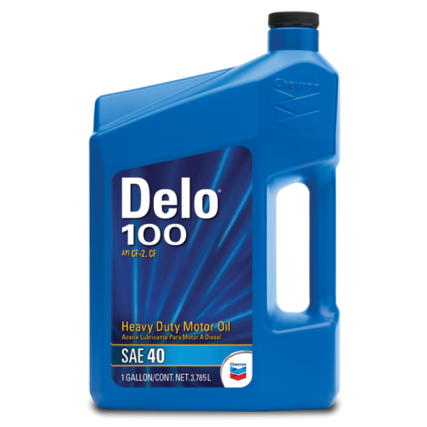
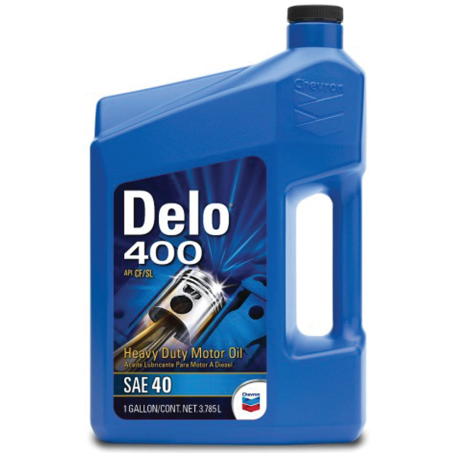
| Marine diesel engine | Diesel formulation meeting the engine manufacturer’s requirements | Check the required oil specification and viscosity in the engine manual. |
How to Choose Marine Engine Oil
| Step | What to check | What to consider |
|---|---|---|
| 1. Identify the engine and required certification | Engine type and oil specification | Determine whether the engine is a two-stroke outboard, four-stroke outboard, inboard, sterndrive, or diesel. Match the oil label to the specification in the engine manual, including any catalyst-compatible requirement. |
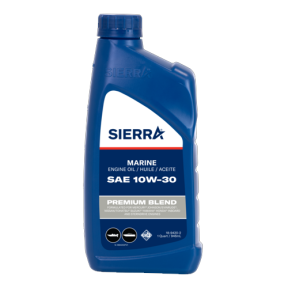
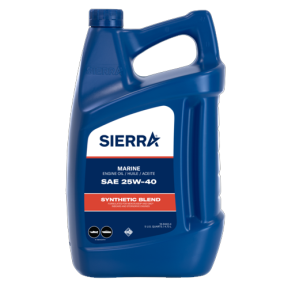
| 2. Match viscosity to the manual and operating conditions | Approved viscosity, temperature, load, and sustained high-RPM operation | Marine oil grades include SAE 10W-30, 25W-40, and 25W-50. Use a grade only when the engine manufacturer approves it. |
| 3. Consider formulation and service needs | Additives, synthetic blends, and oil analysis | Marine oil additives can address corrosion, deposits, foaming, and aeration. Synthetic blends are another formulation option. Oil sampling and lab analysis can help track fuel dilution, coolant contamination, and wear metals. |
Oils, Service Parts, and Analysis Supplies
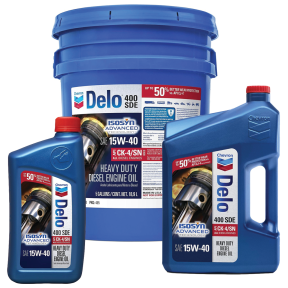
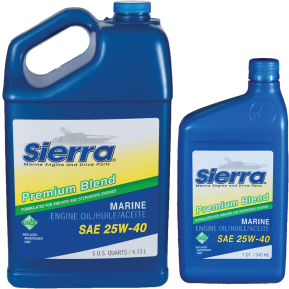
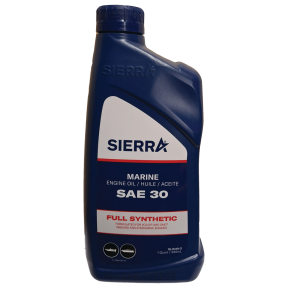
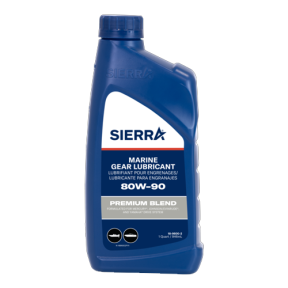
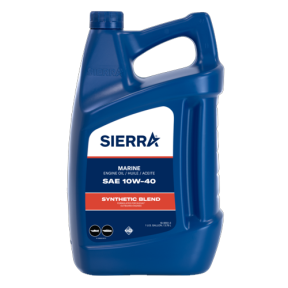
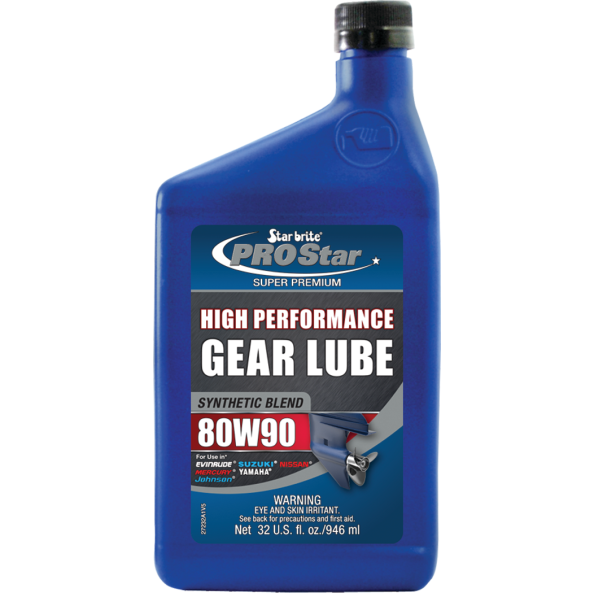
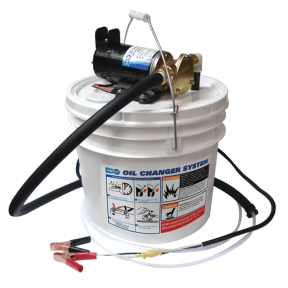
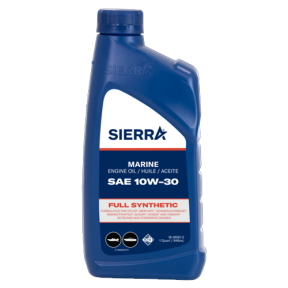
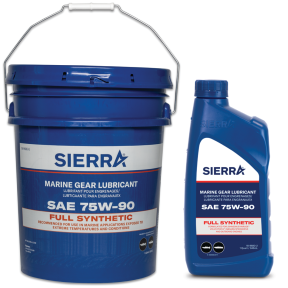
Fisheries Supply carries marine engine lubrication products, including Sierra oils and service supplies.
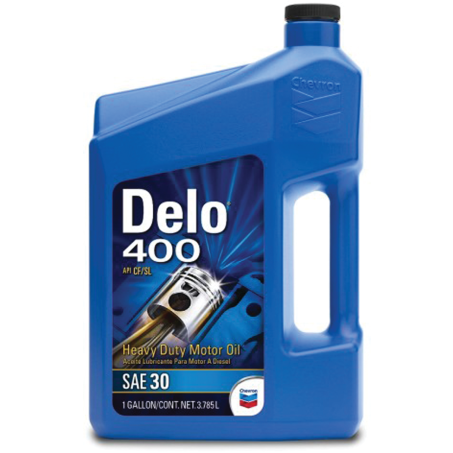
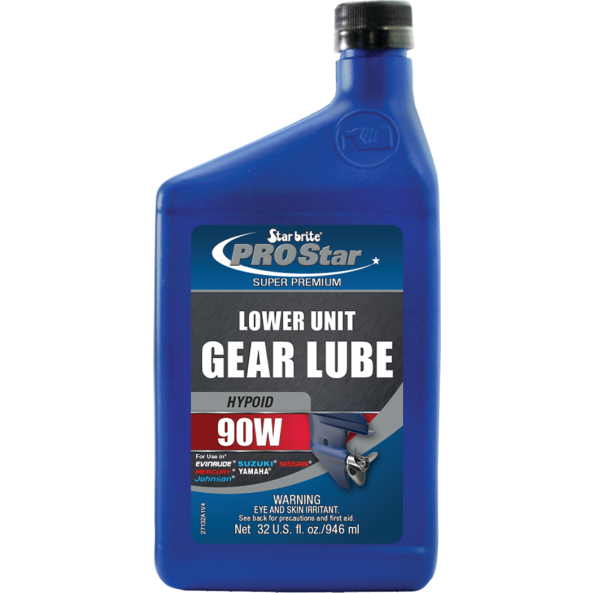
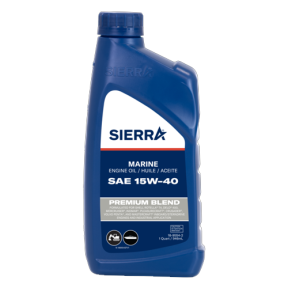
- Engine oils: Two-stroke TC-W3 oils, four-stroke FC-W and FC-W (CAT) oils, and diesel formulations.
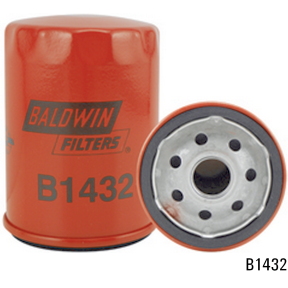
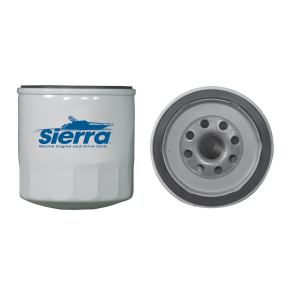
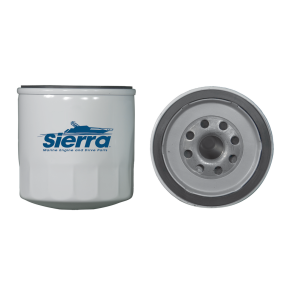
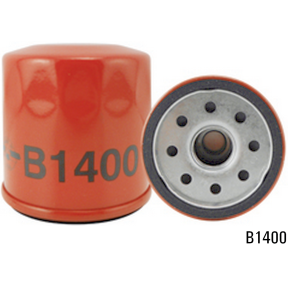
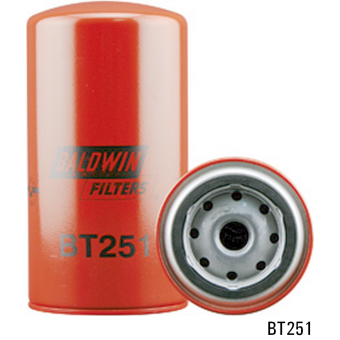
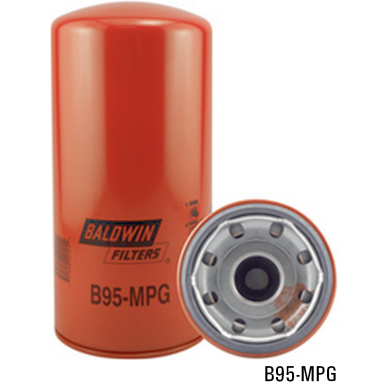
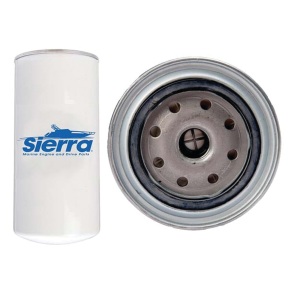
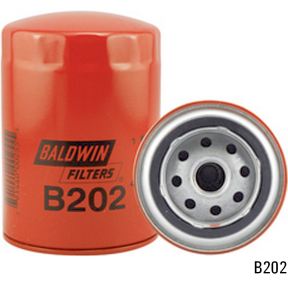
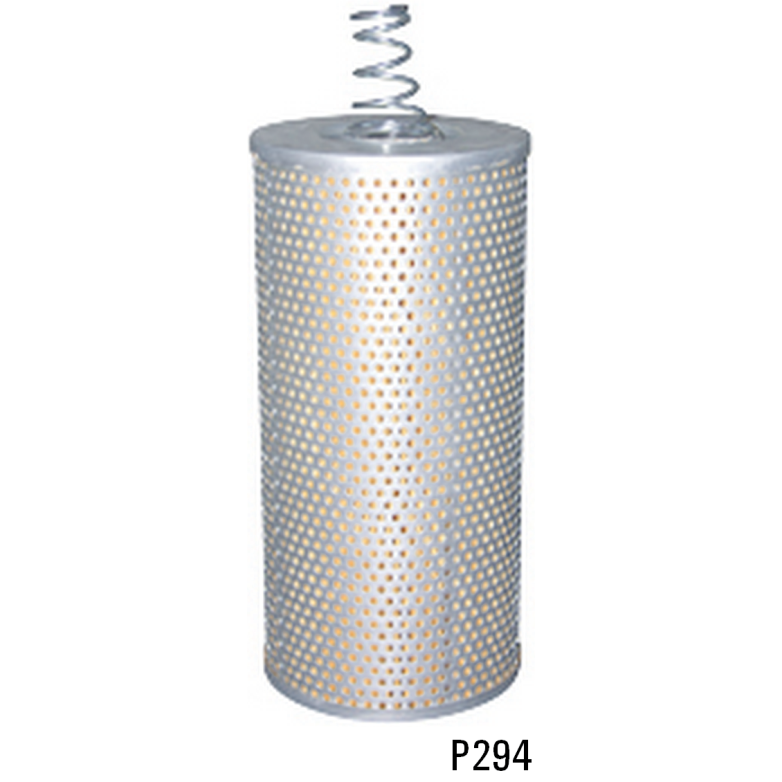
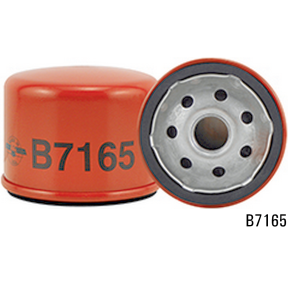
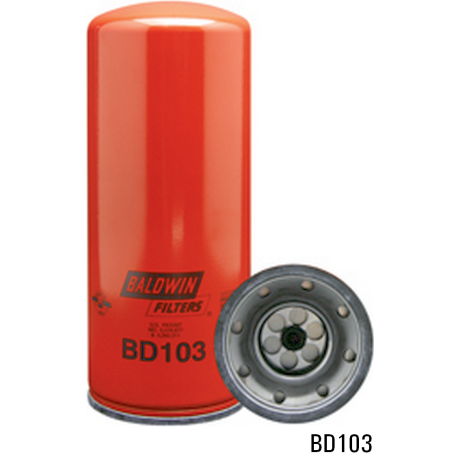
- Service parts: Oil filters, coolers, drain pans, and related supplies.
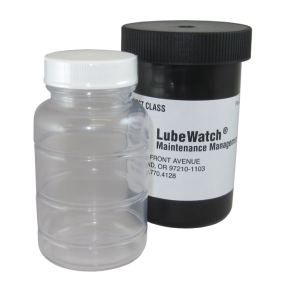
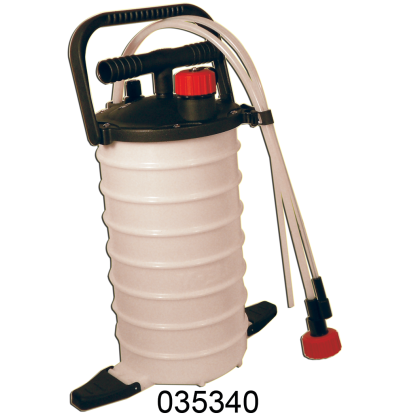
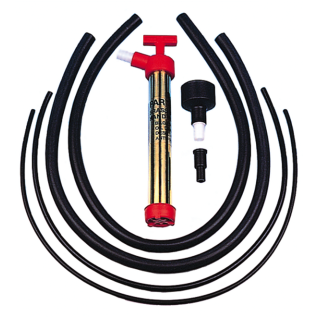
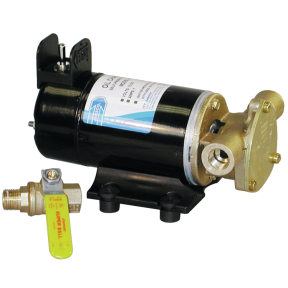
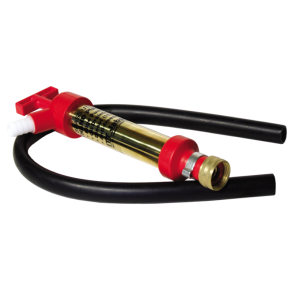
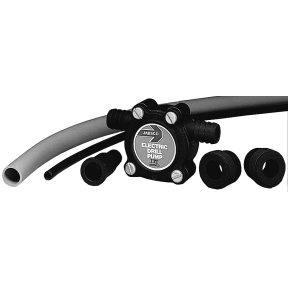
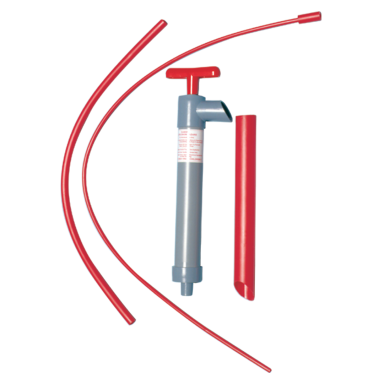
- Condition monitoring: Sampling pumps and oil analysis kits.
- Related products: Fuel additives for applicable engine service needs.
Marine Oil Pre-Purchase Checklist
- Confirm the engine type and the manufacturer’s required oil specification.
- Check the applicable NMMA certification on the oil label.
- Match the viscosity grade to the engine manual and operating conditions.
- Identify the correct filter, gaskets, and oil-change supplies.
- Consider an oil analysis kit if monitoring engine condition or evaluating service intervals.
Frequently Asked Questions
What is the difference between TC-W3 and FC-W marine oil?
TC-W3 is a certification for oils used in applicable water-cooled two-stroke outboard engines. FC-W applies to qualifying four-stroke marine oils. The certifications address different engine applications, so the two labels are not interchangeable selection criteria. Check the engine manual and the certification printed on the oil container before buying.
When does a boat engine need FC-W (CAT) oil?
Use FC-W (CAT) when the engine manufacturer specifies a catalyst-compatible marine oil. The designation identifies oil intended for applicable engines with emissions components. An FC-W label alone does not establish that an oil meets an FC-W (CAT) requirement. Confirm the exact specification in the engine manual and on the product label.
Which marine engine oil viscosity should I use in warm weather?
Use a viscosity grade approved by the engine manufacturer for the expected temperature and operating conditions. The source content lists SAE 10W-30, 25W-40, and 25W-50 as marine oil examples. Warm weather or heavy loads alone do not establish the correct grade for a particular engine; consult its viscosity chart.
Can oil analysis help maintain a recreational boat engine?
Oil analysis can help a recreational boater monitor engine condition over time. A lab report may identify fuel dilution, coolant contamination, or unusual wear metals that warrant investigation. Results are most useful when compared with earlier samples from the same engine. Follow the manufacturer’s service schedule unless a qualified technician advises otherwise.
Can I mix different marine engine oil brands?
For a top-up, first look for oil that meets the same engine manufacturer requirements, certification, and viscosity as the oil already in use. The source content advises using the same specification when mixing is unavoidable. Check the product labels and engine manual, then plan an oil change if the combination raises compatibility concerns.
How do I choose oil for a marine diesel engine?
Choose a diesel oil that meets the engine manufacturer’s stated specification and viscosity requirement. The source content identifies marine diesel formulations but does not establish one grade or formulation for every diesel engine. Use the engine manual to verify the oil category, operating temperature guidance, and service interval before selecting a product.