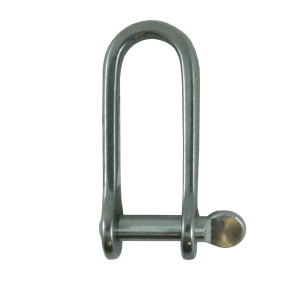
Marine Shackles and Swivels: A Complete Guide for Boat Owners
Marine shackles and swivels connect sails, halyards, anchor rodes, rigging, and mooring equipment on sailing yachts, commercial fishing boats, and recreational powerboats. Use this guide to compare shackle types, materials, load ratings, applications, and maintenance requirements.
Key Takeaways
- Stainless steel shackles for deck hardware and halyards from reputable suppliers offer superior corrosion resistance.
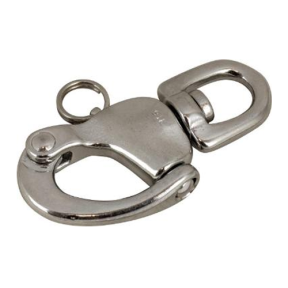
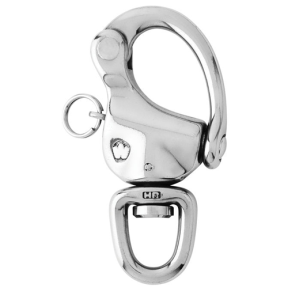
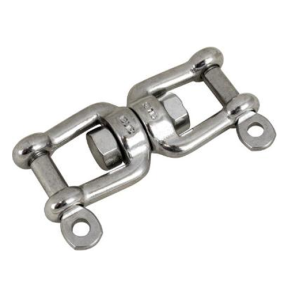
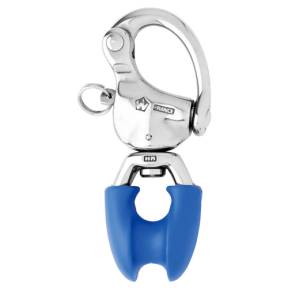
- Different shackles serve distinct roles: snap shackles provide quick release; swivel shackles prevent line twist.
- Always size shackles based on Safe Working Load (SWL) and planned application.
- Routine inspection, freshwater rinsing, and lubrication extend equipment lifespan.
Types of Marine Shackles and Their Uses
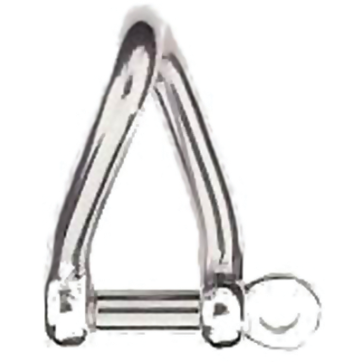
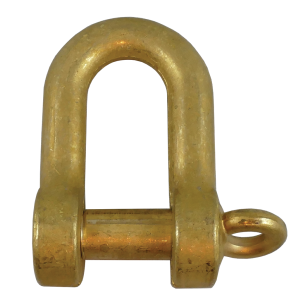
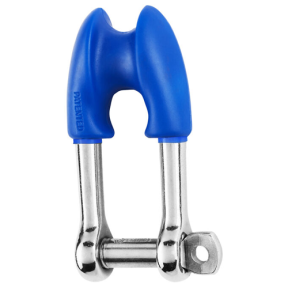
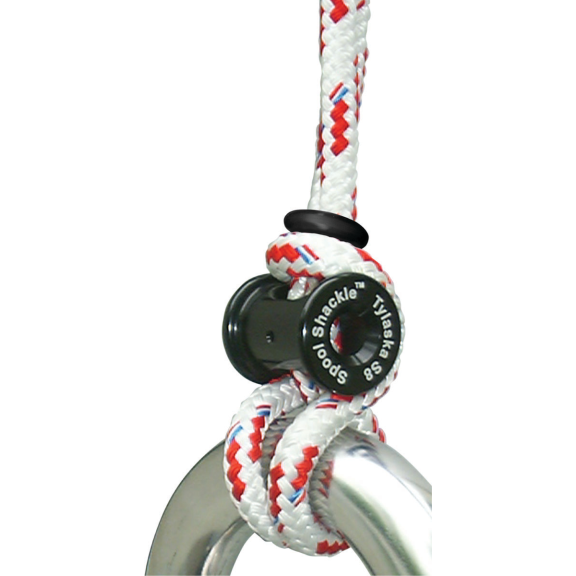
Each marine shackle design supports a specific connection, release method, or movement requirement.
| Shackle Type | Primary Function | Common Marine Applications |
|---|---|---|
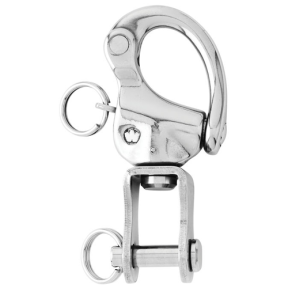
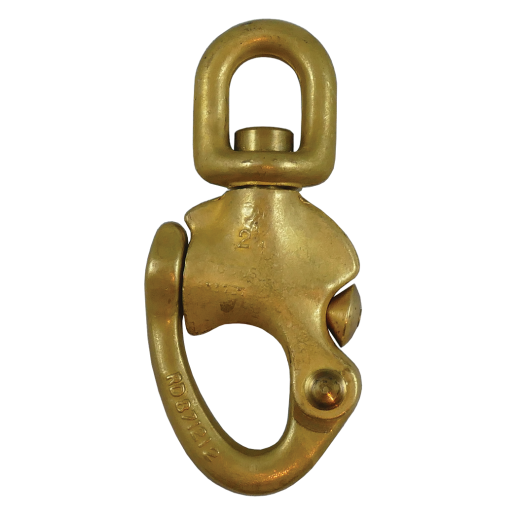
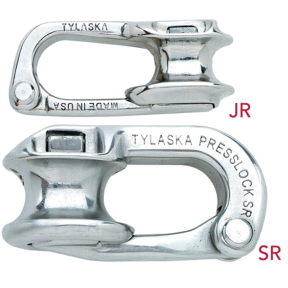
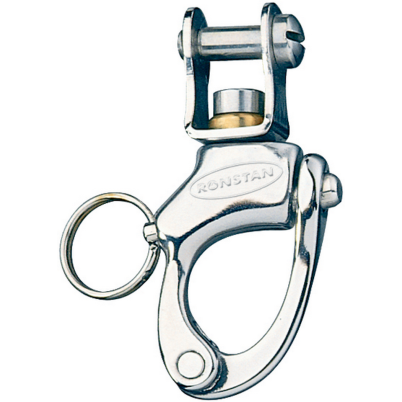
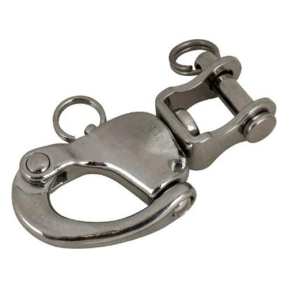
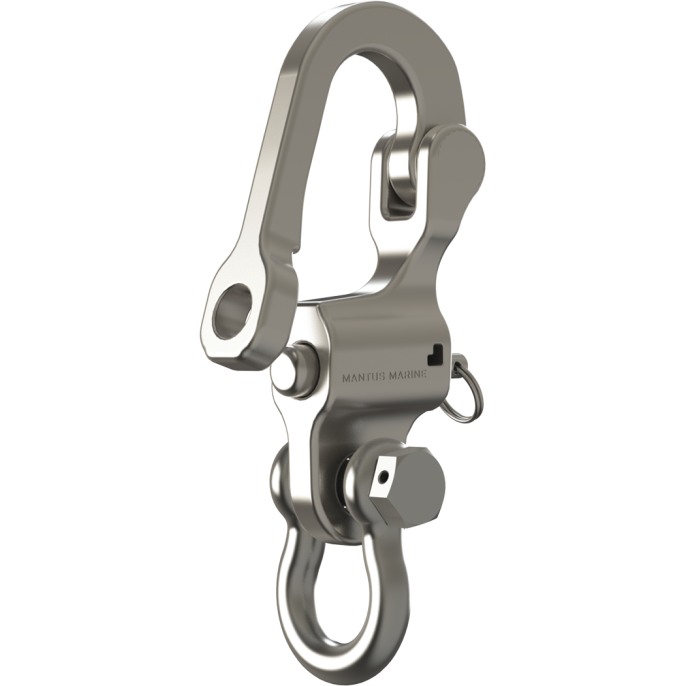
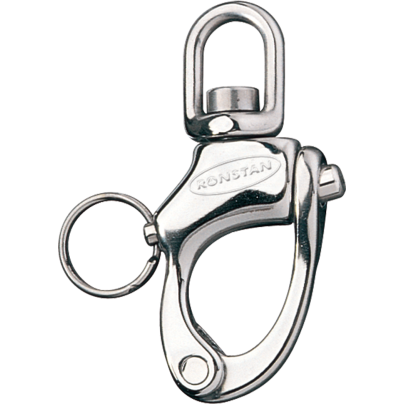
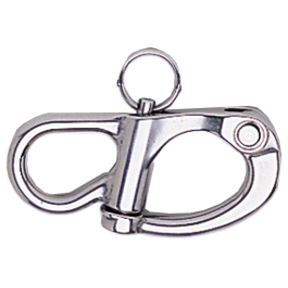
| Snap shackles | Provide a quick-release connection. | Spinnaker sheets, rapid sail changes, and connections requiring fast attachment or release. |
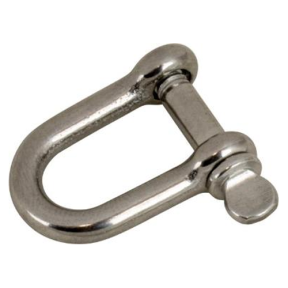
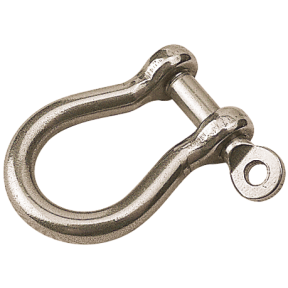
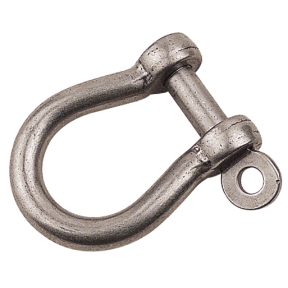
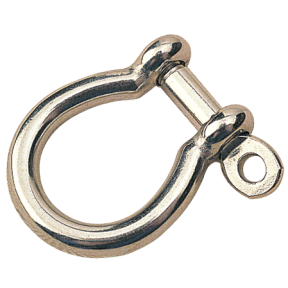
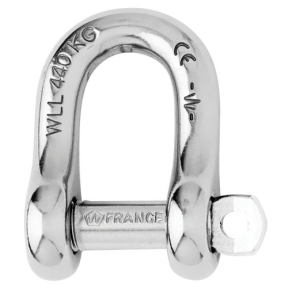
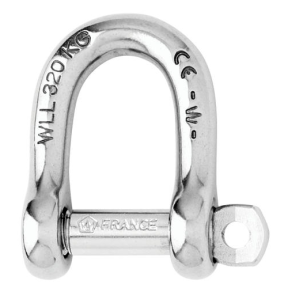
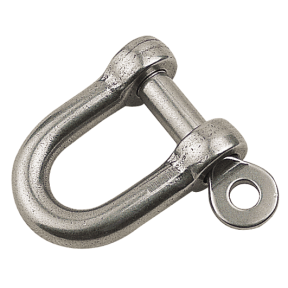
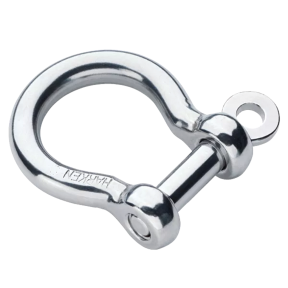
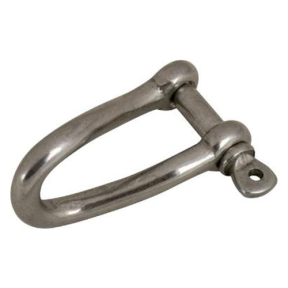
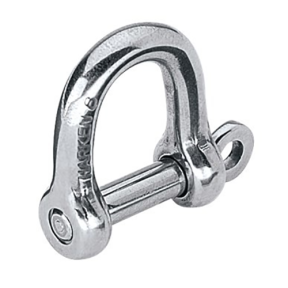
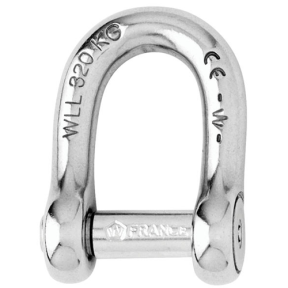
| Bow shackles | Provide an adaptable connection with space for multiple attachments. | Anchor connections and multiple-line attachment points. |
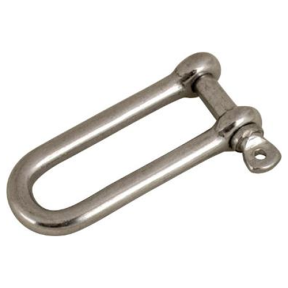
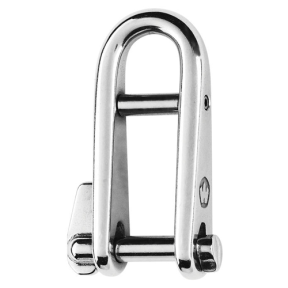
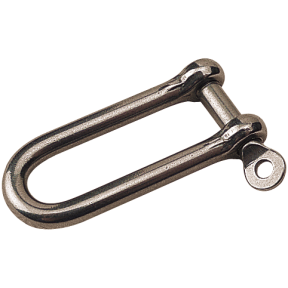
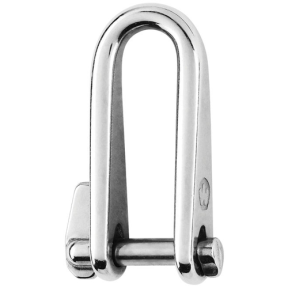
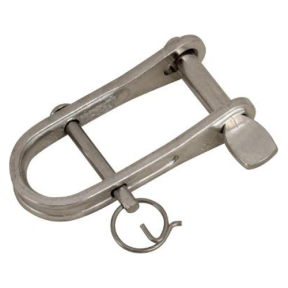
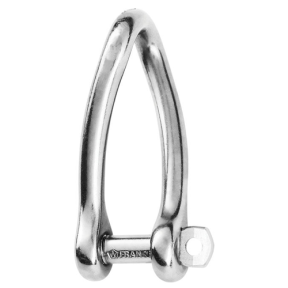
| Rigging shackles | Connect components in standing rigging. | Sailboat rigging connections where dependable load support is required. |
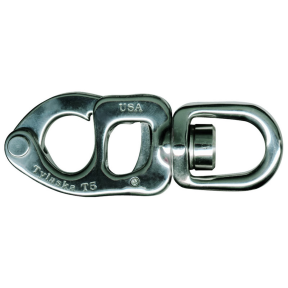
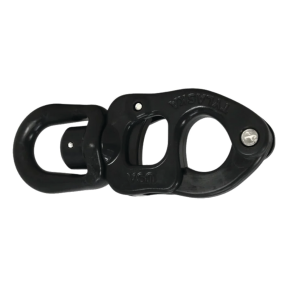
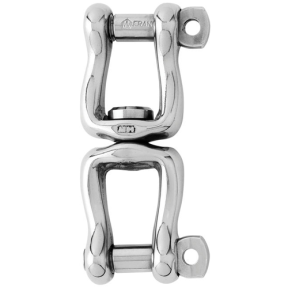
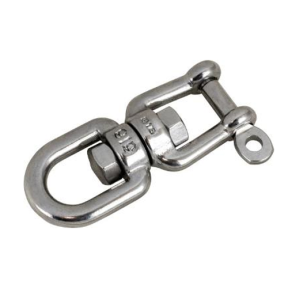
| Swivel shackles | Rotate 360 degrees to reduce line or rode twist. | Halyards and anchor rodes. |
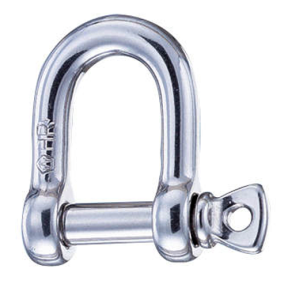
| Anchor shackles | Connect anchor-system components. | Joining anchor chain to an anchor or swivel. |
| Halyard shackles | Connect a halyard to a sail head. | Headsails and mainsails. |
How to Select the Right Marine Shackle
| Selection Step | What to Consider |
|---|---|
| Identify the application | Determine whether the connection is for rigging, anchoring, lifting, or mooring. |
| Confirm the Safe Working Load | Choose a shackle rated above the anticipated maximum load and use an appropriate safety factor. |
| Match the connection size | Check the pin diameter against the rope, chain, or fitting dimensions. |
| Select the material | Consider marine-grade 316 stainless steel for corrosion resistance in saltwater environments for non-submerged shackles. |
| Choose the operating design | Use a snap shackle for quick release or a swivel shackle where rotation can reduce line twist. |
Marine Shackle and Swivel Manufacturers
Marine Shackle and Swivel Maintenance
- Mouse Threaded Pins: Secure all threaded screw pins used in anchor rodes, moorings, or standing rigging using 316 stainless steel wire, Monel wire, or heavy-duty UV-resistant cable ties to prevent cyclical vibration from unscrewing the pin.
- Inspect for Wear and Corrosion: Regularly check hardware for hairline cracks, frame deformation, pin elongation, thread galling, and signs of anaerobic crevice corrosion on stainless steel components or rust bleeding on galvanized fittings.
- Rinse and Lubricate: Wash hardware with fresh water after saltwater exposure to remove salt deposits. Apply high-tack, water-insoluble marine grease or dry PTFE lubricant to swivels, snap mechanisms, and threaded pin threads.
- Avoid Unarticulated Anchor Swivel Bending Loads: Ensure anchor swivels incorporate a double-articulating joint or an intervening chain link so they are not subjected to lateral bending force across the anchor bow roller.
- Immediate Replacement: Immediately retire and replace any shackle or swivel displaying visible distortion, worn pin diameter, cracked welds, or compromised release springs.
Frequently Asked Questions
What is the difference between a snap shackle and a swivel shackle?
A snap shackle provides a quick-release connection, while a swivel shackle rotates to reduce twisting. Snap shackles suit spinnaker sheets and rapid sail changes. Swivel shackles suit halyards and anchor rodes where 360-degree rotation helps limit twist and torsion.
How do I choose the right shackle size for my boat?
Choose a marine shackle by Safe Working Load, pin diameter, and application. The pin must fit the rope, chain, or connecting hardware, and the rated Safe Working Load should exceed the anticipated maximum load with an appropriate safety factor.
Which shackle should I use for an anchor chain?
An anchor shackle connects an anchor chain to an anchor or swivel. A bow shackle can also support anchor connections when its dimensions and Safe Working Load match the system. Check pin fit, material, load rating, and compatibility before use.
Why use a swivel shackle on an anchor rode or halyard?
A swivel shackle allows 360-degree rotation that reduces twist in an anchor rode or halyard. This movement helps manage torsion as the boat, anchor, line, or sail changes position. The swivel must still match the connection dimensions and required Safe Working Load.
Is 316 stainless steel suitable for marine shackles?
Marine-grade 316 stainless steel is suitable for deck hardware and halyards exposed to saltwater because it provides corrosion resistance. Material alone does not determine suitability; boat owners must also evaluate the shackle design, Safe Working Load, pin size, application, condition, and manufacturer guidance.
How should marine shackles and swivels be maintained?
Rinse marine shackles and swivels with fresh water after saltwater exposure, lubricate moving joints with marine-safe grease, and inspect them before use. Replace hardware showing cracks, corrosion, bending, deformation, damaged pins, or any other loss of structural integrity. Inspect and replace mousing wire on threaded pins