






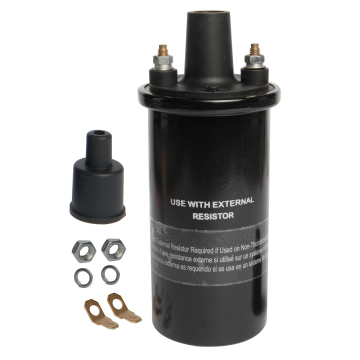
Marine Alternators, Voltage Regulators, and Ignition Systems
Marine alternators, voltage regulators, starters, and ignition components support battery charging, onboard electrical loads, and dependable engine starting. Fisheries Supply carries marine-rated charging and ignition parts for boat owners replacing failed components, upgrading battery systems, or maintaining engine electrical equipment.
Marine Electrical and Ignition Components
A boat's charging and ignition systems generate electrical power, regulate charging voltage, and start the engine. Each component has a distinct role in maintaining battery condition and engine reliability.
| Component | Primary Function | Types, Features, and Applications |
|---|---|---|
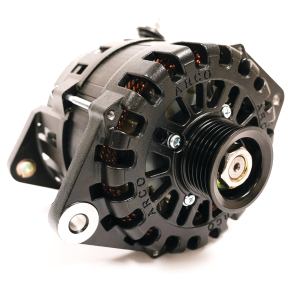
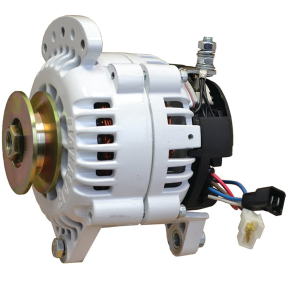
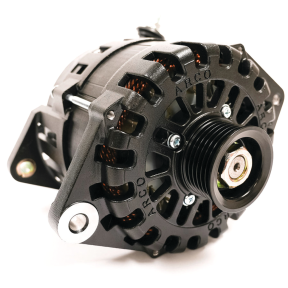
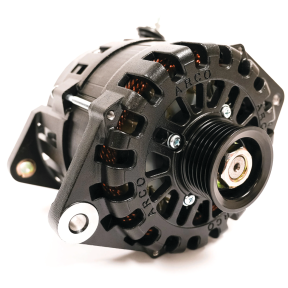
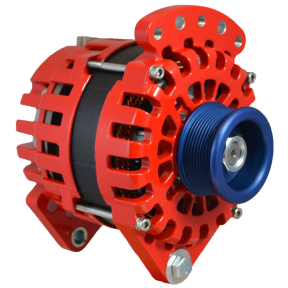
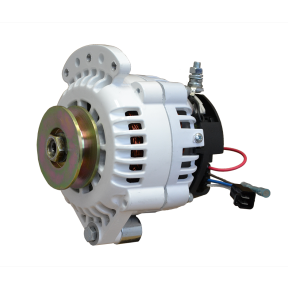
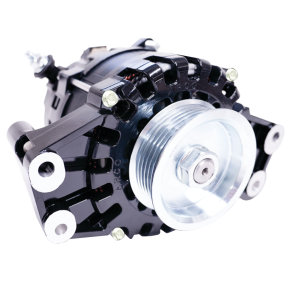
| Marine Alternators | Convert mechanical engine power into electrical energy while the engine is running. The generated current charges the battery bank and supplies onboard electrical loads. |
|
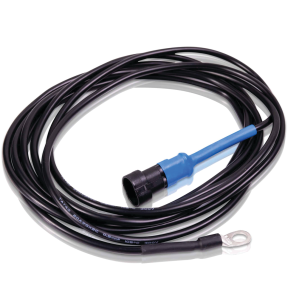
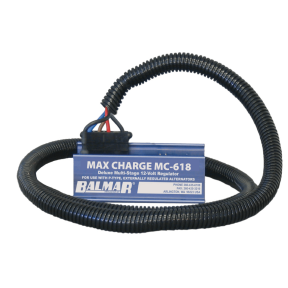
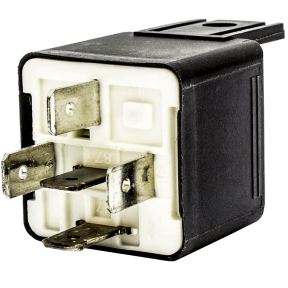
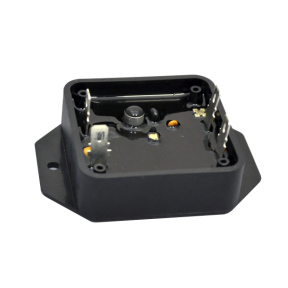
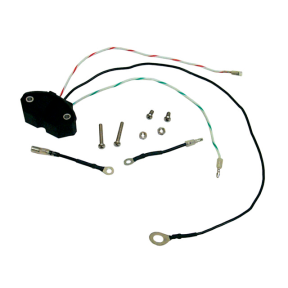
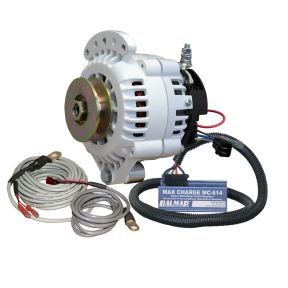
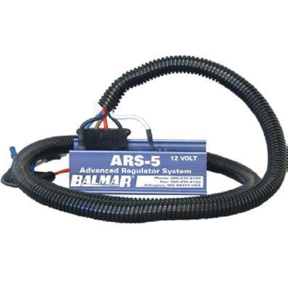
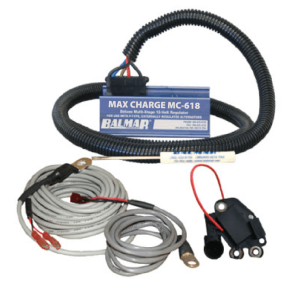
| Marine Voltage Regulators | Control alternator output to reduce battery undercharging and overcharging. | Multi-stage, battery-sensing regulators adjust the charging profile and may help identify battery faults. |
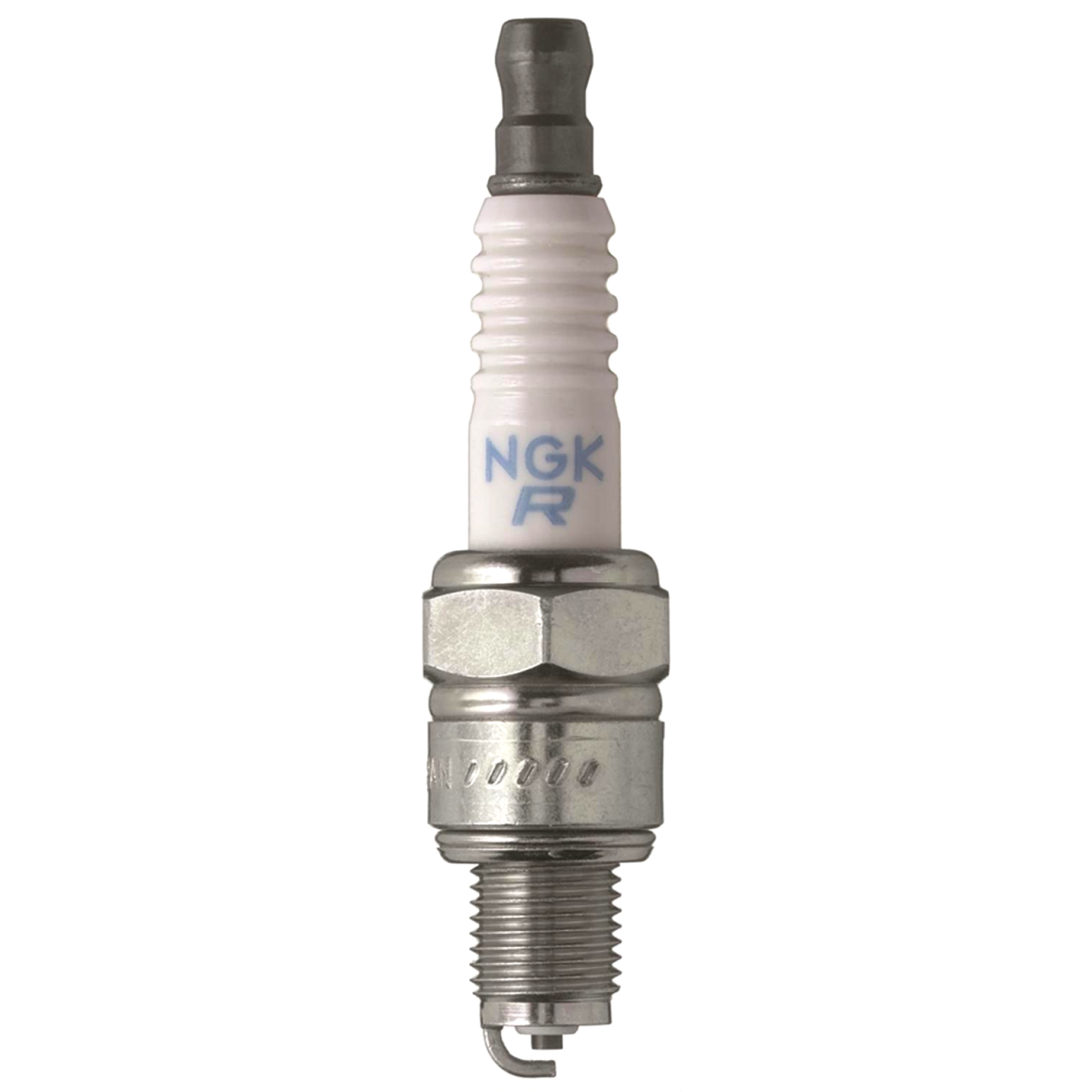
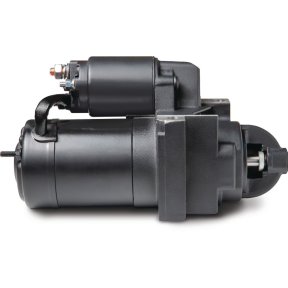
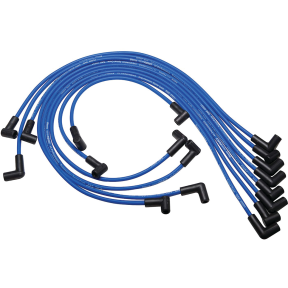
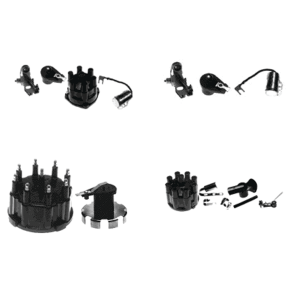
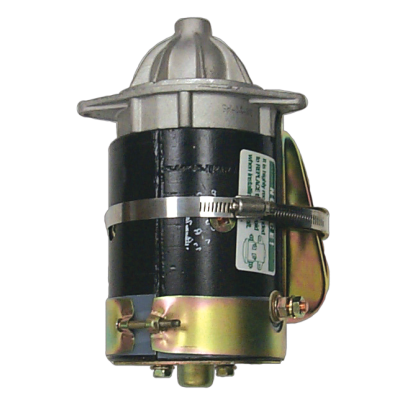
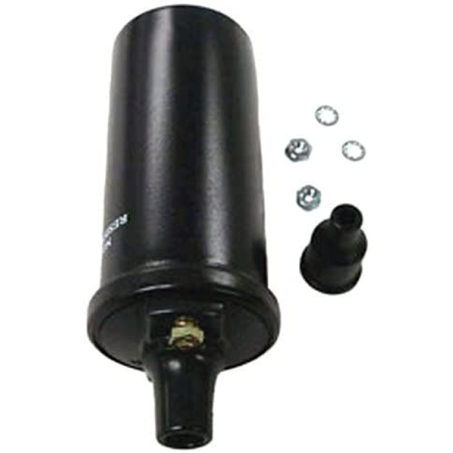
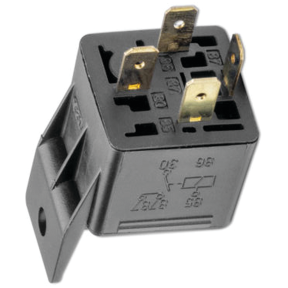
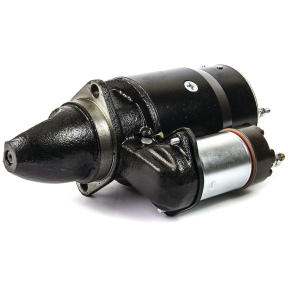
| Marine Ignition and Starting Components | Support engine start-up and operation while improving cold-start and hot-start reliability. | Spark plugs, distributors, starters, and solenoids. |
| Marine Alternator Repair Kits | Restore alternator performance when the existing unit is suitable for repair. | Repair kits may include bearings, diodes, brushes, and service instructions. |
Benefits of Marine-Rated Electrical Parts
- Battery protection: Proper charging profiles reduce sulfation and the risk of overcharging.
- Reliable engine starting: Compatible ignition and starting components support consistent engine operation.
- Marine durability: Marine-rated construction addresses onboard moisture, corrosion, vibration, and continuous loads.
- Serviceability: Repair kits provide bearings, brushes, diodes, and related parts for alternator maintenance.
- System compatibility: Correct output, regulation, wiring, and mounting reduce charging and installation problems.
How to Choose a Marine Alternator and Voltage Regulator
Choose marine charging equipment by comparing engine fit, battery requirements, electrical demand, alternator output, voltage regulation, and mounting geometry.
| Selection Factor | What to Check | Why It Matters |
|---|---|---|
| Alternator output | Compare charging demand with alternator performance, including output at low engine RPM. | Appropriate output supports the battery bank and onboard electrical loads. |
| Voltage regulation | Check for compatible multi-stage and battery-sensing regulation. | Controlled output reduces undercharging, overcharging, and battery damage. |
| Battery bank | Review battery capacity and the charging profile required by the system. | The regulator and alternator must work with the connected batteries. |
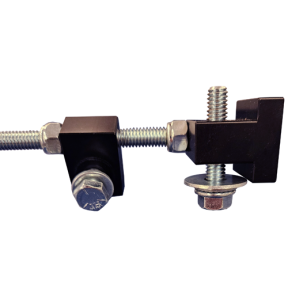
| Mounting foot | Identify single-foot or dual-foot construction and verify mounting spacing. | Correct mounting geometry supports proper installation and alignment. |
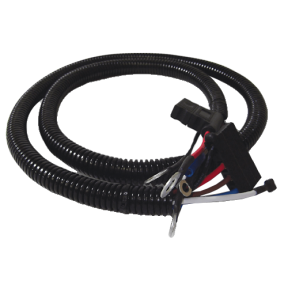
| Wiring compatibility | Confirm that existing wiring supports the selected alternator and charging load. | High-output alternator upgrades may require compatible wiring. |
| Marine construction | Select parts intended for onboard moisture, corrosion, vibration, and fuel-vapor conditions. | Marine-rated equipment addresses safety and reliability concerns specific to boats. |
Marine Alternator and Ignition Brands
Fisheries Supply offers charging, ignition, repair, and maintenance components from established marine brands, including Balmar and Sierra. Confirm engine compatibility, alternator mounting, battery requirements, regulator type, and wiring capacity before selecting a replacement or upgrade.
Frequently Asked Questions
How is a marine alternator different from an automotive alternator?
A marine alternator is built for onboard moisture, corrosion, vibration, and fuel-vapor conditions. Marine designs include features that reduce spark risk near fuel vapors. Automotive alternators are not intended for marine installations and may create safety, durability, and electrical reliability concerns when used on a boat.
Why does a boat need a marine voltage regulator?
A marine voltage regulator controls alternator output so the battery bank receives an appropriate charging profile. Multi-stage and battery-sensing regulators reduce undercharging and overcharging, support battery health, improve charging efficiency, and may help identify battery faults that affect the boat's electrical system.
What are the signs of a failing marine alternator?
Common marine alternator failure symptoms include batteries that will not remain charged, lights that dim under electrical load, difficult engine starting, unusual alternator noises, and electrical odors. These symptoms can also involve wiring or battery problems, so inspect connections and test the charging system.
Can I upgrade my boat to a high-output alternator?
A boat can often use a high-output alternator when a larger battery bank or increased electrical load requires more charging capacity. Before upgrading, confirm engine mounting, low-RPM output, voltage-regulator compatibility, battery requirements, and whether the existing wiring can support the additional charging current.
How do I choose the correct marine alternator mounting type?
Identify whether the engine uses a single-foot or dual-foot alternator mount, then verify the mounting spacing and alignment. The replacement alternator must fit the existing installation and match the charging system. Incorrect mounting geometry can cause installation problems, vibration, or poor belt alignment.
How can I prevent corrosion on marine electrical connections?
Inspect terminals and wire connections regularly for discoloration or white powder. Clean affected connections with baking soda and water or an electrical contact cleaner, then apply dielectric grease to create a moisture barrier. Tight, clean connections reduce oxidation, resistance, and voltage drops in marine electrical systems.