
















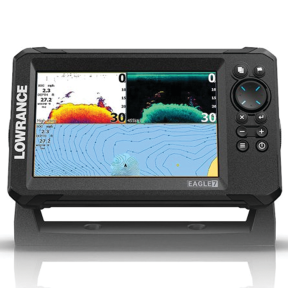
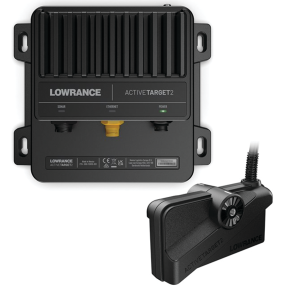
Fishfinders and Boat Transducers
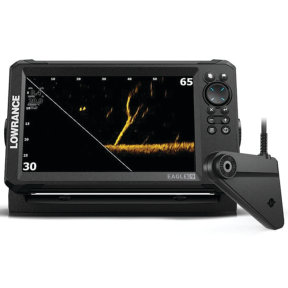
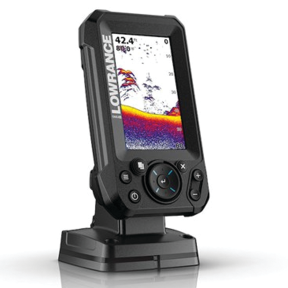
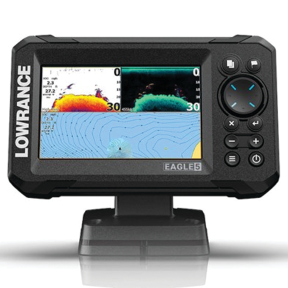
Fishfinders use a compatible transducer to display sonar information about depth, underwater structure, and fish targets. GPS-enabled models add position awareness and waypoint marking, while integrated chartplotter fishfinders combine sonar with navigation charts. Choose the display and transducer together, checking compatibility, hull type, mounting requirements, and the water depths you fish.
What to Know
Check the Complete System
- Confirm that the display and transducer are compatible.
- Match the mounting method and transducer material to your hull.
- Decide whether you need sonar alone, GPS waypoint marking, or integrated charting.
- Check whether the package includes a transducer or supplies only the display.
Fishfinder Displays, Transducers, and Accessories
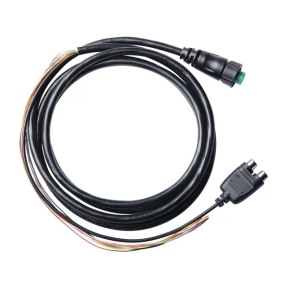
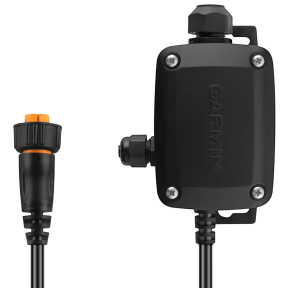
Fisheries Supply offers fishfinders, GPS-enabled displays, integrated chartplotter fishfinders, transom-mount and thru-hull transducers, and compatible installation accessories. Compare the display’s functions alongside the transducer and mounting equipment required for your boat.
Compare Fishfinder and Chartplotter Functions
| Fishfinder Option | Main Function | What to Check |
|---|---|---|
| Fishfinders | Display sonar information about depth, structure, and fish targets. | Compare the sonar functions and compatible transducers for your fishing needs. |
| GPS fishfinders | Combine fishfinding with GPS position awareness and waypoint marking. | Check whether the model also provides the navigation chart functions you need. |
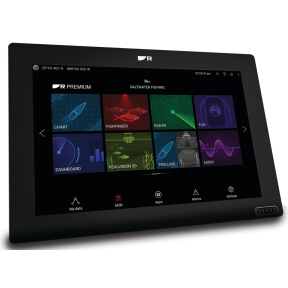
| Integrated chartplotter fishfinders | Combine navigation charts, GPS, and sonar in one display. | Confirm the display’s sonar capabilities and required transducer before selecting the system. |
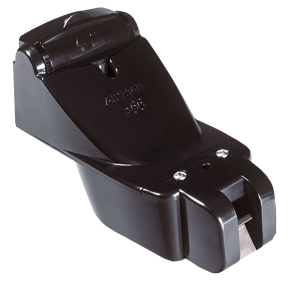
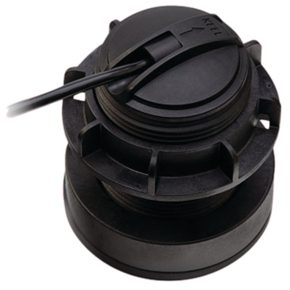
| Fishfinder transducers | Provide the sonar information used by a compatible fishfinder or multifunction display. | Match the transducer to the display, hull material, mounting location, and intended water depth. |
Compare Transducer Mounting Options
| Mounting Method | Installation | What to Check |
|---|---|---|
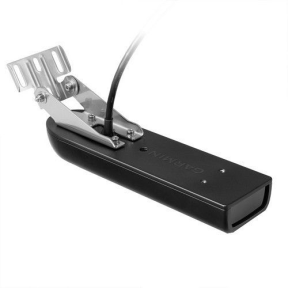
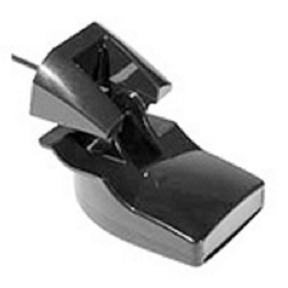
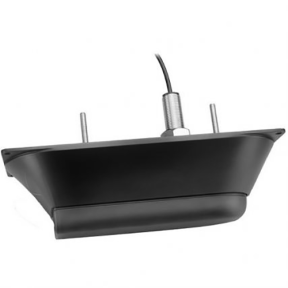
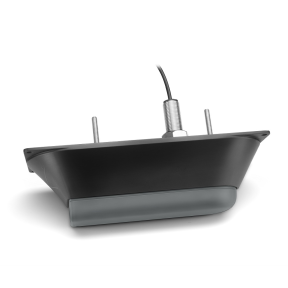
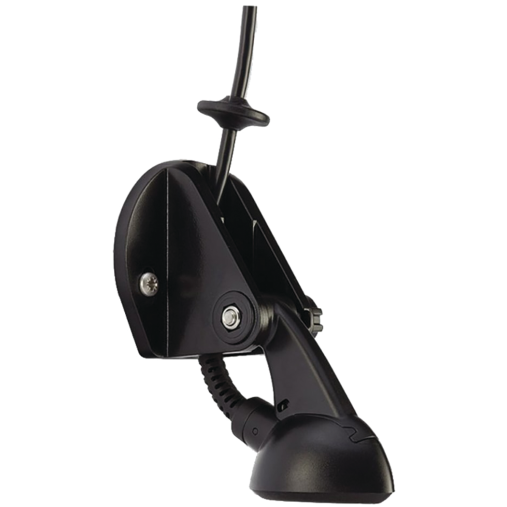
| Transom mount | Mounts on the exterior of the stern and is commonly used on smaller boats. | Confirm a suitable mounting location and follow the transducer’s installation requirements. |
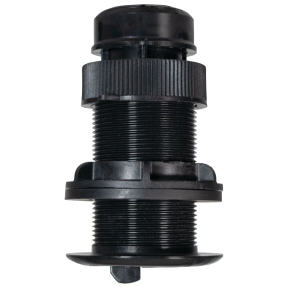
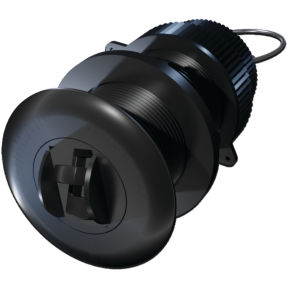
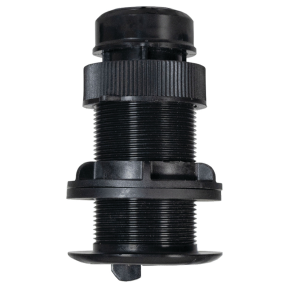
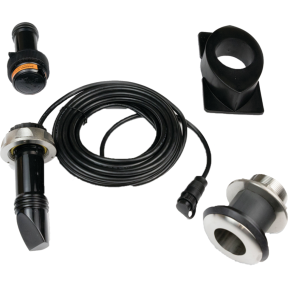
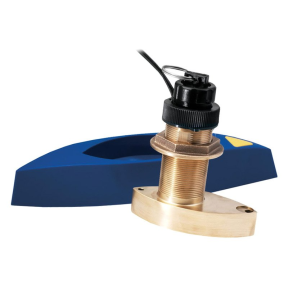
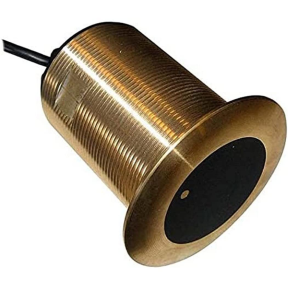
| Thru-hull mount | Requires an opening through the hull; placement and orientation affect sonar performance. | Check hull material, installation location, and any fairing-block requirements. |
| In-hull mount | Provides an option where an external transducer installation is not preferred. | Confirm that the transducer is suitable for the hull material and intended installation. |
Boat size alone does not establish compatibility. Review the transducer’s hull-material requirements and installation instructions before choosing a mounting method or housing material.
Match the Components and Installation to Your Use
A compatible display and transducer, installed correctly, support reliable depth readings and useful interpretation of underwater targets. Consider your boat’s hull, typical fishing depths, and installation layout alongside the display’s features.
Check package contents before ordering. Some fishfinder bundles include a transducer, while other displays are sold as a head unit only and require a separately selected transducer.
Browse boat GPS displays and multifunction chartplotters to compare navigation and display options.
Frequently Asked Questions
What are the common mounting options for fishfinder transducers?
Common mounting options include transom mounts for smaller boats, thru-hull mounts for larger boats or displacement hulls, and in-hull mounts where external installation is not preferred.
What is CHIRP technology in fishfinders?
CHIRP, or Compressed High-Intensity Radiated Pulse, transmits a range of frequencies rather than a single frequency. The combined return produces clearer images with improved target separation and depth performance compared to traditional sonar.
What is the difference between 50 kHz and 200 kHz transducer frequencies?
Transducer frequency determines depth capability and detail. A 200 kHz frequency provides high-detail images and is ideal for shallow water (typically less than 600 feet), while a 50 kHz frequency has a wider beam and better penetration for tracking bottom in deeper, offshore waters.
When should I use a thru-hull mount versus a transom mount transducer?
Thru-hull mounts are ideal for larger vessels and provide the best performance by staying in clean water flow, though they require a hole in the hull. Transom mounts are more common for smaller boats, as they are easier to install on the exterior of the stern and do not require drilling through the bottom of the boat.
What is the purpose of a transducer fairing block?
A fairing block is used when mounting a thru-hull transducer on a curved or angled hull. It allows the transducer to be oriented straight down (perpendicular to the water's surface) while creating a streamlined flow of water around the sensor to reduce turbulence and improve sonar accuracy at higher speeds.
Do fishfinders always include a transducer in the box?
Not always. While many entry-level fishfinder bundles include a transom-mount transducer, many high-end multifunction displays and chartplotters are sold as "head units only." This allows boaters to select a specific thru-hull, in-hull, or CHIRP transducer that best matches their hull material and fishing needs.
Can I use a bronze transducer on an aluminum hull?
No, you should never use a bronze transducer on an aluminum hull because it will cause galvanic corrosion. For aluminum or steel hulls, you should select a stainless steel or plastic/synthetic transducer to prevent damage to the vessel.