Barrier Paints for Boats
Boat barrier paints are marine coatings that protect fiberglass, wood, composite, and metal hulls from water intrusion, osmosis, and corrosion below the waterline. Fisheries Supply offers epoxy barrier coating systems for recreational boats and commercial fishing vessels to meet different hull materials and maintenance requirements.
What Are Boat Barrier Paints?
Barrier paints are specialized marine coatings applied below the waterline to form a durable, waterproof layer. This protective film limits water absorption into the hull, helping reduce osmotic blistering in fiberglass and corrosion on compatible metal substrates.
A barrier coat and an antifouling bottom paint serve different functions. The barrier coat protects the hull substrate from moisture, while antifouling paint is applied to reduce the attachment and growth of marine organisms. Compatible products can be used together as part of a coordinated below-the-waterline coating system.
| Barrier-Coat Function | Benefit |
|---|---|
| Waterproof protection | Forms a continuous barrier against water penetration. |
| Osmosis prevention | Helps reduce fiberglass blistering and long-term laminate degradation. |
| Corrosion resistance | Protects compatible aluminum, steel, lead, and cast-iron surfaces. |
| Coating foundation | Creates a prepared base for compatible antifouling bottom paint. |
Types of Barrier Paints and Typical Applications
Barrier paint selection depends on the hull substrate, operating environment, existing coating system, and manufacturer requirements. Compare the coating type and intended application before purchasing a boat hull barrier system.
| Barrier Paint Type | Key Characteristics | Typical Applications |
|---|---|---|
| Epoxy-based barrier paint | Strong adhesion, high moisture resistance, and durable underwater protection. | Fiberglass hulls and compatible underwater metals. |
| High-build epoxy barrier primer | Formulated with micro-plates or specialized fillers to maximize water impermeability and film build. | Osmosis repair on fiberglass, bare laminate protection, and metal corrosion protection. |
| Two-part epoxy coating | Increased chemical resistance and long-term protection when mixed and applied correctly. | Recreational and commercial coating systems requiring a catalyzed finish. |
Applying Barrier Paint
Surface preparation, film thickness, application conditions, and curing time directly affect barrier-coat performance. Product instructions should govern each stage because preparation and recoat requirements vary among marine coating systems.
| Step | Application Stage | Instructions |
|---|---|---|
| 1 | Prepare the surface | Clean and sand the hull as directed to remove contamination and promote coating adhesion. |
| 2 | Apply primer when required | Use a primer approved for the hull substrate and selected barrier system. |
| 3 | Mix the coating | For two-part products, follow the specified component ratio, induction period, and working time. |
| 4 | Apply the barrier paint | Use a brush, roller, or spray equipment according to the product instructions. |
| 5 | Observe recoat windows | Apply additional barrier coats or compatible antifouling paint within the stated interval. |
| 6 | Allow proper curing | Follow the specified drying and launch schedule before placing the hull in the water. |
Barrier-Coat Maintenance and Paint Compatibility
Inspect the barrier coating when the boat is hauled and whenever old bottom paint is removed. Scratches, worn areas, exposed laminate, and exposed metal can interrupt the moisture-resistant layer and may require compatible touch-up materials before new antifouling paint is applied.
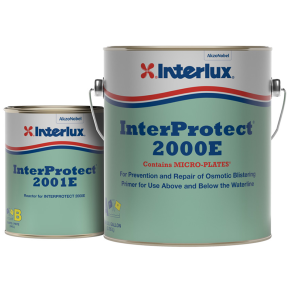
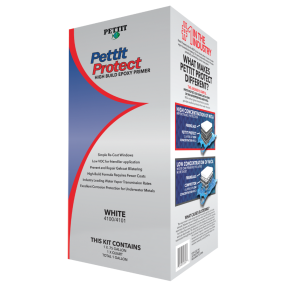
Fisheries Supply carries barrier-coating products including Pettit Protect Epoxy Barrier Coat, Interlux InterProtect 2000E, and Marshall’s Cove Marine Paint. Confirm hull compatibility, preparation requirements, and approved companion coatings on the selected product instructions.
For detailed bottom paint techniques, please read our Applying Bottom Paint to Your Boat article.
Frequently Asked Questions
How many coats of barrier paint should be applied to a boat hull?
Most marine epoxy barrier systems require building a total recommended dry film thickness (DFT) of 10 to 12 mils to prevent osmosis. By brush or roller, this typically requires 3 to 5 coats (for example, 4 to 5 coats of Interlux InterProtect 2000E or 3 coats of Pettit Protect). Applying coats too thickly can entrap solvents, so always follow the manufacturer's specified wet film thickness (WFT) per coat rather than applying fewer, heavy coats.
Can antifouling bottom paint be applied over a barrier coat?
Yes, compatible antifouling bottom paint can be applied over a barrier coat within the manufacturer’s specified overcoating window. Application while the barrier coat remains tacky may create a chemical bond. If the recoat window has passed, the surface may require cleaning and light sanding before bottom paint is applied.
What is the difference between barrier paint and antifouling paint?
Barrier paint blocks moisture from reaching a boat’s hull substrate, while antifouling paint reduces marine growth on the underwater surface. A barrier coat protects against water absorption, osmotic blistering, and compatible-metal corrosion. Antifouling bottom paint performs a separate role and is commonly applied over a compatible cured or tacky barrier system.
Which boat hull materials are compatible with epoxy barrier paint?
Epoxy barrier paints commonly protect fiberglass hulls and compatible underwater metals such as aluminum, steel, lead, and cast iron. Product compatibility varies, especially on aluminum and previously painted surfaces. Confirm that the selected epoxy coating, primer, and preparation method are approved for the specific substrate before beginning the project.
What happens if sanding removes part of the boat’s barrier coat?
Sanding through a barrier coat interrupts the waterproof layer and can expose fiberglass laminate or metal to moisture. Stop sanding when the underlying coating becomes visible, inspect the affected area, and restore the surface with compatible barrier-coat materials before applying new antifouling paint. Follow the coating manufacturer’s repair and recoat instructions.
Which barrier paint brands does Fisheries Supply carry?
Fisheries Supply carries marine barrier-coating products from Pettit, Interlux, and Marshall’s Cove Marine Paint. Available examples include Pettit Protect Epoxy Barrier Coat, Interlux InterProtect 2000E, and Marshall’s Cove Marine Paint products. Compare substrate compatibility, package size, application method, recoat timing, and companion primer or antifouling requirements before purchasing.