Boat Steering and Mechanical Throttle Controls
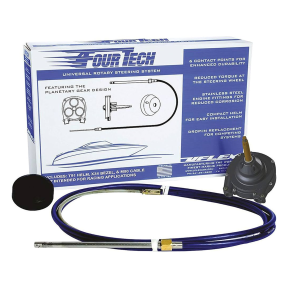
Boat steering and mechanical throttle controls transfer helm, throttle, and shift inputs through cables and linkages. Fisheries Supply offers mechanical steering systems, control cables, levers, replacement parts, and complete kits for boat owners maintaining or upgrading small to medium-sized vessels.
Understanding Mechanical Boat Steering
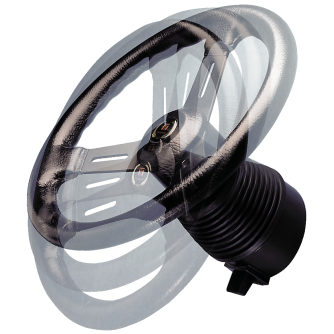
Mechanical boat steering uses a cable system to transfer steering force from the wheel to the engine or rudder. This direct connection provides responsive directional control and tactile feedback at the helm.
Mechanical Steering and Control Products
| Product Type | Function |
|---|---|
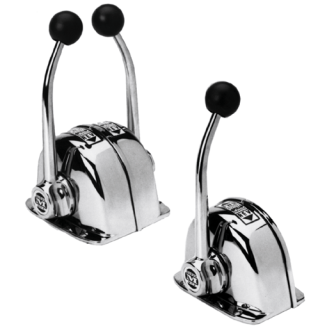
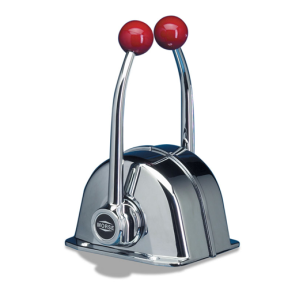
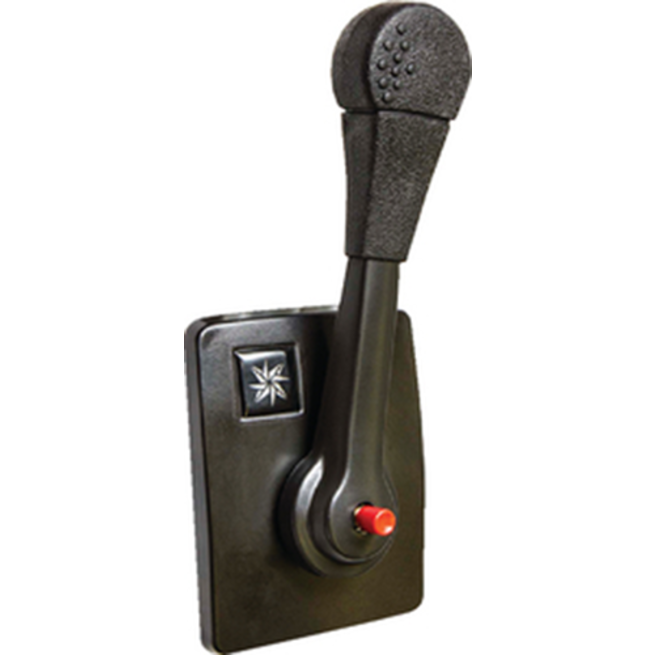
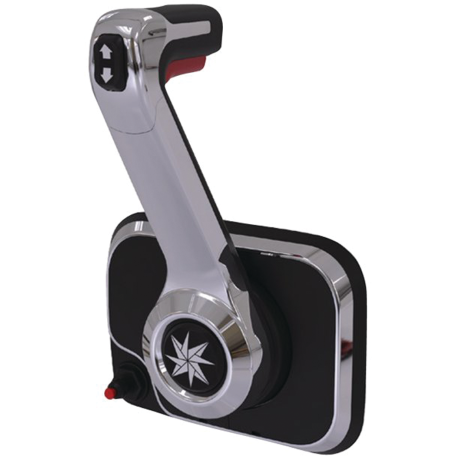
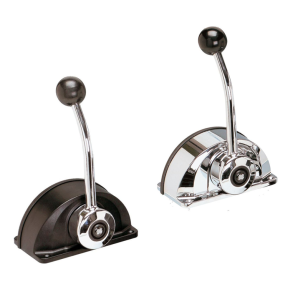
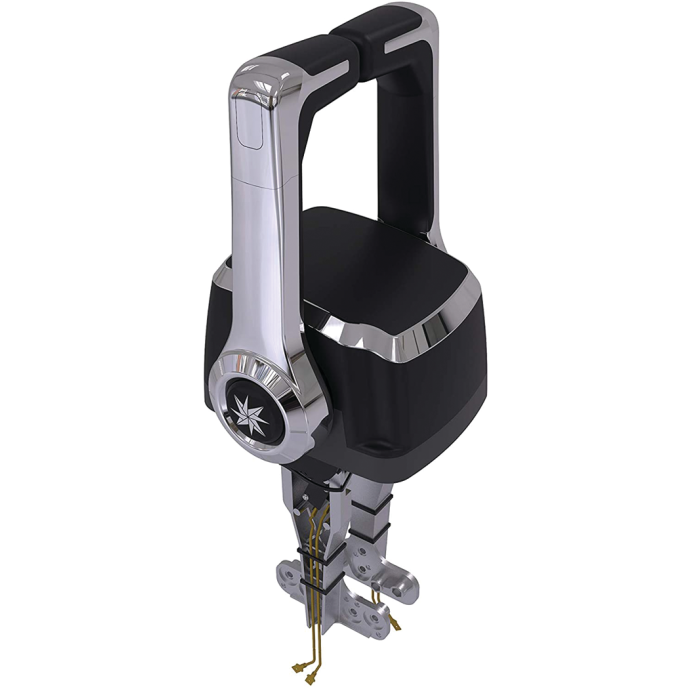
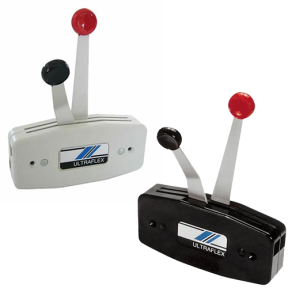
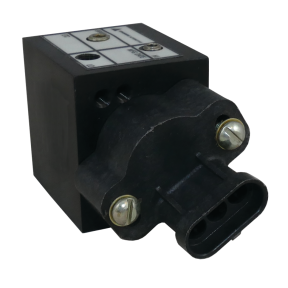
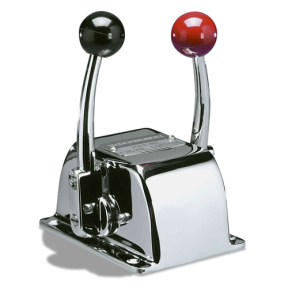
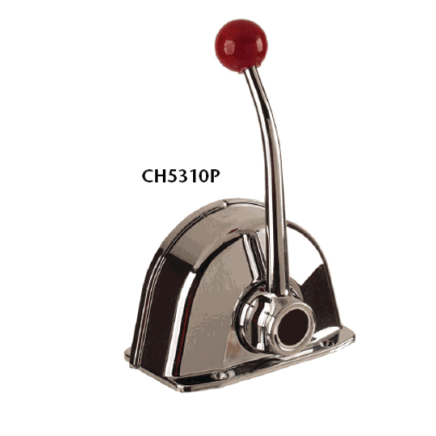
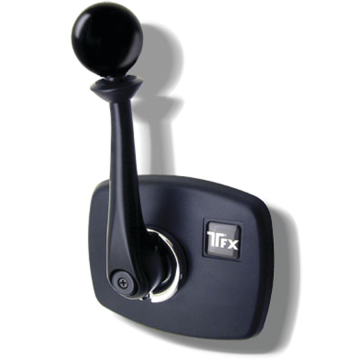
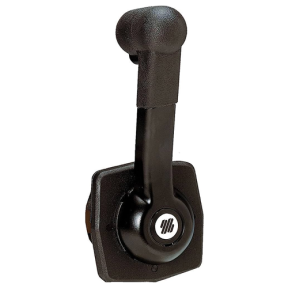
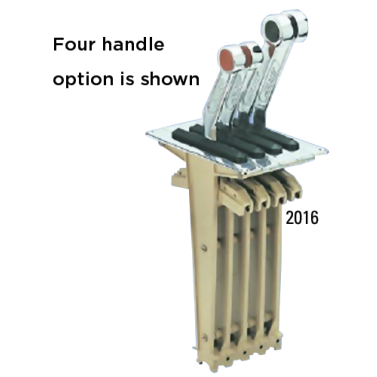
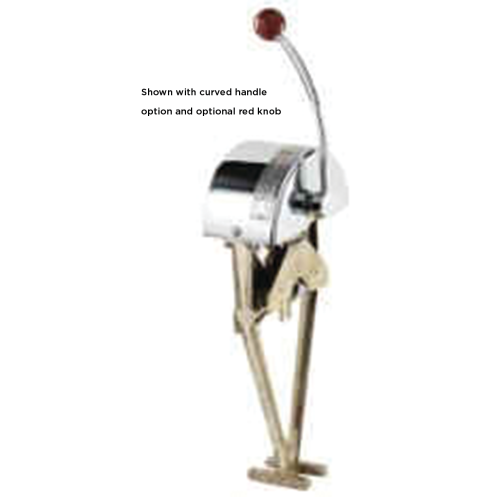
| Single and twin dual-function controls | Combine throttle and shift functions within a mechanical engine-control assembly. |
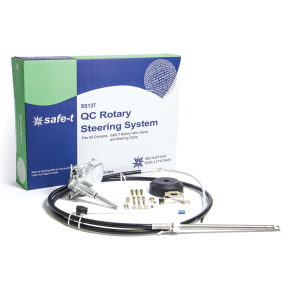
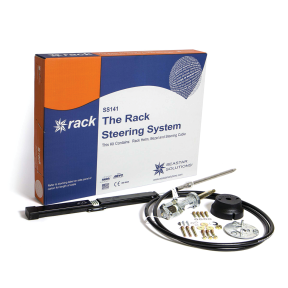
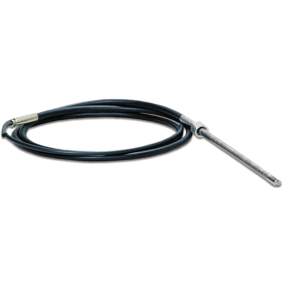
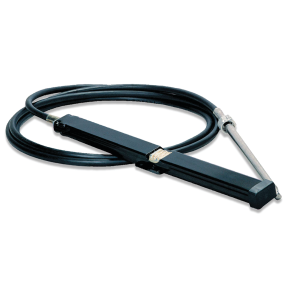
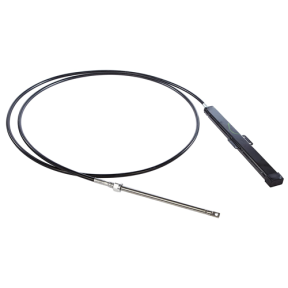
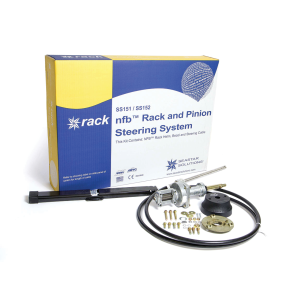
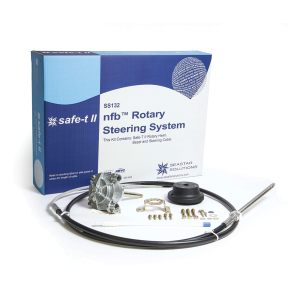
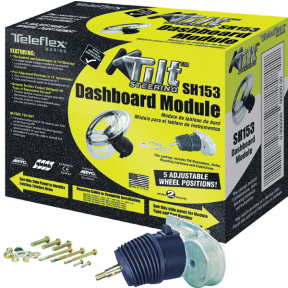
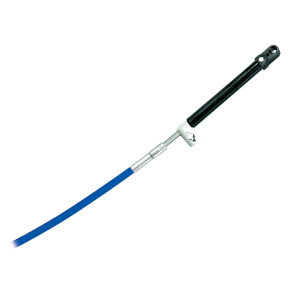
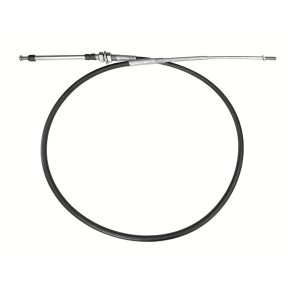
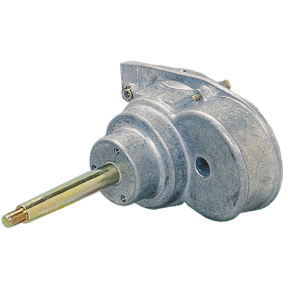
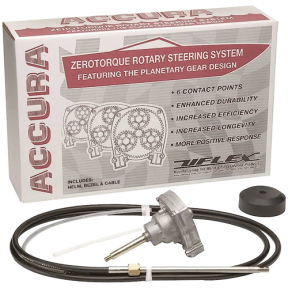
| Inboard and outboard steering cable assemblies | Connect compatible helms with inboard or outboard steering systems. |
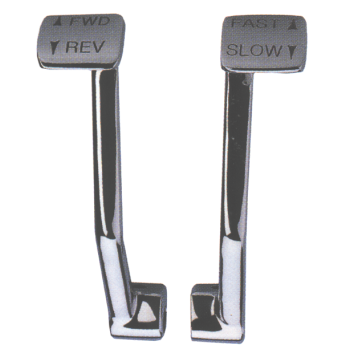
| Boat control levers | Provide manual input for compatible mechanical control systems. |
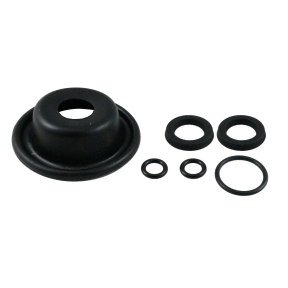
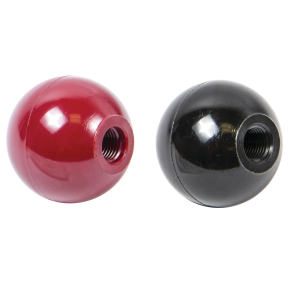
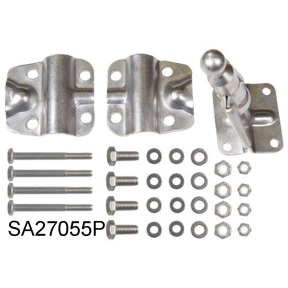
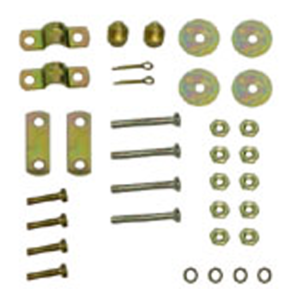
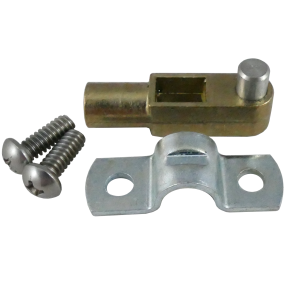
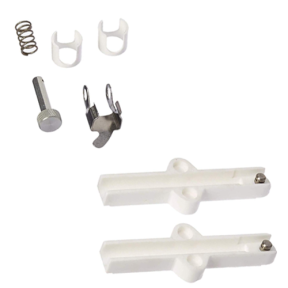
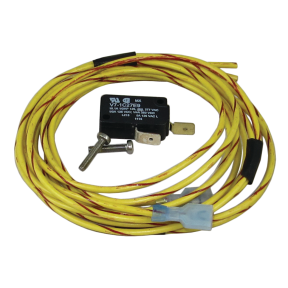
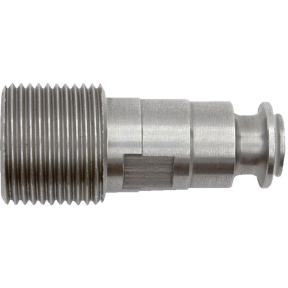
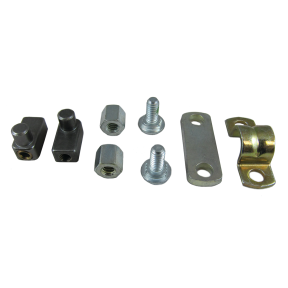
| Replacement knobs and repair kits | Support maintenance of existing steering and engine controls. |
| Throttle and shift mechanisms | Transfer control-lever movement to compatible engine components. |
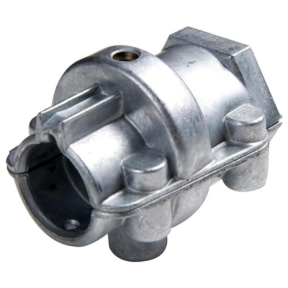
| Cable breaks and transfer units | Support compatible dual-station control arrangements. |
Why Choose Mechanical Boat Steering?
Mechanical steering is a practical control method for many small to medium-sized boats. The cable-and-linkage design is often easier to inspect and troubleshoot than a more complex steering arrangement.
| Advantage | Benefit |
|---|---|
| Reliable operation | Cable steering provides direct mechanical control in varied operating conditions. |
| Cost-conscious design | Mechanical systems can cost less than hydraulic steering systems for suitable boats. |
| Accessible maintenance | Cables, linkages, controls, and connection points can be inspected individually. |
| Tactile feedback | Direct mechanical movement lets the operator feel steering resistance, particularly on sailboats. |
How to Choose Boat Steering and Throttle Controls
| Step | Selection Factor | What to Check |
|---|---|---|
| 1 | Identify the control function | Determine whether the project requires steering, throttle, shifting, or a combined dual-function control. |
| 2 | Check the boat and engine configuration | Select components intended for the applicable inboard, outboard, helm, or rudder arrangement. |
| 3 | Confirm mounting position | Engine controls may use side-mount or top-mount installation. |
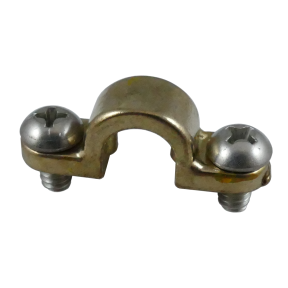
| 4 | Verify compatibility | Match cables, connection kits, levers, brackets, knobs, and replacement parts to the existing system. |
| 5 | Inspect the cable route | Review cable condition, routing, bends, tension, and available installation space before selecting replacements. |
Mechanical Steering and Control Brands
Available mechanical control products include steering cables, engine controls, control levers, kits, and replacement components from SeaStar Solutions, Morse Controls, and U-flex.
Maintaining Mechanical Boat Steering Controls
Routine inspection helps identify mechanical steering problems before a cable or linkage becomes difficult to operate. Maintenance requirements depend on the installed steering or engine-control equipment.
- Check steering and control cables for wear, corrosion, fraying, and stiffness.
- Inspect cable connections, brackets, transfer units, and moving linkages.
- Confirm proper cable tension and unrestricted movement throughout the control range.
- Replace damaged, frayed, corroded, or stiff cables promptly.
- Lubricate approved moving parts according to the equipment manufacturer's instructions.
Frequently Asked Questions
What is a mechanical boat steering system?
A mechanical boat steering system uses cables and linkages to transfer movement from the helm to an engine or rudder. The direct connection provides responsive directional control and tactile feedback. Mechanical steering is commonly used on compatible small to medium-sized boats because it is practical to inspect, maintain, and troubleshoot.
What products are included with mechanical boat controls?
Mechanical boat controls include steering cables, steering system kits, throttle and shift mechanisms, dual-function engine controls, control levers, knobs, brackets, connection kits, transfer units, and replacement parts. The correct combination depends on the vessel, engine configuration, helm arrangement, mounting position, and compatibility with the existing control system.
How do I choose the correct boat steering cable?
Choose a boat steering cable by matching it to the existing helm, engine or rudder arrangement, cable route, connection hardware, and steering system. Inspect the original cable and installation before ordering. Cable dimensions and compatibility requirements should follow the steering equipment manufacturer's instructions rather than estimates based only on boat length.
What is the difference between side-mount and top-mount engine controls?
Side-mount engine controls attach to the side of a console or interior surface, while top-mount controls attach to the upper surface of a console. The correct mounting type depends on available space, control-cable routing, helm layout, engine configuration, and whether the installation uses single or multiple control levers.
How often should mechanical steering cables be inspected?
Mechanical steering cables should be inspected regularly and whenever steering becomes stiff, uneven, or difficult to operate. Check the cable jacket, connection points, brackets, and moving parts for corrosion, fraying, wear, binding, and restricted movement. Replace damaged or stiff components promptly and follow the manufacturer's maintenance schedule.
How do I troubleshoot stiff or frozen mechanical boat steering?
Start by isolating the source of resistance within the helm, steering cable, linkage, engine, or rudder connection. Disconnect components only according to the equipment manufacturer's procedure, then check each section for corrosion, binding, damage, or restricted movement. Clean approved parts or replace the faulty component before operating the boat.