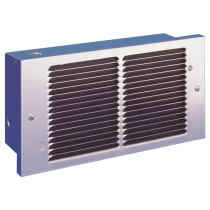
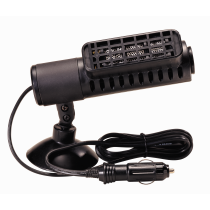
Stay Warm with Fisheries Supply’s Marine Heaters
Marine heaters provide cabin heat, defrosting, and moisture control for recreational and commercial boats in cold or damp conditions. Fisheries Supply offers diesel, propane, electric, hydronic, and solid-fuel boat heaters for sailboats, skiffs, trawlers, cabin cruisers, and liveaboard boats.
Choosing a Boat Cabin Heater
Select a marine heater by comparing fuel availability, electrical capacity, cabin volume, insulation, BTU output, ventilation needs, and expected operating time. Fixed systems suit regular cruising and multi-cabin heating, while portable units may fit occasional use when their power, clearance, and safety requirements match the boat.
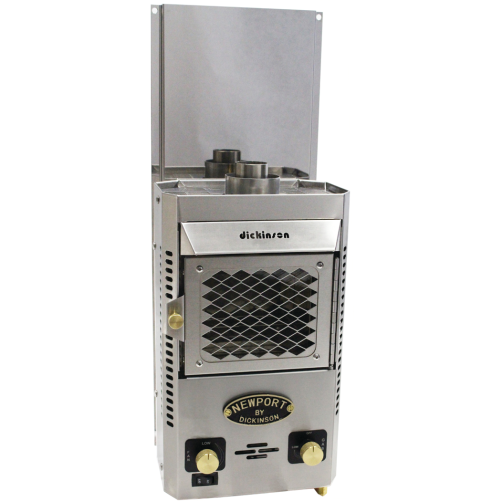
Fisheries Supply carries marine heating equipment from established manufacturers, including Dickinson Marine. The right system can improve cabin comfort, reduce condensation, support windshield defrosting, and help protect tanks, lines, and lockers from freezing.
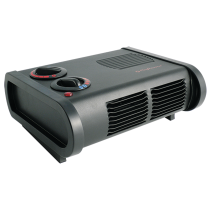
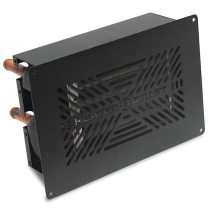
Types of Marine Heaters
| Marine heater type | How it works | Common applications | Installation considerations |
|---|---|---|---|
| Diesel boat heaters | Forced-air systems distribute warm air through ducts. Hydronic models heat coolant for fan coils, radiators, domestic water, or compatible defrost circuits. | Cruising boats and commercial vessels that already carry diesel fuel. | Requires a fuel supply, electrical connection, combustion air, and marine-rated exhaust system. |
| Propane and LPG heaters | Burns propane or LPG to provide responsive cabin heat. | Boats equipped with a compliant marine LPG installation. | Requires approved regulators, protected fuel lines, sealed cylinder lockers, overboard drains, combustion air, and routine leak testing. |
| Electric boat heaters | Uses electrical resistance to produce cabin heat with limited burner maintenance. | Dockside use with shore power or boats with adequate battery banks and inverter capacity. | Wiring, circuit protection, outlets, and power sources must support the continuous load and startup demand. |
| Hydronic heating systems | Circulates heated coolant through a closed loop connected to radiators or fan coils. | Quiet, balanced heating across multiple cabins and compatible defrost circuits. | Requires coolant plumbing, pumps, controls, heat exchangers, and suitable service access. |
| Wood and solid-fuel heaters | Burns solid fuel to produce traditional radiant cabin heat with low electrical demand. | Compatible boats with space for a fixed stove, fuel storage, and flue system. | Requires a marine-rated flue, safe clearances, secure fuel storage, ash removal, ventilation, and carbon monoxide detection. |
How to Select the Right Marine Heater
| Step | Selection factor | What to evaluate |
|---|---|---|
| 1 | Calculate the heating demand | Use cabin volume, insulation, glazing, ventilation, and expected outside temperatures to determine the required BTU/hr. Follow the manufacturer’s sizing method rather than relying only on boat length. |
| 2 | Review onboard fuel and power | Match the heater to available diesel, LPG, AC shore power, DC capacity, inverter output, wiring, and overcurrent protection. |
| 3 | Choose a distribution method | A single cabin may need direct or forced-air heat, while multi-cabin boats often benefit from ducted air or hydronic loops. |
| 4 | Plan the installation route | Confirm space for the heater, controls, ducting, coolant lines, fuel supply, combustion air, exhaust, and maintenance access. |
| 5 | Match the duty cycle | Compare the demands of weekend cruising, liveaboard use, charter service, and commercial operation with heater durability and service intervals. |
Features and Benefits to Compare
| Feature | Function | Benefit |
|---|---|---|
| Thermostatic control | Maintains a selected cabin temperature. | Reduces unnecessary fuel or electrical use while supporting consistent cabin comfort. |
| Quiet operation | Limits fan, pump, and combustion noise. | Supports overnight operation near berths and occupied cabins. |
| Defrost capability | Directs warm air or hydronic heat toward cabin windows. | Reduces condensation and improves visibility through glazed surfaces. |
| Overheat protection | Activates an automatic cutoff when operating temperatures move outside normal limits. | Reduces risk when airflow is restricted or coolant circulation is interrupted. |
| Portable-heater protection | Uses tip-over switches and guarded heating elements where applicable. | Adds protection if a portable heater shifts or falls during use. |
| Moisture management | Combines cabin heating with boat dehumidifiers. | Helps control condensation, humidity, and damp interior air. |
Marine Heater Installation and Safety
| Safety area | Required practices | Components to inspect |
|---|---|---|
| Exhaust and ventilation | Use marine-rated flue and exhaust components, maintain required clearances, and route outlets away from openings and occupied areas. | Flues, exhaust hoses, clamps, outlets, heat shields, combustion-air inlets, and nearby surfaces. |
| Carbon monoxide detection | Install and test marine carbon monoxide alarms and smoke detectors according to manufacturer guidance. | Alarm sensors, batteries, power connections, test controls, expiration dates, and mounting locations. |
| LPG systems | Use compliant cylinder lockers, overboard drains, marine regulators, shutoff valves, protected lines, and leak detectors. | Cylinders, lockers, drains, regulators, valves, hoses, fittings, and leak-detection equipment. |
| Electrical systems | Size wiring, connections, breakers, and fuses for continuous current and startup demand. | Cables, terminals, grounding points, fuses, circuit breakers, outlets, inverters, and battery connections. |
| Routine maintenance | Follow the heater manufacturer’s stated inspection and service intervals. | Burners, glow plugs, filters, pumps, ducts, coolant, fuel lines, electrical connections, and exhaust components. |
Check the manual for each heater before purchase or installation. Brand-specific information is available from Dickinson Marine and the applicable equipment manufacturer.
Frequently Asked Questions
How many BTUs does my boat cabin heater need?
Marine heater output depends on cabin volume, insulation, window area, ventilation, and the lowest expected outside temperature. Colder climates and lightly insulated cabins require more BTU/hr. Use the heater manufacturer’s sizing worksheet and account for every cabin or defrost outlet connected to the system.
Is a diesel or propane heater better for a boat?
Diesel heaters commonly suit boats that already carry diesel, while propane heaters fit boats with compliant LPG storage and plumbing. Compare fuel access, electrical demand, exhaust routing, installation space, service needs, and local fuel availability. Both types require correct ventilation and carbon monoxide detection.
What is the difference between forced-air and hydronic boat heating?
Forced-air heaters move warm air through ducts for fast cabin heating and windshield defrosting. Hydronic heaters circulate heated coolant to radiators or fan coils, producing quieter and more balanced heat across multiple cabins. Hydronic systems typically involve more plumbing, pumps, controls, and installation labor.
Can I run a marine heater while anchored?
Yes, a marine heater can operate at anchor when its fuel, combustion air, exhaust, and electrical requirements are met. Diesel and propane systems are common away from shore power. Electric resistance heaters usually require a large battery bank, suitable inverter, generator, or another adequate AC source.
What safety equipment is needed with a boat heater?
A boat heater should be paired with working carbon monoxide alarms, smoke detectors, marine-rated exhaust components, and suitable fire extinguishers. LPG installations also need compliant lockers, drains, regulators, shutoff valves, and leak detection. Electrical heaters require properly sized wiring, breakers, outlets, and circuit protection.
Can a marine heater reduce condensation inside a boat?
Yes, cabin heat can reduce surface condensation by warming interior air and nearby structures, but heat alone does not remove moisture. Ventilation and a properly sized boat dehumidifier help control humidity. Repair water leaks and maintain airflow through lockers, berths, and enclosed compartments.