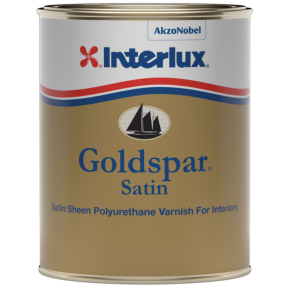
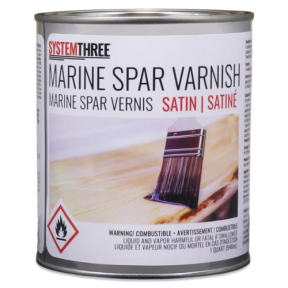
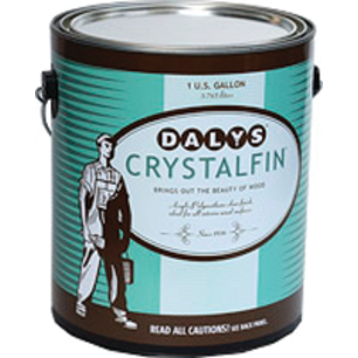
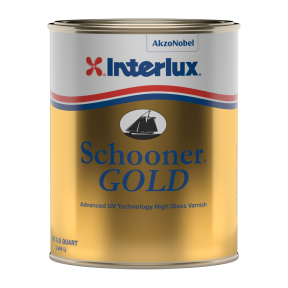
Marine Varnish

35 results
CategoryMarine Paint
CategoryMarine Varnish
Show In-Stock Only

1-35 results of 35 Previous Next

Marine Varnishes and Polyurethanes for Boat Wood Protection

Marine varnishes and polyurethanes are clear wood finishes designed for boat owners, marine DIYers, and refit yards protecting exterior brightwork, teak, trim, and interior joinery. The right coating helps defend wood against ultraviolet exposure, saltwater, moisture, abrasion, and seasonal movement while preserving visible grain.

Marine Varnish Key Takeaways

What Is Marine Varnish or Polyurethane?

Marine varnish is a transparent coating commonly made with phenolic- or alkyd-modified resins, drying oils such as tung or linseed oil, and UV absorbers. These components create a protective film that limits sunlight, water, salt, and wear damage without hiding the wood grain.

Marine-grade polyurethane and spar urethane provide related protection with an emphasis on abrasion resistance, flexibility, and UV screening. Film thickness, surface preparation, application technique, environmental exposure, and routine maintenance all affect coating service life.


Types of Marine Varnish and Polyurethane

Finish TypeKey CharacteristicsCommon ApplicationsAppearance and Maintenance
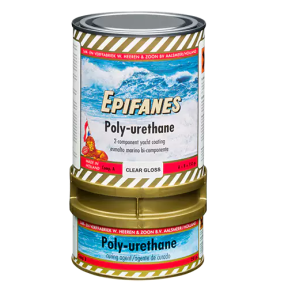
Marine-grade polyurethane or spar urethaneAbrasion resistance, film flexibility, UV screening, and saltwater resistanceExterior brightwork and epoxy-sealed wood above the waterlineHigh-build protective film; follow the specified recoat and sanding procedure
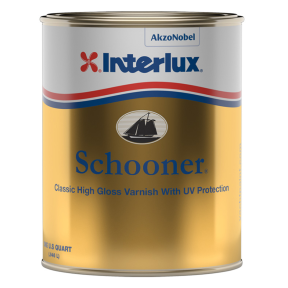
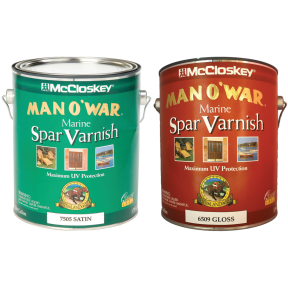
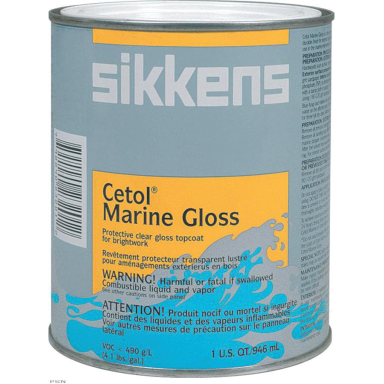
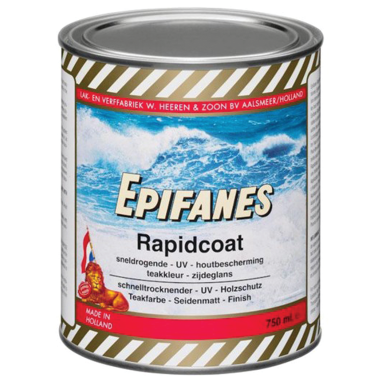
Traditional spar varnishPhenolic or alkyd resins, drying oils, UV absorbers, and flexibility for moving woodMasts, spars, trim, wooden boats, and exterior brightworkClassic deep gloss that requires periodic inspection and renewal
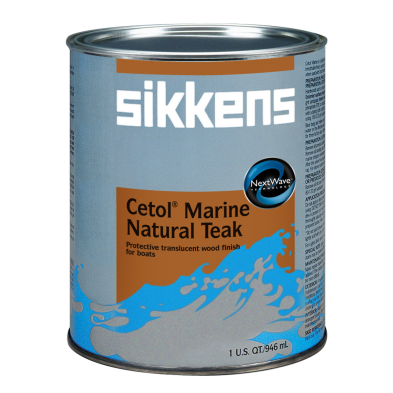
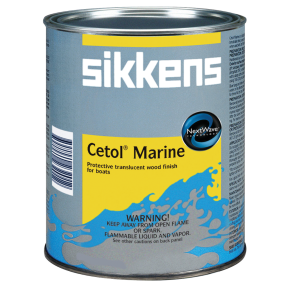
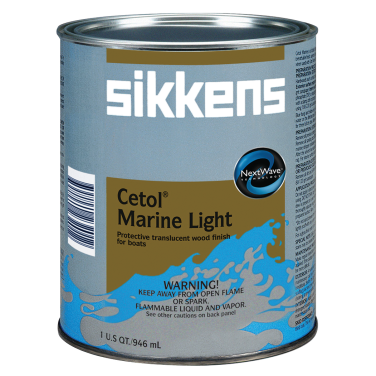
Cetol® MarineSpecialty resins and Next Wave™ UV-absorbing technologyTeak trim, furniture, and other visible marine woodTranslucent satin-to-semi-gloss appearance with lower-maintenance upkeep

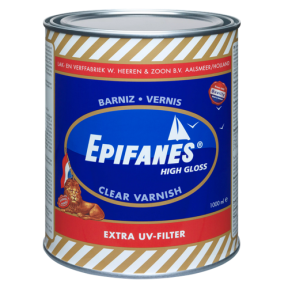
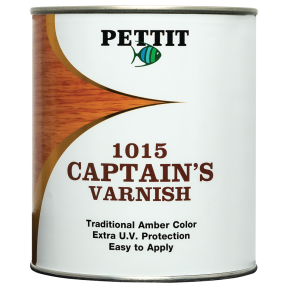
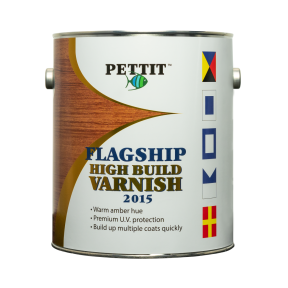
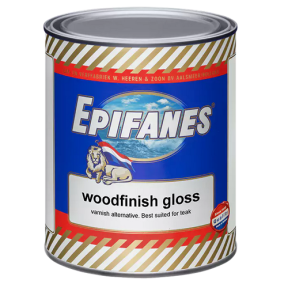
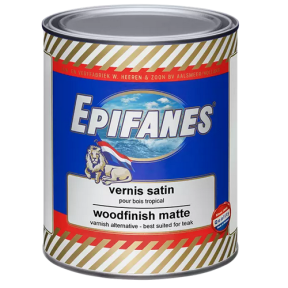
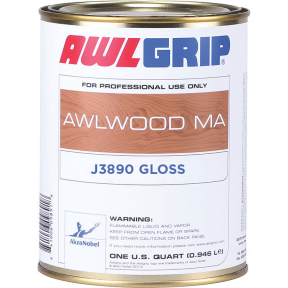
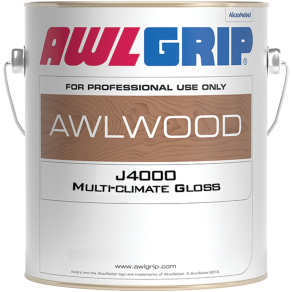
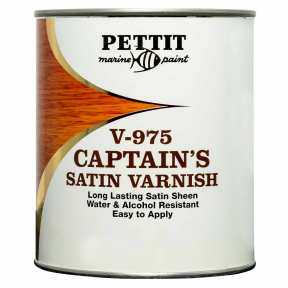
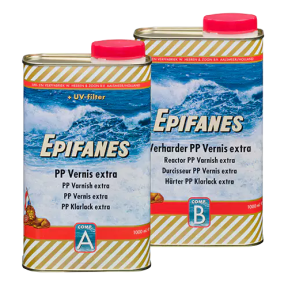
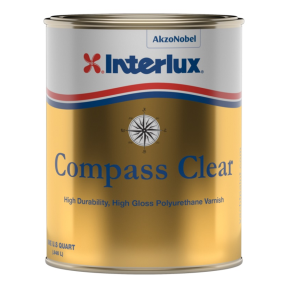
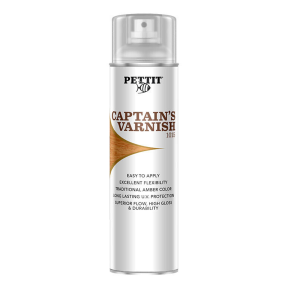
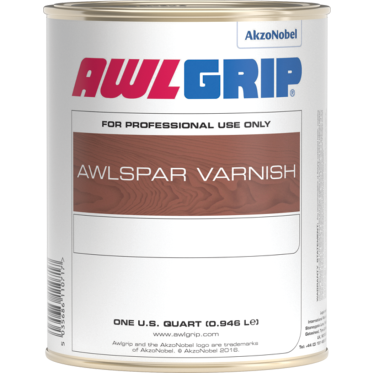
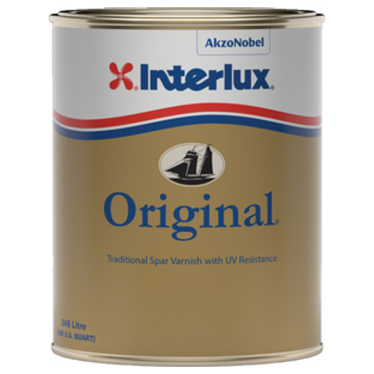
Traditional Marine Varnish Products

Marine Wood Finish Applications

ApplicationFinish SelectionProtection and Maintenance
Exterior Brightwork and Wooden BoatsSelect flexible coatings for wood components that expand, contract, or bend.Protect exposed trim from sunlight, saltwater, rain, and repeated wet-dry cycles. Maintain coating thickness before sunlight and moisture reach the underlying wood.
Teak Decks, Trim, and FurnitureUse a translucent Cetol® system when visible grain and simplified upkeep are priorities. Choose traditional marine varnish for a deep, high-gloss finish.Confirm that the selected coating is appropriate for the intended teak surface and traffic level.
Interior Joinery and Outdoor FurnitureMatch gloss, satin, or translucent sheen to the desired appearance.Consider abrasion, contact, moisture, and foot traffic. Interior wood may need a different film build and maintenance schedule than exterior brightwork.

How to Apply and Maintain Marine Varnish

StepProcessApplication Guidance
1Prepare the WoodClean, fair, sand, and remove dust. Solvent-wipe oily woods such as teak when directed by the coating manufacturer.
2Apply Thin CoatsBuild the protective film with multiple thin coats rather than one heavy application.
3Follow Drying InstructionsObserve the stated drying time, recoat window, sanding grit, temperature range, and approved reducer.
4Sand Between CoatsLight sanding promotes adhesion and removes surface imperfections when required by the product instructions.
5Inspect Each SeasonRepair nicks promptly and renew topcoats before gloss fades or the protective film becomes thin.

How to Choose a Marine Wood Finish

Compare Wood, Exposure, and Coating Compatibility
  • Wood species: Teak, mahogany, plywood, and other woods differ in oil content, movement, and preparation needs.
  • Environmental exposure: Tropical sun, salt spray, rain, and repeated moisture cycles increase the need for UV protection and timely maintenance.
  • Existing coating: Verify adhesion and solvent compatibility before applying varnish or polyurethane over epoxy or another finish.
  • Desired appearance: Choose traditional gloss, satin, or translucent color based on the boat's brightwork and interior design.
  • Application system: Review manufacturer instructions for primers, sealers, thinners, coat count, drying time, and sanding.
  • Maintenance preference: Compare the periodic upkeep of deep-gloss varnish with the simpler renewal associated with translucent Cetol® systems.

Shop Marine Wood Protection Products

Compare marine varnishes and polyurethane finishes by resin system, UV protection, sheen, wood compatibility, application method, and maintenance requirements. Complete the coating system with marine wood sealers and protectants, or review our Varnishing Tips and Tricks guide before beginning a brightwork project.


Frequently Asked Questions

How many coats of marine varnish should I apply to exterior brightwork?

Exterior brightwork commonly needs multiple thin coats to create a UV-resistant protective film. The required number depends on the varnish, wood, surface preparation, and exposure. Follow the manufacturer's coat and drying instructions, sand between coats when directed, and renew topcoats before the film becomes thin.

Can marine spar urethane be applied over epoxy-sealed wood?

Yes, compatible marine urethane systems can be applied over fully cured and properly sanded epoxy above the waterline. Check the epoxy and topcoat instructions for recoat windows, surface preparation, sanding grit, and solvent compatibility. An incompatible or insufficiently cured substrate can weaken adhesion or trap solvent.

What is the difference between Cetol® Marine and traditional spar varnish?

Cetol® Marine creates a translucent, satin-to-semi-gloss finish designed for simpler maintenance, while traditional spar varnish builds a deeper, high-gloss clear film. Both systems can contain UV-protective technology. Choose according to the wood species, desired appearance, exposure level, application instructions, and preferred maintenance schedule.

Which marine wood finish is suitable for teak trim?

Cetol® Marine and compatible traditional marine varnishes can be used on teak trim, depending on the preferred appearance and upkeep. Cetol® provides a translucent finish, while varnish creates a clearer, deeper gloss. Prepare oily teak as directed and verify that the selected product supports the intended surface and exposure.

How do UV absorbers protect marine varnish and boat wood?

UV absorbers reduce the ultraviolet energy reaching the coating and underlying wood. This protection slows photodegradation that can cause fading, chalking, cracking, gloss loss, and coating failure. UV protection is cumulative, so exterior brightwork still needs adequate film thickness, seasonal inspection, prompt repairs, and periodic maintenance coats.

When should marine varnish or polyurethane be recoated?

Recoat marine varnish before the gloss fades substantially or the protective film becomes thin. High-exposure brightwork may need seasonal inspection and maintenance. Repair scratches and nicks promptly, then clean and lightly sand the surface as directed before applying compatible topcoats that restore film thickness and UV protection.