Paddles, Oarlocks & Kayak Accessories at Fisheries Supply
Shop paddles, oarlocks, canoe paddles, and kayak accessories for rowing dinghies, fishing kayaks, canoes, tenders, and other small craft. Compare paddle fit, oar length, corrosion-resistant hardware, safety equipment, and maintenance needs before choosing gear for recreational or commercial use.
Paddles and Oarlocks: Key Buying Points
Marine Paddles, Oarlocks, and Kayak Equipment
Product Selection for Small Craft
Fisheries Supply carries oarlocks, paddle oars, canoe paddles, and kayak accessories for different boats, crews, and operating areas. Available brands and manufacturers include Sea-Dog Line, Perko, Caviness, and Beckson.
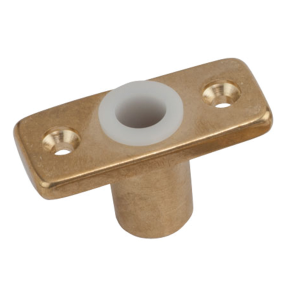
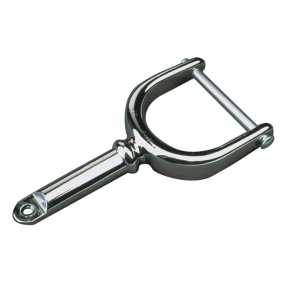
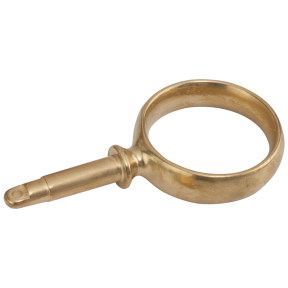
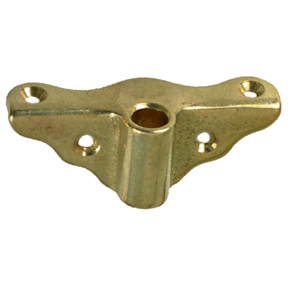
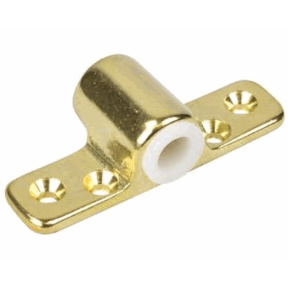
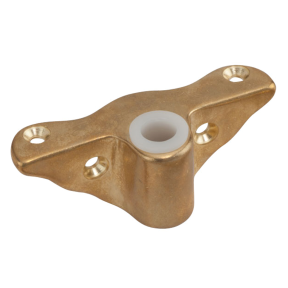
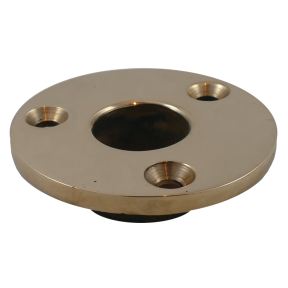
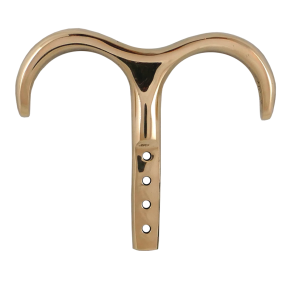
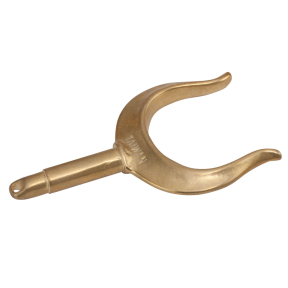
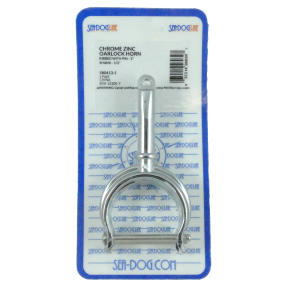
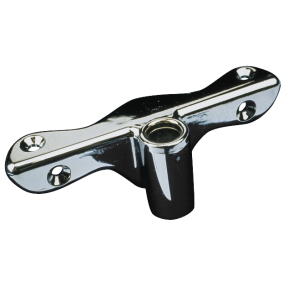
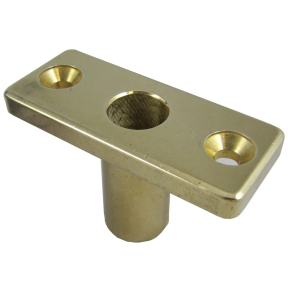
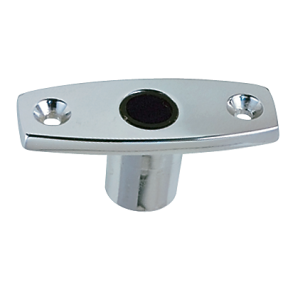
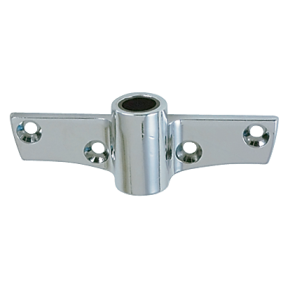
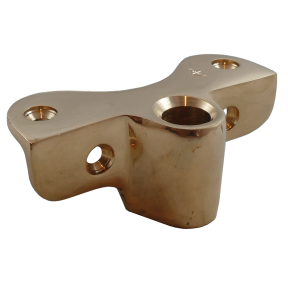
Oarlocks and sockets: Bronze, brass, stainless, and zinc-alloy hardware transfers each rowing stroke to the hull.
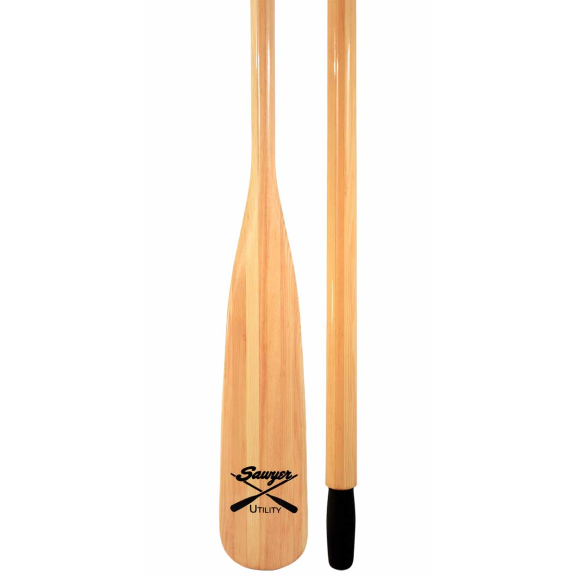
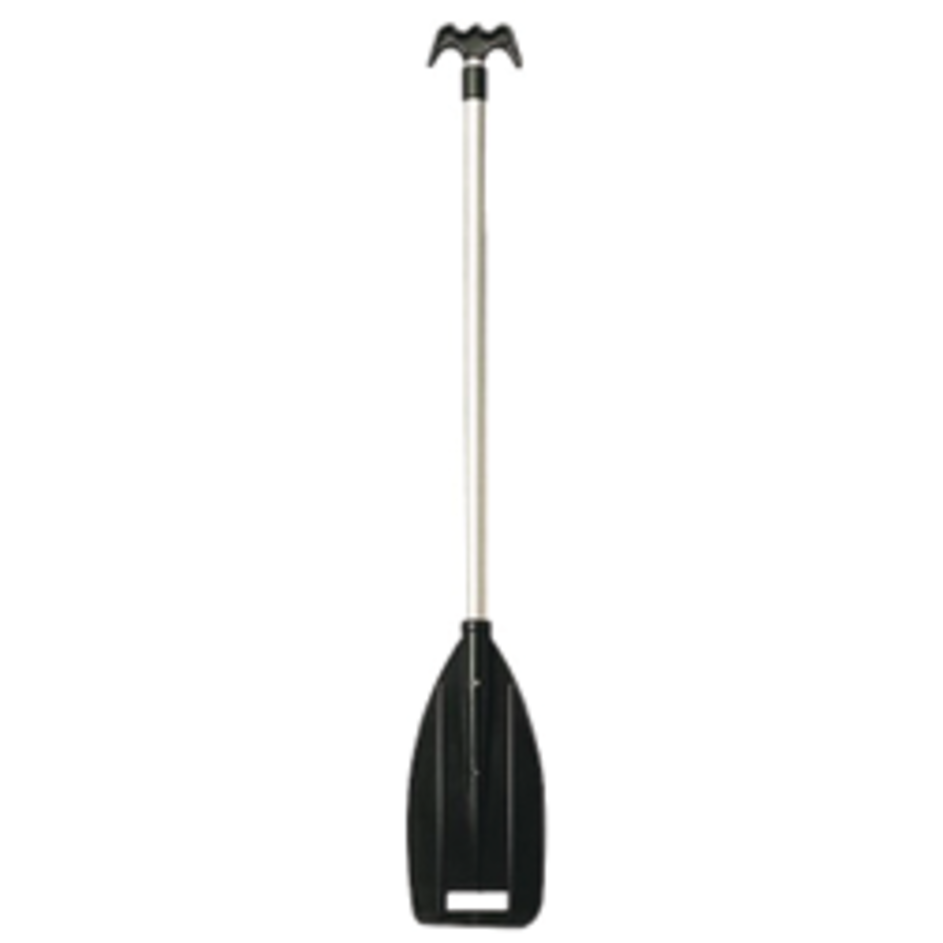
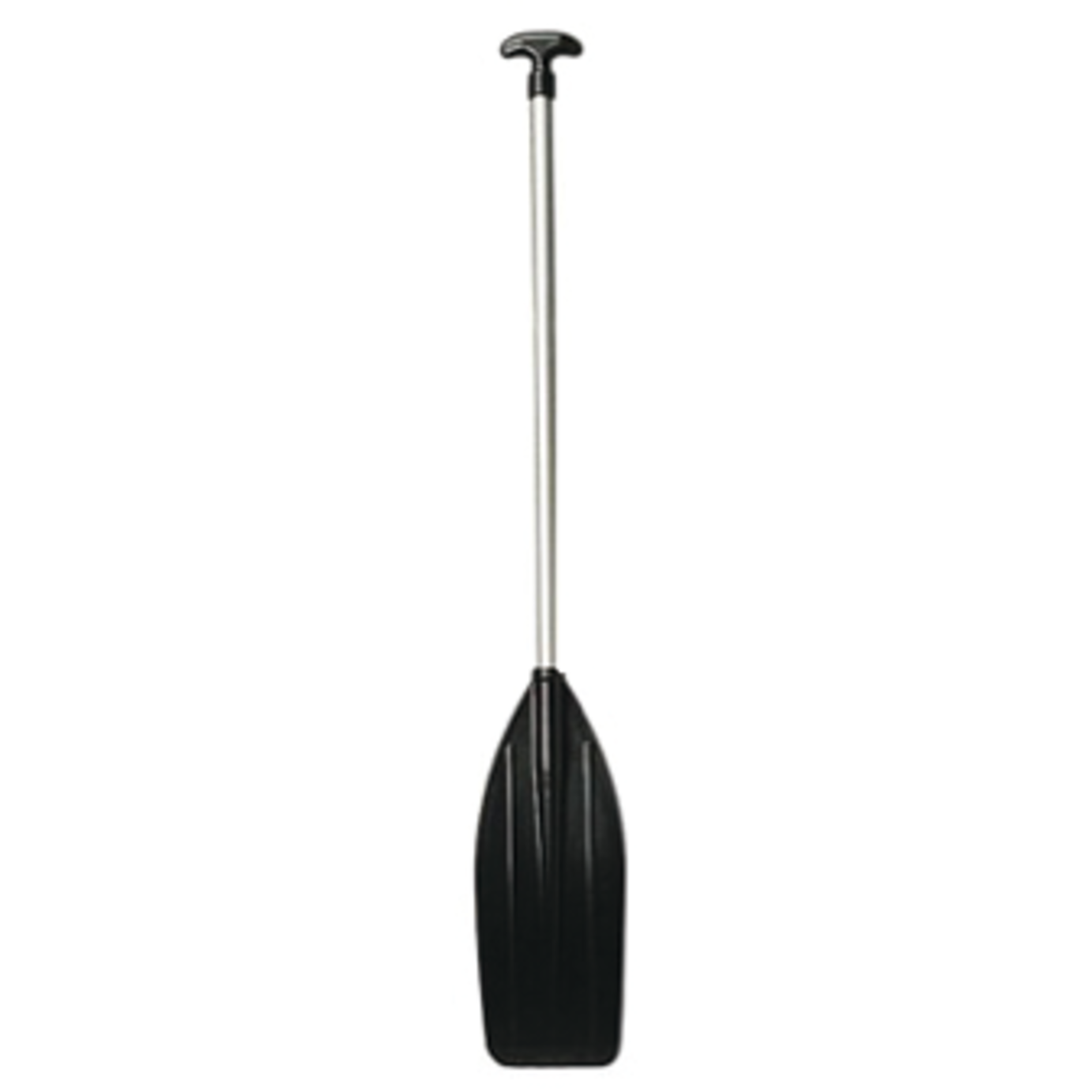
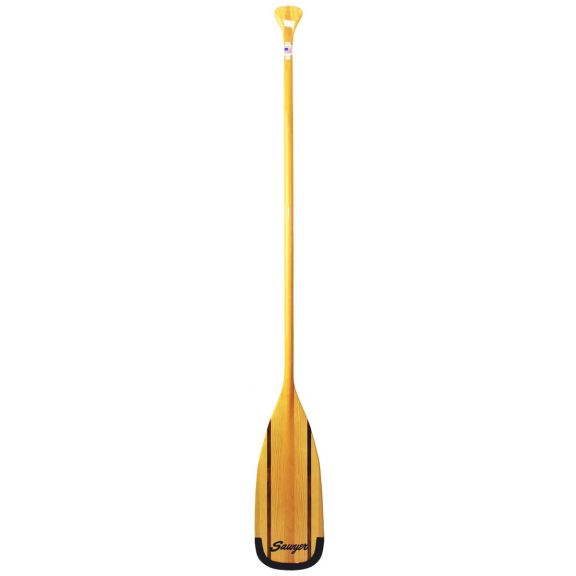
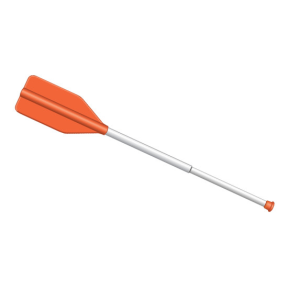
Dinghy and canoe paddles: Compact paddles and traditional wooden designs support tenders, rowing dinghies, and canoes.
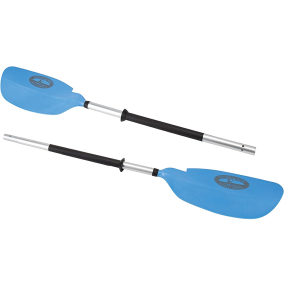
Kayak paddles: Multi-piece configurations simplify transport and storage.
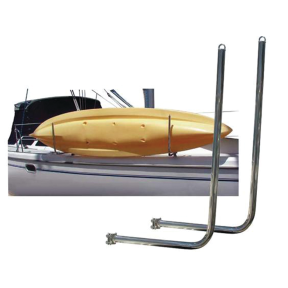
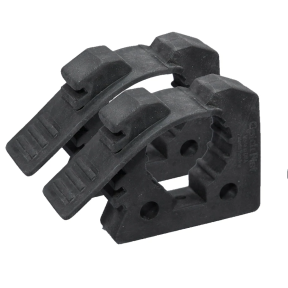
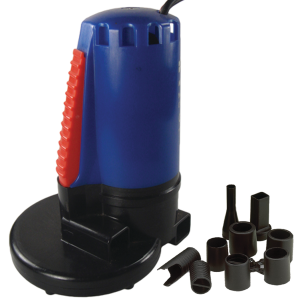
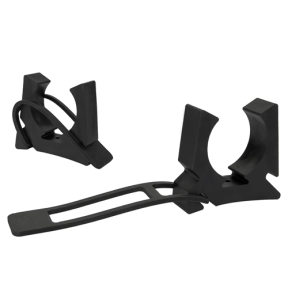
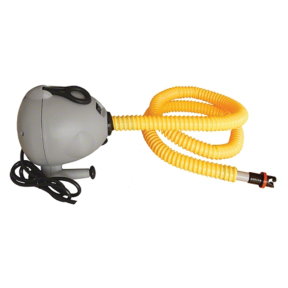
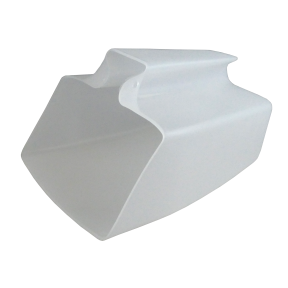
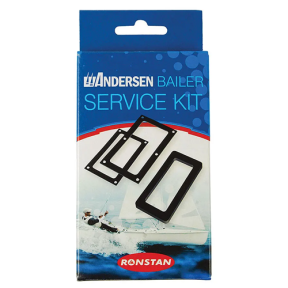
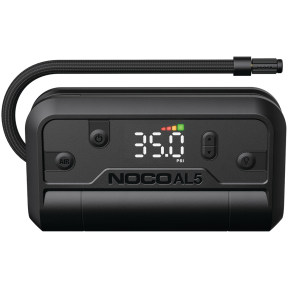
Kayak accessories: Air pumps, paddle grips, oar holders, adjustable foot braces, hatch covers, bailers, and bilge pumps support comfort and boat control.
How to Choose Paddles, Oars, and Oarlocks
Selection and Compatibility Factors
Factor
What to Compare
Selection Guidance
Kayak paddle fit
Paddler height and kayak width
Taller paddlers and wider recreational kayaks generally use longer paddles. Shorter paddlers and narrower touring kayaks can often use shorter shafts.
Oar length
Hull clearance, arm extension, leverage, and available space
Short oars reduce leverage and may create a choppy stroke. Excessively long oars can increase fatigue and become awkward in confined areas.
Oarlock compatibility
Socket fit, pin dimensions, existing hardware, and installation method
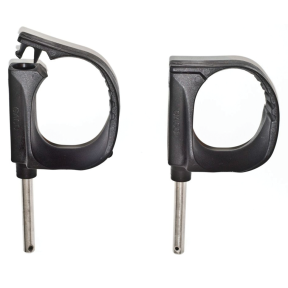
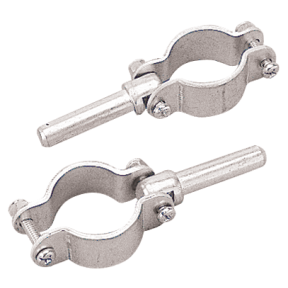
Confirm the oarlock and socket fit before selecting fixed, socket-mounted, or clamp-on hardware.
Operating environment
Freshwater, saltwater, or brackish water
Match the oarlock material to the existing hardware and water conditions to limit corrosion and maintenance.
Paddle construction
Wood, composite, or aluminum components
Wood provides a warm grip and quiet blade entry. Composite and aluminum shafts can reduce weight and increase stiffness.
Oarlock Materials and Hardware
Bronze and brass: Corrosion-resistant materials suited to traditional small craft and marine hardware systems.
Stainless steel: Durable hardware for regular marine use when paired with compatible components.
Zinc alloys: Practical hardware options for value-conscious dinghy and workboat applications.
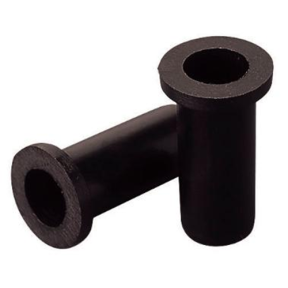
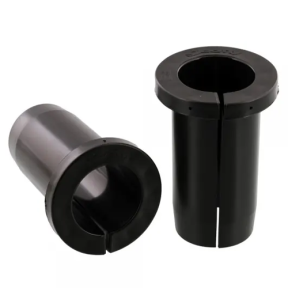
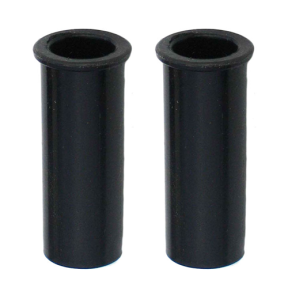
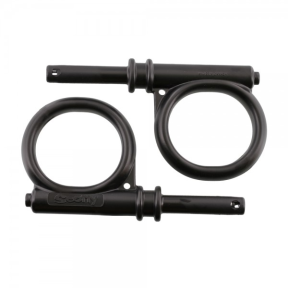
Sockets, bushings, and clamps: Components used to complete new installations or retrofit existing rowing systems.
Kayak Safety and Comfort Accessories
Category
Equipment or Factor
Purpose and Selection
Priority Equipment for Paddlers
Paddling PFD
A kayaking-specific personal flotation device has a high back and open arm area for seat clearance and an unrestricted paddle stroke. Review life vests and local regulations before choosing a model.
Attach a compact whistle to the PFD when paddling near other vessel traffic.
Backup Equipment
Carry a spare paddle, signaling kit, suitable clothing, and basic repair supplies.
Paddle Efficiency and Comfort
Paddle Fit and Construction
A paddle matched to the boat, paddler, and trip can reduce shoulder and wrist strain during longer outings. Compare blade shape, shaft length, grip design, construction material, and weight instead of selecting an oar or paddle solely by price.
Paddle and Oarlock Care
Inspection, Cleaning, and Storage
Rinse paddles, oars, oarlocks, and accessories with fresh water after saltwater or silty-water use.
Inspect oarlock pins, sockets, bushings, clamps, and fasteners for corrosion, wear, or looseness.
Check paddle and oar blades for chips, cracks, splitting, or delamination.
Dry the equipment before storage to limit trapped moisture.
Store paddles and oars away from direct sunlight and sources of prolonged heat.
Frequently Asked Questions
How do I choose the right kayak paddle length?
Choose kayak paddle length by comparing paddler height with kayak width. Taller paddlers and wider recreational kayaks generally need longer paddles, while shorter paddlers and narrow touring kayaks can often use shorter shafts. The correct fit supports comfortable blade entry, a natural cadence, and less shoulder fatigue.
What size oars should I use for a rowing dinghy?
Choose dinghy oars that provide blade clearance beside the hull and comfortable arm extension at the end of each stroke. Oars that are too short reduce leverage and can feel choppy. Oars that are too long may increase fatigue or become difficult to use in confined spaces.
Which oarlock material is suitable for saltwater use?
Bronze, brass, and compatible stainless-steel oarlocks are common choices for marine environments because they resist corrosion. Match the oarlock material to the sockets, fasteners, and other existing hardware. Mixing incompatible metals in saltwater can increase corrosion, so inspect the complete rowing system before installation.
What safety gear should I carry in a kayak or canoe?
Carry a properly fitted personal flotation device, whistle, manual bilge pump or bailer, suitable clothing, signaling equipment, and a spare paddle. A paddling PFD should permit free arm movement and clear the seat back. Select equipment for the water temperature, operating area, vessel traffic, and local regulations.
Is a manual bilge pump useful in a kayak?
Yes, a compact manual bilge pump can remove water from a kayak cockpit after heavy spray, a capsize, or an assisted rescue. Hand-operated models such as the Beckson Thirsty Mate require no electrical power. Choose a pump that fits inside the craft and remains accessible while underway.
How should paddles and oarlocks be maintained after saltwater use?
Rinse paddles, oarlocks, sockets, and fasteners with fresh water, then dry them before storage. Inspect metal parts for corrosion or looseness and check blades for cracks, chips, or delamination. Store paddles and oars away from direct sunlight to reduce material degradation and prevent avoidable equipment failure.
Help Choosing Small-Craft Equipment
Product and Application Assistance: If the required paddle, oarlock, socket, or kayak accessory is not listed, Fisheries Supply can help identify suitable alternatives or special-order equipment for a specific boat or project.
We use cookies to improve your browsing experience and analyze site traffic.
By clicking “Accept”, you consent to our use of cookies.
Read our privacy policy