
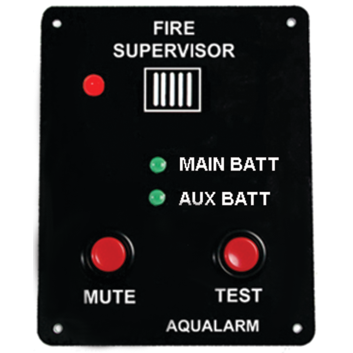
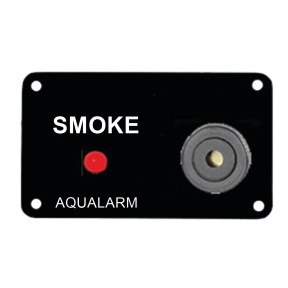
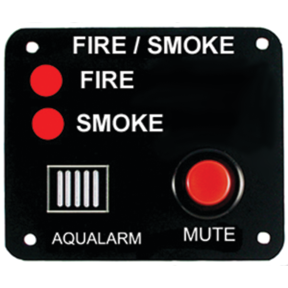
Marine CO Detectors, Gas Detectors, and Fire Alarms at Fisheries Supply
Marine CO detectors and fire alarms provide early warning of carbon monoxide, smoke, heat, gasoline vapor, propane, and other onboard hazards. Fisheries Supply offers marine-rated detection equipment for recreational boats, larger boats, new installations, and safety-system upgrades.
Marine Detection and Alarm Equipment Comparison
| Equipment Type | Hazard or Condition Detected | Common Onboard Location | Key Selection Factors |
|---|---|---|---|
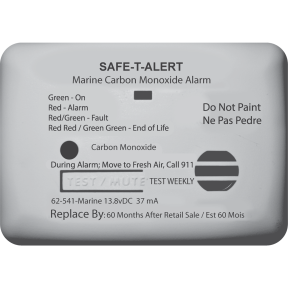
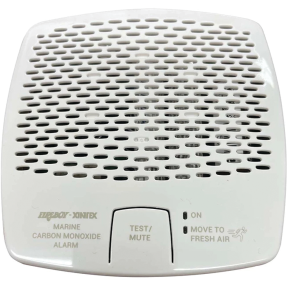
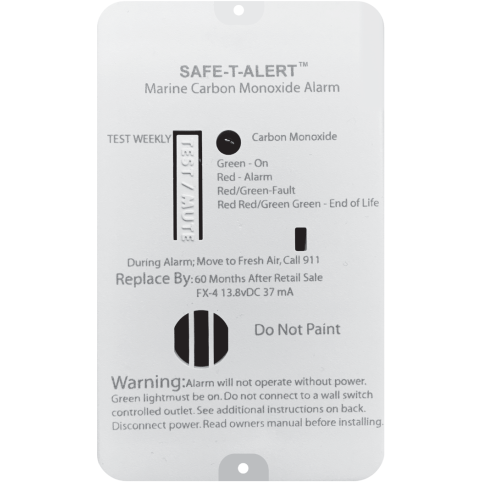
| Marine Carbon Monoxide Detector | Carbon monoxide from engines, generators, heaters, and other combustion equipment | Main cabins and sleeping areas | Marine certification, alarm threshold, power source, sensor life, and mounting location |
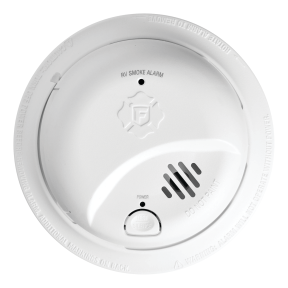
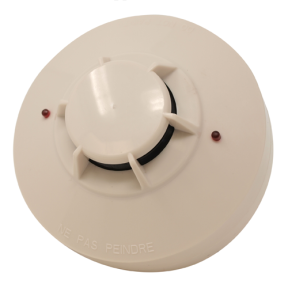
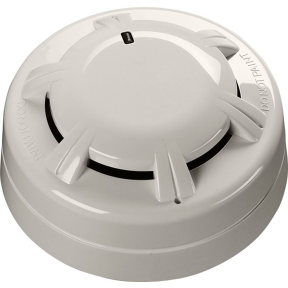
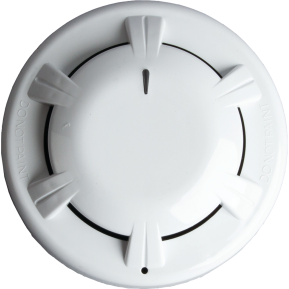
| Marine Smoke Detector | Smoke and airborne combustion particles | Cabins and accommodation spaces | Marine suitability, mounting location, operating conditions, and audible-alarm coverage |
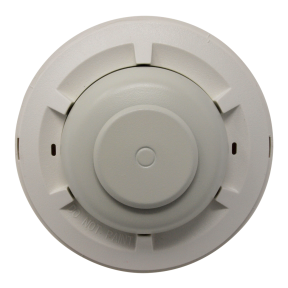
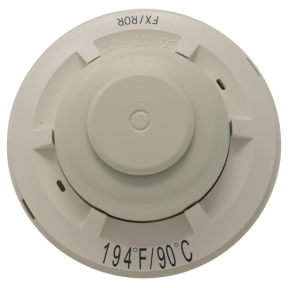
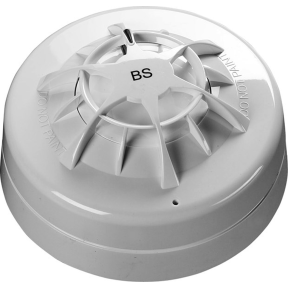
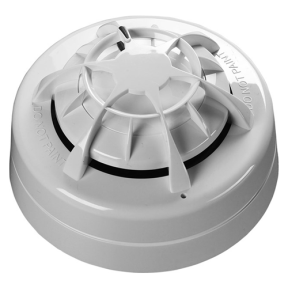
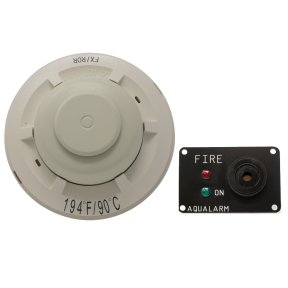
| Fixed-Temperature Heat Detector | Heat reaching a set activation threshold | Engine rooms and machinery spaces | Model-specific activation temperature; examples include 135°F or 194°F |
| Rate-of-Rise Heat Detector | Rapid temperature increase | Engine rooms and machinery spaces | Model-specific response rate; some units respond near a rise of 15°F per minute |
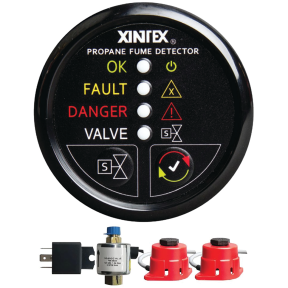
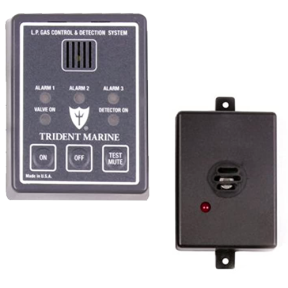
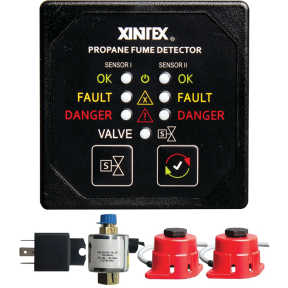
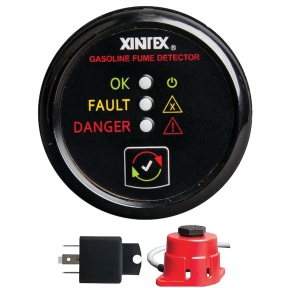
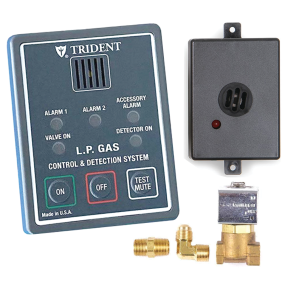
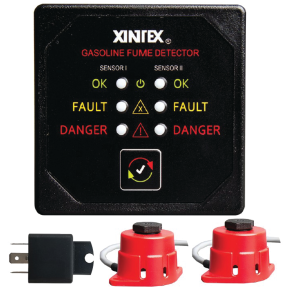
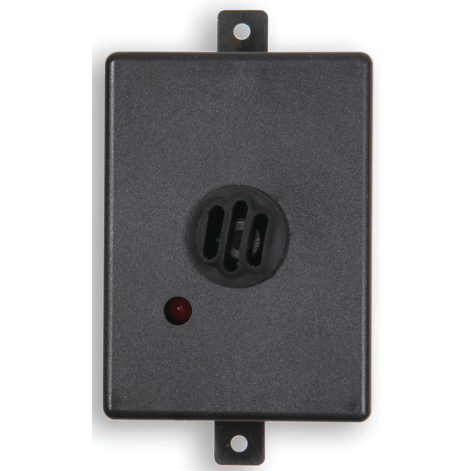
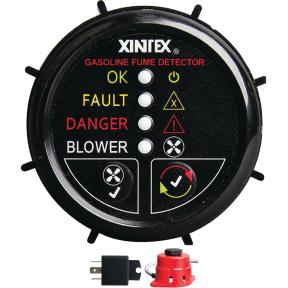
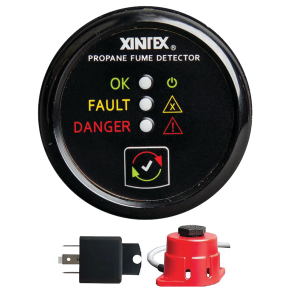
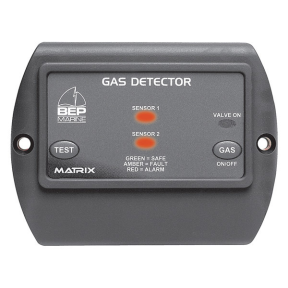
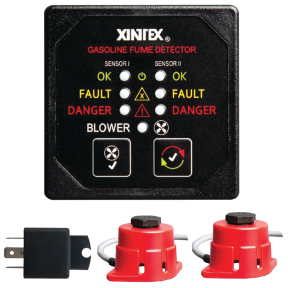
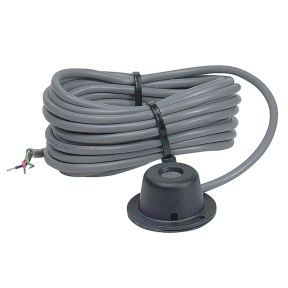
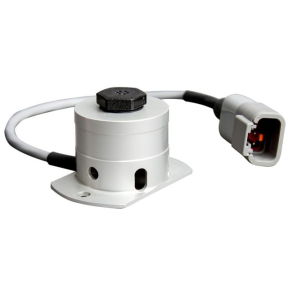
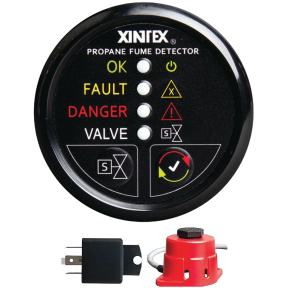
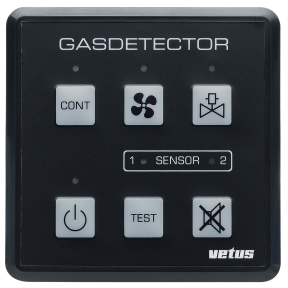
| Boat Gas or Vapor Detector | Gasoline vapor or propane leaks | Bilges, propane lockers, galleys, and enclosed fuel-system areas | Gas compatibility, sensor placement, alarm outputs, and solenoid-valve or blower controls |
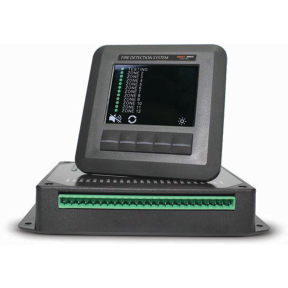
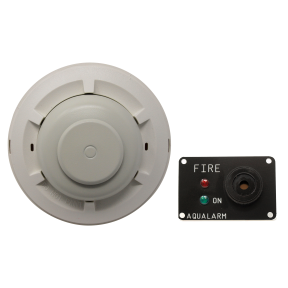
| Marine Fire Alarm System | Fire, smoke, or heat through connected detection devices | Boat-wide detection and audible-warning zones | Detector compatibility, control panel, power supply, wiring, alarm coverage, and boat configuration |
| Marine Carbon Dioxide Detector | Carbon dioxide concentrations in enclosed areas | Engine rooms, galleys, cabins, and other confined spaces | Measurement range, alarm thresholds, power requirements, mounting location, and marine suitability |
Marine Alarm Brands and Selection Factors
| Category | Options or Requirements | What to Check |
|---|---|---|
| Marine Alarm Brands | Aqualarm, Fireboy-Xintex, and BEP Marine | Compare available detectors, sensors, control panels, alarms, and compatible accessories. |
| Hazard Type | Carbon monoxide, smoke, heat, gasoline vapor, propane, or carbon dioxide | Select equipment designed to detect the specific onboard hazard. |
| Marine Certification | Marine suitability and applicable certifications, including UL 2034 Marine labeling for qualifying carbon monoxide alarms | Confirm the marine rating and certification in the product documentation. |
| Installation Location | Cabin, sleeping area, bilge, galley, engine room, or fuel locker | Match the detector type and sensor position to the intended onboard location. |
| System Compatibility | Voltage, wiring, control panels, sensor connections, relay outputs, and alarm integration | Verify that every component is compatible with the boat's electrical and alarm systems. |
| Maintenance | Testing procedures, end-of-life indicators, replacement intervals, and water-exposure guidance | Follow the manufacturer's testing, inspection, and sensor-replacement instructions. |
Installation and Maintenance Guidance
Proper placement directly affects detector performance. American Boat and Yacht Council guidance recommends carbon monoxide alarm coverage in the main cabin and each sleeping area. Installation requirements can vary by boat, detector model, and applicable standard, so follow the manufacturer's instructions and current marine safety guidance.
- Confirm the detector is rated for the intended onboard environment.
- Install each sensor where the manufacturer specifies for the monitored gas, smoke, or heat hazard.
- Test alarms with the built-in test control at the recommended interval.
- Replace expired, damaged, contaminated, or submerged sensors as directed by the manufacturer.
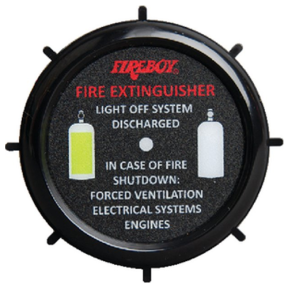
- Pair detection equipment with suitable boat fire extinguishers and an onboard emergency plan.
Frequently Asked Questions
What type of carbon monoxide detector should I buy for a boat?
Buy a marine-rated carbon monoxide detector designed for boat vibration, humidity, and enclosed accommodation spaces. Check its marine certification, power source, sensor service life, audible-alarm rating, and installation instructions. Household CO alarms may not be approved or constructed for conditions aboard recreational boats.
Where should carbon monoxide alarms be installed on a boat?
Carbon monoxide alarms should be installed in the main cabin and each sleeping area, following current ABYC guidance and the detector manufacturer's directions. Placement can vary with cabin layout, ventilation, engines, generators, and fuel-burning appliances. Do not position a sensor where airflow or obstructions could impair detection.
Can I use a household smoke detector on a boat?
A household smoke detector may not be suitable for marine vibration, moisture, temperature changes, or electrical requirements. Select a detector identified for marine use and confirm its approved mounting location. Product documentation should state the applicable certification, operating limits, power requirements, testing procedure, and replacement interval.
What is the difference between fixed-temperature and rate-of-rise fire detectors?
A fixed-temperature detector activates after reaching a defined heat threshold, while a rate-of-rise detector responds when temperature increases rapidly. Some marine heat detectors combine both methods. Activation values differ by model, so compare the listed temperature threshold, response rate, mounting location, and control-panel compatibility before purchase.
Can a marine gas detector activate a blower or shut off propane?
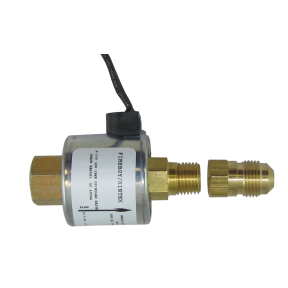
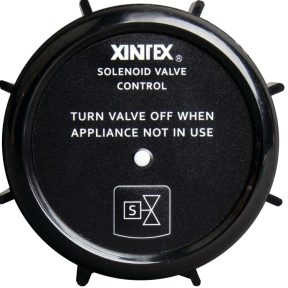
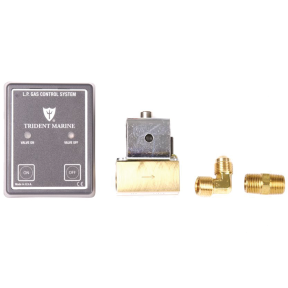
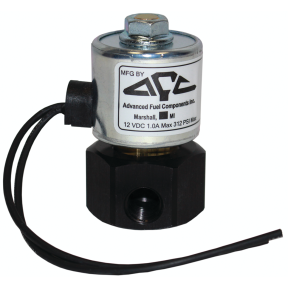
Some marine gas detection systems can activate a bilge blower or close a propane solenoid valve through compatible control outputs. This capability is model-specific. Verify the Fireboy-Xintex, BEP Marine, or other manufacturer's wiring diagram, supported sensors, relay ratings, valve compatibility, and required control equipment before installation.
How often should boat smoke, CO, and gas alarms be tested?
Boat alarms should be tested at the interval stated by the manufacturer, with monthly testing commonly recommended for many units. Use the built-in test control and inspect for damage, contamination, or end-of-life warnings. Replace expired sensors and any vapor sensor affected by submersion according to its product instructions.