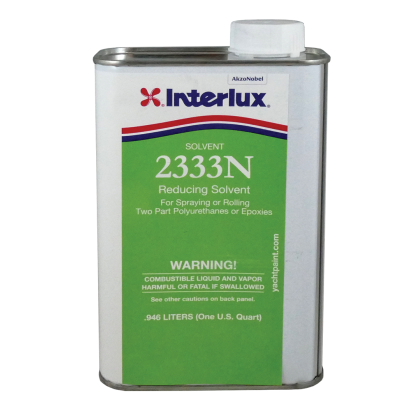
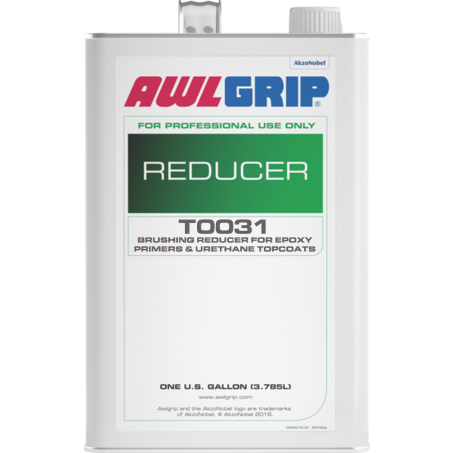
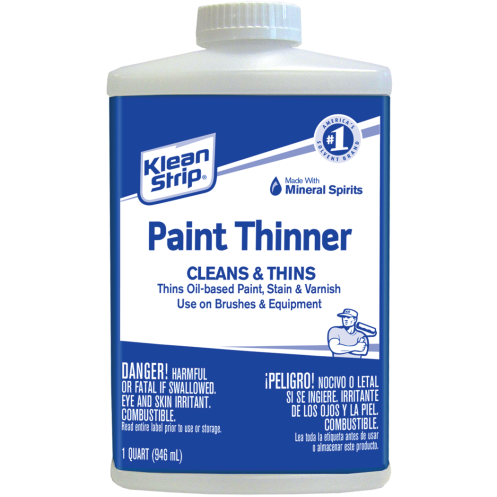
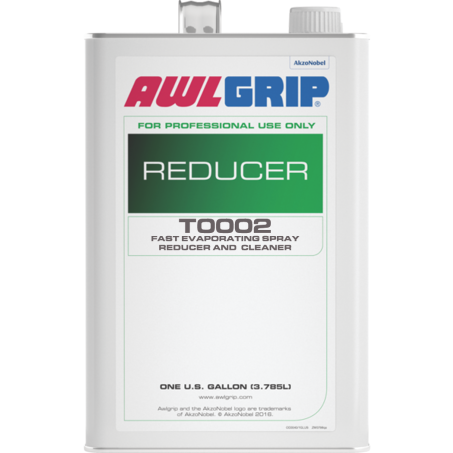
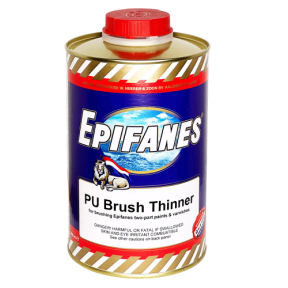
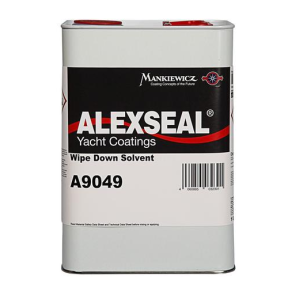
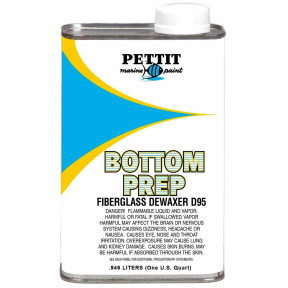
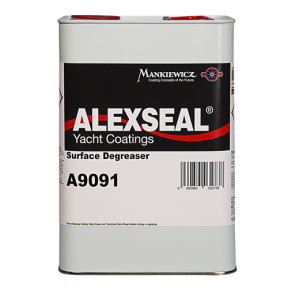
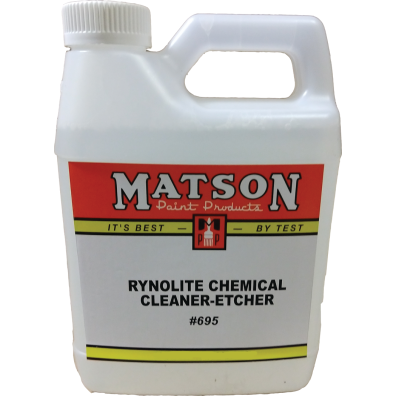
Marine Paint Thinners and Solvents at Fisheries Supply
Marine paint thinners and solvents help boat owners prepare surfaces, adjust coating viscosity, clean painting tools, and remove adhesives or old finishes. Product selection depends on the marine coating, substrate, application method, and compatibility requirements stated by the manufacturer.
What Are Marine Paint Thinners and Solvents?
Marine paint thinners reduce coating viscosity for application, while solvents dissolve contaminants, adhesives, waxes, or existing finishes. Some products also clean brushes, rollers, spray equipment, and other boat-painting tools.
- Prepare boat surfaces before applying primer, paint, or another marine coating.
- Adjust paint viscosity for brushing or spraying when permitted by the coating manufacturer.
- Clean compatible application tools after use.
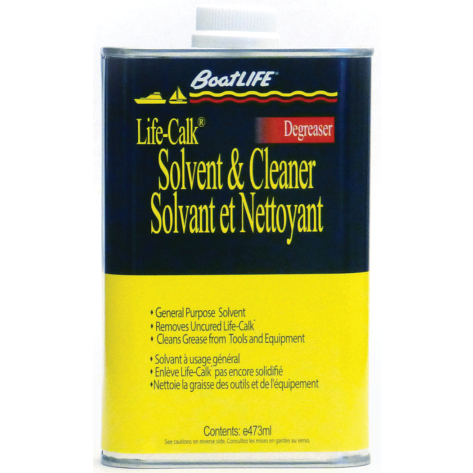
- Remove adhesives, waxes, grease, and previous coatings.
Types of Marine Paint Thinners and Solvents
| Product Type | Primary Function | What to Consider |
|---|---|---|
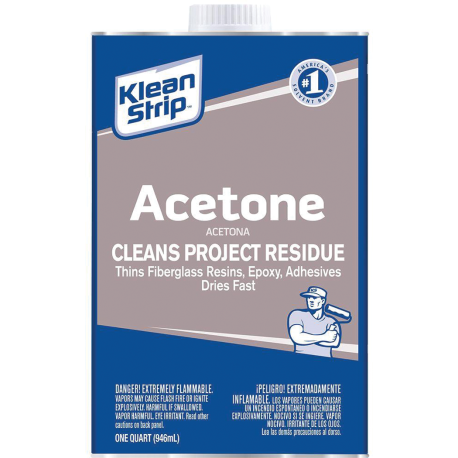
| Acetone | Fast-evaporating solvent used for compatible adhesive-removal, cleaning, and coating tasks. | Confirm that acetone is approved for the paint system and substrate before application. |
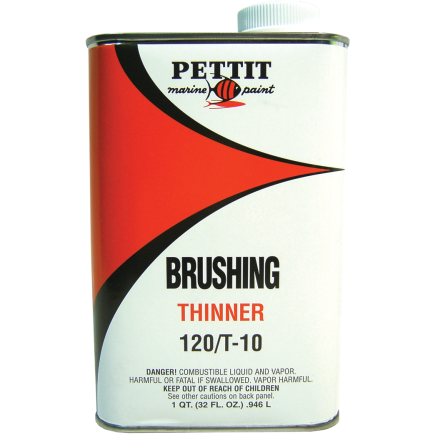
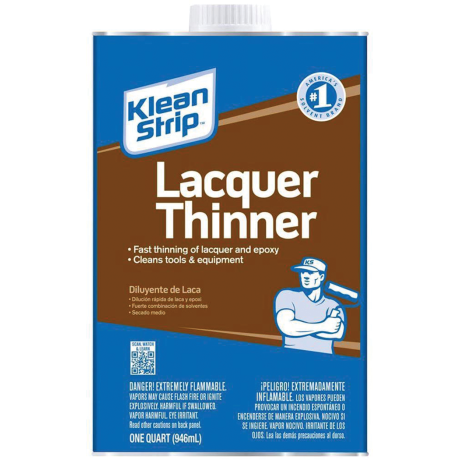
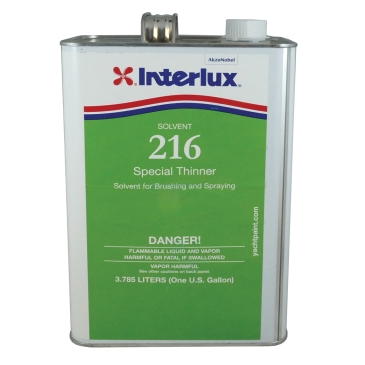
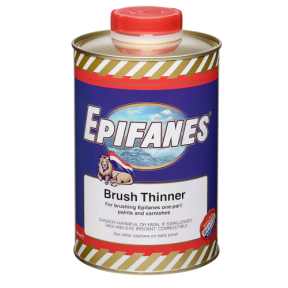
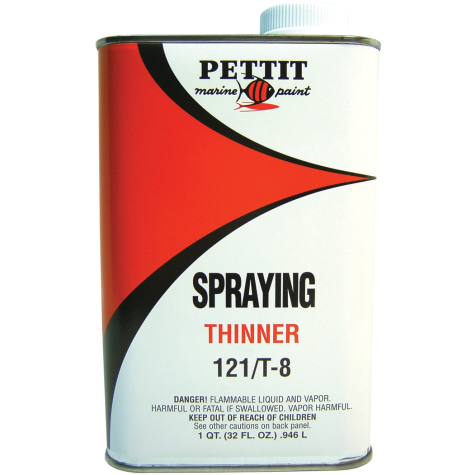
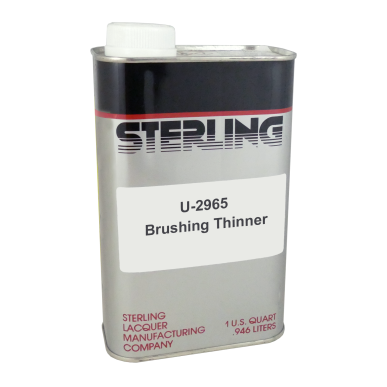
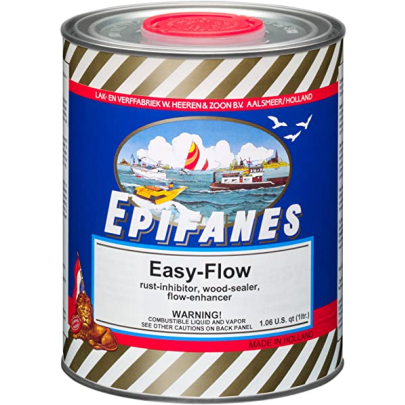
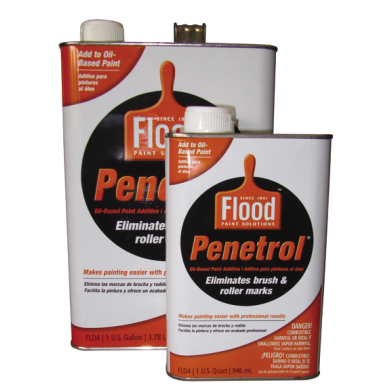
| Paint Thinners | Reduce the viscosity of compatible paint for brushing or other approved application methods. | Match the thinner to the coating chemistry and manufacturer's specified ratio. |
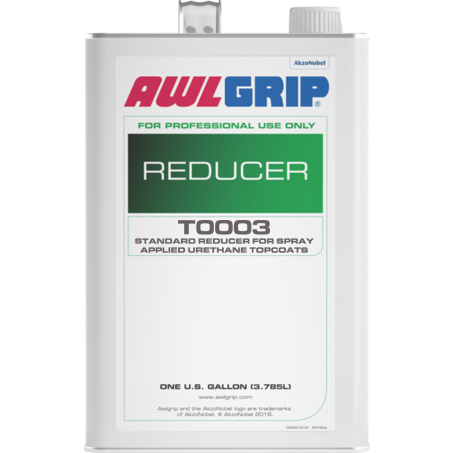
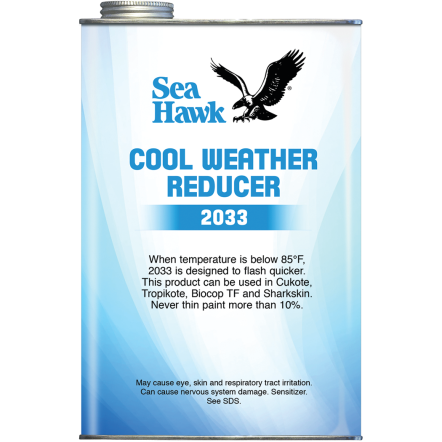
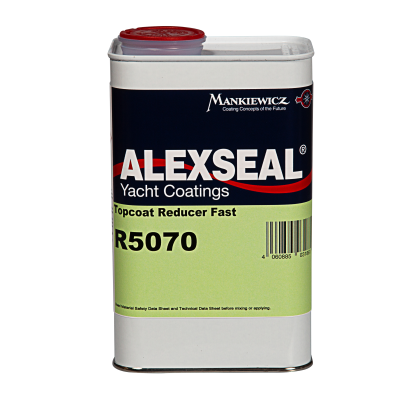
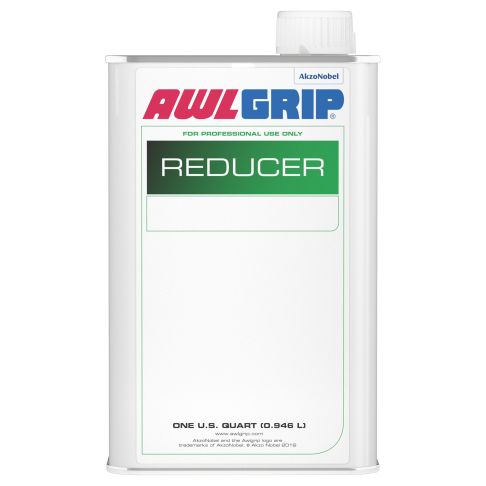
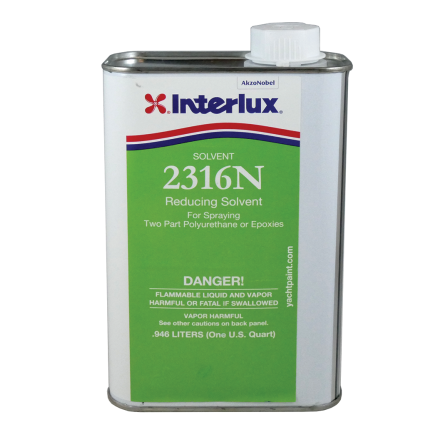
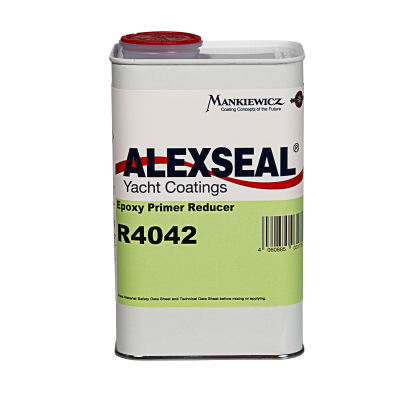
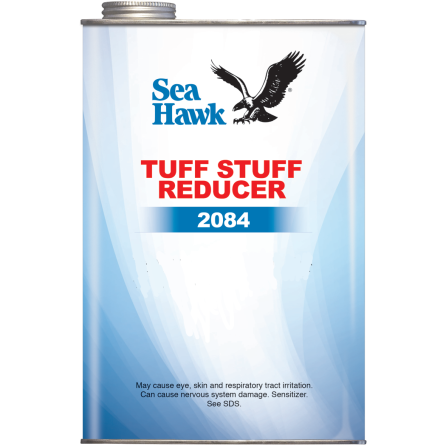
| Reducers | Adjust coating viscosity, flow, and evaporation characteristics, particularly for spray application. | Select the reducer specified for the marine coating and expected application conditions. |
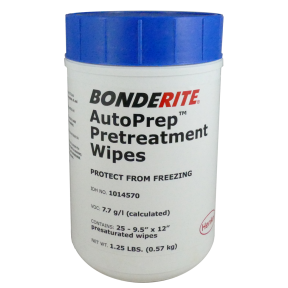
| Metal Surface Solvents | Clean and prepare compatible metal surfaces before priming or painting. | Verify compatibility with the metal, existing coating, and planned paint system. |
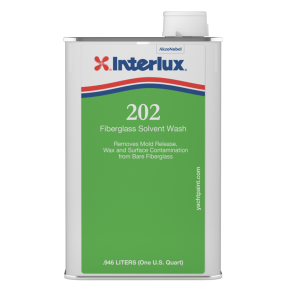
| Wax, Grease, and Adhesive Removers | Remove surface contaminants that may interfere with coating adhesion. | Use the manufacturer-approved product and a clean application method that does not redeposit residue. |
How to Choose a Marine Paint Thinner or Solvent
| Selection Factor | Recommended Approach |
|---|---|
| Marine coating | Check the paint label, technical data sheet, and application instructions. Select a manufacturer-recommended thinner or reducer to reduce the risk of curing problems, poor flow, weak adhesion, or surface defects. |
| Oil-based coatings | Use only a thinner approved for the specific formula. |
| Metal surfaces | Select a cleaner or preparation solvent intended for the metal and coating system. |
| Spray application | Confirm the approved reducer, mixing ratio, and evaporation rate. |
| Adhesive or wax removal | Choose a solvent that removes the contaminant without damaging the substrate. |
| Marine maintenance | Review product compatibility with fiberglass, wood, metal, and existing finishes. |
Marine Paint Thinner and Solvent Brands
| Brand | Product Category | Comparison Factors |
|---|---|---|
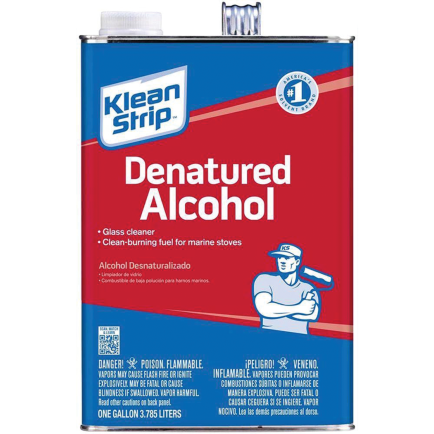
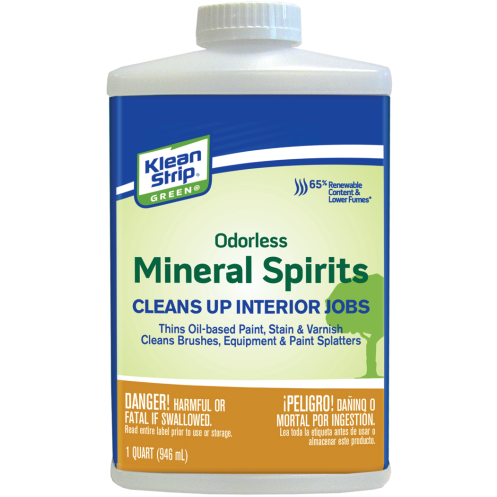
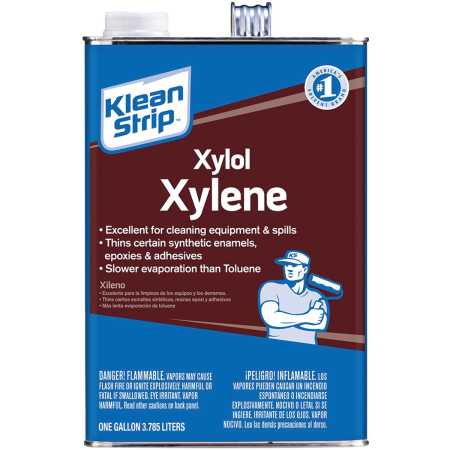
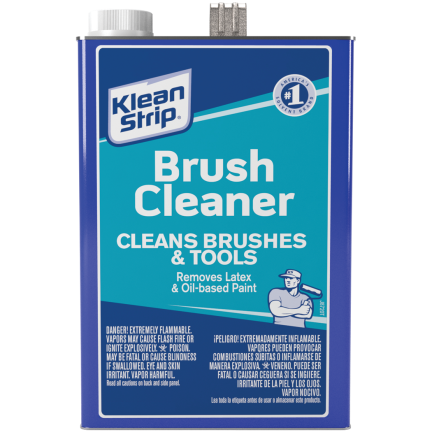
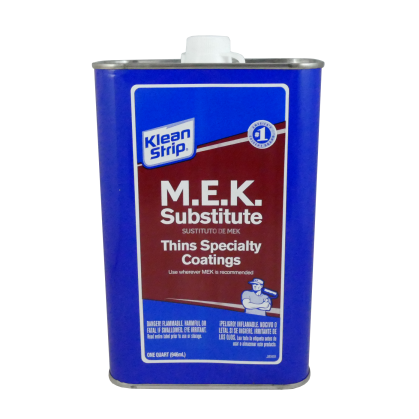
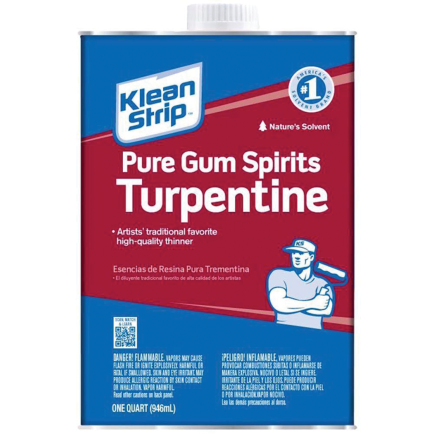
| Klean-Strip | Solvents and thinners | Compare the intended coating system, surface use, evaporation characteristics, container size, and manufacturer instructions. |
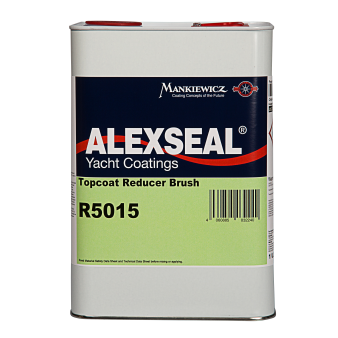
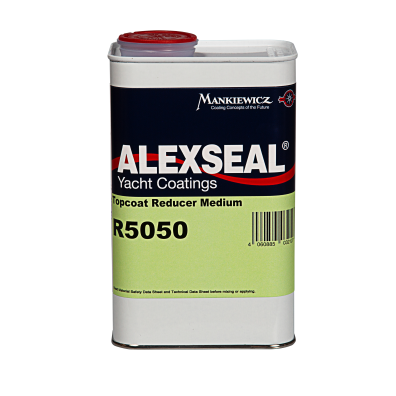
| Alexseal Yacht Coatings | Reducers and solvents | Compare the intended coating system, surface use, evaporation characteristics, container size, and manufacturer instructions. |
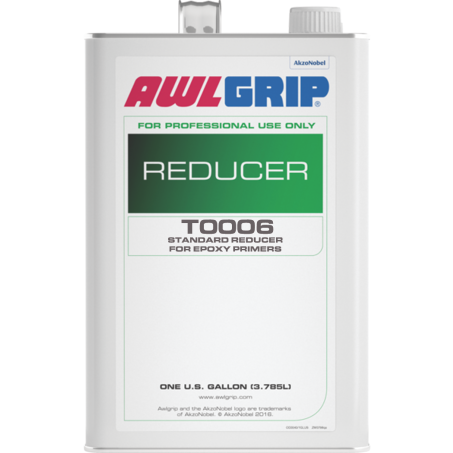
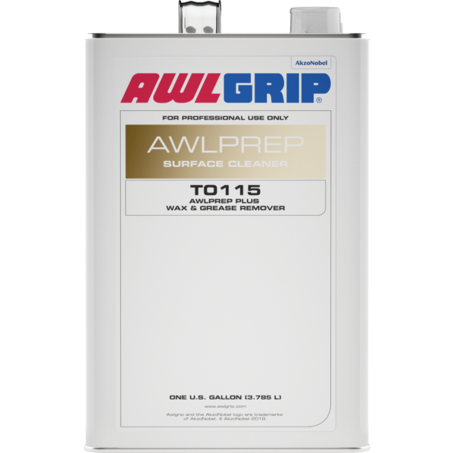
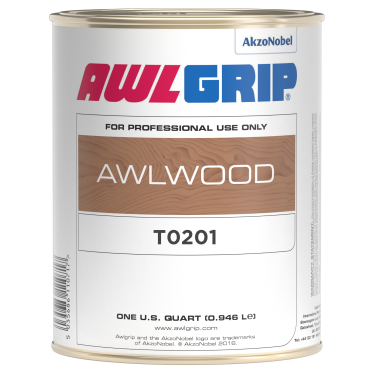
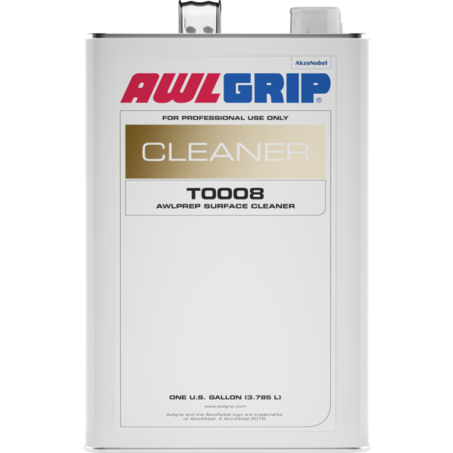
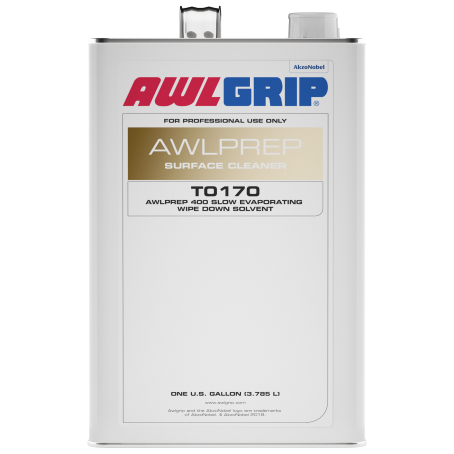
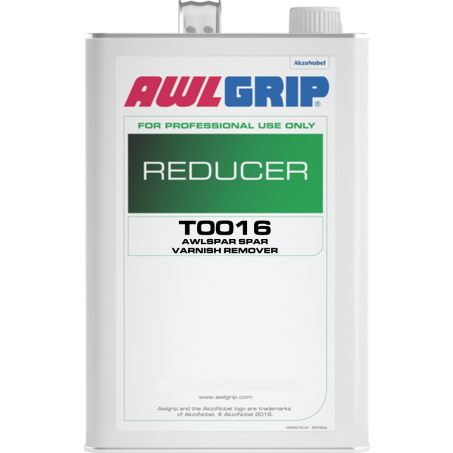
| Awlgrip | Reducers and surface-preparation solvents | Compare the intended coating system, surface use, evaporation characteristics, container size, and manufacturer instructions. |
Safe Use and Application Tips
- Read the product label, technical data sheet, and safety data sheet before use.
- Wear suitable gloves, safety glasses, and other protective equipment specified by the manufacturer.
- Work with adequate ventilation and keep the product away from ignition sources.
- Test the solvent on a small, inconspicuous area before treating the full surface.
- Do not exceed the coating manufacturer's recommended thinning or reduction ratio.
- Store and dispose of used solvents according to the product instructions and local environmental regulations.
For coating-removal projects, compare marine paint and varnish removers formulated for the target finish and substrate.
Frequently Asked Questions
What is the difference between marine paint thinner and reducer?
Marine paint thinner commonly reduces the viscosity of compatible paint for brushing and cleans approved equipment. A reducer adjusts viscosity, flow, and evaporation characteristics for a specific marine coating, often during spray application. Follow the coating manufacturer's technical data sheet because the terms and approved uses can vary by paint system.
Should marine paint and thinner come from the same manufacturer?
Use the thinner or reducer specifically approved by the marine paint manufacturer. Manufacturer compatibility supports the coating's intended flow, curing, adhesion, durability, and finish. An unapproved solvent can alter the paint chemistry or create defects, so check the product label and technical data sheet before mixing any coating components.
What solvent should I use before painting a boat surface?
Use a preparation solvent approved for the substrate, contaminant, and planned coating system. Wax and grease removers clean oil, wax, grease, and related residue before painting. Metal preparation may require a specialized solvent. Confirm compatibility with fiberglass, wood, metal, or an existing finish before treating the full surface.
Can acetone be used for every marine painting project?
No, acetone is not suitable for every marine coating or boat surface. Its fast evaporation can be useful for compatible cleaning, adhesive-removal, and coating tasks, but it may damage some substrates or interfere with certain paint systems. Check the coating instructions and test a small area before using acetone.
What safety equipment is needed for marine solvents and thinners?
Wear gloves, safety glasses, and any additional protective equipment listed on the product label or safety data sheet. Use marine solvents with adequate ventilation and away from heat, sparks, or open flames. Follow manufacturer directions for handling, storage, spill response, and disposal under applicable local environmental regulations.
How do I choose a thinner for brush or spray application?
Choose the thinner or reducer named in the coating manufacturer's application instructions. Brush application may use a product intended to improve flow, while spray application may require a reducer with specific viscosity and evaporation properties. Confirm the approved mixing ratio, coating chemistry, equipment, substrate, and application conditions before starting.