
Marine Wind, Weather & Depth Instruments at Fisheries Supply
Marine wind instruments, weather stations and depth sounders provide real-time data for safer navigation, sail trim and onboard planning. Fisheries Supply offers standalone gauges, wireless sensors, multifunction displays and networked instrument packs for sailors, powerboat boaters, and marine electronics installers.
Marine Instrument Buying Guide: Key Takeaways
- Choose sensors based on the data required: wind speed, wind direction, depth, boat speed, temperature or barometric pressure.
- Confirm compatibility with NMEA 2000, NMEA 0183, SeaTalk or the boat's proprietary network.
- Wireless wind sensors reduce mast wiring and weight aloft.
- Multisensor transducers combine depth, speed and water-temperature measurements in one fitting.
- Depth alarms provide audible or visual warnings for shallow water and changing anchorage depth.
Marine Instrument Types and Uses
| Category | Instrument Type | Function and Use |
|---|---|---|
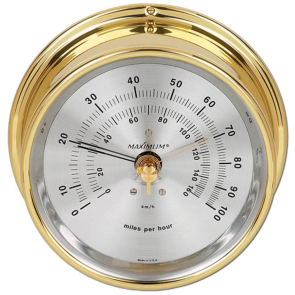
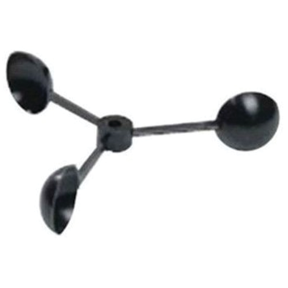
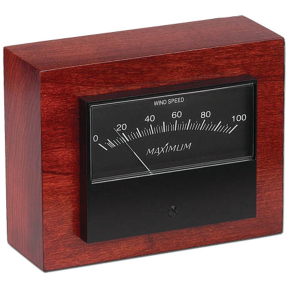
| Wind Instruments | Anemometers | Measure apparent wind speed and calculated true wind speed. |
| Wind Vanes | Report wind direction and supply wind-angle data to compatible autopilots. | |
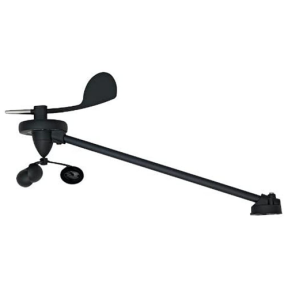
| Wireless Wind Instruments | Transmit masthead data without a wired mast connection, simplifying many retrofit installations. | |
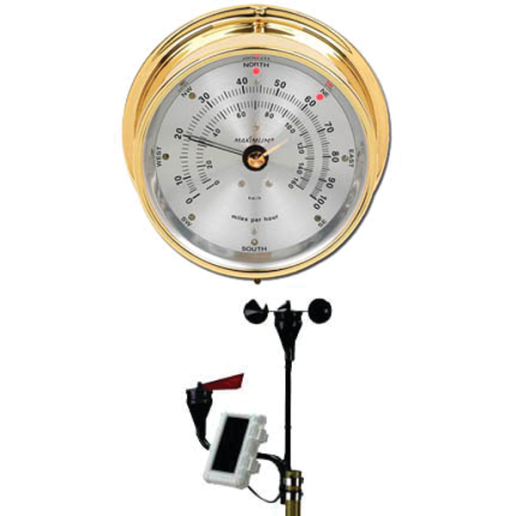
| Marine Weather Instruments | Barometric Pressure Sensors | Track atmospheric pressure trends that may indicate changing weather. |
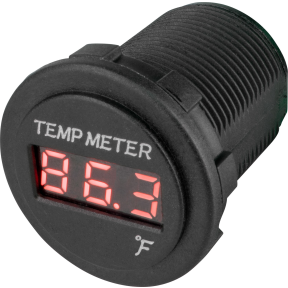
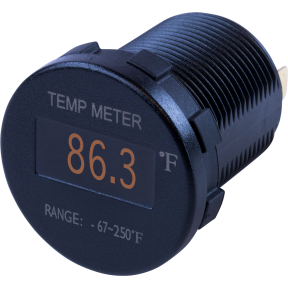
| Temperature Sensors | Monitor air or water temperature for navigation, comfort and performance analysis. | |
| Multifunction Displays | Present environmental and navigation data received from compatible onboard sensors. | |
| Depth, Speed and Sonar Instruments | Digital Depth Sounders | Use sonar to calculate water depth beneath the boat. |
| Fish Finders | Display water depth, bottom structure and detected fish targets. | |
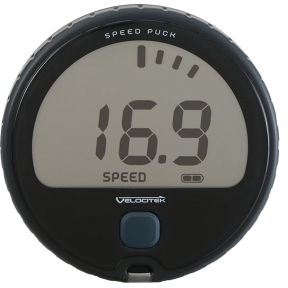
| Knotmeters | Measure boat speed through the water. | |
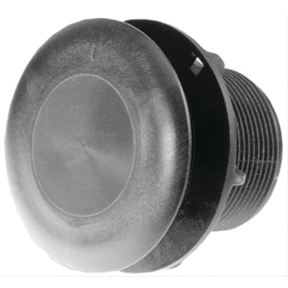
| Multisensor Transducers | Combine depth, speed and water-temperature data in a single thru-hull fitting. |
How to Choose Marine Instruments
| Instrument Type | Primary Data | Common Use | Selection Factor |
|---|---|---|---|
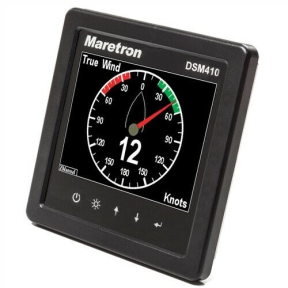
| Wind sensor | Wind speed and direction | Sail trim, routing and autopilot control | Wired or wireless installation |
| Weather station | Pressure and temperature | Monitoring local weather trends | Sensor inputs and display compatibility |
| Depth sounder | Water depth | Shallow-water navigation and anchoring | Transducer type, hull material and alarm functions |
| Multisensor transducer | Depth, speed and water temperature | Consolidated instrument data | Hull fitting and network protocol |
| Multifunction instrument | Combined sensor data | Centralized cockpit viewing | NMEA 2000, NMEA 0183 or SeaTalk support |
Popular Marine Instrument Brands and Models
| Category | Brand and Model | Features and Uses |
|---|---|---|
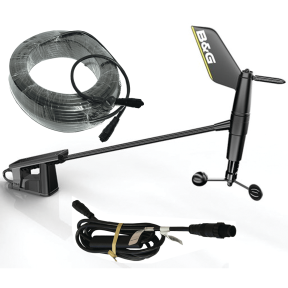
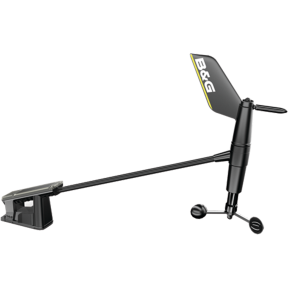
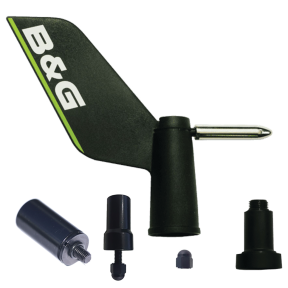
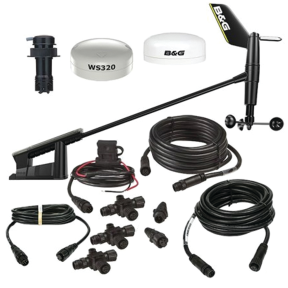
| Wind Instrument System | B&G WS320 Wireless Wind Sensor | Wireless masthead sensor designed for accurate wind data and reduced mast cabling. |
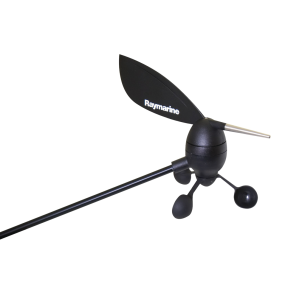
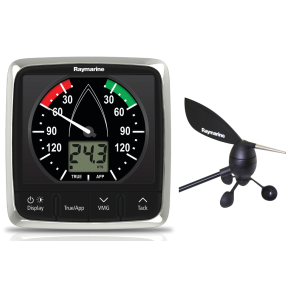
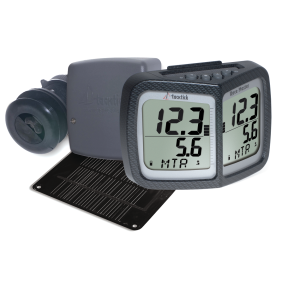
| Wind Instrument System | Raymarine i60 Wind System | Integrated wind display and masthead transducer package with clear underway readouts. |
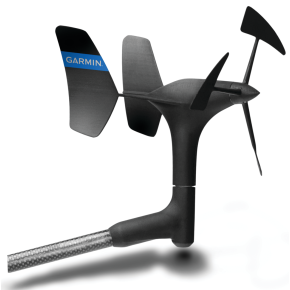
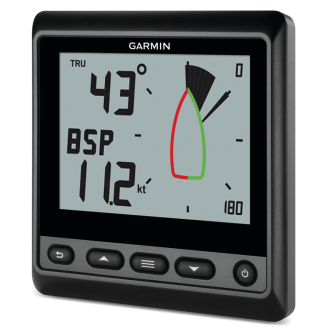
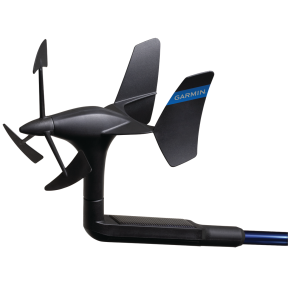
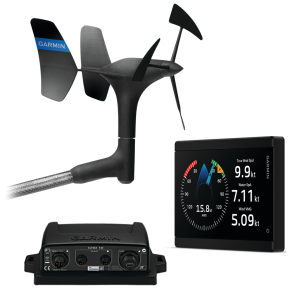
| Wind Instrument System | Garmin GNX Wireless Sail Pack | Coordinated instrument package for wind, speed and depth information. |
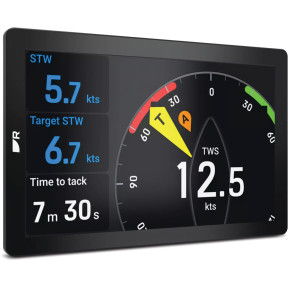
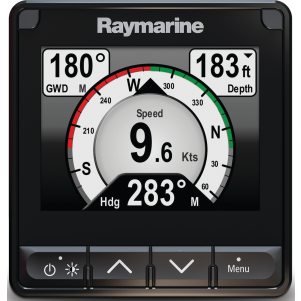
| Weather and Multifunction Display | Raymarine i70s Instrument Display | Multifunction marine display for compatible navigation and environmental data. |
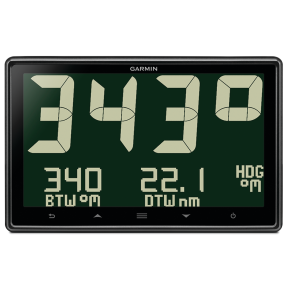
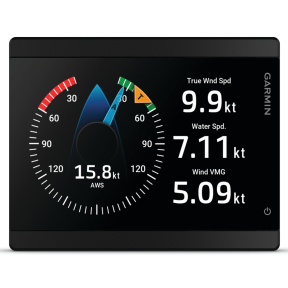
| Weather and Multifunction Display | Garmin GMI and GNX Instruments | Wired displays for wind, depth, speed and environmental monitoring. |
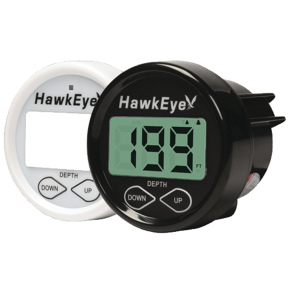
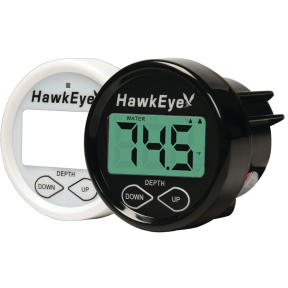
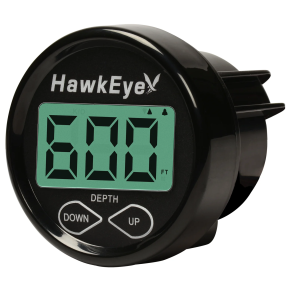
| Digital Depth Sounder | Hawkeye Digital Depth Sounders | Dedicated marine instruments for straightforward water-depth readings. |
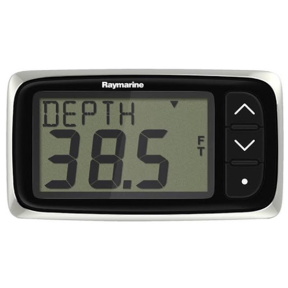
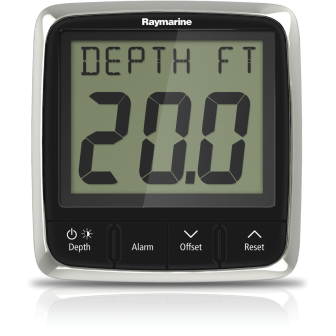
| Digital Depth Sounder | Raymarine i50 Depth Instrument | High-contrast depth display designed for quick viewing underway. |
| Digital Depth Sounder | Garmin GNX 20 Marine Instrument | Configurable marine display supporting compatible depth, speed and wind data. |
Marine Electronics Compatibility
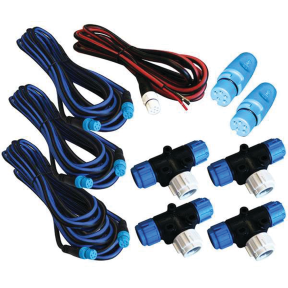
Many modern marine instruments share sensor data through NMEA 2000 networks. Older equipment may use NMEA 0183, SeaTalk or a manufacturer-specific connection. Before buying a display, sensor, transducer or adapter, compare the product protocol, available network ports, power requirements and supported data fields with the existing onboard system.
Shop Marine Instruments at Fisheries Supply
Fisheries Supply carries marine wind sensors, weather instruments, digital depth sounders, instrument displays, NMEA adapters and related components from Garmin, Raymarine, B&G, Hawkeye and other marine electronics manufacturers. Product selection support is available for new installations, replacements and network upgrades on sailboats and powerboats.
Frequently Asked Questions
How does a marine depth sounder measure water depth?
A marine depth sounder sends an ultrasonic pulse through a transducer and measures the signal's return time after it reflects from the bottom. The instrument calculates depth using the speed of sound in water. Displayed depth may reference the transducer, waterline or keel, depending on the configured offset.
Which display works with marine wind, speed and depth sensors?
A compatible multifunction instrument display can show marine wind, speed and depth data when the sensors and display share a supported protocol. Common options include NMEA 2000, NMEA 0183 and SeaTalk. Check connector types, required adapters, supported data fields and network power before selecting a replacement display.
Are wireless wind instruments better than wired masthead sensors?
Wireless wind instruments are often better for retrofits because they reduce mast cabling and installation work. Wired masthead sensors may suit boats with existing cable runs or specific network requirements. Compare battery or solar charging, update rate, transmission range, display compatibility and access for future maintenance before choosing either design.
What does a marine multisensor transducer measure?
A marine multisensor transducer can measure depth, boat speed through water and water temperature from one hull fitting. Models such as the Airmar DST810 can also provide attitude data, including heel, trim, pitch and roll. Supported calibration and data functions depend on the connected network, display and mobile application.
Can new marine instruments connect to an older boat network?
New marine instruments can often connect to an older network through a compatible gateway or protocol adapter. NMEA 2000, NMEA 0183 and SeaTalk use different connectors and communication methods. Review the existing backbone, power supply, data sentences and manufacturer documentation before combining sensors, chartplotters, autopilots and instrument displays.
Which depth sounder features help prevent a boat from grounding?
Programmable shallow-water alarms are the primary depth sounder feature used to reduce grounding risk. Audible and visual alerts warn the operator when measured depth crosses a selected threshold. A correctly configured keel or transducer offset makes the displayed value more useful, but depth instruments do not replace charts, lookout practices or prudent navigation.