


Stay Warm and Comfortable: Explore Marine Hydronic Heaters at Fisheries Supply
Marine hydronic heaters provide quiet, even cabin heat for cruising boats and yachts in cold or damp conditions. A properly sized system circulates heated coolant to fan coils or radiators for zoned heating, windshield defrosting, and interior moisture control.
What Is a Marine Hydronic Heating System?
A marine hydronic heating system uses a compact diesel-fired boiler and circulation pump to move heated water and propylene-glycol coolant through a closed plumbing loop. Fan coils or radiators transfer the heat into cabins, berths, salons, heads, and helm areas while thermostats or valves provide room-by-room temperature control.
Compared with forced-air heating, a hydronic boat heater typically offers quieter operation and more precise zoning. Installation requires coordinated plumbing, electrical, fuel, combustion-air, and exhaust systems, but the smaller coolant hoses may be easier to route than large warm-air ducts in some vessels.
Benefits of Marine Hydronic Heating
| Benefit | Description |
|---|---|
| Even heat distribution | Multiple fan coils and radiators reduce cold spots and drafts throughout the boat. |
| Zoned cabin comfort | Thermostats and valves control temperatures in individual living spaces. |
| Moisture reduction | Steady interior heat helps limit condensation and mildew. |
| Quiet operation | Radiator panels provide silent passive heat, while fan coils deliver faster airflow. |
| Windshield defrosting | Dedicated fan coils and outlets can direct warm air toward helm windows. |
Marine Hydronic Heater Components
| Component | Function | Selection Considerations |
|---|---|---|
| Diesel boiler | Heats the circulating coolant. | Compare BTU output, boat size, climate, fuel requirements, and manufacturer guidance from Webasto or Eberspächer (Espar). |
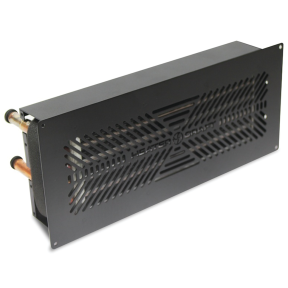
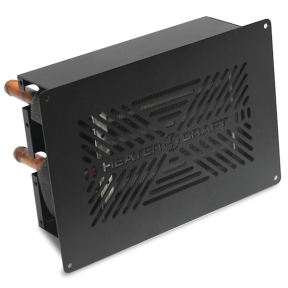
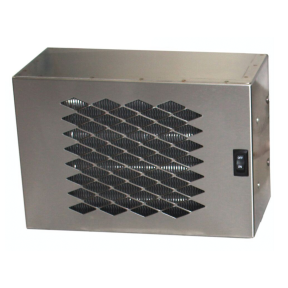
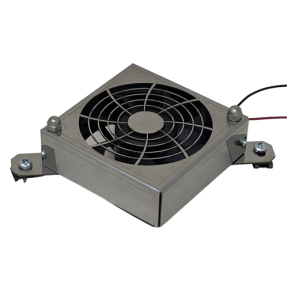
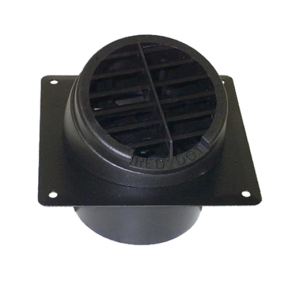
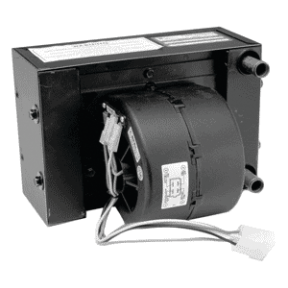
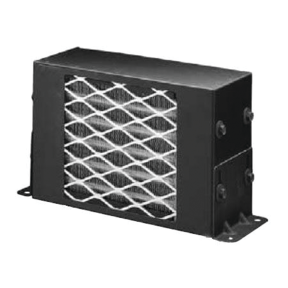
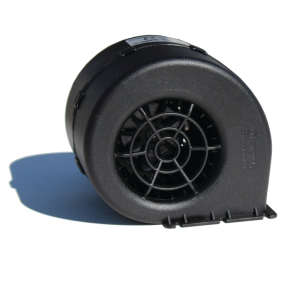
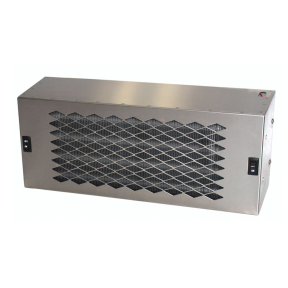
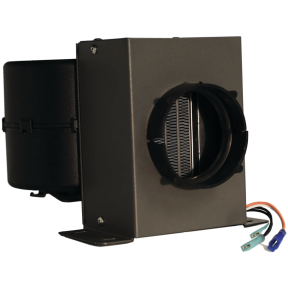
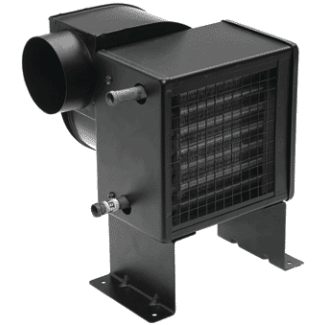
| Fan coil | Transfers coolant heat into moving cabin air. | Consider heating capacity, airflow, noise, electrical draw, mounting space, and defrost requirements. |
| Radiator panel | Provides quiet, passive heat without a fan. | Review available wall space, heat output, plumbing access, and cabin layout. |
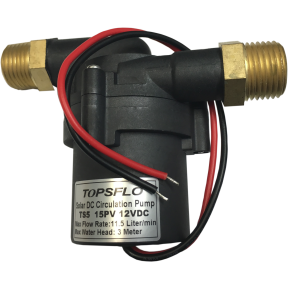
| Circulation pump | Moves coolant through the hydronic loop. | Match pump performance to loop length, elevation, hose diameter, and minimum boiler flow. |
| Expansion tank and bleed points | Manage coolant expansion and release trapped air. | Place components where they remain accessible for inspection, filling, and service. |
| Thermostats and controllers | Regulate boiler operation and heating zones. | Account for zone requirements, DC ignition loads, and continuous pump draw. |
How to Size a Hydronic Heater for a Boat
- Estimate heat loss: Review boat volume, insulation, window area, air changes, local climate, and target cabin temperatures.
- Check boiler output: Compare the calculated heating demand with manufacturer BTU-per-hour selection charts.
- Add system loads: Account for every cabin zone, radiator, fan coil, helm defroster, and long plumbing loop.
- Review electrical demand: Include boiler startup current, circulation-pump draw, fan-coil loads, and controller consumption.
- Confirm the design: Consult a qualified marine technician when heat-loss calculations, coolant flow, or installation requirements are uncertain.
Installation Safety and Seasonal Maintenance
Follow the heater manufacturer’s current marine installation and service manuals for fuel supply, combustion air, exhaust routing, coolant mixture, hose diameter, minimum flow, electrical protection, and clearances. ABYC develops marine industry standards, while the U.S. Coast Guard publishes guidance and certain regulatory references for boat systems and appliances.
- Inspect coolant level, concentration, hoses, clamps, valves, and connections for leaks.
- Bleed trapped air from the plumbing loop and confirm proper circulation.
- Clean fan-coil fins, strainers, and accessible air passages.
- Service diesel fuel and exhaust components at manufacturer-specified intervals.
- Verify requirements that apply to the vessel and flag state with a marine technician or surveyor.
This information is general guidance and does not establish regulatory compliance or product certification.
Shop Hydronic Heaters, Fan Coils, Pumps, and Parts
Fisheries Supply carries marine hydronic heating equipment for cabin heating, auxiliary heat, and windshield defrost applications.
| Brand | Marine Hydronic Heating Products |
|---|---|
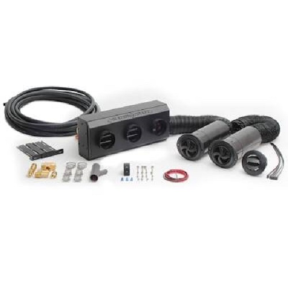
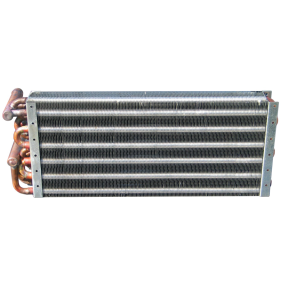
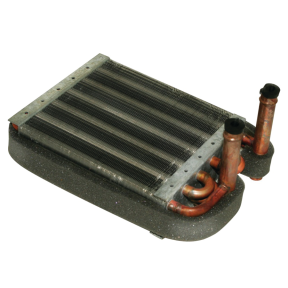
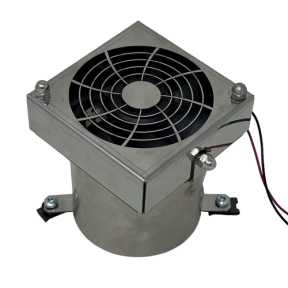
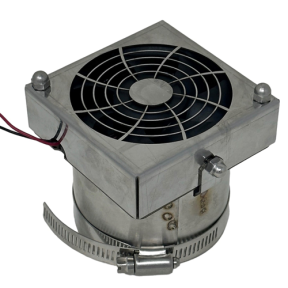
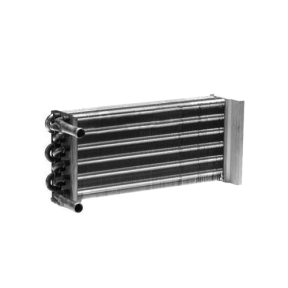
| Heater Craft | Fan coils, heater cores, and complete kits. |
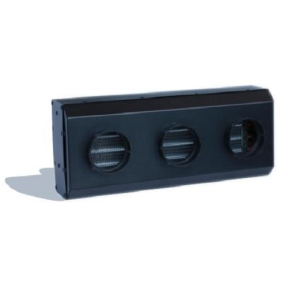
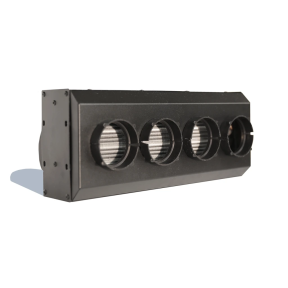
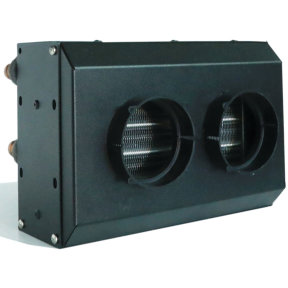
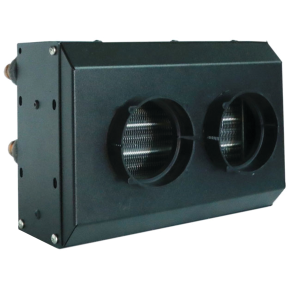
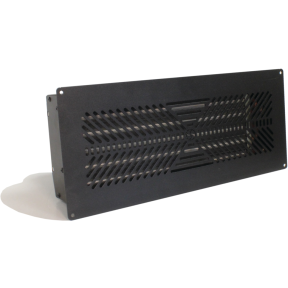
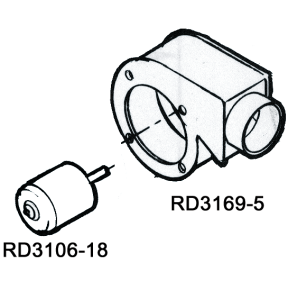
| Red Dot | Auxiliary cabin heaters, defrost heaters, and replacement parts. |
| Dickinson Marine | Hydronic radiators, circulation pumps, and heating accessories. |
Before buying a marine hydronic heater, compare heating output, installation space, vessel voltage, electrical capacity, zone count, plumbing layout, defrost needs, and replacement-part availability.
Frequently Asked Questions
What is a marine hydronic heating system?
A marine hydronic heating system uses a diesel-fired boiler to heat water and propylene-glycol coolant in a closed loop. A circulation pump moves the fluid to fan coils or radiators, which warm individual cabins, living spaces, and helm areas while thermostats or valves regulate separate heating zones.
What are the benefits of a hydronic heater on a cruising boat?
A hydronic heater provides quiet, even warmth with separate temperature zones and optional windshield defrosting. Fan coils deliver fast cabin heat, while radiator panels provide silent passive heat. Maintaining steady interior temperatures also helps reduce condensation and mildew in cabins, berths, lockers, and other enclosed boat spaces.
How do I choose the right hydronic heater size for my boat?
Choose boiler output by estimating the boat’s heat loss and comparing the result with manufacturer BTU-per-hour charts. Consider vessel volume, insulation, window area, outside temperature, desired cabin temperature, zone count, defroster loads, and plumbing-loop length. A marine heating technician can confirm uncertain calculations.
What components are needed for a marine hydronic heating system?
A complete marine hydronic system typically needs a diesel boiler, circulation pump, fan coils or radiators, coolant hose, an expansion tank, air bleed points, isolation valves, thermostats, and electrical controls. The installation may also require helm defroster outlets plus correctly routed fuel, combustion-air, and exhaust components.
What seasonal maintenance does a boat hydronic heater require?
Seasonal maintenance includes checking coolant level and mixture, inspecting hoses and fittings for leaks, bleeding trapped air, cleaning strainers, and removing debris from fan-coil fins. Diesel fuel, combustion-air, and exhaust components should be inspected and serviced at the intervals stated in the heater manufacturer’s manual.
Which standards apply to marine hydronic heater installation?
Marine hydronic heater installation should follow the current boiler manufacturer’s instructions and applicable vessel requirements. ABYC publishes marine industry standards, and the U.S. Coast Guard provides guidance and certain regulatory references. A qualified marine technician or surveyor can identify the requirements relevant to a specific boat and flag state.