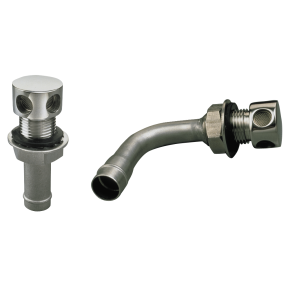
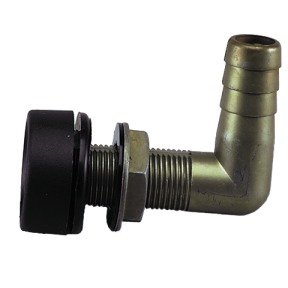
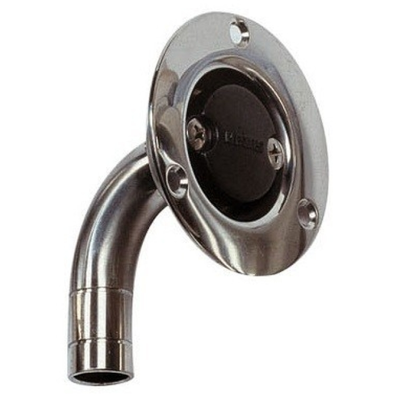
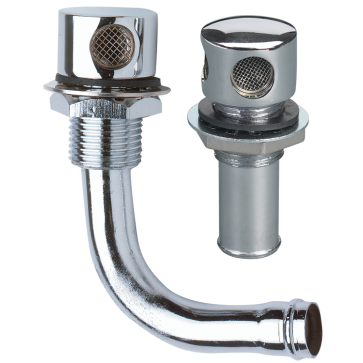

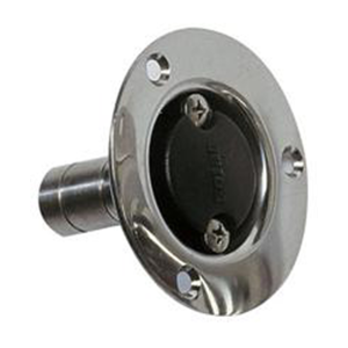
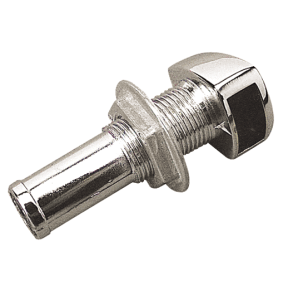
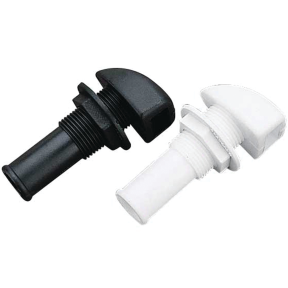
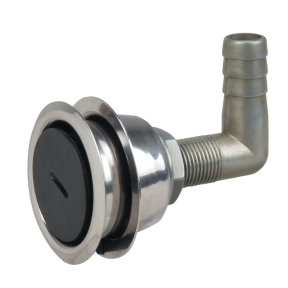
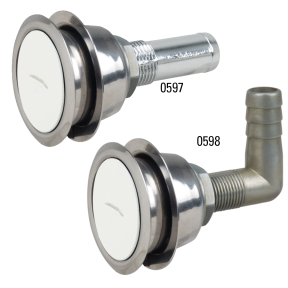
Boat Vents for Fuel Tanks, Gas Tanks, and Holding Tanks
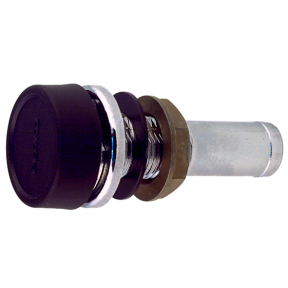
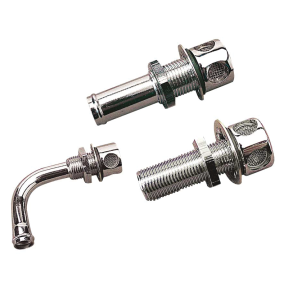
Boat tank vents regulate airflow in marine gasoline, diesel, and waste systems. Boat owners can use this guide to compare fuel tank vents, holding tank vents, vent hoses, carbon canisters, fittings, and installation requirements.
How Marine Tank Vents Work
Marine tank vents prevent excessive pressure or vacuum inside a tank and permit controlled air exchange. Correct airflow supports stable fuel delivery, safer refueling, effective waste pump-out, and onboard odor control.
Fuel Tank Pressure and Airflow
- Vent fittings release displaced air while the fuel tank is being filled.
- Vent lines admit air as gasoline or diesel is drawn from the tank.
- Unrestricted airflow reduces pressure swings and vapor-lock risks.
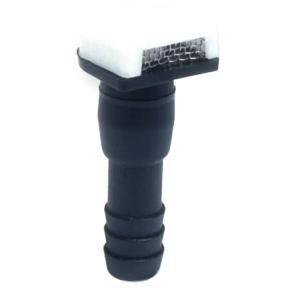
- Splash-protected fittings and screens help limit water intrusion.
Holding Tank Ventilation and Odor Control
- Air exchange supports aerobic action that can reduce waste odors.
- Vent lines release methane and other waste gases.
- Incoming air during pump-out helps prevent tank collapse.
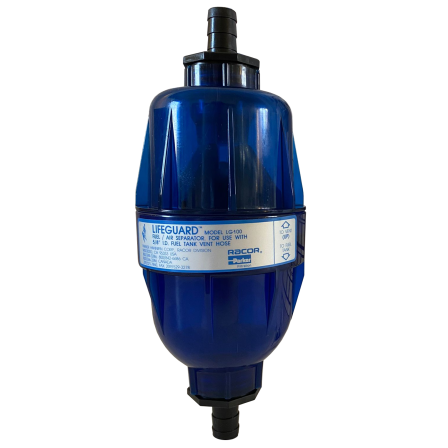
- Vent filters or odor-control media can be added where appropriate.
Fuel Tank Vent and Holding Tank Vent Comparison
| Tank Application | Primary Vent Function | Top Components | Selection and Installation Options |
|---|---|---|---|
| Gasoline fuel tank | Balances tank pressure, supports fuel delivery, and controls displaced vapor. | Fuel-rated vent hose, vent fitting, barbs, corrosion-resistant clamps, splash screen, and applicable carbon canister. | EPA evaporative requirements, ABYC guidance, hose routing, canister protection, and access for service. |
| Diesel fuel tank | Balances pressure during refueling and fuel draw-down. | Fuel-rated vent hose, screened vent fitting, barbs, and corrosion-resistant clamps. | Continuous hose rise, water protection, vent placement, hose size, and short routing. |
| Waste holding tank | Releases waste gases, admits air during pump-out, and supports odor control. | Vent hose, vent fitting, and optional vent filter or odor-control media. | Generous vent diameter, short straight routing, unrestricted airflow, and filter-media service access. |
Carbon Canisters for Marine Gasoline Systems
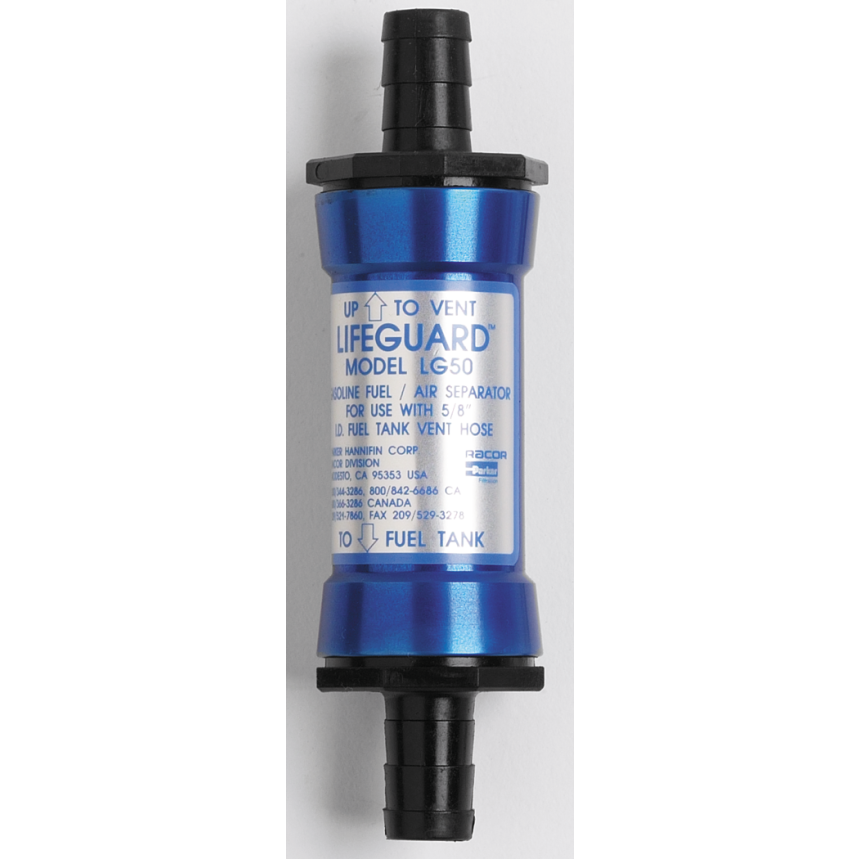
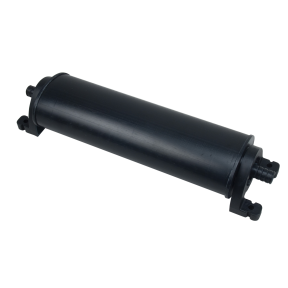
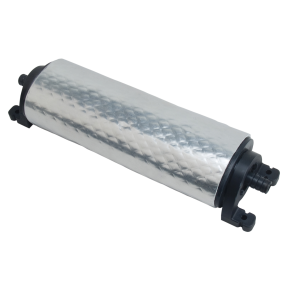
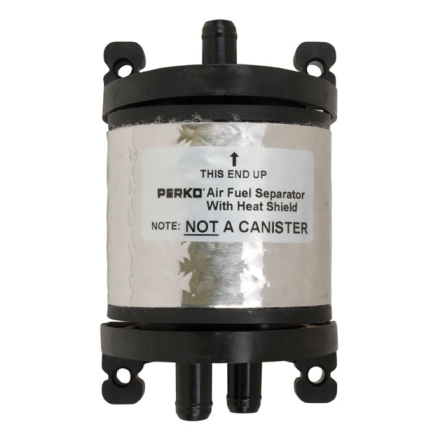
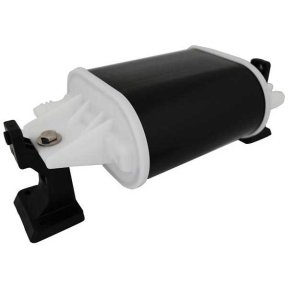
Modern marine spark-ignition fuel systems often place a carbon canister in the vent line to capture hydrocarbons released as the tank expands and contracts with temperature changes. This process controls diurnal emissions addressed by EPA requirements for marine spark-ignition engines.
- Install the carbon canister according to the component manufacturer’s instructions.
- Mount the canister above likely flood and splash points.
- Prevent liquid gasoline and water from entering the carbon media.
- Confirm that hose size, routing, fittings, and canister design are compatible with the fuel system.
Diesel systems are not subject to the same EPA evaporative requirements as gasoline spark-ignition systems. Diesel tank vents still require suitable placement, clear airflow, screening, and protection from water ingress.
How to Choose Boat Tank Vents and Accessories
| Selection Factor | What to Check |
|---|---|
| Tank Type | Select components intended for gasoline, diesel, or waste systems. |
| Vent Diameter | Confirm compatibility among the tank fitting, vent hose, barbs, filters, and through-hull fitting. |
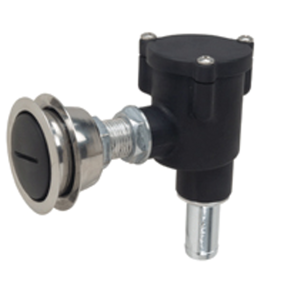
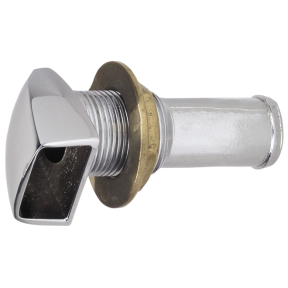
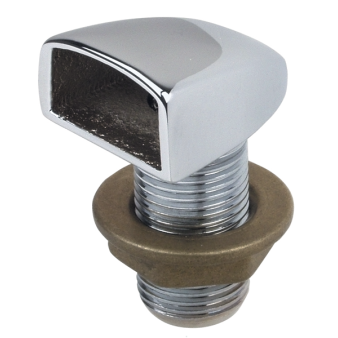
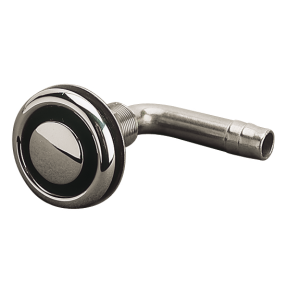
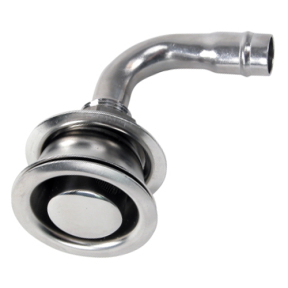
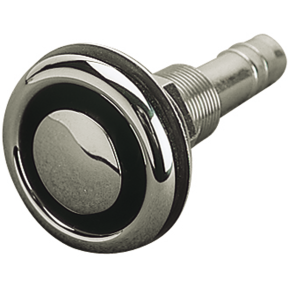
| Mounting Format | Compare through-hull, side-mount, and integrated vent fittings with splash protection. |
| Hose Route | Check the available space for a short, supported run without sags, loops, or abrasion points. |
| Regulations and Guidance | Review EPA evaporative requirements for gasoline spark-ignition systems and recognized ABYC installation guidance. |
| Service Access | Leave practical access for inspecting screens, clamps, hoses, carbon canisters, and odor-control media. |
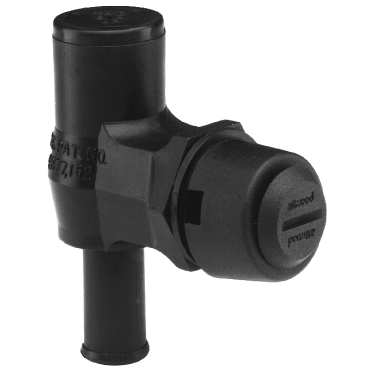
Marine vent products and accessories are available from Perko, Attwood, Moeller, and Sea-Dog Line. Related installation components are available in the marine pipe fittings category.
Boat Tank Vent Installation and Maintenance
Fuel Vent Hose Routing
- Route the hose in a continuous rise from the fuel tank to the vent fitting.
- Avoid low spots, loops, and sags where gasoline, diesel, or water can collect.
- Keep the vent hose short and direct while protecting it from abrasion.
- Use fuel-rated hose, serrated barbs, and corrosion-resistant clamps.
- Use splash screens and flame-arresting features where required by the vent-fitting design.
Holding Tank Vent Maintenance
- Inspect the vent opening and hose for restrictions that can reduce airflow.
- Use the largest practical vent diameter with a short, straight hose run.
- Inspect vent filters and odor-control media according to the component manufacturer’s schedule.
- Check hose connections and fittings before pump-out or extended onboard use.
Frequently Asked Questions
How should a boat fuel tank vent hose be installed?
A boat fuel tank vent hose should rise continuously from the tank to the vent fitting. Keep the run short, supported, and free of sags or loops where fuel or water could collect. Use fuel-rated hose, serrated barbs, corrosion-resistant clamps, and a suitable splash-protected vent fitting.
What does a marine fuel tank vent do?
A marine fuel tank vent balances air pressure inside the tank. It releases displaced air during refueling and admits air as the engine draws fuel. Clear airflow supports steady fuel delivery and reduces pressure swings, while the vent fitting helps protect the system from water and debris.
Do gasoline boat fuel vents need a carbon canister?
Some modern marine gasoline spark-ignition systems use a carbon canister to control diurnal hydrocarbon emissions under EPA requirements. The correct configuration depends on the fuel system design. Install the specified canister according to manufacturer instructions and protect it from liquid gasoline, water, flooding, and spray.
How can I prevent water from entering a boat fuel vent line?
Use a splash-protected marine vent fitting and route the hose in a continuous rise without low spots. Position components away from likely flood or spray points, inspect the vent screen regularly, and verify that every hose connection remains secure and free of damage or flow restrictions.
What improves odor control in a marine holding tank?
Free airflow through a short, straight holding tank vent line improves odor control. Use a generous practical hose diameter, keep the vent opening clear, and add a compatible vent filter or odor-control medium where appropriate. Replace filter media according to the component manufacturer’s maintenance schedule.
What is the difference between a fuel tank vent and a holding tank vent?
A fuel tank vent balances pressure during refueling and fuel consumption, while a holding tank vent releases waste gases and admits air during pump-out. Gasoline systems may also require evaporative-emission components. Holding tank systems place greater emphasis on unrestricted airflow, aerobic action, and odor-control media.