


Marine Soundproofing Insulation for Engine Rooms and Cabins
Marine soundproofing insulation helps boat owners reduce engine noise and vibration reaching cabins. Choose sound-absorbing foam, mass-loaded vinyl barriers, or composite panels according to the noise source, engine compartment conditions, and available installation space.
Key Takeaways
Understanding Onboard Noise Sources
Inboard engines, generators, and exhaust systems create airborne sound and structure-borne vibration. Propeller cavitation and water flowing past the hull can also contribute to onboard noise. Identify the dominant source and the path it takes into the cabin before treating a compartment or panel.
Marine Soundproofing Materials and Applications
| Material or method | How it works | Typical application |
|---|---|---|
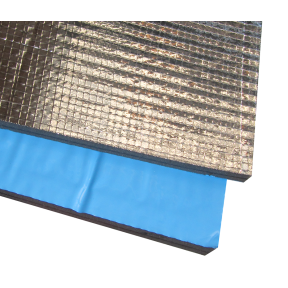
| Sound-absorbing foam | Absorbs mid- and high-frequency sound and reduces reverberation. A foil or film facing can add oil resistance and make the surface easier to clean. | Engine compartments and other spaces where sound absorption is needed. Browse sound insulation foam. |
| Mass-loaded vinyl (MLV) | Adds a dense, flexible barrier to reduce sound transmission through a panel. | Barrier layers behind panels or within insulation composites. |
| Composite panels | Combine foam, a barrier, and a facing to address absorption and sound transmission. | Engine rooms, hatches, and bulkheads where a layered material fits the installation. |
| Damping sheets and resilient mounts | Reduce vibration traveling through panels and supporting structures. | Engines, pumps, generators, and vibrating panels. |
Browse marine sound insulation and soundproofing foams.
How to Choose Marine Soundproofing Insulation
| Selection factor | What to check | How it guides your choice |
|---|---|---|
| Noise source and path | Identify engine firing, gear whine, hull slap, or wind noise and how it reaches the cabin. | Use absorption for reverberation, a barrier for sound passing through panels, and damping or decoupling for structure-borne vibration. |
| Available space | Compare material thickness with the space around the engine, hatches, and inspection points. | Choose a material that fits without blocking access. |
| Compartment conditions | Check temperature rating, oil and chemical resistance, and cleanability. | Match the material to its intended installation location. |
| Compartment geometry | Look for tight areas or surfaces that limit installation access. | Choose cut-to-fit panels where needed. |
| Sound transmission | Determine whether absorption alone addresses the noise reaching the cabin. | Consider a foam and mass-loaded vinyl (MLV) composite when a barrier is also needed. |
Installation and Maintenance Considerations
- Degrease mounting surfaces and use an adhesive compatible with the insulation and substrate.
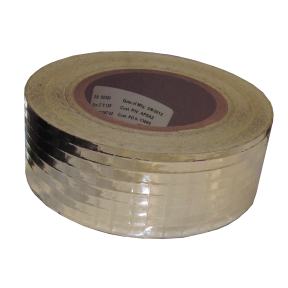
- Press the material into full contact, then seal edges and seams.
- Address penetrations, cable glands, access panels, and hatch perimeters that can let sound through.
- Use materials rated for the engine space and maintain the required clearance around hot components.
- Inspect for delamination, oil contamination, and water intrusion during routine maintenance.
Help Selecting Engine Compartment Insulation
Fisheries Supply can help match marine engine compartment insulation to a boat’s layout, available space, and noise goals. Share the noise source, installation location, and service access needs when comparing materials.
Frequently Asked Questions
How does soundproofing foam reduce engine noise on a boat?
Marine soundproofing foam absorbs sound within an engine compartment and reduces reverberation, particularly at mid and high frequencies. It is one part of an engine noise treatment plan. Sound passing through a hatch or bulkhead may also call for a dense barrier and careful sealing around the panel.
Is foam or mass-loaded vinyl better for marine soundproofing?
Foam and mass-loaded vinyl address different parts of the problem. Foam absorbs sound energy inside a compartment, while mass-loaded vinyl adds a barrier that reduces transmission through a panel. A composite can combine both functions. Choose according to the noise path, available space, and conditions where the material will be installed.
Where should I install sound insulation around an inboard engine?
Start with the engine compartment surfaces, hatches, and bulkheads along the path to the cabin. Treat seams, penetrations, and hatch perimeters that allow sound to escape. Keep inspection points accessible, and check temperature ratings and clearances before placing insulation near engine or exhaust components.
What reduces vibration from a boat engine or generator?
Resilient mounts and damping materials address structure-borne vibration from engines, generators, pumps, and vibrating panels. Foam mainly addresses airborne sound within a compartment. Identify where vibration enters the boat’s structure before choosing a treatment, since a barrier on a bulkhead may leave the vibration path in place.
What should I check before buying marine engine room insulation?
Check the noise source, available thickness, compartment temperature, oil exposure, cleanability, and access needed for service. Compare whether the material absorbs sound, blocks transmission, or damps vibration. The chosen insulation and adhesive should suit the installation surface and engine space conditions.
How do I maintain marine soundproofing insulation?
Inspect engine compartment insulation during routine maintenance for loose edges, delamination, oil contamination, and water intrusion. Pay attention to seams and hatch seals because gaps can reduce acoustic performance. If material has detached or deteriorated, address the underlying moisture or adhesion problem before replacing it.