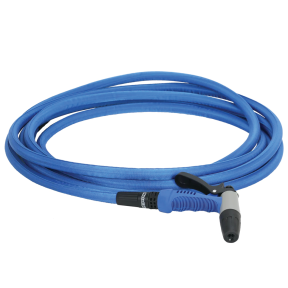
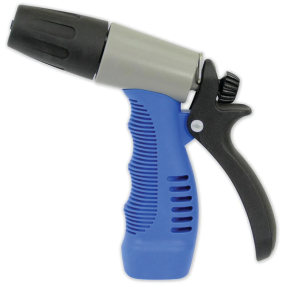
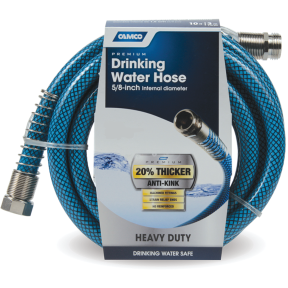
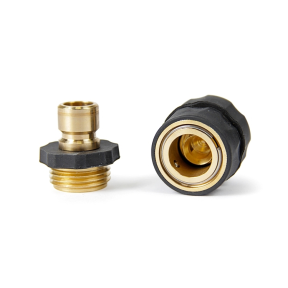
Kink-Resistant Marine Garden Hoses
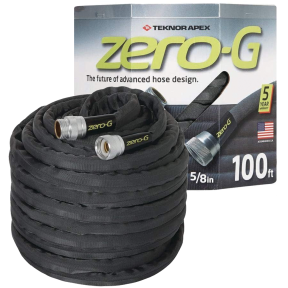
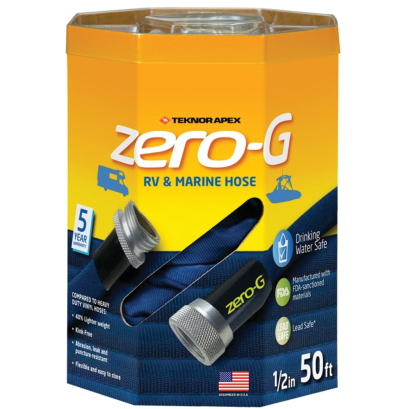
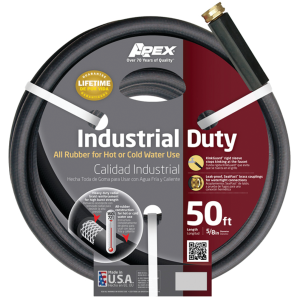
Garden and marine hoses handle dock washdowns, deck cleaning, and general water transfer. Choose a hose that suits your operating conditions, and use a model explicitly labeled drinking water safe when filling a potable-water tank.
Key Takeaways
Browse Garden and Marine Hose Brands
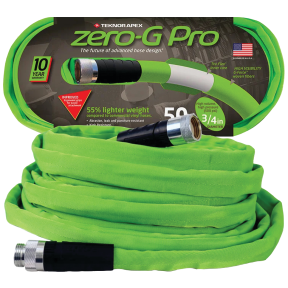
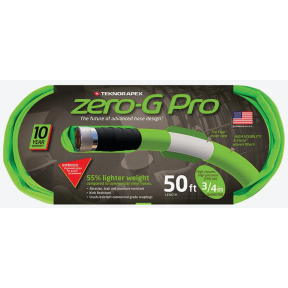
Explore NeverKink, Camco, and HoseCoil options at Fisheries Supply. Compare each model’s intended use and specifications rather than assuming that every hose from a brand has the same features or drinking-water suitability.
NeverKink Hoses for Garden and Marine Use
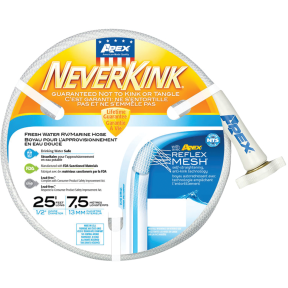
Teknor Apex’s NeverKink range includes kink-resistant garden and marine hoses. For routine washdowns, compare flexibility and handling; for tank fills or temporary potable-water hookups, choose a model explicitly labeled drinking water safe.
Review the individual model’s construction and intended application before choosing. Kink resistance alone does not establish suitability for drinking water.
How to Choose a Garden or Marine Hose
Start with the application, then compare materials and check the hose’s operating limits.
Compare Hose Materials
| Material | Handling and durability | What to check |
|---|---|---|
| Vinyl (PVC) | Generally lightweight and budget-friendly; durability can be a concern with dock use. | Compare the model’s construction and suitability for the expected wear. |
| Rubber | Generally tough and flexible, but heavier to handle. | Check abrasion resistance and flexibility at the temperatures you expect. |
| Polyurethane | Can offer durability and easy handling; some models are intended for drinking water. | Confirm drinking-water suitability on the specific model rather than relying on the material name. |
Check Water Use and Operating Conditions
| Selection factor | What to verify | Why it matters |
|---|---|---|
| Drinking water | The specific hose is labeled drinking water safe, with supporting manufacturer information. | A hose suitable for washdowns is not automatically suitable for potable-water handling. |
| Temperature | The model’s limits for ambient temperature and water temperature. | Temperature affects hose flexibility and suitability for the application. |
| Chemical exposure | Compatibility with anticipated salt exposure, cleaners, or incidental fuel splash. | Resistance varies by compound and model; do not assume compatibility. |
| Pressure | The working-pressure rating matches the water system or dock supply; review any stated burst rating separately. | A burst rating is not an operating-pressure rating. |
Water Hoses and Storage Options
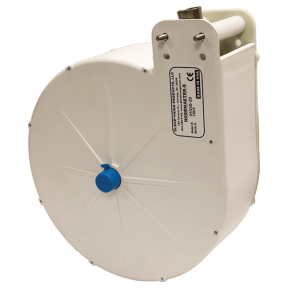
For general boat and dock work, compare kink-resistant water hoses by flexibility, durability, and operating limits. Hose reels provide a storage option for keeping hoses organized and decks tidy.
For potable-water handling, browse marine water hoses and confirm that the specific model is labeled drinking water safe.
Frequently Asked Questions
What is the best material for a garden hose?
The choice depends on your needs. Vinyl hoses are lightweight and budget-friendly but less durable. Rubber hoses are more durable and flexible but heavier and pricier. Polyurethane hoses are safe for drinking water and durable but slightly expensive.
Can I use a garden hose for drinking water?
Only use hoses explicitly labeled as "drinking water safe." These hoses are constructed from lead-free, non-toxic materials and certified to NSF/ANSI/CAN 61 and NSF/ANSI 372 standards to prevent plasticizers, heavy metals, or chemical odors from leaching into your boat's fresh water supply.
How should I store my garden hose during the winter?
Uncoil and fully gravity-drain the hose (or clear it with low-pressure compressed air) to remove all trapped water before winter storage. Freezing water inside coiled lines can expand and rupture the inner core or end fittings. Once empty, coil loosely and store in a dry, climate-controlled space.