Boat Davits & Dinghy Lifts

61 results
CategoryDinghy & Inflatable Boat Accessories
CategoryBoat Davits & Dinghy Lifts
Show In-Stock Only

1-45 results of 61 Previous Next

Boat Davits and Dinghy Lifts

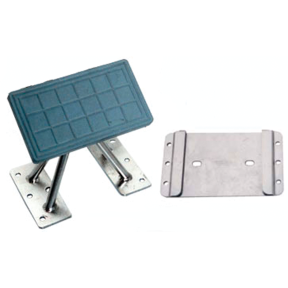
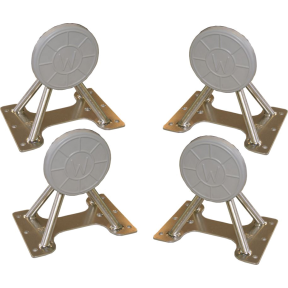
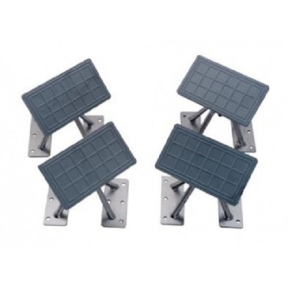
Boat davits and dinghy lifts provide secure storage, lifting, and launching solutions for dinghies, tenders, and personal watercraft carried aboard sailboats and powerboats. Fisheries Supply offers fixed davits, rotating systems, snap davits, and swim-platform cradles from marine manufacturers including Forespar and Weaver.

Boat Davit Selection at a Glance

Types of Dinghy Davit Systems


Davit System TypeMounting or OperationSelection Considerations
Fixed Boat DavitsMount to a transom, deck, or stern structure and provide a stable lifting arrangement for compatible dinghies and tenders.Match the boat structure, davit capacity, mounting geometry, and loaded tender weight as one system.
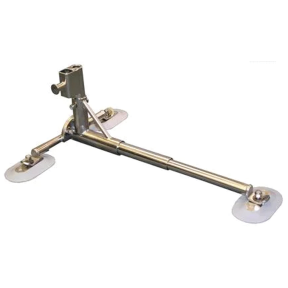
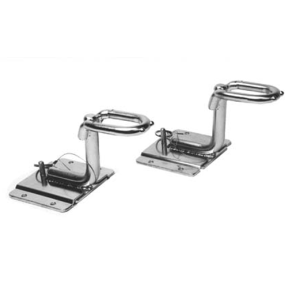
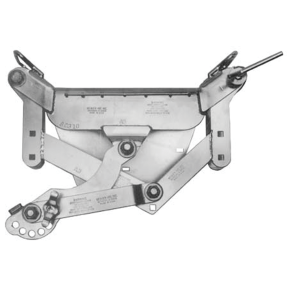
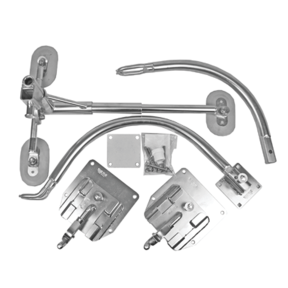
Rotating and Pivoting DavitsMove a dinghy between the water and its stored position using rotating davits or stainless-steel pivoting cradles.Check swim-platform depth, water clearance, dinghy beam, and the required rotation path.
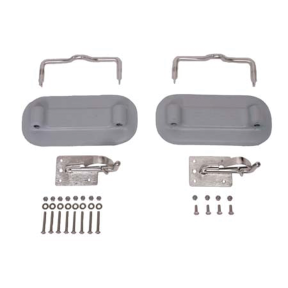
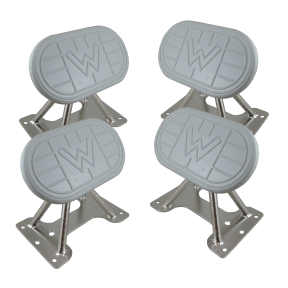
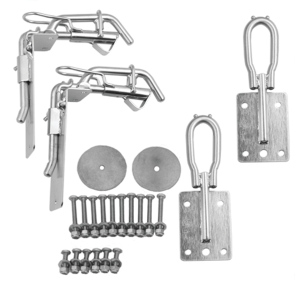
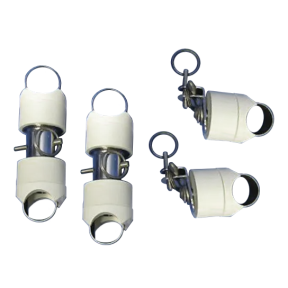
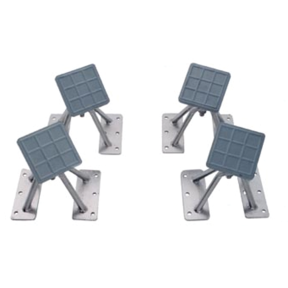
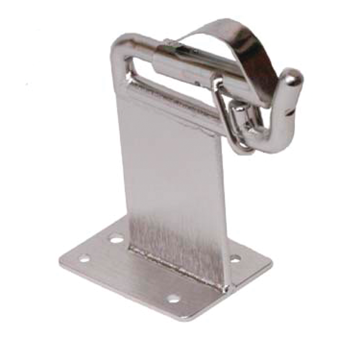
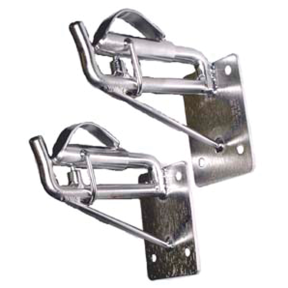
Snap Davits and Cradle MountsUse quick-release connections to secure a dinghy near the stern or support its hull on fitted pads or chocks.Choose removable or fixed components based on the boat layout, swim-platform configuration, and product design.

How to Choose Boat Davits and Dinghy Lifts

The correct dinghy lift system depends on the tender's loaded weight and dimensions, the boat's structural capacity, and the proposed mounting location. Review the davit manufacturer's current installation instructions and load limits before purchasing or drilling mounting holes.

Selection FactorWhat to CheckWhy It Matters
Loaded dinghy weightDinghy, outboard motor, fuel, battery, equipment, and possible retained waterThe total load must remain within the published capacity of the complete davit system.
Platform depthAvailable mounting and operating space on the stern or swim platformThe davits need adequate room for attachment, movement, and stored-dinghy clearance.
Dinghy beamThe tender's maximum width and its position in the cradleThe beam affects fit, support-point placement, and clearance from the parent vessel.
Rail-to-water distanceVertical and horizontal reach between the mounting area and waterlineThe measurement helps determine whether the davits can lift and lower the dinghy through the required path.
Mounting structureTransom, deck, rail, swim platform, backing plates, and reinforcementThe supporting structure must carry the system's operational and underway loads.
Material compatibilityCorrosion-resistant davits, fasteners, pads, and dissimilar-metal isolationCompatible marine materials reduce corrosion and premature hardware deterioration.

Davit Capacity and Installation Safety

Calculate the Complete Working Load

Davit capacity must be based on the fully equipped dinghy rather than the empty hull weight. Davit arms rated for a maximum of 300 pounds cannot support a 600-pound dinghy, and rainwater retained in the tender can add substantial unplanned weight.

  • Check the published working-load or maximum-load rating for every load-bearing component.
  • Include the outboard motor, fuel, battery, anchor, safety equipment, and stored gear.
  • Keep drains open when permitted by the dinghy manufacturer and storage configuration.
  • Account for load distribution across davit arms, lifting points, pads, and mounting hardware.
Inspect the Mounting Area

Examine the transom, deck, rail, or swim platform before installation. A boat that previously carried a heavy tender may show deformation, cracks, weakened laminate, corrosion, loose fasteners, or damage near earlier mounting points.

Dinghy Davit Accessories and Components


Accessory or ComponentFunction
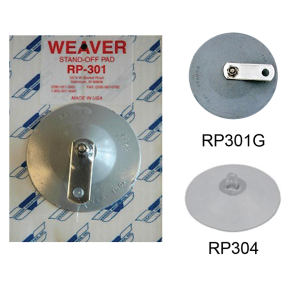
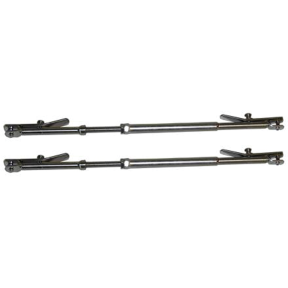
Stand-offsStabilize the stored dinghy and limit movement against the parent vessel while underway.
ChocksSupport the dinghy hull on a deck or swim platform at defined contact points.
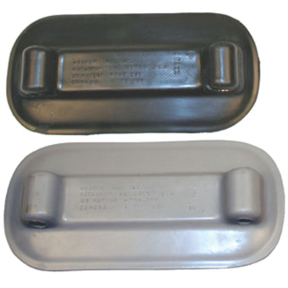
PadsCushion compatible contact areas and distribute support loads.
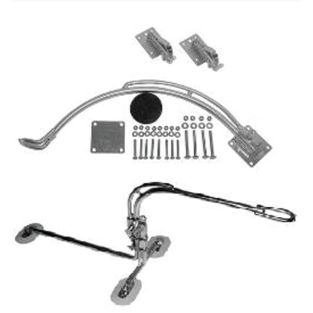
Mounting hardwareConnect davit components to the boat structure according to the manufacturer's installation design.
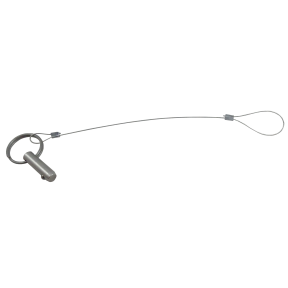
Quick-release fittingsAllow compatible snap-davit components to be connected or removed.
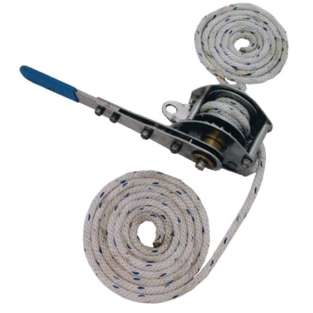
Lifting equipmentIncludes compatible lines, tackles, attachment points, and related components specified for the selected system.

Forespar and Weaver Dinghy Davits

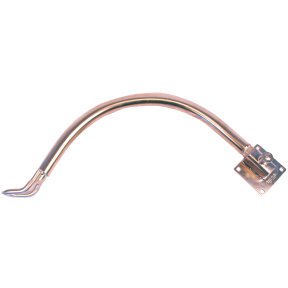
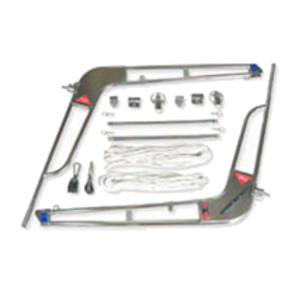
Forespar Davit Systems: Forespar dinghy davits provide marine lifting and storage options for compatible sailboat and powerboat installations. Compare system capacity, reach, mounting requirements, operating method, materials, and required accessories with the boat and tender specifications.
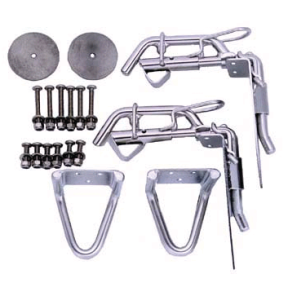
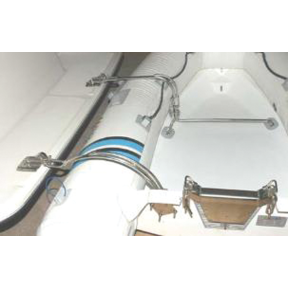
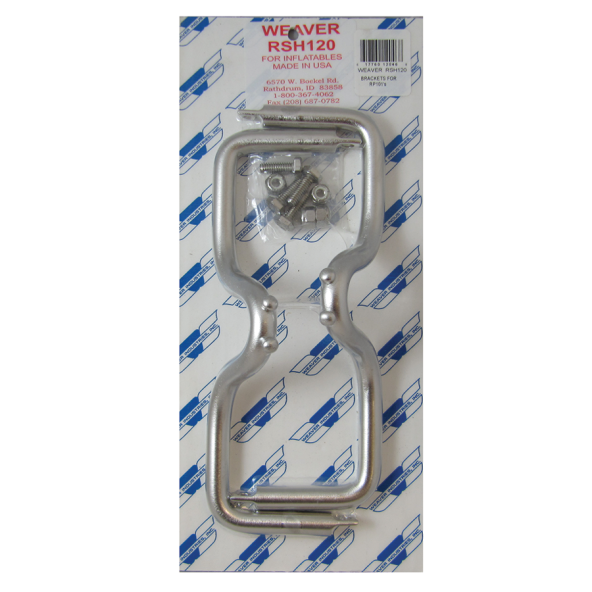
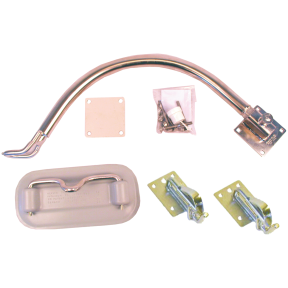
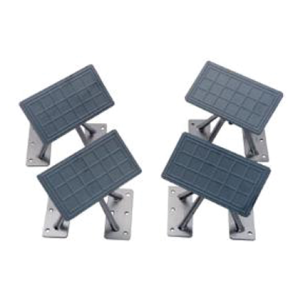
Weaver Davits and Mounts: Weaver davits and mounts include attachment and storage solutions for compatible dinghies and swim platforms. Product selection depends on dinghy construction, attachment-point location, platform geometry, installed accessories, and total loaded weight.
Frequently Asked Questions

What type of dinghy davit system should I choose?

Choose a fixed, rotating, snap-davit, or cradle system based on the dinghy's loaded weight, dimensions, mounting location, and required movement. Fixed davits provide stable support, rotating systems add positioning flexibility, snap davits use quick-release connections, and cradles support the hull on a deck or swim platform.

How do I calculate the required boat davit capacity?

Add the weight of the dinghy, outboard motor, fuel, battery, anchor, safety equipment, stored gear, and possible retained water. Compare that total with the published working-load rating for the complete davit system, including arms, lifting components, attachment points, mounting hardware, and supporting boat structure. Include a dynamic safety margin (typically 20%~30% safety factor above static weight for underway forces).

What measurements are needed for swim-platform dinghy davits?

Measure the swim-platform depth, dinghy beam, mounting-point spacing, rail-to-water distance, and clearance around the stored tender. These dimensions determine whether the davits can be mounted, whether the cradle fits the hull, and whether the dinghy can move through its lifting or pivoting path without contacting the boat.

What do davit stand-offs, pads, and chocks do?

Stand-offs stabilize the dinghy and limit movement against the parent vessel. Pads cushion compatible contact areas and distribute support loads. Chocks cradle the dinghy hull on a deck or swim platform. Each accessory must fit the selected davit system, hull construction, mounting surface, and stored-dinghy position.

Can dinghy davits be installed on any boat transom?

No. The transom or mounting structure must have suitable geometry, material condition, reinforcement, and load capacity for the selected davits and fully equipped dinghy. Inspect the area for cracks, deformation, corrosion, weakened laminate, and previous mounting damage. Seek professional assessment when structural capacity is uncertain.

Do boat davits require professional installation?

Professional installation is advisable when mounting requires structural reinforcement, backing plates, precise drilling, or evaluation of an older transom or swim platform. A capable owner may install some systems by following the manufacturer's instructions, but incorrect placement or inadequate reinforcement can damage the boat and create unsafe lifting conditions.