Anchor Rollers for Boats
What Are Anchor Rollers?
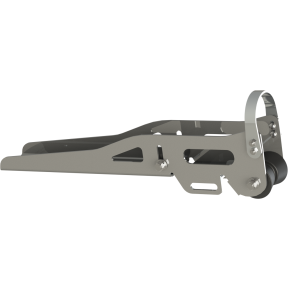
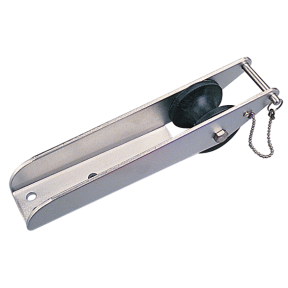
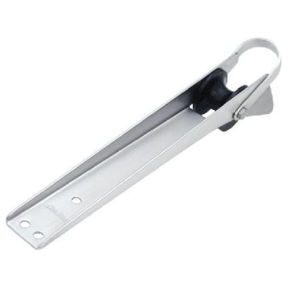
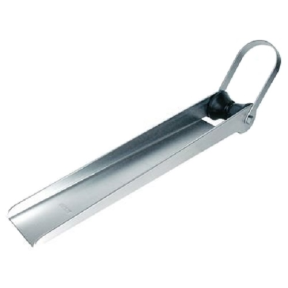
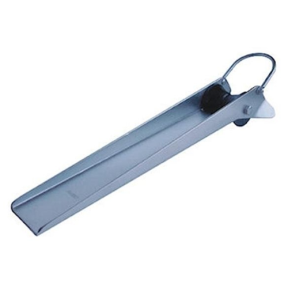
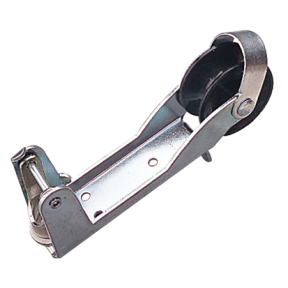
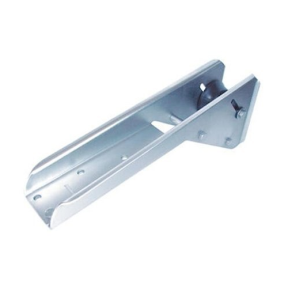
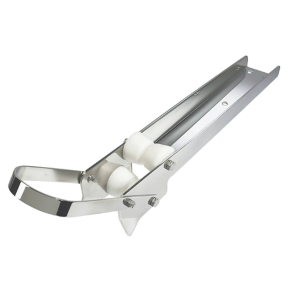
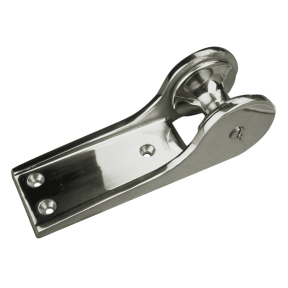
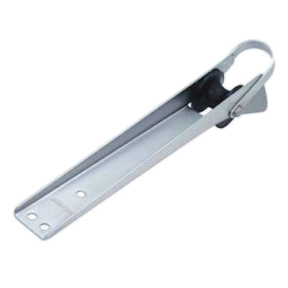
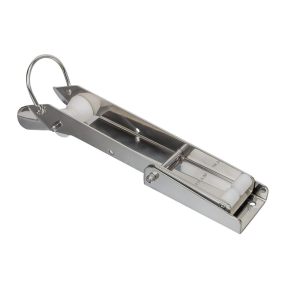
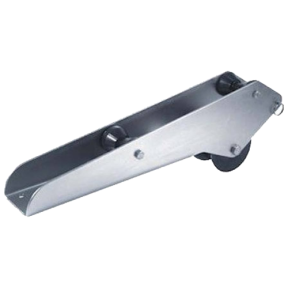
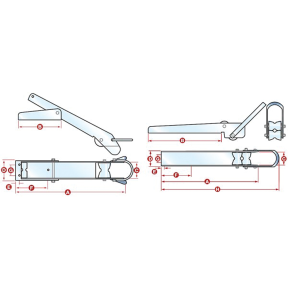
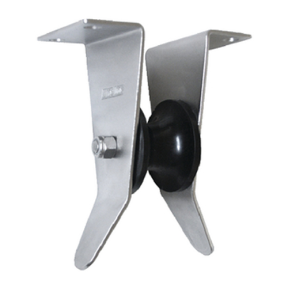
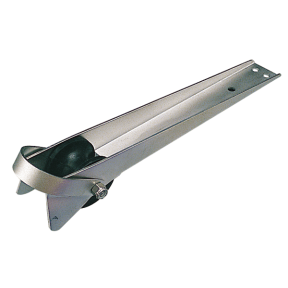
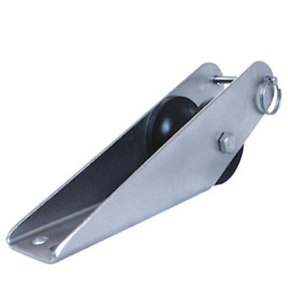
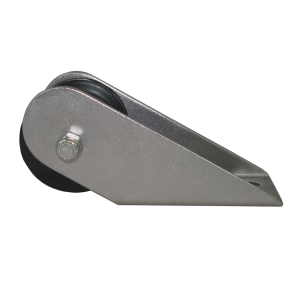
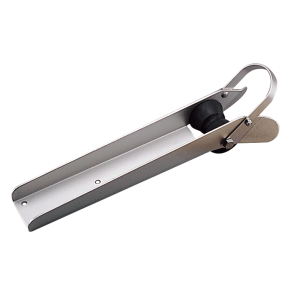
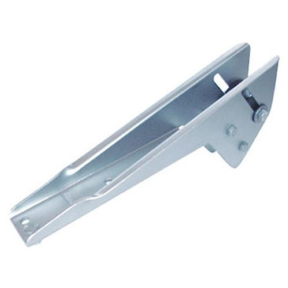
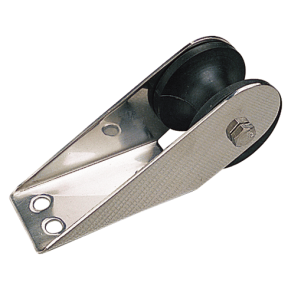
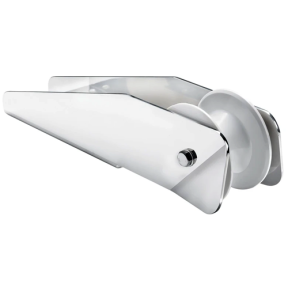
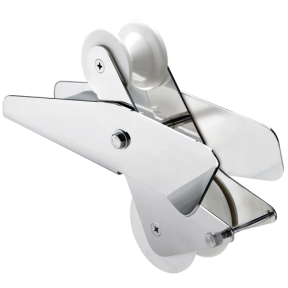
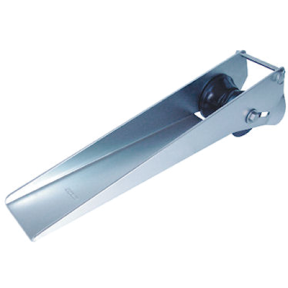
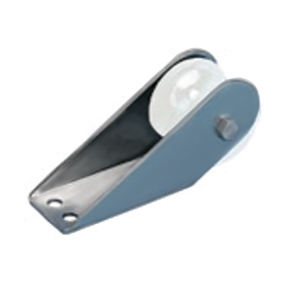
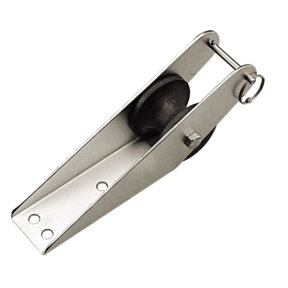
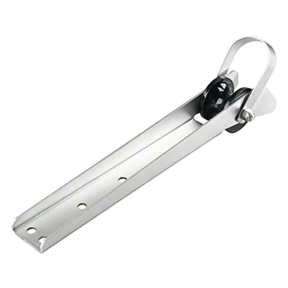
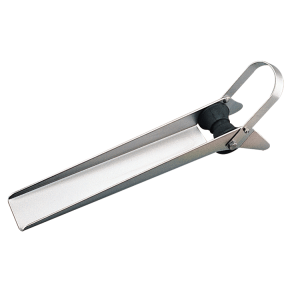
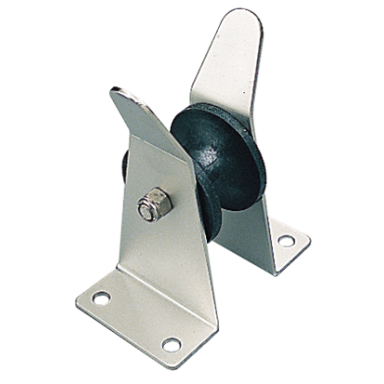
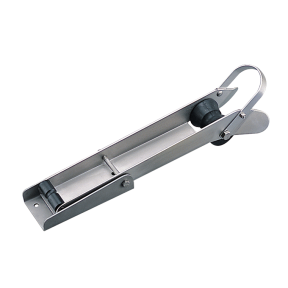
Anchor rollers, also called bow rollers or bow anchor rollers, are essential hardware for boats equipped with ground tackle. They provide a rolling surface that supports smooth anchor deployment and retrieval.
At Fisheries Supply, you’ll find a good selection of stainless steel bow anchor rollers from established marine brands such asWindline, Sea-Dog Line, and Lewmar.
What to know
- Anchor rollers simplify anchor handling and reduce anchor line wear.
- Different roller styles are designed for specific anchor types and loads.
- Proper clearance and compatibility are critical when selecting a roller.
Benefits of Using an Anchor Roller
A properly selected anchor roller improves handling and helps protect your boat during anchoring operations. Whether you anchor frequently or only occasionally, a roller reduces wear and simplifies the process.
- Ease of use: Supports smooth anchor deployment and retrieval without scraping the hull.
- Protection: Reduces chafe on the anchor rode and prevents contact with stem fittings or chocks.
- Convenient stowage: Keeps the anchor secured and ready for immediate use.
Types of Anchor Rollers
| Anchor Roller Type | Primary Use | Common Anchor Compatibility |
|---|---|---|
| Platform anchor rollers | Provide a stable extended base for larger anchors and added bow clearance. | Danforth, CQR, Delta, and similar common anchor styles when dimensions match. |
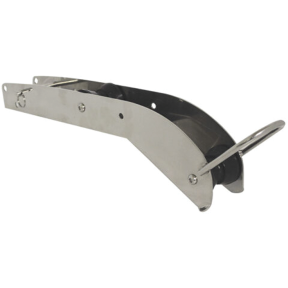
| Pivoting self-launch bow rollers | Help the anchor tip forward and deploy with less manual lifting. | Plow, claw, and self-launching anchor setups when the roller profile fits the shank. |
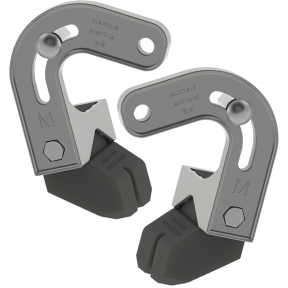
| Heavy-duty articulated or hinged rollers | Support heavier ground tackle and higher-load anchoring systems. | Larger cruising, fishing, and offshore anchoring systems matched by roller rating. |
| Universal bow anchor rollers | Fit many common bow layouts and anchor shapes. | Danforth, CQR, Delta, and similar anchors when clearance and channel width match. |
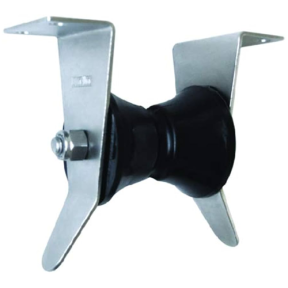
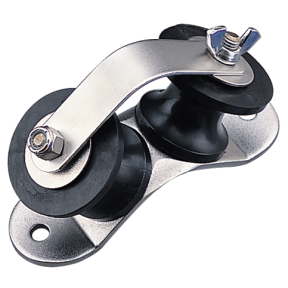
| Stern anchor rollers | Support controlled anchor use from the stern. | Stern anchor systems, secondary anchors, and smaller ground tackle setups. |
How to Choose the Best Anchor Roller
Selecting the right anchor roller starts with matching it to your anchor and bow configuration. Proper fit helps prevent damage and ensures reliable anchoring.
- Compatibility: Match the roller to the anchor’s shape and shank size.
- Clearance: Ensure the roller holds the anchor far enough forward to avoid hull contact.
- Mounting space: Confirm adequate room for safe storage without damaging the bow.
Anchor Roller Parts and Accessories
In addition to complete anchor rollers, replacement parts and accessories help extend service life and maintain smooth operation.
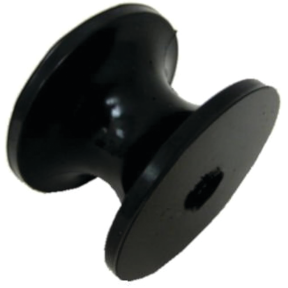
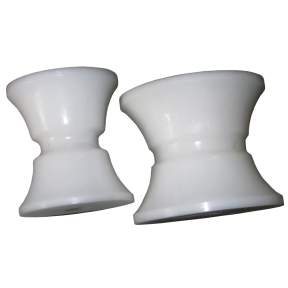
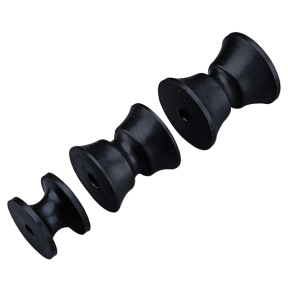
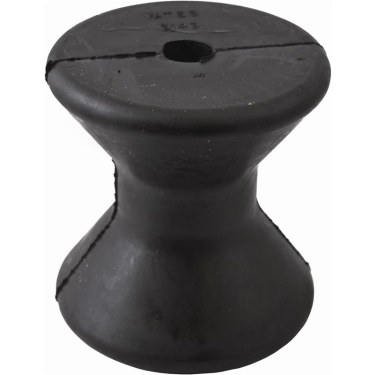
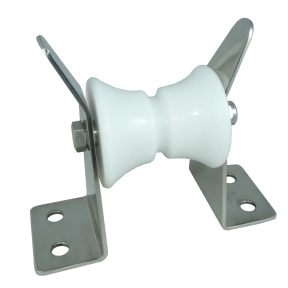
- Replacement wheels: Available in Marithane, rubber, and heavy-duty Delrin materials to restore smooth rolling without replacing the entire bracket.
- Mounting plates and hardware: High-tensile stainless steel plates that provide secure, stable installation and reinforce the deck.
Frequently Asked Questions
Does Fisheries Supply sell replacement wheels for anchor rollers?
Yes. Replacement wheels are available in Delrin, rubber, and urethane to extend the service life of your existing anchor roller.
How far should an anchor roller extend beyond the bow?
Anchor rollers should typically extend 4 to 6 inches beyond the bow to clear the hull and allow smooth anchor deployment without scraping.
What is the primary purpose of an anchor roller on a boat?
An anchor roller, often referred to as a bow roller, provides a rolling surface that facilitates the smooth deployment and retrieval of your anchor. It protects the boat's hull and topsides from scratches or structuraldamage caused by the anchor or chain. Additionally, it serves as a secure cradle to stow the anchor while the vessel is underway.
How do I choose the correct roller for my specific anchor type?
Selection is primarily based on the style and weight of your anchor. For example, "Claw" or Bruce-style anchors often require a pivoting or specifically contoured roller to accommodate their unique shape. Plow-style anchorslike the Delta or Rocna typically use fixed-head, self-launching rollers. Always ensure the roller’s channel width is compatible with your anchor's shank and that the design provides enough clearance to keep the anchorflukes away from the hull.
What are the differences between fixed, pivoting, and platform anchor rollers?
Fixed rollers are standard for many common anchors and offer a stable, non-moving guide. Pivoting (or hinged) rollers tilt to assist in "self-launching" the anchor, making it easier to drop the anchor by gravity alone.Platform rollers extend further out from the bow, providing extra clearance for larger anchors and preventing mud or debris from being brought directly onto the deck.
Can I use an anchor roller if my boat does not have a windlass?
Yes. Even without a powered windlass, a bow roller is a valuable addition because it significantly reduces the physical strain of manually lifting a heavy anchor. It provides a centered pulling point and prevents the anchorrode from chafing against deck fittings or the rub rail during retrieval.
Is it safe to rely on the roller and windlass to hold the anchor while traveling?
No, the windlass should not bear the full load of a stored anchor while the boat is in motion, as shock loads from waves can damage the motor or gears. You should always use a secondary method to secure the anchor, suchas a chain tensioner, a stainless steel locking pin through the roller, or by tying the rode off to a heavy-duty bow cleat.
What materials are best for replacement anchor roller wheels?
Replacement wheels are commonly available in Delrin, Marithane, or stainless steel. Delrin and Marithane are popular because they are durable, UV-resistant, and won't mar the anchor or chain. Stainless steel wheels areused for heavy-duty applications where maximum strength and longevity are required, though they can be noisier during operation.