
















Marine Compasses & Accessories
Marine compasses provide heading information for recreational boating, cruising, and racing. Compare magnetic and electronic models by viewing distance, mounting layout, and intended use, then check alignment and potential magnetic interference at the installation location.
Key Takeaways
Magnetic and Electronic Racing Compasses
Choose according to how you will use the compass: steering a powerboat or cruising sailboat, taking bearings, or reading headings while racing a dinghy or keelboat.
| Compass type | Typical use | What to check |
|---|---|---|
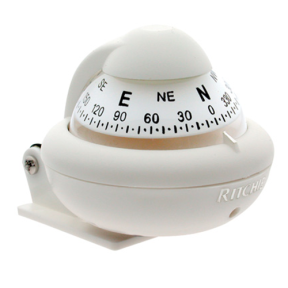
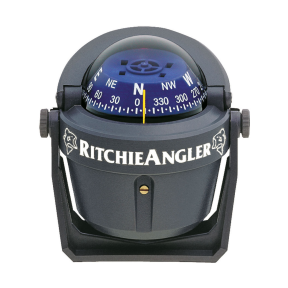
| Magnetic helm compass | Steering and heading reference during day cruising or passagemaking. | Dial readability, mounting fit, lubber line alignment, and magnetic deviation. The heading display does not require electrical power. |
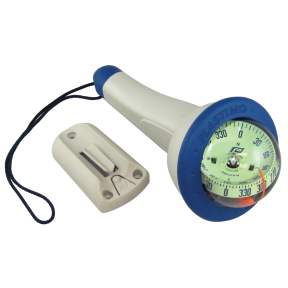
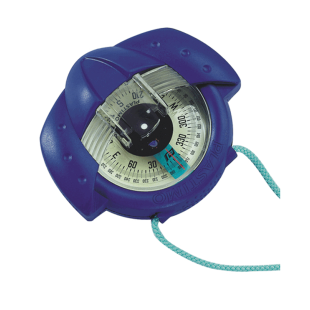
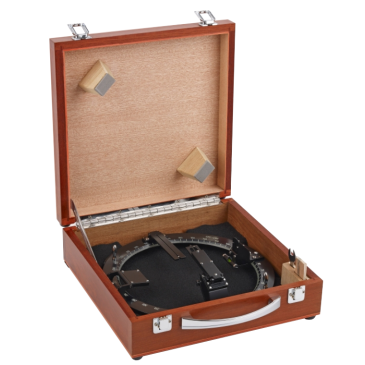
| Hand-bearing compass | Taking bearings for position fixes, piloting, and race-start preparation. | Readability and suitability for handheld use. |
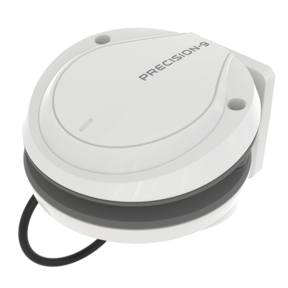
| Electronic racing compass | Digital heading displays and racing information. | The specific model’s display, timing or shift functions, and eligibility under the applicable fleet rules. |
Marine Compass Brands
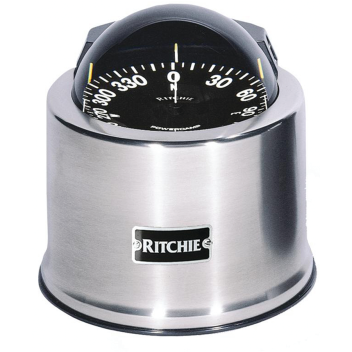
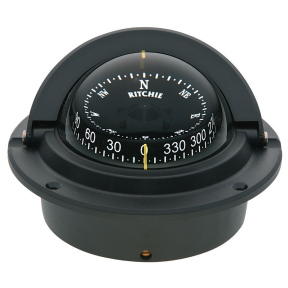
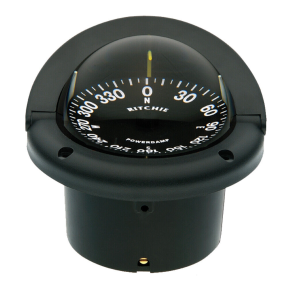
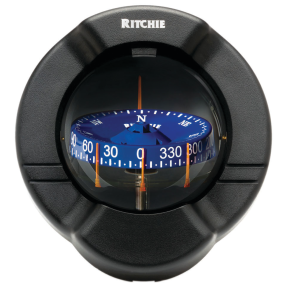
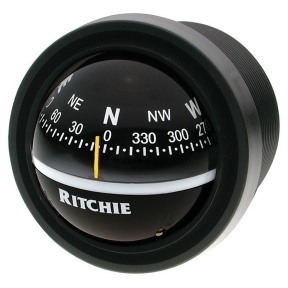
Compare Ritchie Navigation, Weems & Plath, and Velocitek models. Check each product’s mounting requirements, display format, and operating instructions rather than assuming every model from a brand has the same features.
Compare Compass Mounting Styles
| Mounting style | Application | What to check |
|---|---|---|
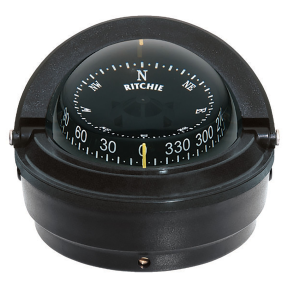
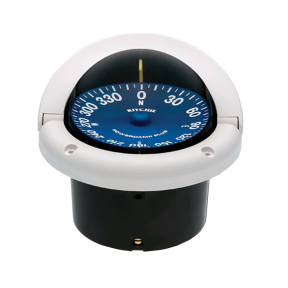
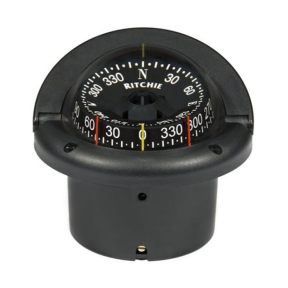
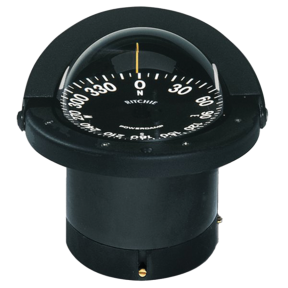
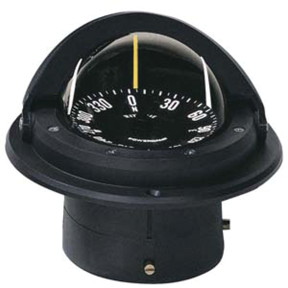
| Flush mount | Integration into a fixed helm or center console. | Check installation fit and readability from the steering position. |
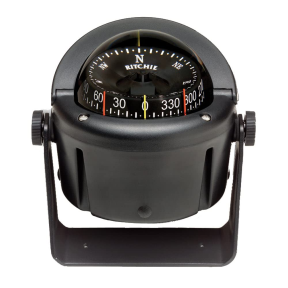
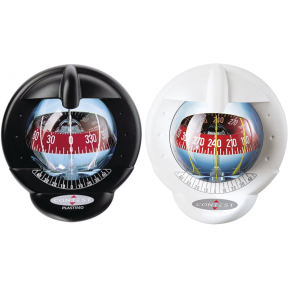
| Bracket or steering mount | Retrofits and smaller helms where viewing-angle adjustment is useful. | Confirm the selected mount provides the required viewing angle and alignment. |
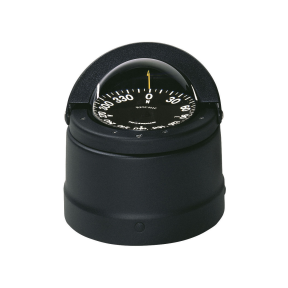
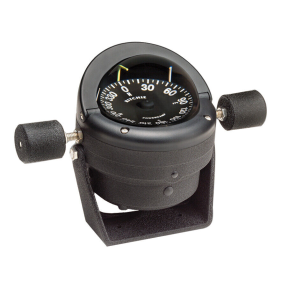
| Bulkhead or pedestal mount | Sailboat cockpit installations. | Check readability from the steering positions used on both tacks. |
How to Choose and Position a Marine Compass
- Identify the application. Decide whether you need a fixed steering reference, a handheld bearing instrument, or an electronic racing display.
- Check readability. Compare dial or digit size at your actual viewing distance, allowing for boat motion and cockpit sightlines. Boat length alone does not establish the right display size.
- Check mounting and alignment. Choose a readable location near the helm and align the installed compass’s lubber line parallel to the boat’s centerline. Follow the model’s installation instructions.
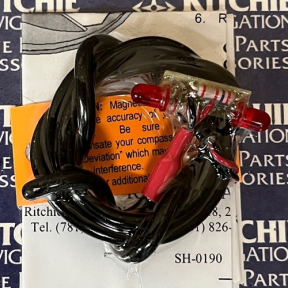
- Assess magnetic interference. Speakers, magnets, steel, and current-carrying wiring can cause deviation in a magnetic compass. Check the intended location before mounting and reassess deviation after nearby electrical or hardware changes.
- Review model-specific construction and functions. If comparing sapphire-jewel and hardened-steel-pivot movements or electronic racing functions, confirm those features in the selected model’s documentation.
Compass Care and Heading Checks
Inspect the fluid-filled bowl for bubbles or leakage, check lighting where fitted, and confirm that the card moves freely and settles. Persistent bubbles or fluid loss warrant attention according to the manufacturer’s service instructions.
When steering by compass, bring the selected heading to the lubber line and steer to keep it aligned. Use the compass alongside GPS or chartplotter information as an additional navigation reference.
Frequently Asked Questions
What type of compass is best for my boat?
Small open boats benefit from compact bracket or flush-mount magnetic models; cruisers often choose larger flush/bulkhead units; racers favor lightweight electronic compasses with big digits.
What’s the difference between a flat card, direct-read, and CombiDial?
Flat card dials present a plan view; direct-read domes show headings head-on; CombiDial styles blend both for multiple sightlines at the helm.
How do I maintain accuracy over time?
Keep the compass clean and illuminated, check for bubbles, and periodically assess deviation after electrical or hardware changes near the helm.
Can I replace the fluid if it leaks?
Generally, no. A persistent bubble indicates a seal or diaphragm failure. Major manufacturers (such as Ritchie) require the unit to be sent in for factory service, as using improper fluids will permanently damage the compass. Always consult the specific brand manual before attempting any service.
Where should the compass sit relative to the helm?
Centerline, directly ahead of the steering position, with the lubber line parallel to the boat’s centerline and free of nearby magnets or ferrous metals.