

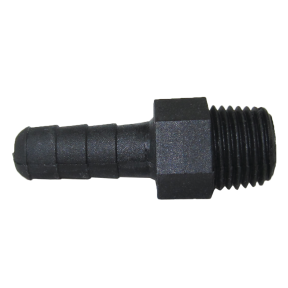
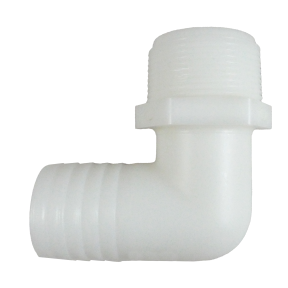
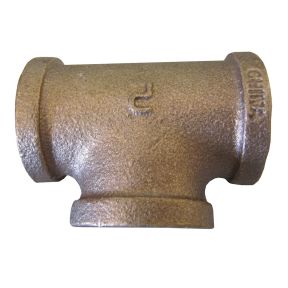
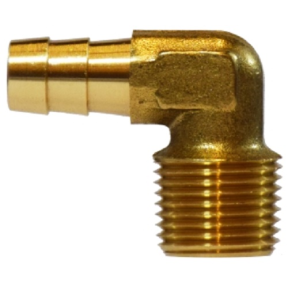

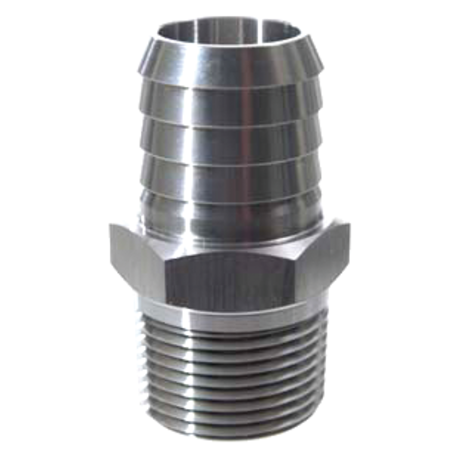
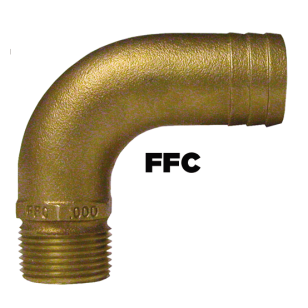
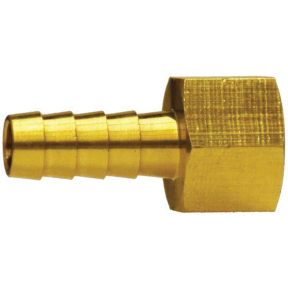
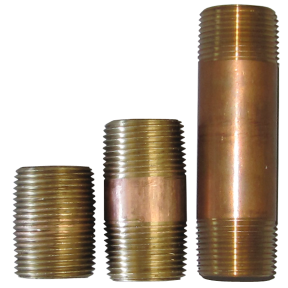

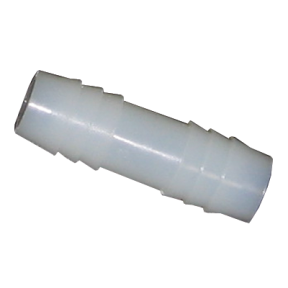
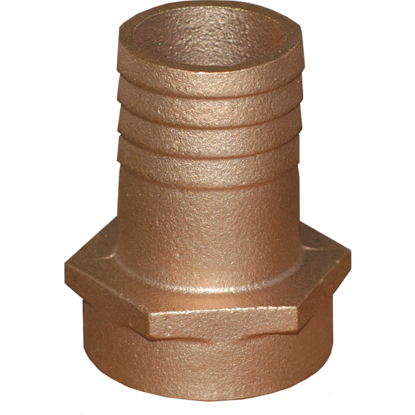
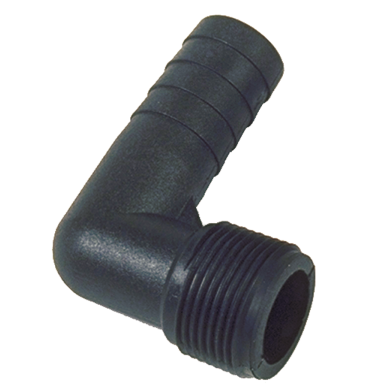
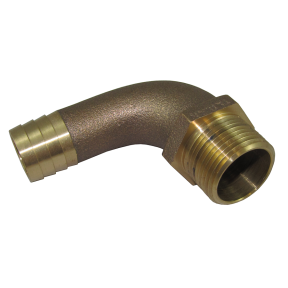
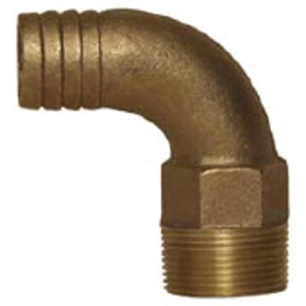
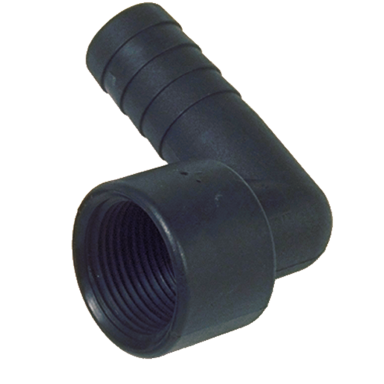
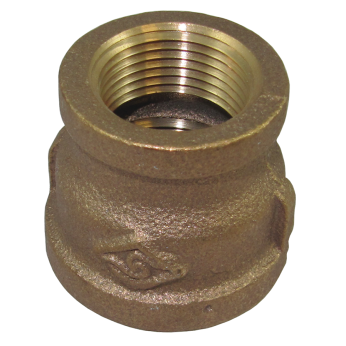
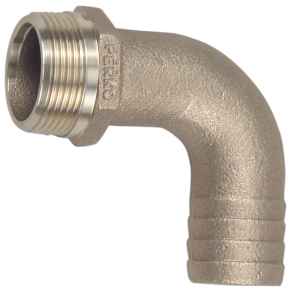
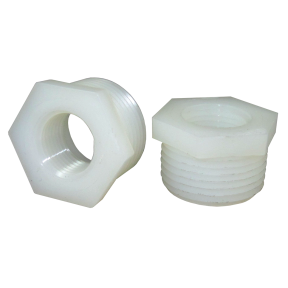
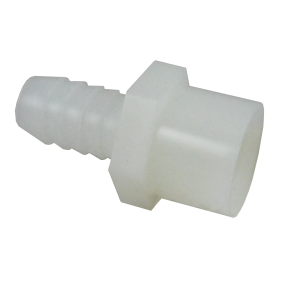
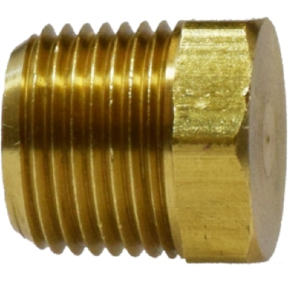
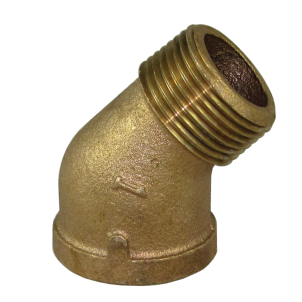
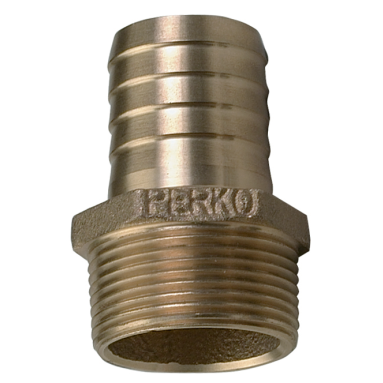
Marine Pipe and Hose Fittings
Marine pipe and hose fittings connect components across potable-water, raw-water, bilge, and drain systems. Select fittings suited to the fluid, operating pressure and temperature, and exposure zone—above or below the waterline—then verify thread standards, hose-barb sizing, and service access.
Key takeaways
- Match fitting alloy or composite to the environment: marine bronze and approved marine composites are standard for below-waterline and raw-water service, while 316/316L stainless steel is widely used in select above-waterline and wet-system applications where crevice corrosion is controlled.
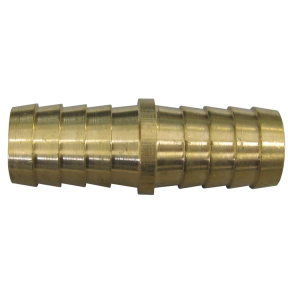
- Verify the exact thread standard—such as NPT, BSPT (ISO 7-1), or BSPP (ISO 228)—and match hose inside diameter (ID) to barb outside diameter (OD) with adequate barb engagement length.
- Below the waterline, use approved marine components, allow clearance for two heavy-duty marine hose clamps per connection, and maintain clear access for inspection, shutoff operation, and maintenance.
Fitting materials and styles
Browse fittings by material, angle, or connection style:
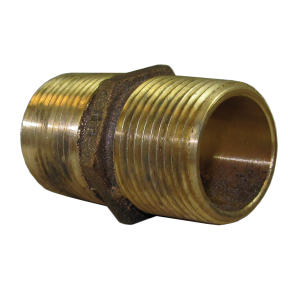
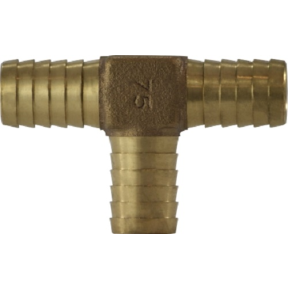
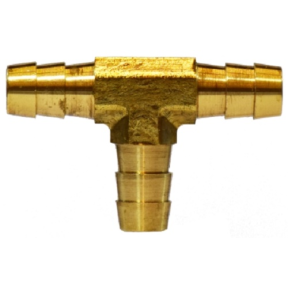
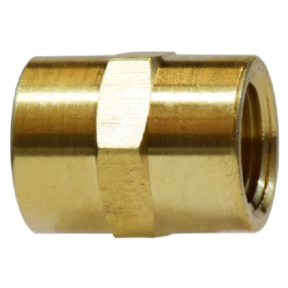
- Brass fittings (for select above-waterline/low-risk uses; avoid standard brass below the waterline)
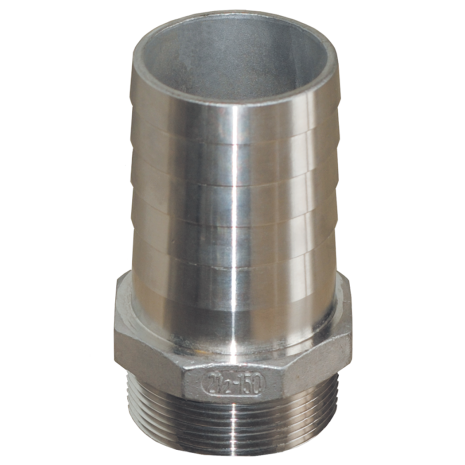
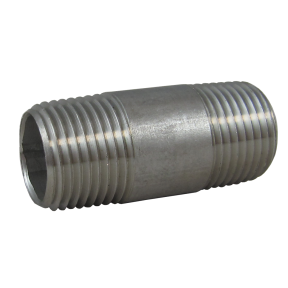
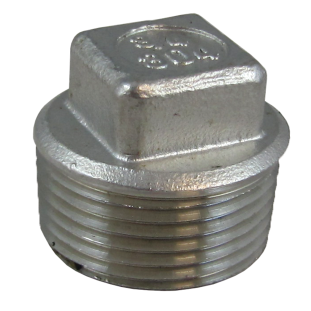
- Stainless steel pipe couplings and fittings
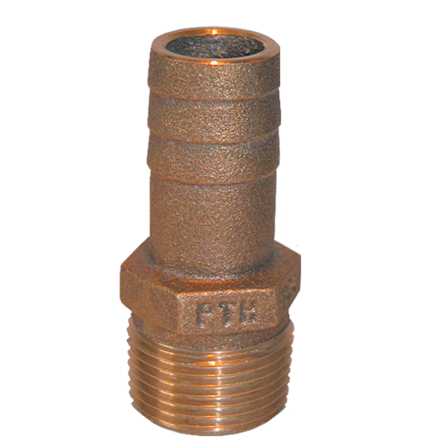
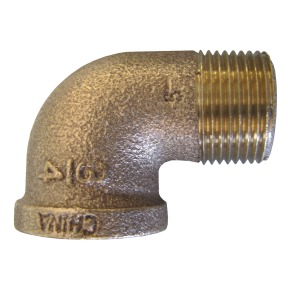
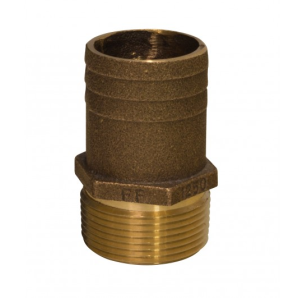
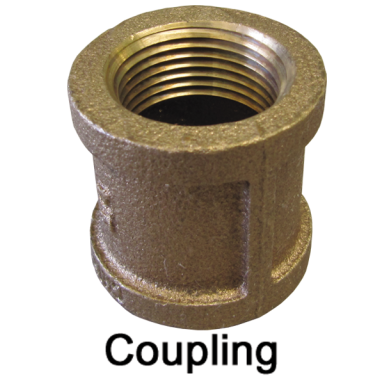
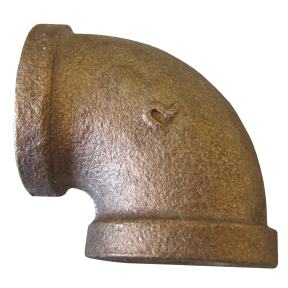
- Bronze plumbing connectors
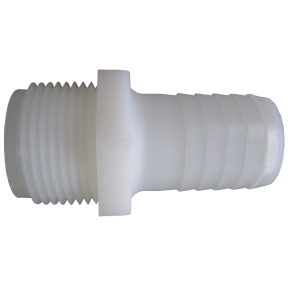
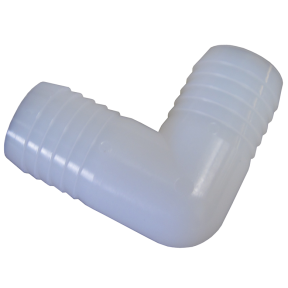
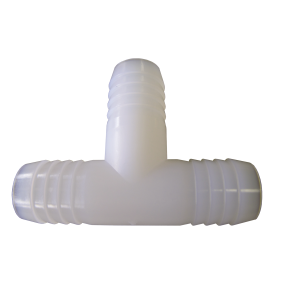
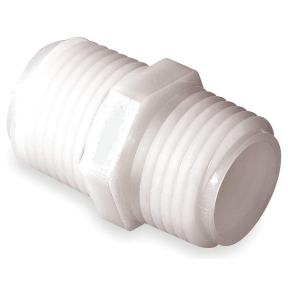
- Synthetic hose fittings
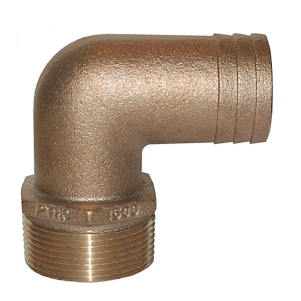
- 45-degree elbows and 90-degree elbows
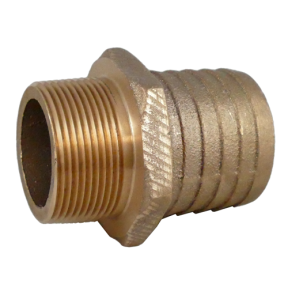
- Pipe-to-hose adapters
- Garden hose fittings (for washdown/dockside connections, not below-waterline through-hulls)
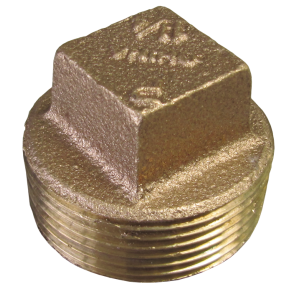
- Seacocks and pipe nipples
How to choose marine plumbing fittings
- Consider the material and exposure zone. Choose marine bronze or rated marine composites for seawater intake, discharge, and below-waterline service, and avoid standard/soft brass below the waterline due to dezincification risk. Reserve 316/316L stainless steel for applications where it is rated and protected against stagnant crevice corrosion, and confirm potable-water/lead-free certification on drinking-water lines.
- Check system compatibility. Confirm the thread standard (NPT vs. BSPT/BSPP), hose ID and barb OD/length, working pressure and temperature ratings, and potable-water approvals where required. Tapered and parallel threads or NPT and BSP threads are not interchangeable without a proper adapter.
- Plan for service access. Leave space to install and inspect two marine hose clamps, operate seacocks/valves cleanly, and replace hoses without disassembling adjacent systems. Clear circuit labeling simplifies future maintenance.
Example configuration: pair a properly rated marine bronze seacock with compatible nipples, adapters, and hose barbs suited to the specific circuit—using certified lead-free/potable-rated components on freshwater supply lines and verified marine-grade fittings on raw-water intakes.
Installation and maintenance checks
- Match the hose inside diameter to the barb outside diameter and seat the hose fully over the barb. Warm rigid or stiff hose ends in hot water if needed and use a glycerin-based or water-based lubricant (avoiding petroleum oils/greases that can degrade elastomers).
- Install two marine-grade hose clamps (such as 316 stainless steel with non-perforated/smooth inner bands where specified for hose protection) on below-waterline connections, with screw heads opposed and accessible for inspection.
- Do not force-fit mismatched NPT and BSPT/BSPP threads. Apply a thread sealant or PTFE tape rated for the fitting material, pressure, and fluid (and potable water if applicable) per manufacturer instructions.
- After assembly, test the system with water/pressure as appropriate, inspect for weeps or leaks, and re-torque hose clamps after initial sea trials and periodic thermal cycles.
Related plumbing components
Browse marine pipe fittings or see vented loops for anti-siphon protection in marine plumbing installations.