
















Marine Radar Systems and Mounts
Marine radar systems help boaters monitor nearby vessels, land, weather cells, and navigational hazards when visibility limits what they can see. When choosing a system, consider your boat’s size, available power, typical conditions, and where the antenna can be mounted without obstructions.
What to Check Before Choosing
- Choose a system suited to your boat and intended use.
- Compare dome and open array options against your available space and power.
- Plan antenna placement to avoid obstructions such as masts, rigging, and other equipment.
- Check which displays, antennas, mounts, and cables are included with the system.
Marine Radar Brands
The selection includes marine radar systems from Garmin and Raymarine. Compare the specific models’ features and installation requirements to find a system that fits your boat.
Dome and Open Array Radar
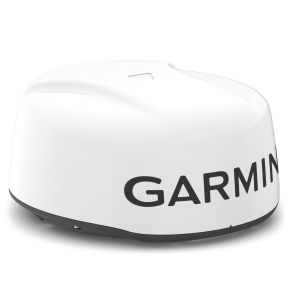
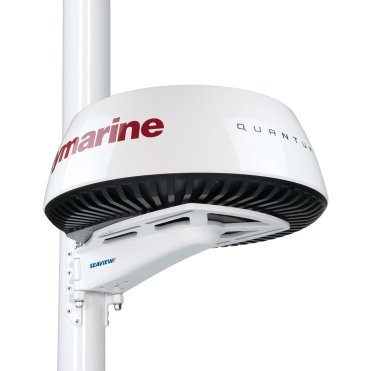
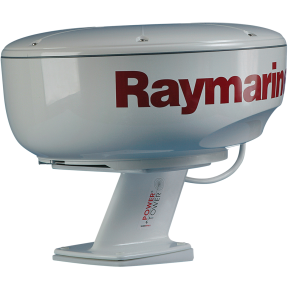
Available options include compact dome radar units and larger open array systems. Compare the models’ power requirements and capabilities with your boat’s layout and the conditions in which you navigate.
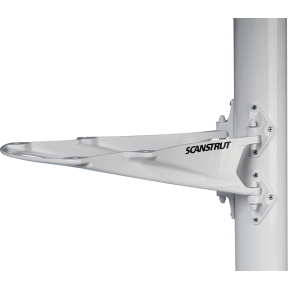
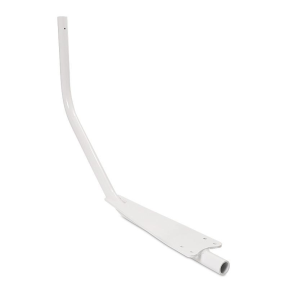
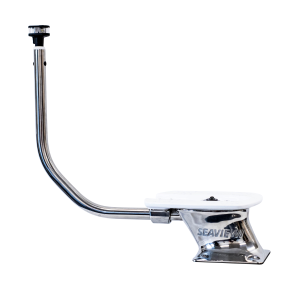
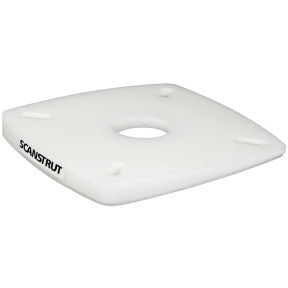
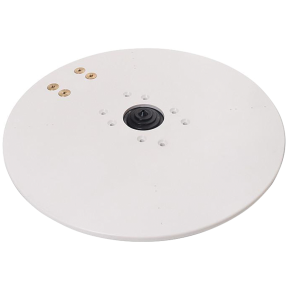
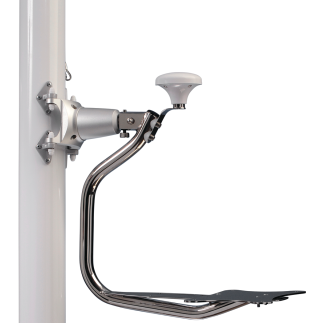
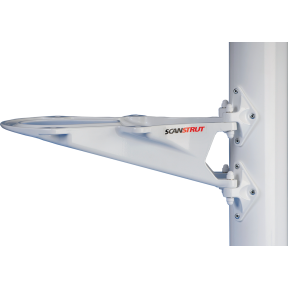
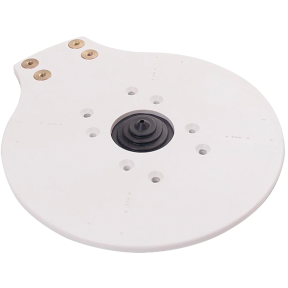
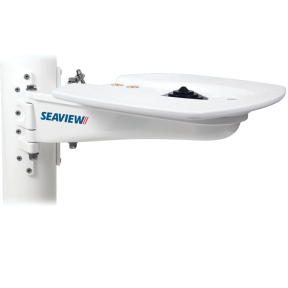
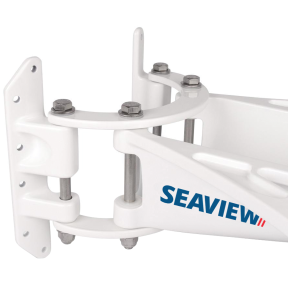
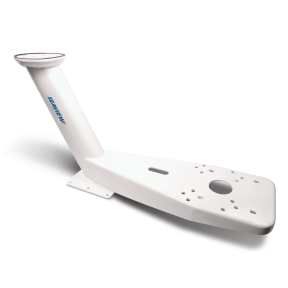
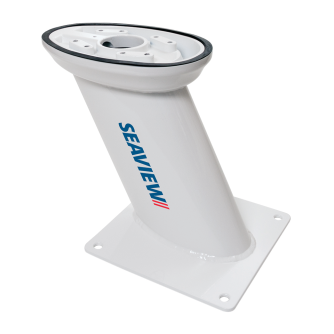
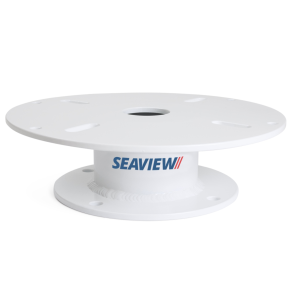
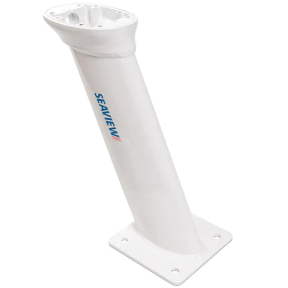
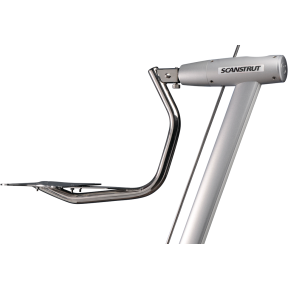
A marine radar mount positions the antenna. Plan its location to keep masts, rigging, and other onboard equipment from obstructing it, and check the mount’s compatibility with your radar.
Radar Package Components
Package contents vary. Check the product details to confirm which components are included and what your installation requires.
| Component | Function or selection check |
|---|---|
| Display | Shows radar information and targets. |
| Antenna or radome | Sends and receives radar signals. |
| Mount | Supports antenna placement. Options include pedestals, masts, and brackets. |
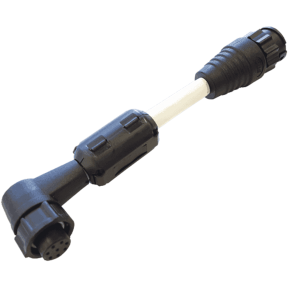
| Cables | Confirm the required cabling for the selected system. |
Choosing a System for Your Boat
Before selecting a radar, consider your boat’s layout, typical operating environment, and performance needs. Fisheries Supply representatives can help evaluate these factors and discuss options for your application.
Frequently Asked Questions
How does marine radar work?
Marine radar sends radio waves that reflect off objects and return to the antenna. The system uses the return time to determine an object’s distance and its direction to determine bearing.
Can marine radar detect weather?
Some systems include weather or echo overlay features that can show precipitation and storm cells on the display. Check the specific model’s features for details.
What is the difference between magnetron and solid-state radar?
The supplied category information describes magnetron radar as a traditional option that requires more maintenance. It describes solid-state systems as using less power, producing higher-resolution images, and emitting lower radiation levels. Check the manufacturer’s documentation for details on the specific models you are comparing.