
Marine Exhaust Systems and Boat Exhaust Components
Marine exhaust systems carry engine combustion gases out of a boat while managing heat and noise. Boaters and marine technicians can use this guide to identify exhaust components, compare wet and dry layouts, and check the factors that affect part selection.
Key Takeaways
Why Marine Exhaust Design Matters
A marine exhaust layout carries combustion gases away from the boat and manages heat, noise, and vibration. Component diameter and routing affect exhaust backpressure, while wet exhaust routing must also account for cooling water and potential backflow.
Marine Exhaust Components
| Category | Components or Brands | Function |
|---|---|---|
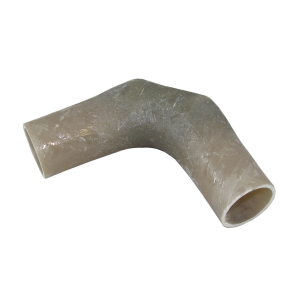
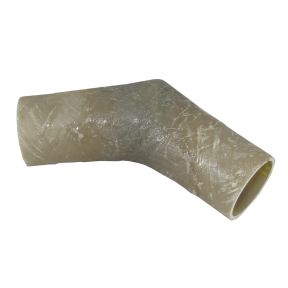
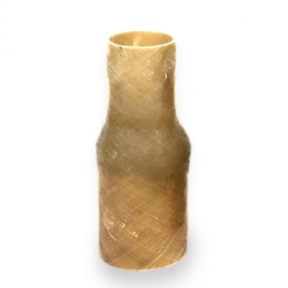
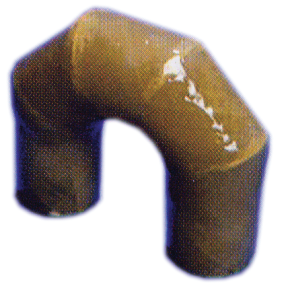
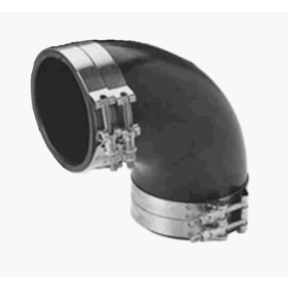
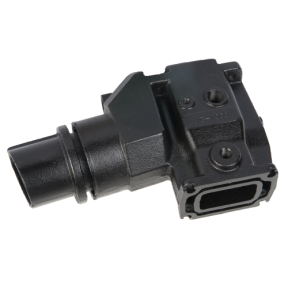
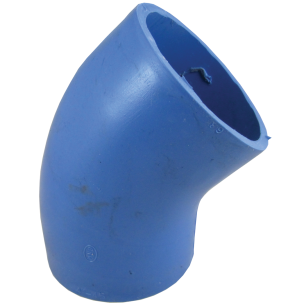
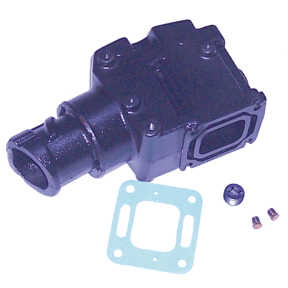
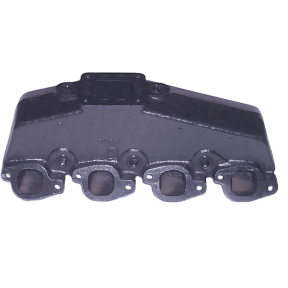
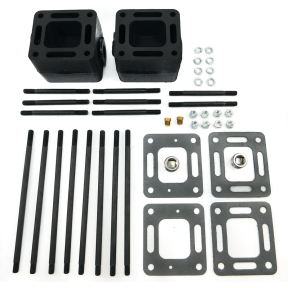
| Engine and discharge components | Manifolds, risers, and elbows | Connect the engine to the exhaust run. |
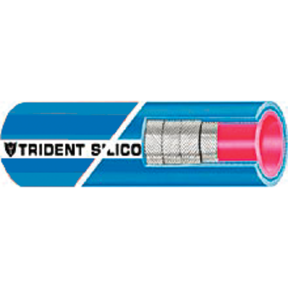
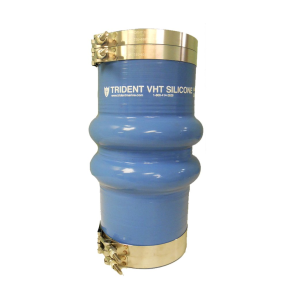
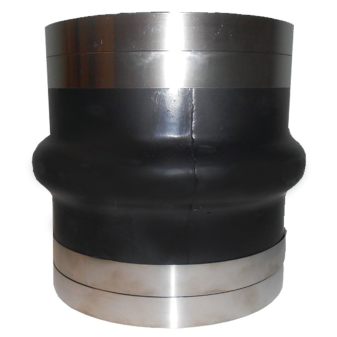
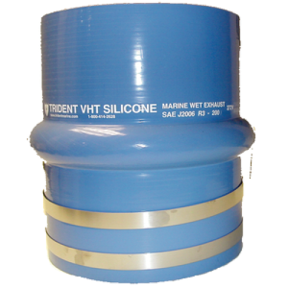
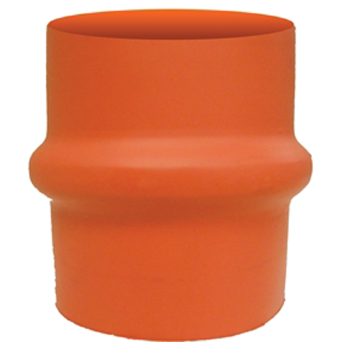
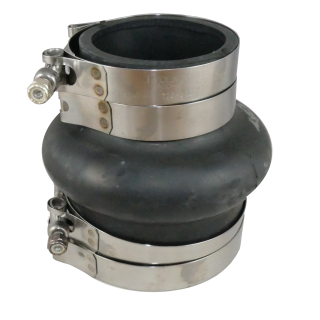
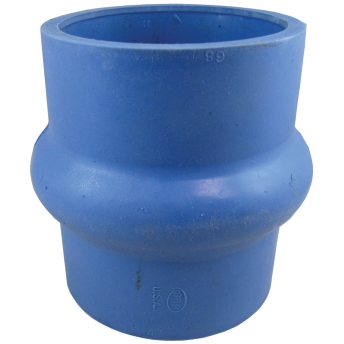
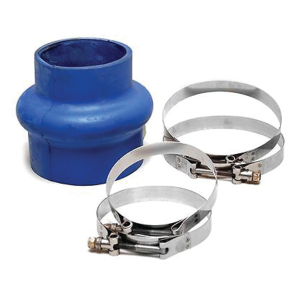
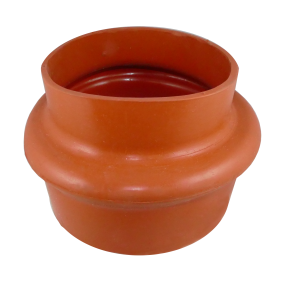
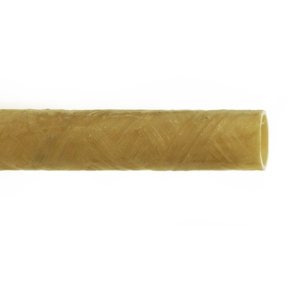
| Engine and discharge components | Marine exhaust hose and bellows | Form flexible connections within compatible system layouts. |
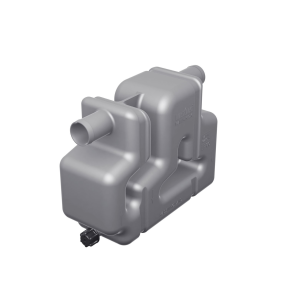
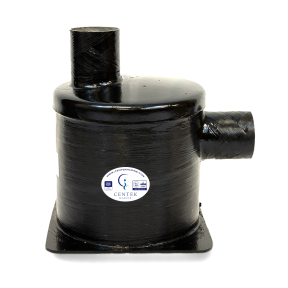
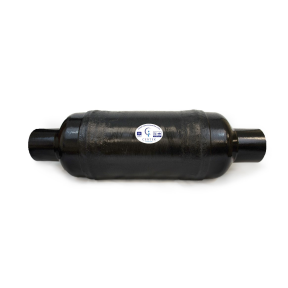
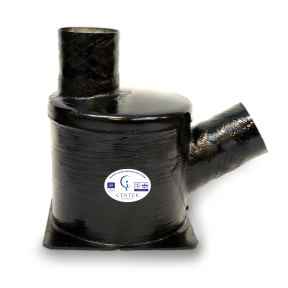
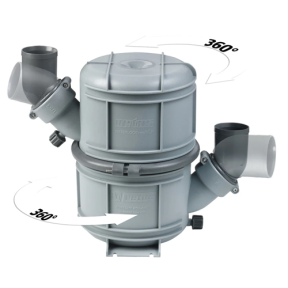
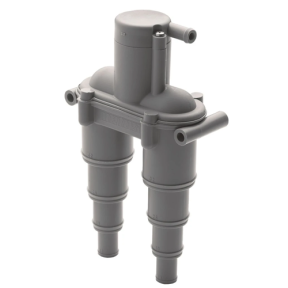
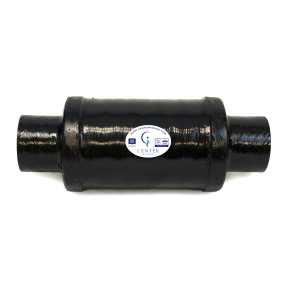
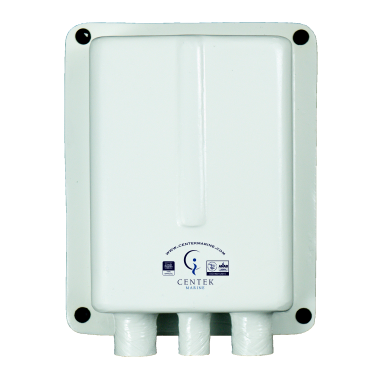
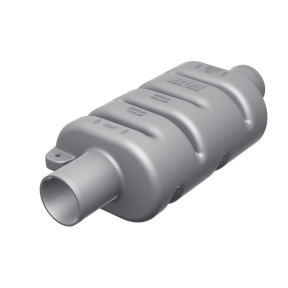
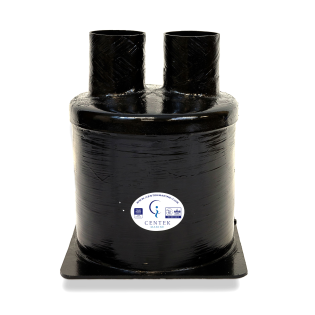
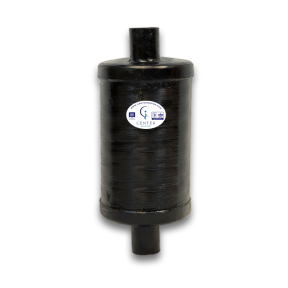
| Wet exhaust components | Mufflers, waterlocks, goosenecks, and water separators | Serve wet exhaust layouts according to the system design. |
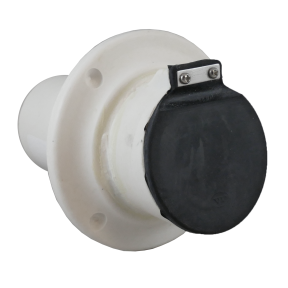
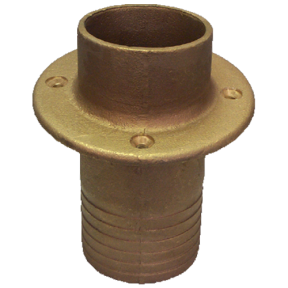
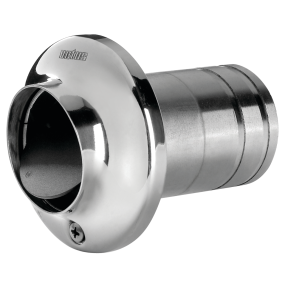
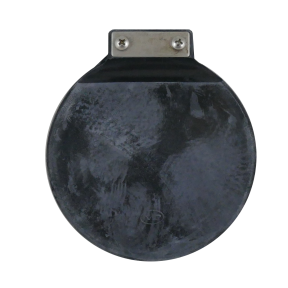
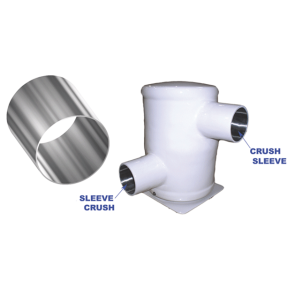
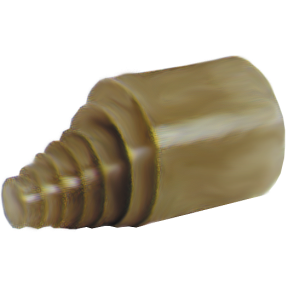
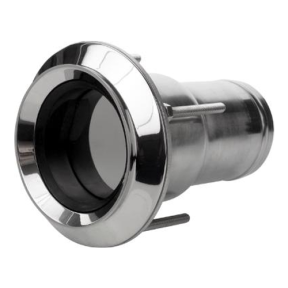
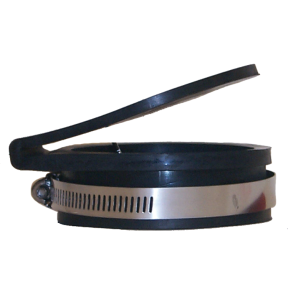
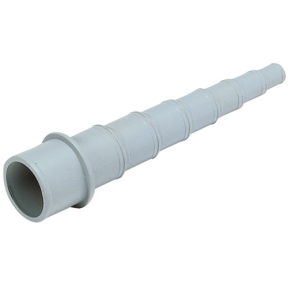
| Discharge components | Fittings and transom fittings | Connect and terminate the exhaust run; specialized layouts may use underwater discharge accessories. |
| Marine exhaust brands | Centek, Barr Marine, Sierra, and Vetus | Fisheries Supply carries exhaust components from these brands. Check each part’s stated application and compatibility before selecting it for an engine and exhaust layout. |
Wet and Dry Marine Exhaust Systems
How to Select and Inspect Boat Exhaust Parts
- Identify the engine and confirm its exhaust requirements and backpressure limit.
- Match component and hose diameters to the engine output and total exhaust run length.
- Check each hose and fitting for the required temperature and material compatibility.
- Review bends, low points, component support, and wet exhaust routing for trapped water or backflow concerns.
- Inspect installed parts periodically for soft hoses, cracks, rust, salt deposits, leaks, or unusual smells.
Frequently Asked Questions
What parts make up a typical marine exhaust system?
A typical marine exhaust system includes a manifold, riser, elbow, exhaust hose, muffler or waterlock, and discharge fittings. The exact combination depends on the engine and whether the installation uses wet or dry exhaust. Wet systems may also include a gooseneck or water separator.
What is the difference between wet and dry marine exhaust?
Wet marine exhaust mixes engine cooling water with exhaust gases to lower discharge temperature and noise. Dry exhaust keeps the exhaust run uncooled and may require insulated piping, expansion joints, and a dedicated silencer. The engine and boat layout determine which approach is suitable.
How do I choose the right marine exhaust hose diameter?
Choose marine exhaust hose diameter using the engine manufacturer’s requirements, engine output, and the complete exhaust run. Bends and run length also affect backpressure. Check the hose’s temperature rating and material compatibility, then verify that the installed system stays within the manufacturer’s backpressure limit.
How can a wet exhaust layout reduce water-backflow risk?
A wet exhaust layout addresses water-backflow risk through component placement and routing. Review the positions of the waterlock, gooseneck, hose bends, and discharge relative to the engine. Avoid low points that trap water, and follow the engine and component manufacturers’ installation requirements.
When should I inspect or replace boat exhaust components?
Inspect boat exhaust components periodically and investigate soft or cracked hoses, deteriorated bellows, rust, salt deposits, leaks, excessive fumes, or unusual smells. These signs may indicate a part needs service or replacement. Check the affected component and its connections before continuing to use the system.
Which marine exhaust brands does Fisheries Supply carry?
Fisheries Supply carries marine exhaust components from Centek, Barr Marine, Sierra, and Vetus. Their category listings can help you find parts such as manifolds, risers, hose, mufflers, and waterlocks. Select a specific part by checking its stated engine application, dimensions, materials, and installation requirements.