
Marine Ventilation Fans
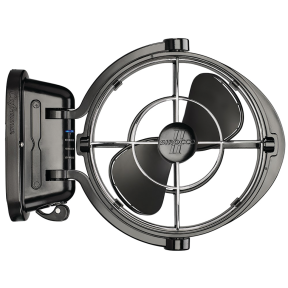
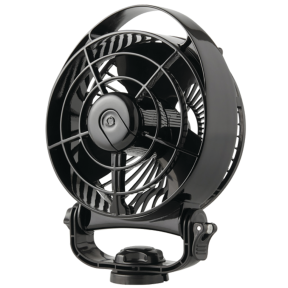
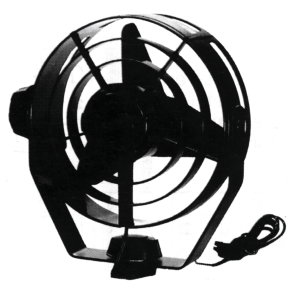
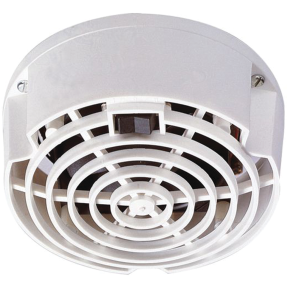
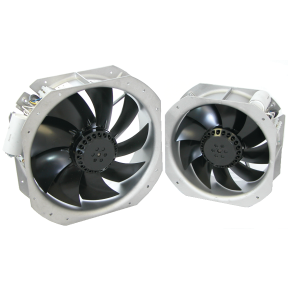
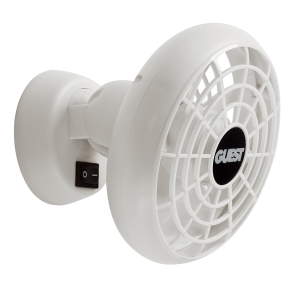
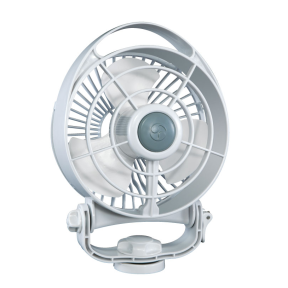
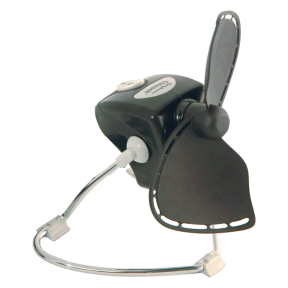
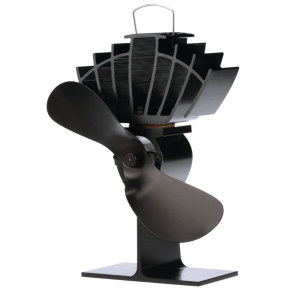
Marine ventilation fans circulate air through boat cabins, heads, engine rooms, and lazarettes to control moisture, heat, odors, and airborne pollutants. Boat owners, skippers, and marine technicians can compare cabin fans, exhaust fans, replacement components, and air-purification accessories for recreational and commercial vessels.
Why Marine Ventilation Matters
Boat ventilation controls moisture, removes odors and pollutants, limits heat buildup, and improves cabin comfort. In compartments where gasoline vapors may accumulate, natural or powered ventilation also supports vessel safety and compliance with applicable requirements.
| Ventilation Benefit | Purpose |
|---|---|
| Moisture Control | Continuous air movement discourages mold and mildew. Cabin relative humidity should generally remain within the supported 40–50% range. |
| Air Quality | Fresh-air exchange dilutes volatile organic compounds, cooking odors, allergens, and other airborne contaminants. |
| Cabin Comfort | Air circulation reduces stagnant air and accumulated heat near berths, seating areas, and enclosed heads. |
| Equipment Protection | Lower heat and moisture levels help protect onboard electronics, interior finishes, and other moisture-sensitive components. |
| Fuel-Space Safety | Gasoline engine and fuel-tank compartments may require natural or powered ventilation under applicable marine standards. |
Types of Marine Ventilation Products
Fisheries Supply carries marine ventilation products for cabins, heads, machinery spaces, and storage compartments.
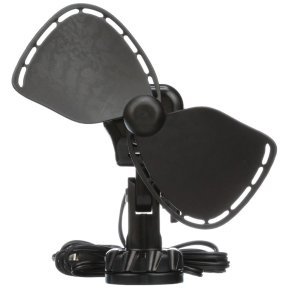
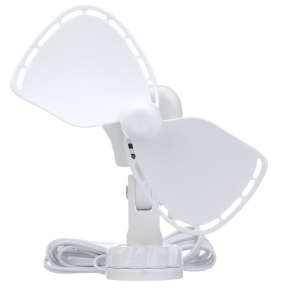
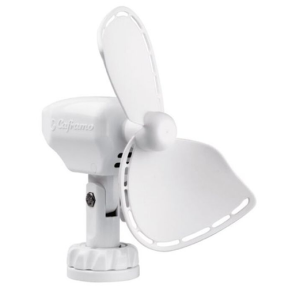
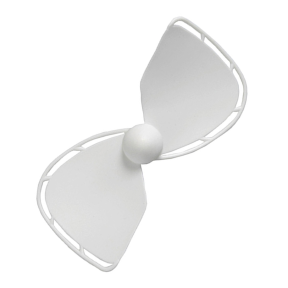
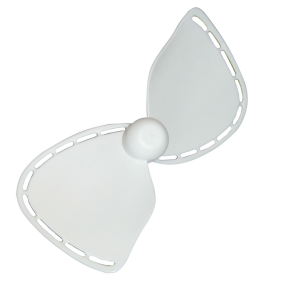
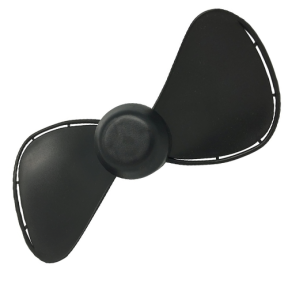
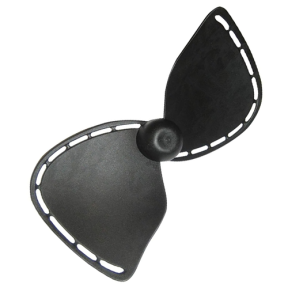
- Fan blades provide replacement options for compatible Caframo boat fans.
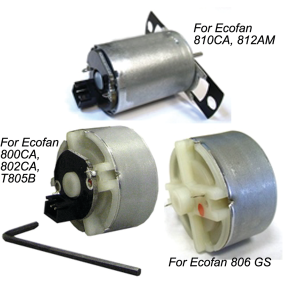
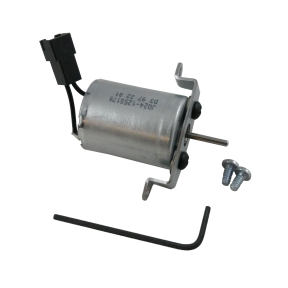
- Fan motors support compatible direct-fit fan repairs.
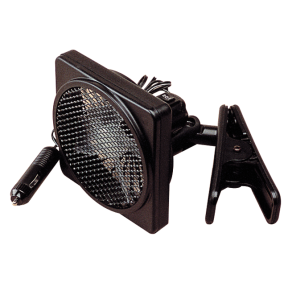
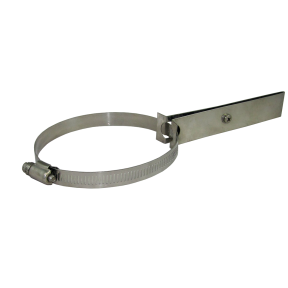
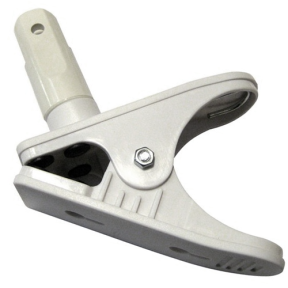
- Mounting hardware secures fans while limiting vibration at the installation point.
How to Choose the Right Marine Fan
| Selection Factor | What to Check | Why It Matters |
|---|---|---|
| Voltage | Match 12V DC, 24V DC, or 120V AC operation to the boat’s electrical distribution system. | Correct voltage supports compatible wiring and fan operation. |
| Current draw | Compare fan amperage with battery capacity, operating duration, and overnight use at anchor. | Lower electrical demand can extend available battery runtime. |
| Airflow | Select cubic feet per minute based on compartment volume and desired air changes per hour. | Proper airflow supports effective heat, odor, and moisture removal. |
| Sound profile | Review blade design, speed settings, mounting method, and vibration isolation. | Quiet operation is important near berths and occupied cabin areas. |
| Controls | Compare manual switches with thermostats, humidity sensors, and occupancy sensors. | Control options can regulate comfort and electrical use. |
| Ignition protection | Verify ignition-protected components where regulations require them in spaces containing gasoline vapors. | Approved components reduce ignition risk in regulated compartments. |
| Construction | Look for UV-stable plastics, corrosion-resistant fasteners, sealed motors, removable grilles, and washable filters. | Marine-grade materials and service access support longer operating life and routine maintenance. |
Marine Ventilation Brands at Fisheries Supply
Marine Fan Maintenance
- Clean fan blades, grilles, and washable filters regularly to maintain airflow and limit operating noise.
- Inspect wiring, electrical connections, mounts, fasteners, and ignition-protection labels where applicable.
- Check dampers and ducting for blockage, damage, or restricted movement.
- Monitor cabin humidity with a hygrometer and investigate sustained moisture levels above the recommended range.
- Replace damaged blades, worn motors, loose mounts, and other incompatible or degraded components.
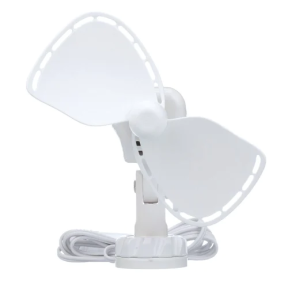
Browse boat cabin fans, compatible ventilation components, or complementary boat shades.
Frequently Asked Questions
Do gasoline engine compartments need powered ventilation?
Many gasoline engine and fuel-tank compartments require natural or powered ventilation under applicable regulations. Review 33 CFR Part 183 Subpart K, ABYC H-2, ISO 11105, and the vessel manufacturer’s instructions before selecting equipment. Where required, use ignition-protected fans, controls, motors, and electrical components designed for spaces containing gasoline vapors.
What humidity level should a boat cabin maintain?
A boat cabin should generally remain around 40–50% relative humidity, with approximately 45% providing a balanced target. Sustained humidity above 60% can encourage mold, mildew, condensation, and material damage. Use a hygrometer to track conditions, increase ventilation when moisture rises, and inspect the cabin for leaks or trapped water.
Should I choose a 12V, 24V, or 120V marine fan?
Choose the voltage that matches the boat’s electrical distribution system. A 12V or 24V DC marine fan commonly operates from onboard batteries, while a 120V AC fan requires compatible shore power or inverter output. Also compare current draw, wiring distance, circuit protection, operating duration, and the manufacturer’s installation instructions.
How much airflow does a boat cabin fan need?
The required airflow depends on cabin volume and the desired number of air changes per hour. Compare fan output in cubic feet per minute with the size and use of the compartment. Sleeping cabins, heads, galleys, engine rooms, and lazarettes can require different airflow, ducting, intake, and exhaust arrangements.
How can I make a marine fan quieter?
Select a marine fan with efficient blade geometry, multiple speeds, secure mounting, and vibration isolation. A larger fan operating at a lower speed may move comparable air with less sound. Clean the blades and grille, tighten loose hardware, inspect worn motors, and size ducts and dampers according to manufacturer guidance.
Does an ionizer air purifier replace boat ventilation?
No, an ionizer air purifier supplements rather than replaces boat ventilation. Air-purification equipment may reduce certain particles and odors, but it does not provide the fresh-air exchange needed to remove heat, moisture, pollutants, or gasoline vapors. Use purification equipment with properly sized intake and exhaust ventilation for the compartment.