

Choosing Clamming Tools for Sand, Mud and Gravel
Clamming equipment includes rakes, clam guns, shovels, gauges and collection bags for digging and carrying shellfish. Match your digging tool to the target species and beach substrate, then choose a collection system and any gauge required by local rules. Fisheries Supply offers clamming tools and accessories for saltwater and estuarine environments.
Match Your Tools to the Beach
Sand and mud flats, saturated surf-zone sand and mixed gravel present different digging conditions. Rakes uncover clams near the surface, clam guns remove sediment cores, and shovels provide controlled digging and leverage. A clam show is a visible sign of a buried clam; use gentle handling to reduce shell damage during retrieval.
Clamming Tools and Collection Accessories
| Equipment | Uses and Conditions | What to Compare | Practical Considerations |
|---|---|---|---|
| Clam Rakes | Intertidal sand and mud flats for species such as littleneck, butter and Manila clams. | Tine length and spacing, stainless or coated steel tines, and handle comfort. | Tine length and spacing affect how the rake works through sediment. Use gentle raking across broad areas. |
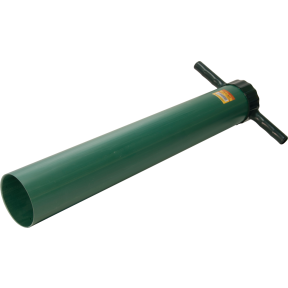
| Clam Guns | Cylindrical tools that extract a sediment core; commonly used for razor clams in saturated sand. | Stainless steel aluminum or PVC construction, handling, and the presence of vents or relief holes. | Vents or relief holes are used to control suction. |
| Clam Shovels | Compact shovels provide leverage in firm sediment and mixed gravel, sand and mud. | Blade shape, corrosion resistance and handle design. | Dig gently beside the clam show and finish retrieval by hand to reduce the risk of shell damage. |
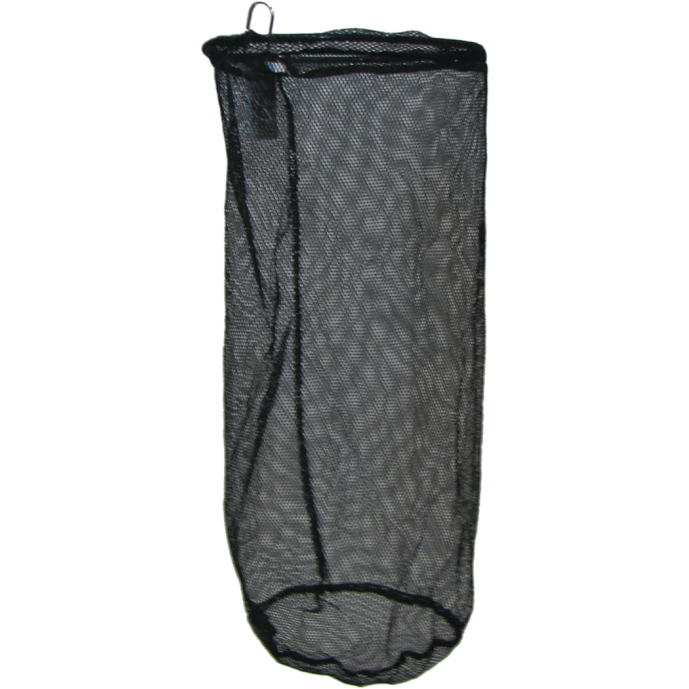
| Bags, Baskets and Nets | Mesh bags, wire baskets and collection nets hold your catch while you move along the beach. | Abrasion-resistant mesh, sturdy closures, and comfortable straps or belt attachments. | Hands-free carrying options are useful when walking long flats or wading. |
| Clam Gauges | Checking shell size where minimum-size rules apply. | Compatibility with the species and measurement required by the local agency; a multi-slot gauge may be useful when harvesting several species. | Size checks and catch counting serve different purposes. Keep track of your harvest separately. |
SMI / Beau Mac Clamming Equipment
Explore SMI / Beau Mac clamming tools and accessories, including clam guns, shovels, gauges and nets. Compare individual product materials, dimensions and carrying features against your digging conditions and target species.
Responsible Clamming: Tides, Habitat and Harvest Checks
Before each trip, consult the relevant state or provincial agency for open seasons, biotoxin closures and species-specific harvest requirements. The Washington Department of Fish & Wildlife shellfishing regulations provide a starting point for Washington harvest information. Requirements vary by species and location.
- Tides: Review tide conditions when planning access to flats or surf-zone digging areas.
- Habitat: Fill digging holes and replace disturbed substrate.
- Harvest advisories: Check agency alerts before collecting shellfish.
- Catch records: Check whether local rules require a daily catch log or other recordkeeping.
Frequently Asked Questions
What size clam gauge do I need?
Requirements are species-specific and set by local fish & wildlife agencies. For example, Washington State requires a minimum size of 1.5 inches for Manila and Littleneck clams, which is explicitly carved into standard Pacific Coast multi-slot gauges. Always cross-reference your local rules before heading out.
Rake vs. clam gun—how do I choose?
Use a rake on broad sand/mud flats for shallow species. Use a clam gun where clams burrow deeper (e.g., razor clams) or in saturated surf-zone sands.
Can I clam year-round?
Open seasons depend on local biotoxin monitoring, conservation goals, and tide calendars. Always check the latest openings/closures before you go.
How do I reduce shell breakage?
Dig beside the show, not directly on it; use controlled leverage with a shovel and finish by hand. The key is gentle technique — right tools, controlled digging, shallow scraping, and careful handling after collection. Think “lift and cradle” rather than “stab and scoop.”