



Marine Autopilots and Parts at Fisheries Supply
Marine autopilots automatically control a boat’s steering to maintain a course and reduce the effort of manual steering. When comparing autopilot kits and parts at Fisheries Supply, start with your boat’s steering system, boat size and weight, and compatibility with existing navigation electronics.
How Marine Autopilots Control Steering
An autopilot uses heading and sensor information to command a drive unit that moves the boat’s steering. Compatible systems can also receive information from GPS and wind instruments; available steering modes depend on the selected system and connected equipment.
Compare Autopilot Steering Options
Tiller, wheel, and hydraulic pilots are options associated with different steering arrangements. Choose by steering compatibility and the model’s operating limits rather than assuming that one type fits every boat of a particular size.
| Option | How it steers | What to check |
|---|---|---|
| Tiller pilot | A self-contained unit connects mechanically to the tiller. | Tiller steering compatibility and the model’s boat size and weight limits. |
| Wheel pilot | An on-deck drive acts on the steering wheel. | Compatibility with the wheel steering arrangement and the model’s boat limits. |
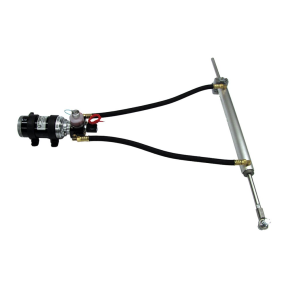
| Hydraulic pilot | A hydraulic drive operates the boat’s hydraulic steering system. | Compatibility with the installed hydraulic steering equipment. |
Choose a Compatible Autopilot System
| Selection factor | What to check | Why it matters |
|---|---|---|
| Boat size and weight | Compare your boat with the selected model’s stated application and limits. | Autopilot systems are designed for particular boat requirements. |
| Steering system | Identify the steering mechanism and confirm drive compatibility. | The drive must work with the boat’s existing steering equipment. |
| Navigation integration | Check compatibility with existing electronics and support for the GPS or wind functions you need. | Connected navigation functions depend on compatible equipment. |
| System components and budget | Compare the included components and any additional parts required for your installation. | A kit’s contents determine what else you need to complete the system. |
Autopilot Components and Rudder Feedback
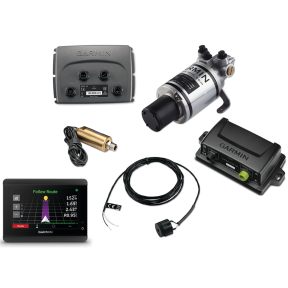
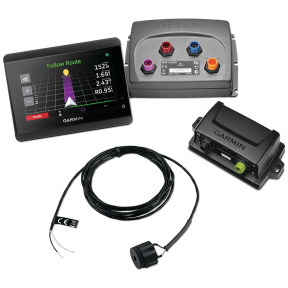
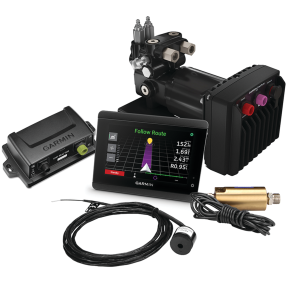
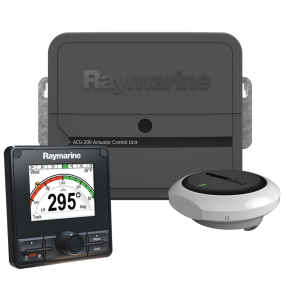
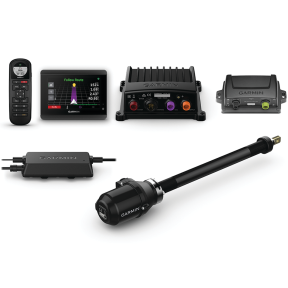
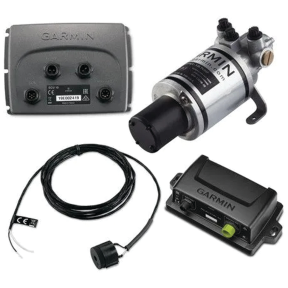
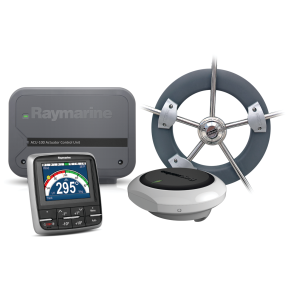
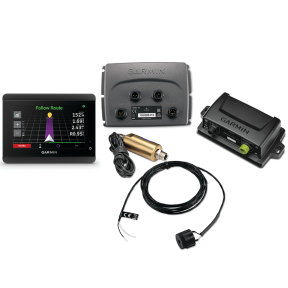
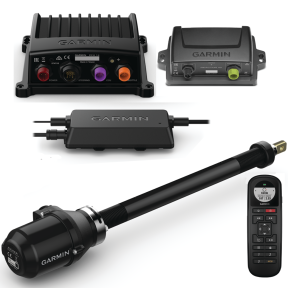
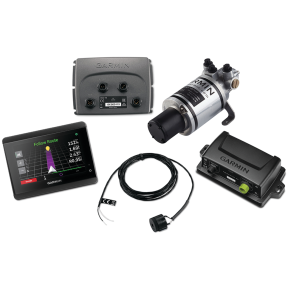
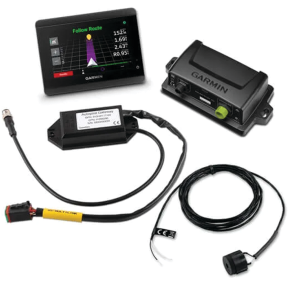
Component packaging varies between self-contained pilots and systems with separate units. Confirm the contents and requirements of the specific kit before choosing additional parts.
| Component | Function |
|---|---|
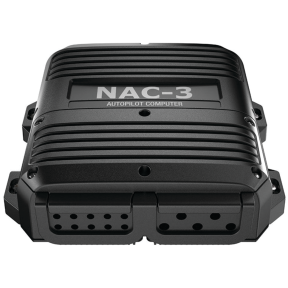
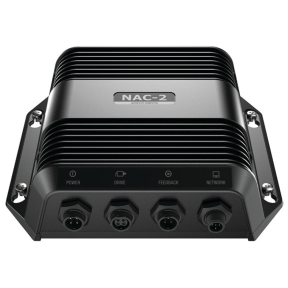
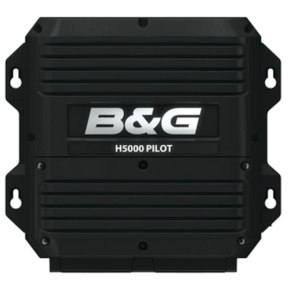
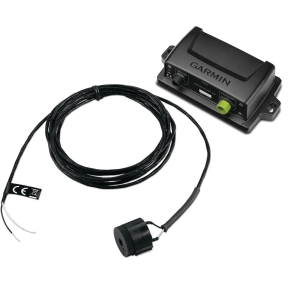
| Core pack or course computer | Processes information from sensors and connected navigation instruments to control steering. |
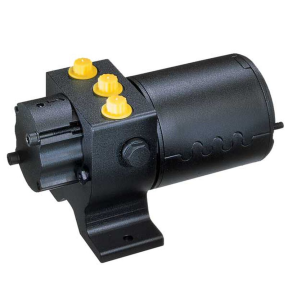
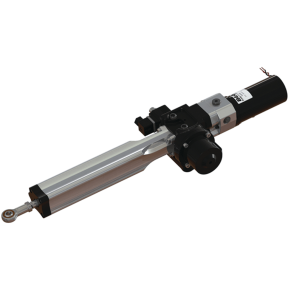
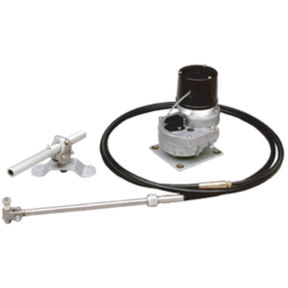
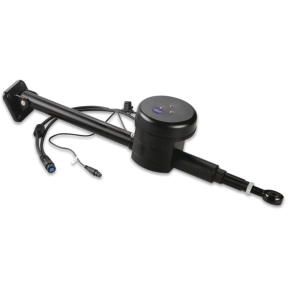
| Drive unit | Provides the mechanical or hydraulic force that moves the steering. |
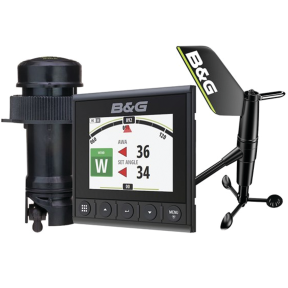
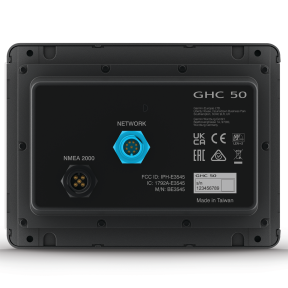
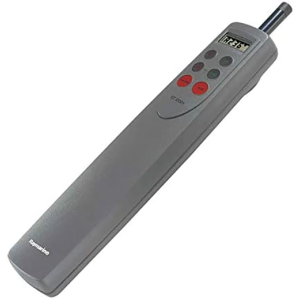
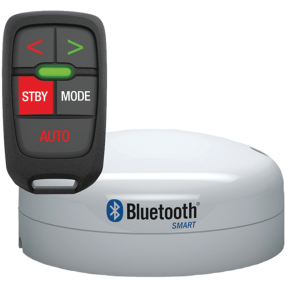
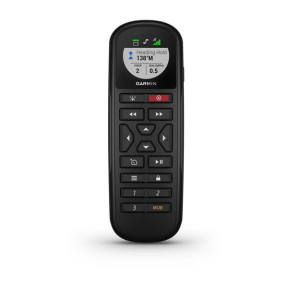
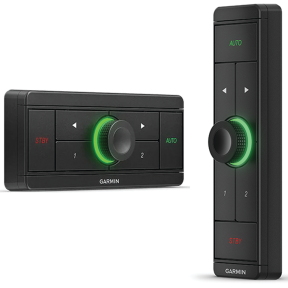
| Control head or display | Provides an interface for setting a course and monitoring the autopilot. |
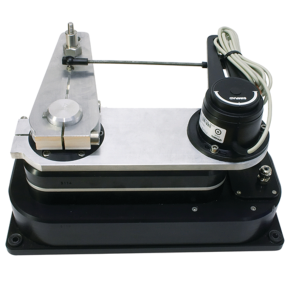
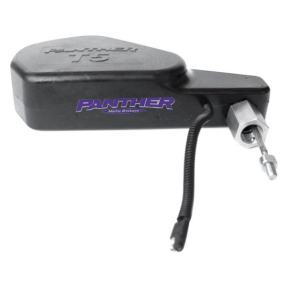
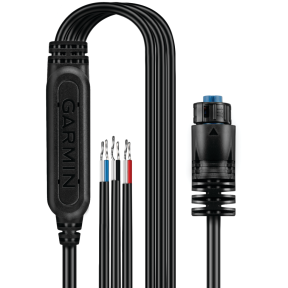
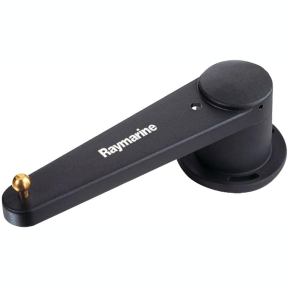
| Rudder feedback sensor | Reports rudder position to the course computer where required by the system. |
A dedicated rudder feedback sensor is not required by every autopilot. Check the selected model’s installation documentation to determine whether your installation needs one.
Reduced Steering Workload and Responsible Operation
By maintaining a course, an autopilot reduces the effort and fatigue associated with prolonged manual steering. Compatible GPS and wind instrument connections can provide additional navigation functions, depending on the system.
The operator remains responsible for safe navigation. Keep the helm attended, watch for hazards, and remain ready to resume manual steering.
Frequently Asked Questions
What are the main types of marine autopilot systems available for boats?
Marine autopilots are typically categorized by the steering mechanism they control. The main types include: Tiller Pilots (for smaller boats and sailboats with tiller steering), Wheel Pilots (which connect to the steering wheel of larger boats and powerboats), and Hydraulic Pilots (which use a below-deck ram to control the hydraulic steering system on larger boats).
What factors are most important when selecting the right autopilot for my boat?
When choosing a system, you must primarily consider the type of steering system your boat has (tiller, wheel, or hydraulic) and your boat's size and weight. Autopilots are rated for a maximum boat weight, and the steering mechanism must be compatible. Additionally, consider the features you need, such as GPS or wind vane integration, which are crucial for enhanced navigation.
What are the essential components of a complete autopilot system?
A complete system typically consists of three main parts:
- The Core Pack (or course computer), which is the "brain" that receives data from sensors and navigation instruments.
- The Drive Unit (electric motor or hydraulic ram), which provides the physical power to move the rudder or wheel.
- A Control Head or Display, which allows the operator to input courses and monitor the system.
What key benefits do marine autopilots offer for navigation and operation?
Installing a quality autopilot provides several significant benefits. It dramatically reduces fatigue for the operator on long journeys, improves safety by maintaining a steady course, and increases efficiency (often reducing fuel consumption) by steering more accurately than manual control. It also enhances navigation by allowing seamless integration with GPS and other electronic systems.
Is a rudder feedback unit a required component for all modern autopilot installations?
Not all autopilots require a dedicated rudder feedback unit. While a rudder feedback unit provides highly accurate information about the rudder's exact position to the course computer, some of the newer, more advanced autopilot models use sophisticated internal sensors and algorithms within the core pack to determine and manage the rudder's position.