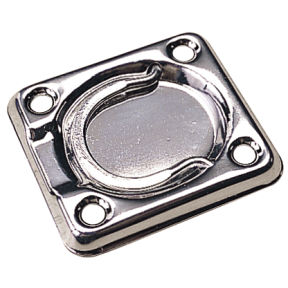
Boat Hatch Latches & Hardware
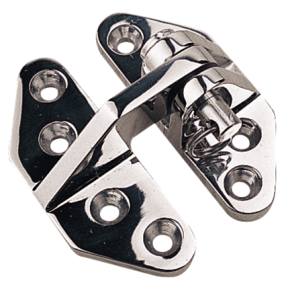
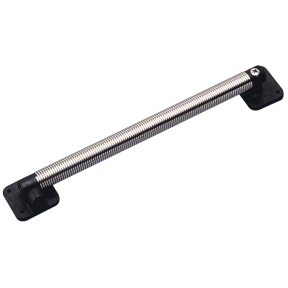
Boat hatch latches and marine hatch hardware secure deck hatches, compartment doors, livewells, coolers, and engine-room access panels. Fisheries Supply offers replacement latches, handles, gas springs, lock sets, and related hardware for recreational boats, commercial vessels, center consoles, and sailboats. Correctly matched locking or compression mechanisms can reduce rattling, limit accidental opening, protect stored equipment, and support watertight integrity when paired with a compatible gasket and properly constructed hatch.
Boat Hatch Hardware: Key Takeaways
Types of Boat Latches and Hatch Hardware
Marine Latch and Support Comparison| Hardware Type | Primary Benefit | Common Application | Selection Priority |
|---|---|---|---|
| Boat hatch latches | General-purpose fastening | Deck hatches, doors, and storage compartments | Application, dimensions, mounting style, and material |
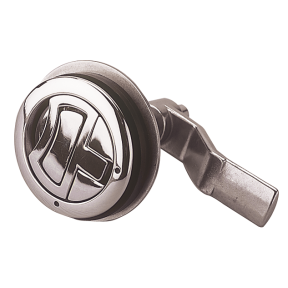
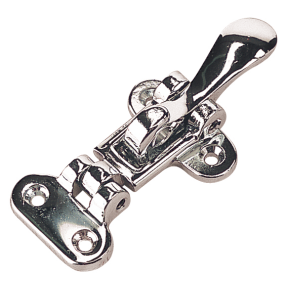
| Compression latch | Applies pressure to a gasket | Weather-exposed or watertight hatches | Cam throw, gasket compression, and substrate thickness |
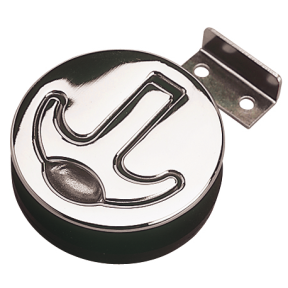
| Slam latch | Quick, one-handed push-to-close operation | Livewells, coolers, and storage lids | Strike alignment and corrosion-resistant construction |
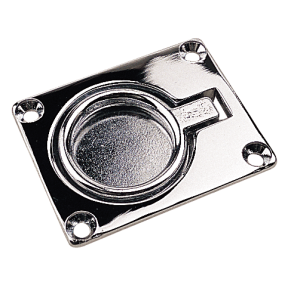
| Surface-mount latch | Accessible external installation | Replacement and retrofit projects | Mounting footprint and fastener locations |
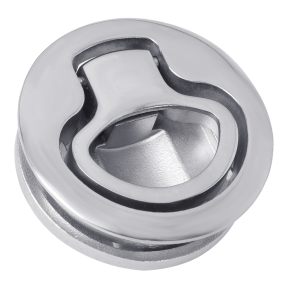
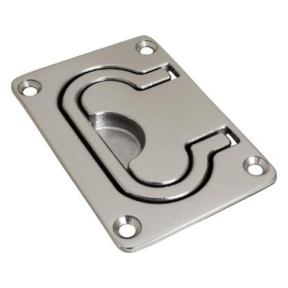
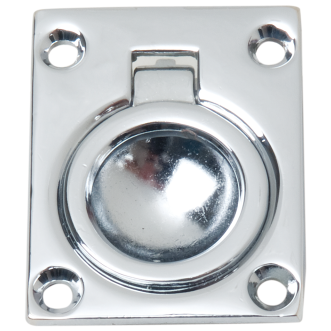
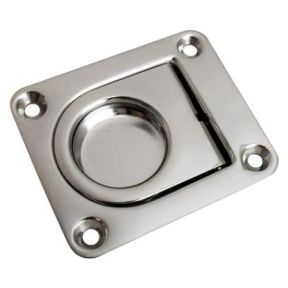
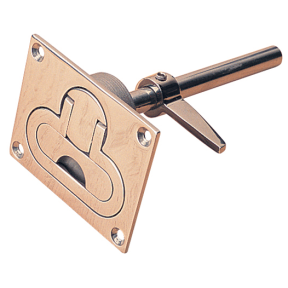
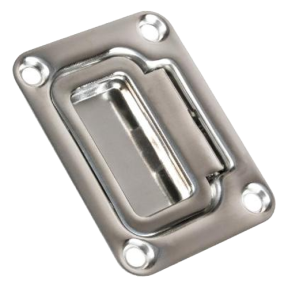
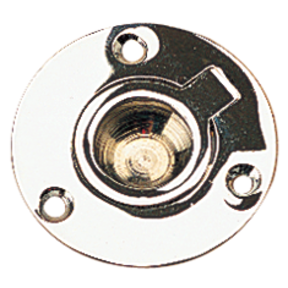
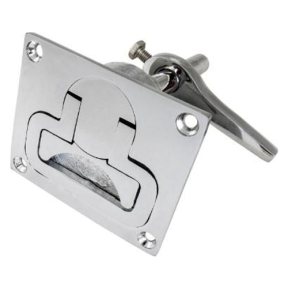
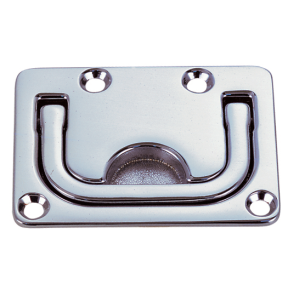
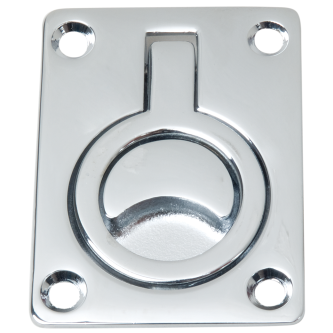
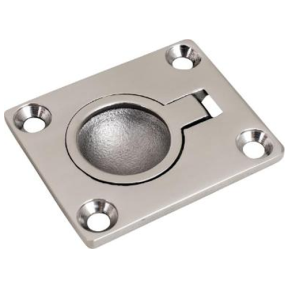
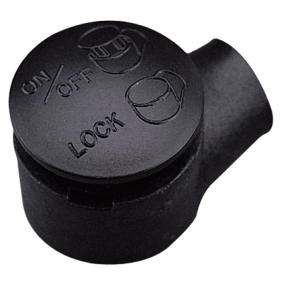
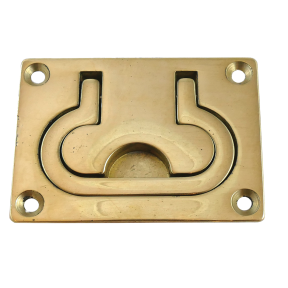
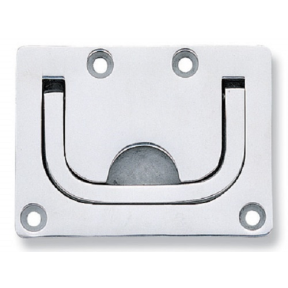
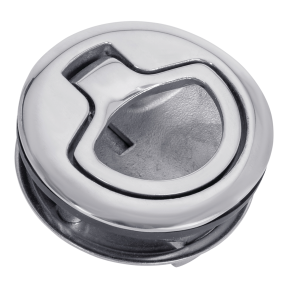
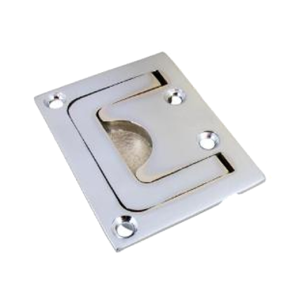
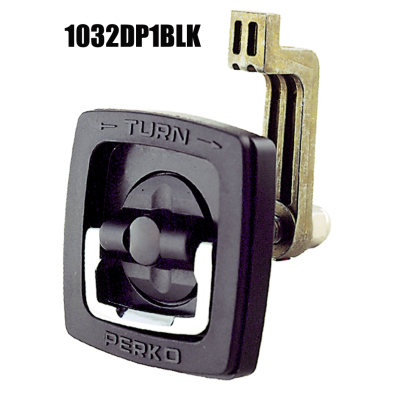
| Flush-mount latch | Recessed, snag-resistant profile | Cockpit floors, deck lids, and center consoles | Cutout dimensions and installation depth |
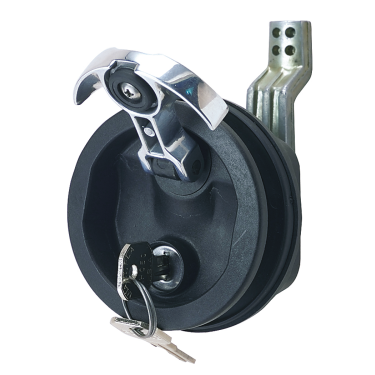
| T-handle latch | Direct manual grip and control | Hatches, doors, and equipment compartments | Handle clearance, locking function, and cam reach |
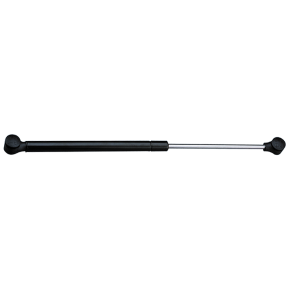
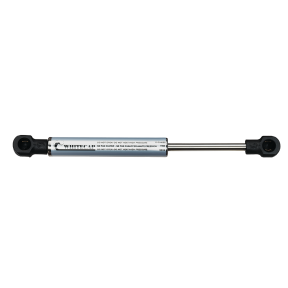
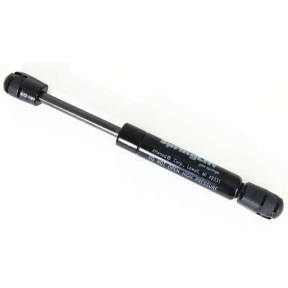
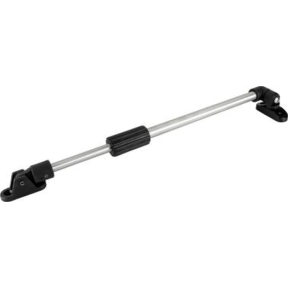
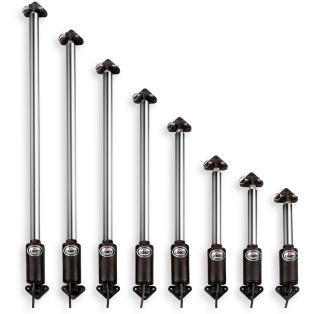
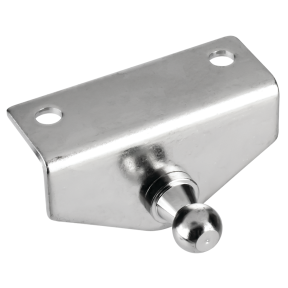
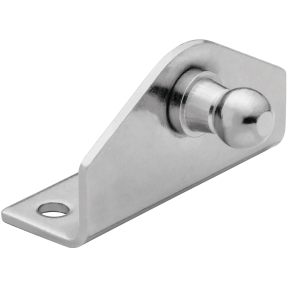
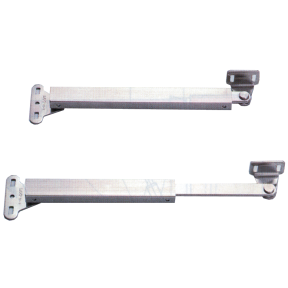
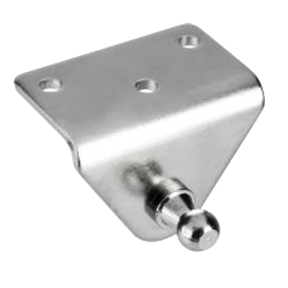
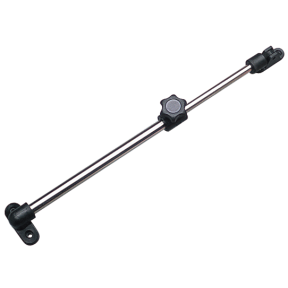
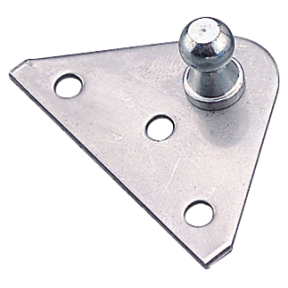
| Gas spring | Controlled lift, assisted closing, and hold-open support | Heavy or frequently opened hatch lids | Force rating, stroke length, hinge offset, and open angle |
How to Choose the Right Marine Latch
Match the latch to the hatch dimensions, lid material, operating load, spray exposure, security requirement, and existing mounting pattern. For a watertight closure, select a compression latch with cam geometry and throw suited to the gasket and hatch construction.
Location and Operating Load- Application: Identify whether the hardware will serve a cockpit, cabin, flybridge, engine room, livewell, cooler, or storage compartment.
- Lid size and weight: Account for hinge placement and determine whether gas-spring assistance is appropriate.
- Existing installation: Measure the cutout, mounting footprint, fastener pattern, and available installation depth.
- Exposure: Consider salt spray, freshwater, ultraviolet light, moisture, and temperature changes.
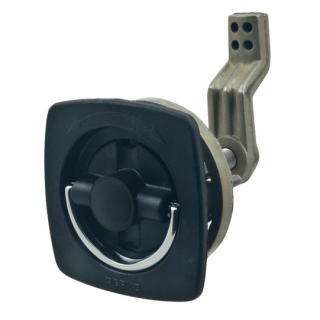
316 stainless steel is a practical choice for salt-rich marine environments because it provides strong corrosion resistance. Marine-grade polymer hardware can reduce weight and resist corrosion. Flush-mounted push-button latches suit areas where fishing line, footwear, and deck gear may contact the hatch.
Seal Integrity and CompatibilityCompression latches work with gaskets, hatch dogs, strikes, and correctly aligned cams to apply closure pressure. Verify the latch throw, cam reach, gasket condition, backing structure, and substrate thickness before purchase. Do not overtighten hardware or apply more compression than the hatch structure can support.
Marine Latch Maintenance and Replacement
- Rinse salt and debris from latch surfaces with fresh water and mild soap.
- Apply a marine-safe lubricant to moving parts according to the hardware manufacturer's guidance.
- Replace seals or gaskets that are cracked, flattened, loose, or leaking.
- Inspect latch strikes, cams, fasteners, and backing plates for looseness, wear, or corrosion.
- Replace a latch when binding, corrosion, damaged components, or excess play prevents reliable closure.
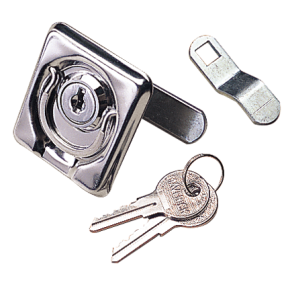
Fisheries Supply stocks latch strikes, gas springs, boat compartment latches, and stainless replacement hatch lock sets for marine repair and upgrade projects.
Shop Boat Hatch Latches and Hardware
Compare individual boat hatch latches, hatch hardware kits, boat hatch handles, gas springs, and lock sets by mounting style, material, dimensions, and application. Browse compatible hardware alongside the full selection of boat hatches.
Frequently Asked Questions
What type of latch should I use for a watertight boat hatch?
A compression latch is the preferred option when a boat hatch requires controlled gasket pressure. Match the latch's cam throw and reach to the hatch thickness, gasket, and frame geometry. Proper alignment matters because excess compression can damage the gasket or substrate, while insufficient compression may permit leaks.
Are slam latches suitable for livewell and cooler lids?
Yes, marine slam latches suit many livewell and cooler lids because they provide fast push-to-close operation. Select corrosion-resistant hardware compatible with the lid material, mounting depth, and strike position. If the compartment needs a tighter seal, compare a compression latch with the existing slam-latch design.
Should I choose a surface-mount or flush-mount boat latch?
Choose a surface-mount latch for an accessible external installation or a straightforward retrofit. Choose a flush-mount latch when a recessed, low-profile surface is important on cockpit floors, deck lids, or center consoles. Confirm the cutout size, installation depth, fastener pattern, and clearance before ordering.
Is 316 stainless steel suitable for marine hatch hardware?
Yes, 316 stainless steel is widely selected for marine hatch hardware because it offers strong corrosion resistance in saltwater environments. It still requires routine freshwater rinsing and inspection. Marine-grade polymer can be another practical choice when lower weight, electrical isolation, or corrosion-free construction is a priority.
How do I know when a boat hatch latch needs replacement?
Replace a boat hatch latch when corrosion, binding, broken components, or excess movement prevents reliable closure. A cam that no longer compresses the gasket can contribute to leaks and rattling. Inspect the strike, seal, mounting fasteners, backing plate, and surrounding hatch material before installing replacement hardware.
Do I need a gas spring for a heavy boat hatch?
A gas spring is useful when a heavy boat hatch needs lift assistance or hold-open support. Select the force rating and stroke length according to lid weight, dimensions, hinge offset, mounting position, and desired open angle. Incorrect force or geometry can strain hinges and mounting points.