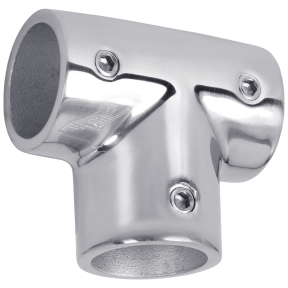
Boat Railing Hardware: Rail Fittings, Rail Mounts & Parts
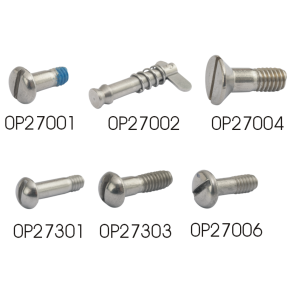
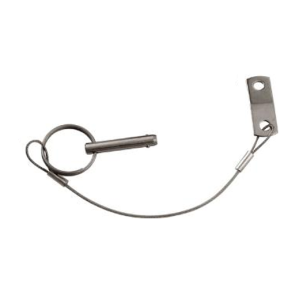
Boat railing hardware includes marine rail fittings, mounts, clamps, tubing, and attachments used to build handrails, lifelines, pulpits, bow rails, and canvas frames. Fisheries Supply carries marine-grade components for boat owners installing, repairing, or upgrading custom rail and canvas systems.
How to Choose Boat Railing Hardware
Select rail components according to the installation environment, intended use, tubing dimensions, mounting surface, and anticipated load. For saltwater exposure, 316 stainless steel generally provides greater resistance to pitting and crevice corrosion than 304 stainless steel.
| Selection Factor | What to Check |
|---|---|
| Material and finish | Choose 316 stainless steel for saltwater applications. Polished, electropolished, or passivated finishes can support corrosion resistance. |
| Tube size | Common outside diameters include 7/8 inch, 1 inch, and 1-1/4 inches. Verify wall thickness for the structural application. |
| Loading | Identify whether the tubing will serve as a handhold, guardrail, stanchion, lifeline support, pulpit, or canvas frame. |
| Mounting surface | Inspect the deck or cabintop core and determine the required backing plates, bedding compound, and fasteners. |
| Compatibility | Match fittings to the tubing diameter, attachment points, existing rail hardware, and bimini or dodger frame. |
Boat Railing System Components
| Component | Function and Application |
|---|---|
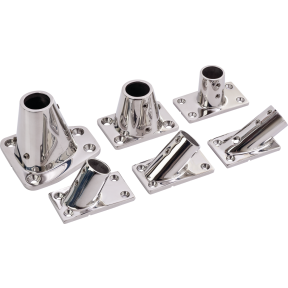
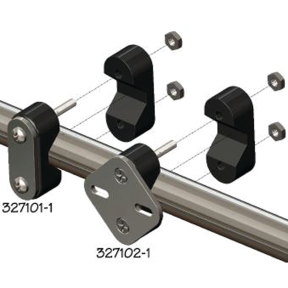
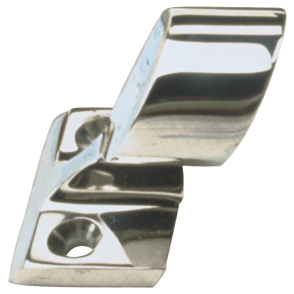
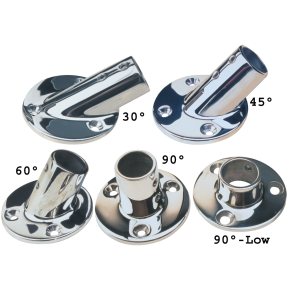
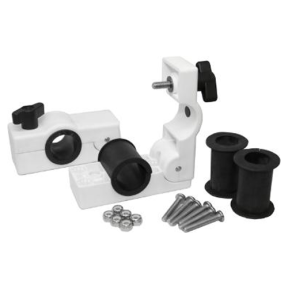
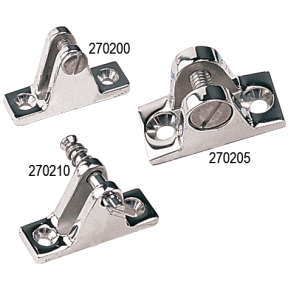
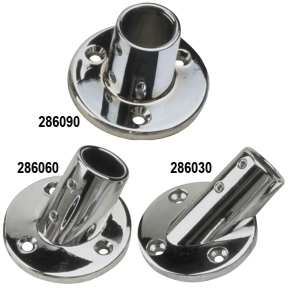
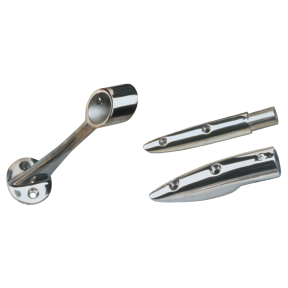
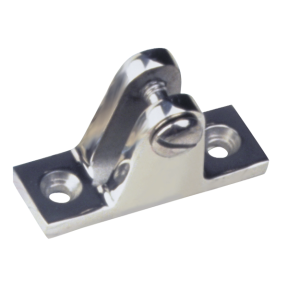
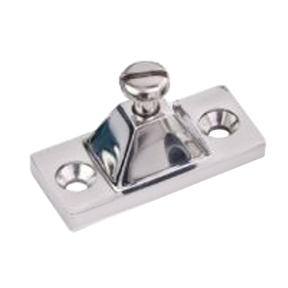
| Rail mounts and bases | Attach tubing to decks, cabintops, and other mounting surfaces. |
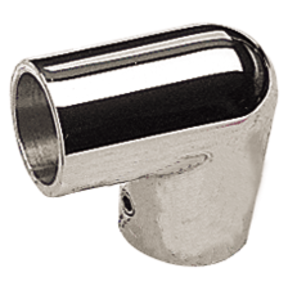
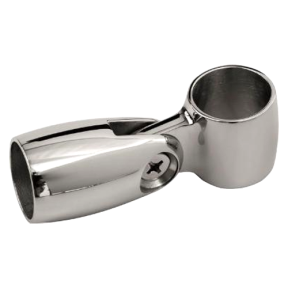
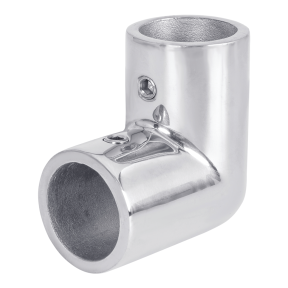
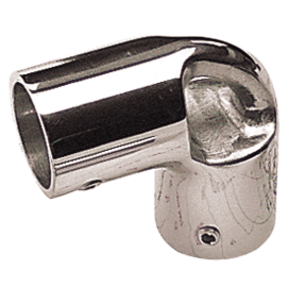
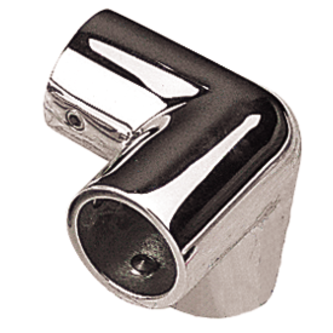
| Elbows | Create 30-degree, 45-degree, 60-degree, or 90-degree directional changes. |
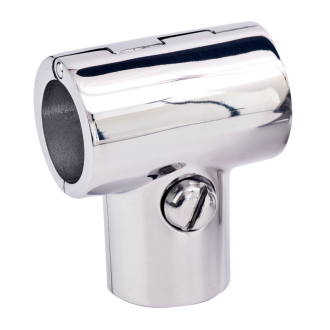
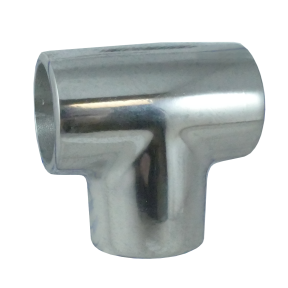
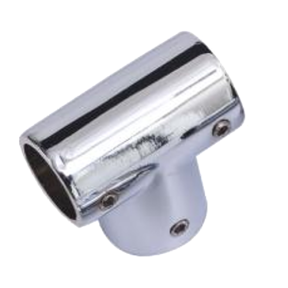
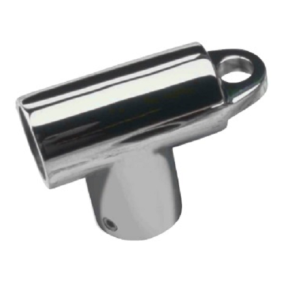
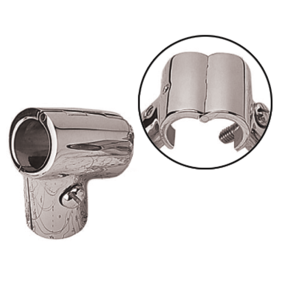
| Tees | Connect tubing at junctions within a rail or canvas frame. |
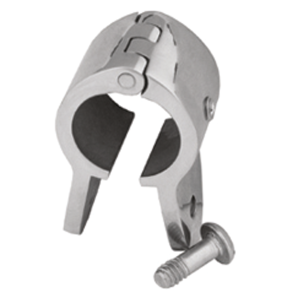
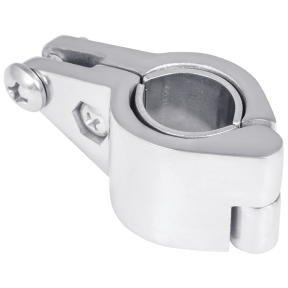
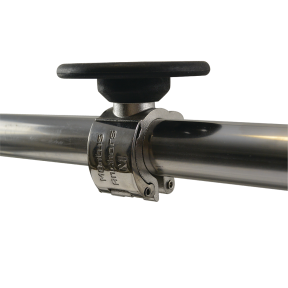
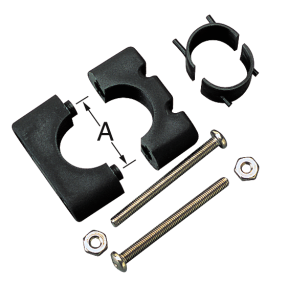
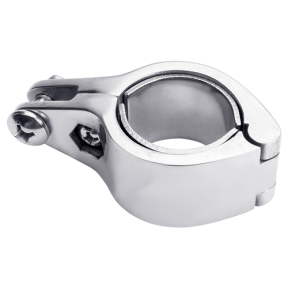
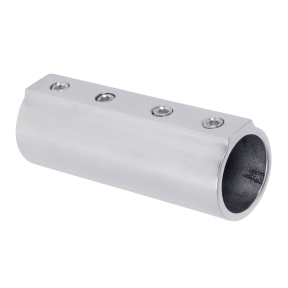
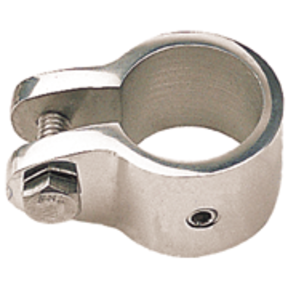
| Clamps and brackets | Support modular adjustments, accessories, stanchions, lifelines, and guardrails. |
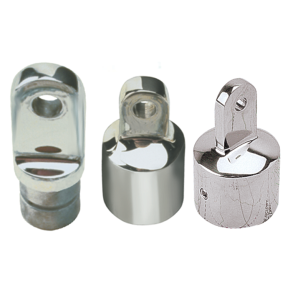
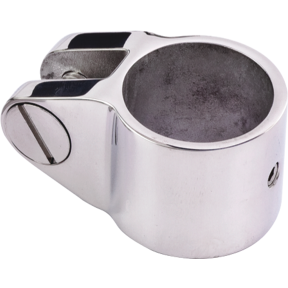
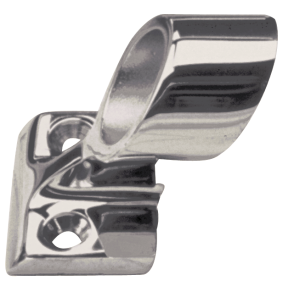
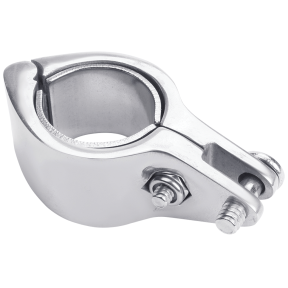
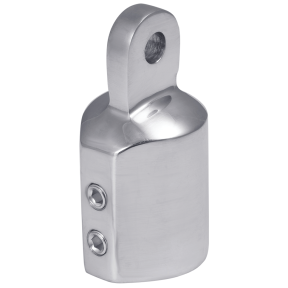
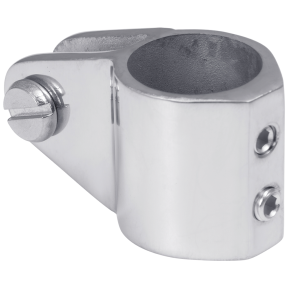
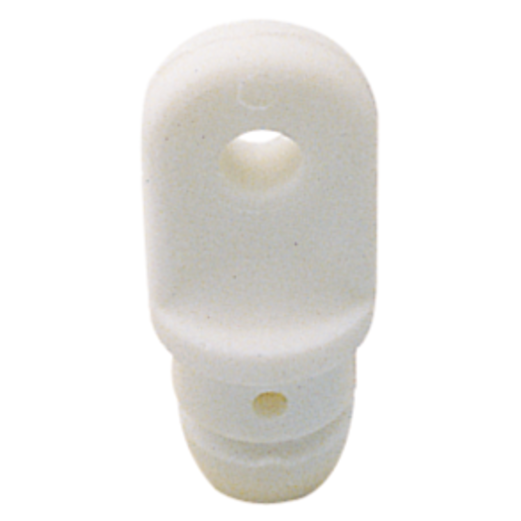
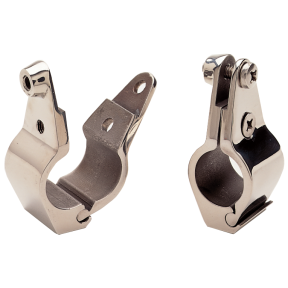
| Jaw slides and eye ends | Connect hinged sections of bimini and dodger frames. |
| Deck hinges | Provide attachment and pivot points for canvas frames. |
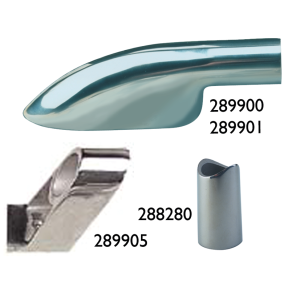
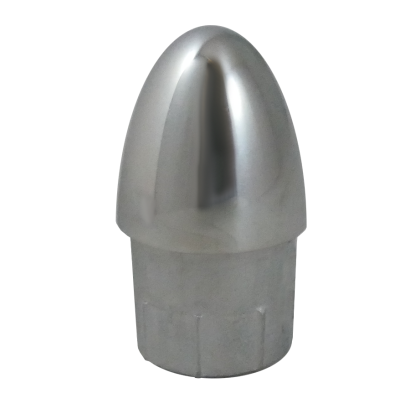
| End caps | Finish exposed tubing ends. |
| Mounting kits and bow rail kits | Group compatible components for selected installations. |
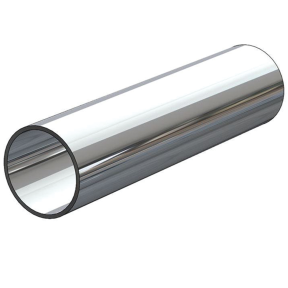
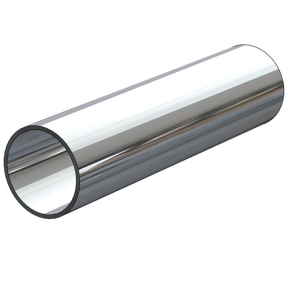
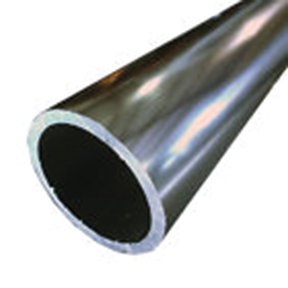
| Marine-grade stainless steel tubing | Supports custom bow rails, stern rails, pulpits, handholds, lifelines, bimini tops, and dodgers. Each fitting must match the tubing outside diameter for a secure connection and dependable service when installed with appropriate fasteners and bedding. |
Custom Railing and Canvas Frame Solutions
Custom boat rail layouts may combine straight tubing, elbows, tees, bases, jaw slides, eye ends, and deck hinges. Before ordering components, measure the tube outside diameter and confirm the fitting style, attachment points, mounting angles, and available installation space.
Boat Rail Installation and Safety
| Step | Installation Checklist |
|---|---|
| 1 | Measure the tubing outside diameter and wall thickness. |
| 2 | Lay out the rail, handhold, lifeline, or canvas frame before drilling. |
| 3 | Inspect cored decks and use suitable backing plates where needed. |
| 4 | Bed penetrations to protect the deck or cabintop from moisture intrusion. |
| 5 | Avoid direct contact between incompatible dissimilar metals. |
| 6 | Tighten fasteners according to manufacturer guidance and inspect them after initial sea trials. |
| 7 | Consult applicable ABYC guidance for handhold placement and guardrail height. |
Frequently Asked Questions
What boat railing hardware is used in a marine rail system?
Boat railing systems use stainless steel tubing, rail mounts, bases, clamps, elbows, tees, brackets, end caps, jaw slides, eye ends, and deck hinges. The correct combination depends on whether the project involves a handrail, lifeline, pulpit, bow rail, stern rail, bimini top, or dodger frame.
Is 316 stainless steel better than 304 stainless steel for boat rails?
316 stainless steel is generally the preferred material for saltwater and offshore boat railing hardware because it offers greater resistance to pitting and crevice corrosion than 304 stainless steel. Material selection should also account for finish, maintenance, exposure, anticipated loads, and contact with dissimilar metals.
How do I choose the correct size marine rail fitting?
Match the marine rail fitting to the tubing outside diameter, commonly 7/8 inch, 1 inch, or 1-1/4 inches. Also verify the tubing wall thickness, fitting style, mounting angle, attachment method, and intended load before purchasing components for a handrail, guardrail, pulpit, or canvas frame.
What tube diameter should I use for boat handrails and lifelines?
Boat handholds commonly use 1-inch or 1-1/4-inch outside-diameter tubing for grip and stiffness. Lifeline components must match the existing stanchions, terminals, wire size, and mounting system. Confirm structural requirements, anticipated dynamic loads, and manufacturer guidance before replacing or modifying safety-related rail hardware.
Can I install boat railing hardware myself?
Experienced boat owners can install many marine rail fittings with basic tools, but a safe installation requires accurate tube sizing, careful alignment, secure fasteners, suitable backing plates, and proper bedding. Structural handrails, lifelines, pulpits, and guardrails may require professional guidance and review against applicable ABYC recommendations.
How do I match rail fittings to a bimini top or dodger?
Measure the canvas frame tubing outside diameter and identify the existing fitting type, hinge position, mounting angle, and attachment points. Jaw slides, eye ends, deck hinges, clamps, and end caps must fit the tubing and planned frame geometry. Compare every component with the current frame before ordering replacements.