Samson Running Rigging: The Ultimate Selection Guide
Critical Takeaways for Selecting Sailboat Running Rigging
- Advanced Synthetic Fibers: Modern marine ropes utilize specialized synthetic fibers that vastly outperform traditional nylon and polyester:
- Dyneema®: Ultra-lightweight, extremely low stretch, and equivalent in strength to wire of the same size.
- Technora®: Combines low stretch and extreme strength with superior heat resistance.
- Vectran®: Known for exceptionally high strength and excellent heat resistance.
- Zylon®: Offers the absolute highest strength but lacks built-in UV protection, requiring a protective cover.
- Class I vs. Class II Rigging: Knowing how a line distributes load is critical for proper splicing and maintaining rope specifications:
- Class I lines: Share loads equally between a braided core and braided cover (typically traditional polyester or nylon).
- Class II lines: Rely almost entirely on a high-strength core for load-bearing, with the outer cover serving strictly as protection against UV, abrasion, and heat.
- Halyard Sizing Rule of Thumb: Standard halyards should typically be 2.5 times the height of the boat's mast to ensure there is enough line to run from the sail head through the mast blocks and down to the cockpit winches with extra line remaining for trimming.
- Safe Working Load Calculation: For genoa, jib, mainsheet, and spinnaker sheets, calculate the expected load using the formula: (windspeed)² × .004 × (sail area in sq ft) = sheet load at clew in pounds. The selected line must have a rated breaking strength at least 5 times (5X) greater than this working load.
- Dyneema Backstay Requirements: While Dyneema is excellent for reducing weight aloft and improving stability, backstay applications strictly require pre-stretched versions (such as Dyneema Dux) to avoid continuous stretching under sustained tension.
What’s My Line?
Determining the right line for your sailboat can be crucial for optimal performance on the water. Sailors must consider the specific application, whether it's for halyards, genoa/jib sheets, furling line, mainsheet, boomvang, and cascading backstay systems or even anchor/mooring lines, to ensure effectiveness. Options like double braid polyester, Dyneema, and Vectran provide various benefits, such as lower stretch and superior abrasion resistance. Understanding the rope diameter and the working load limits will help you make the right choice, ultimately enhancing your sailing experience and the longevity of your rigging.
Working Load for Sheets and Control Lines
The first consideration for selecting a new line to use as sheets, is to determine the working load that your new line will be under, including any furling applications. For sheets or control lines, the anticipated load should be considered the working load. To figure out the safe working load (SWL) on sheets for genoas, jibs, end of boom mainsheets, spinnaker guys, and sheets, the following formula can be used (not applicable to multi-hull vessels):
(windspeed)2 × .004 × (sail area in square feet) = sheet load at clew in pounds
According to Samson, “The safe working load for any Samson rope is 20% of the rated breaking strength.” What does that mean? It means that whatever line you choose must have a breaking strength that is five times (5X) greater than the working load you've determined.
Working Load for Halyards
If you need to replace a halyard, we recommend consulting a professional local rigger, as there are many factors and no single formula that must be taken into account to determine the working load.
Fibers
- Dyneema® is super lightweight, low stretch, and is at least as strong as steel wire of the same size. It also has UV and abrasion resistance.
- Technora® blends many of those same characteristics of Dyneema with extreme heat resistance.
- Vectran® is known for very high strength and excellent heat resistance.
- Zylon® is the highest strength of them all, but it offers no UV protection.
Line makers will often blend these fibers together to achieve the kind of rope needed for the specific purpose at hand.
Samson Lines
Armed with your new knowledge on fibers and construction – what is the right line for you? Are you a high-tech racer where every ounce of weight counts, and who's putting their rig through super tough loads to win the race? Or are you a cruiser – out to sail pleasantly from point A to point B just for the simple joy of sailing? Or maybe you are ready to set out on a great voyage across the ocean and want something in between? The beauty of Samson is that they have something for everyone. Take a look at the following table from Samson, as well as the product descriptions that follow, to help determine the right line for your needs.
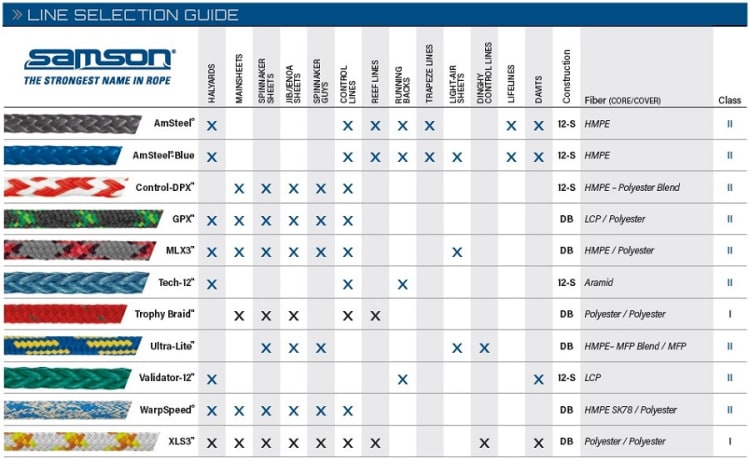
For more information on breaking strengths and sizes – just click on the product links for each type of line.
| Image | Rope Name | Class | Construction | Main Features | Recommended Uses |
|---|---|---|---|---|---|

|
AmSteel | Class II | 12-strand, Samthane-coated Dyneema | Super lightweight, high strength, low stretch, easy to splice, floats | Halyards, control/reefing lines, lifelines |

|
AmSteel Blue | Class II | 12-strand, 100% Dyneema | Maximum strength-to-weight, superior wear & flex fatigue, UV stabilized, very low stretch, floats | Winch/clutch areas, halyards, control/reefing lines, lifelines |

|
Control-DPX | Class II | 12-strand, Dyneema + DPX technology | Strong, lightweight, easy on hands, low stretch, easy to splice, not for self-tailing winches | Sheets, spinnaker guys, control lines |

|
GPX | Class II | Core-dependent, Dyneema SK99/DM20 core, Technora/polyester cover | Lightweight, high strength, extremely low stretch, superior grip, heat & abrasion resistant | Sheets, spinnaker guys, control lines |

|
MLX3 | Class II | Double braid, core-dependent, Samthane-coated core | Lightweight, very low stretch, strippable cover, improved wear life, resists contamination | Sheets, control lines, halyards |

|
Trophy Braid | Class I | Double braid, polyester cover & core | Soft cover, easy on hands | Sheets, control lines |

|
Ultra-Lite | Class II | Double braid, 24-strand MFP cover, MFP/Dyneema core | Lightweight, floating, low stretch, excellent strength-to-weight | Spinnaker sheets/guys, jib sheets, dinghy control lines |

|
Validator-12 | Class II | 12-strand, 100% Vectran, Samthane coating | Easy to splice, low creep, extremely strong & lightweight | Halyards, running backs, davits |

|
WarpSpeed White | Class II | Double braid, Dyneema SK78 core, polyester cover | High strength, low stretch, very low weight, flexible cover | Halyards, sheets, spinnaker guys, control lines |

|
WarpSpeed II | Class II | Double braid, Dyneema SK78 core, polyester cover | Good handling, excellent in stoppers/clutches, abrasion resistant, strippable cover | Halyards, control lines, spinnaker sheets |

|
Tech-12™ | Class II | 12-strand Dyneema | High strength, very low stretch, lightweight, easy to splice | Halyards, control lines, lashings |

|
Lightning Rope™ | Class II | HMPE single braid | Lightweight, high strength, low stretch, floats | Halyards, control lines, specialty rigging |

|
XLS3 | Class I | Double braid, polyester/polyester | Moderate stretch, high strength, easy handling, improved performance | Halyards, control/reefing lines, sheets, spinnaker guys |

|
HarborMaster™ Dock Line | Class I | Braided nylon | Excellent shock absorption, abrasion resistance, soft and flexible | Dock lines, anchor lines |

|
Pro-Set-3™ | Class I | 3-strand nylon | Traditional anchor/dock line, high strength, excellent shock absorption | Anchor lines, dock lines |

|
Accessory Cord™ | Class I | Nylon/polyester, small-diameter | Multipurpose, flexible, abrasion resistant, easy to knot | Lashing, gear securing, general utility |
Class I vs. Class II
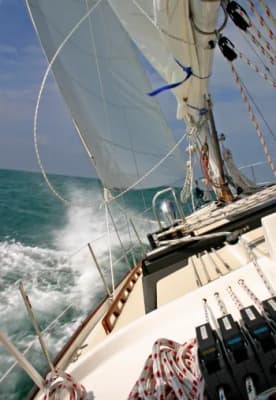
If you've done any splicing, you'll have heard of ropes being referred to as Class I or II. What this indicates is where the strength of the line lays – equally with the core and cover – or just with the core.
- Class I lines incorporate a braided core within a braided cover – with both the core and cover carrying an equal amount of the load. Class I lines are usually constructed from traditional fibers such as polyester and nylon.
- Class II lines are usually for applications that need higher strength – normally a core-dependent double braid with a taper. This means that the core is where most of the strength of the line is coming from. If the line has a cover, it's usually made with Class I fibers and is meant to protect the core against abrasion, UV degradation, and friction-generated heat – not to add to the strength. Class II lines may also include single braids designed without a separate core – usually a 12-strand line like AmSteel®. Covers can be added to these lines as needed.
It's extremely important to understand the difference if you plan to do any splicing as Class I and Class II lines are spliced completely differently and it's absolutely CRITICAL to use the correct splicing technique to maintain the line specifications!
The Right Rope for the Right Application
Choosing the appropriate rope for each application involves understanding specific requirements and materials. Different sailing applications demand distinct rope characteristics—from the durability and ease of handling needed for leisurely cruising to the lightweight, low-stretch performance required for competitive racing. Understanding these differences helps sailors select the optimal Samson cordage for their specific needs.
Cruising
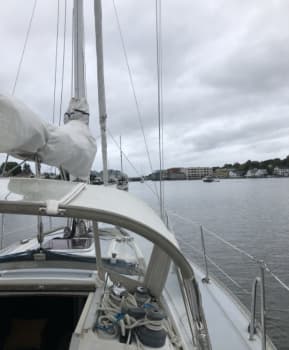
Samson Ropes offers a comprehensive lineup of running rigging solutions tailored for recreational cruising boats, delivering a blend of strength, low stretch, durability, and easy handling. Their range includes purpose-built lines for every application—halyards, sheets, control lines, mainsail reefing, and reefing—allowing cruisers to select the optimal cordage for each need.
Ease of use is another hallmark of Samson’s offering. Many lines are soft on the hands, flexible, and easy to splice, making them ideal for both professional riggers and DIY cruisers. Water-repellent treatments keep lines light and manageable even when wet, while compatibility with modern deck hardware ensures secure and efficient operation. With prespliced options and hardware-ready lines available, Samson Ropes combines innovation, reliability, and user-friendly design—making them a trusted choice for safe, efficient, and enjoyable cruising.
Performance Racing
Samson Ropes delivers a high-performance lineup of running rigging explicitly designed for racing sailboats, where strength, minimal stretch, and weight savings are paramount, especially in light air conditions. Their racing-focused ropes—such as AmSteel Blue, GPX, MLX3, WarpSpeed, and Lightning Rope—feature advanced fibers like Dyneema SK78/SK99 and Technora, providing maximum strength-to-weight ratios and exceptionally low elongation. This ensures precise sail control, including genoa sheets for better performance, rapid adjustments, and consistent sail shape under load, giving racers a competitive edge. Lightweight construction reduces weight aloft, enhancing boat acceleration and responsiveness. Many options are easily strippable for further weight reduction and are designed for easy splicing.
Dock/Mooring/Anchor Lines
While they are not technically considered part of a boat’s running rigging, Samson Ropes offers a robust selection of dock and anchor lines designed for recreational boaters who prioritize safety, durability, and ease of use. Their dock and anchor products—such as HarborMaster™ Dock Line and Pro-Set-3™—feature premium nylon construction, renowned for its excellent shock absorption and high strength. This elasticity is crucial for
protecting boats and hardware from sudden loads caused by waves, wind, or wakes at the dock or anchor. Ease of handling is another key benefit of Samson’s dock and anchor lines. Soft, flexible construction makes these ropes
comfortable to grip and easy to coil, even when wet. Many options come pre-spliced with professional eyes or thimbles.
For more information on those lines, please read our
Understanding Dock Lines article.
Frequently Asked Questions
What is Samson running rigging and what makes it different from standard marine rope?
Samson running rigging is a line of purpose-built sailboat cordage engineered from advanced synthetic fibers including Dyneema, Technora, Vectran, and Zylon — materials that significantly outperform traditional nylon and polyester in strength, stretch resistance, and weight. Unlike general-purpose marine rope, Samson lines are categorized by application and construction class for precise load management.
What is the difference between Class I and Class II rope in sailboat rigging?
Class I rope distributes load equally between a braided core and braided cover, typically made from polyester or nylon, and is used for standard halyards and sheets. Class II rope is core-dependent — the outer cover exists only to protect against UV, abrasion, and heat, not to carry load. Understanding this distinction is critical before splicing, as each class requires a completely different technique.
How do I calculate the correct halyard length for my sailboat mast?
Multiply your mast height by 2.5 to get the correct halyard length for most applications, including main, genoa, staysail, and spinnaker halyards. For example, a 30-foot mast requires approximately 75 feet of halyard. Fractional rigs and smaller boats may use a 2x multiplier. Always measure an existing halyard when possible, since deck layouts affect the total run.
How do I calculate the safe working load for genoa sheets and jib sheets?
Use the Samson formula: (windspeed)² × 0.004 × (sail area in square feet) = sheet load at clew in pounds. The rope you select must have a rated breaking strength at least five times (5×) greater than that calculated load. This formula applies to genoa sheets, jib sheets, mainsheets, spinnaker sheets, and guys, but not to multihull vessels.
Can Dyneema rope be used as a sailboat backstay replacement?
Yes, but only pre-stretched Dyneema — such as Dyneema Dux or DX Core 78 HPS — is appropriate for backstay applications. Standard Dyneema will continue to elongate under sustained tension and require constant re-tensioning. A correctly sized Dyneema backstay can offer up to three times the breaking strength of an equivalent stainless steel wire backstay while weighing significantly less.
What is Samson AmSteel Blue and what sailing applications is it best suited for?
Samson AmSteel Blue is a Class II, 12-strand rope constructed from 100% Dyneema fiber. It delivers maximum strength-to-weight ratio, very low stretch, UV stabilization, and superior flex fatigue resistance. It is recommended for halyards, control and reefing lines, lifelines, and winch and clutch areas where high-load, low-elongation performance is essential.
Which Samson rope is best for competitive racing sailboats?
For grand-prix-level performance racing, Samson GPX is the top choice — a Class II core-dependent double braid with a Dyneema SK99/DM20 core and Technora-polyester cover that delivers extremely low stretch, superior grip, and excellent heat and abrasion resistance. For club racing and performance cruising, Samson MLX3 and WarpSpeed White offer excellent strength-to-weight with strippable covers for further weight reduction.
What Samson rope is recommended for cruising sailboat halyards and sheets?
Samson XLS3, a Class I double-braid polyester rope, is a reliable cruising choice for halyards, sheets, and reefing lines, offering moderate stretch, high strength, and easy handling. For cruisers seeking an upgrade in performance, Trophy Braid and WarpSpeed II provide lower stretch and lighter weight while remaining soft on the hands and easy to splice.
What is the difference between Technora, Vectran, and Zylon fibers in marine rope?
All three are high-performance synthetic fibers used in Samson running rigging, each with distinct properties. Technora offers low stretch, high strength, and superior heat resistance. Vectran provides very high strength and excellent heat resistance with minimal creep. Zylon delivers the highest absolute strength of all but has no built-in UV protection, requiring a protective cover in any outdoor sailing application.
If you still have questions, or would like to learn more about the full range of splicing services we offer, please give our product experts a call at (800) 426-6930.