The Power of Lithium Batteries: Benefits Uncovered
Key Takeaways - Why LiFePO4 Batteries Are the Future of Marine Power
- Unmatched Depth of Discharge: Unlike lead-acid batteries that should only be discharged to 50%, LiFePO4 batteries offer 100% depth of discharge (DOD) with no loss in performance.
- Superior Lifespan: Lithium iron phosphate batteries typically last over 10 years, offering 3,000 - 5,000 life cycles compared to the 300 - 600 cycles found in traditional marine batteries.
- Rapid Charging: LiFePO4 batteries charge 4 - 5 times faster than lead-acid alternatives and do not require a slow "topping off" phase for the final 5% of charge.
- Space and Weight Efficiency: Due to higher energy density, lithium batteries can provide the same power in roughly half the space and half the weight of AGM or Gel batteries.
- Enhanced Safety: LiFePO4 is the preferred chemistry for marine use because its thermal and chemical stability significantly reduces the risk of thermal runaway and fire.
- Integrated Protection: Modern marine lithium batteries include a Battery Management System (BMS) to protect against short circuits, high/low voltage, and extreme temperatures.
- Cold Weather Versatility: Most LiFePO4 batteries operate between -4°F and 140°F, with many newer models featuring built-in heating systems for stable performance in cold climates.
- Environmental Impact: Lithium batteries are more eco-friendly because they lack toxic heavy metals, are highly compatible with solar charging, and stay out of landfills longer due to their durability.
Understanding the Science Behind Lithium Batteries
Lithium batteries have become an incredibly popular energy
source choice for a wide range of applications, from consumer electronics to powering boats. Their
high energy density, long lifespan, and fast charging
capabilities make them a preferred choice for many industries, including the marine industry. In
this article, we will explore the benefits and performance of lithium batteries in marine applications, specifically focusing
on marine use, lifespan, battery type performance comparisons
with lead acid batteries, cranking power, weight savings,
fast charging benefits, and the impacts of cold weather. 
Lithium-ion battery technology is based on the principle of charge transfer through lithium ions. When a lithium battery discharges, lithium ions flow from the negative electrode (anode) to the positive electrode (cathode) through an electrolyte, creating an electrical current. The process is reversed during charging, and lithium ions return to the negative electrode.
This exchange of lithium ions between the anode and cathode in the electrolyte, made possible by lithium's small atomic weight and radius, enables energy storage in the battery and the release of electrical energy without any memory effect. This type of rechargeable battery, recognized by the 2019 Nobel Prize in Chemistry, is obviously attractive to boaters since there is no lasting damage from a deep discharge of the battery pack, also known as a "dead battery" condition.
Best Lithium Batteries for Deep Cycle Marine Use

Now that we know how they work, it's important to clarify which batteries we are referring to when it comes to the best lithium batteries for boats. While there are MANY types of lithium batteries, what has risen to the top as the safest option for marine use is the Lithium Iron Phosphate battery, also known as an LFP or, more commonly, as a LiFePO4 battery. This type of lithium battery is inherently safer due to its thermal and chemical stability at higher temperatures, making it less prone to thermal runaway reducing the risk of fire or explosion if it is overcharged.
What also makes LiFePO4 batteries great for boating is they can withstand extended periods of storage with minimal voltage loss - a good option if you are storing your boat for part of the year. In addition, they have a MUCH longer lifespan than other types of lithium batteries, typically lasting over 10 years, making them a worthwhile investment (more on this later) and to top it off, they are maintenance free (assuming you have a proper setup and a good BMS in place).
Fisheries Supply currently offers LiFePO4 batteries from several manufacturers, including: Victron Energy, Norsk Lithium Batteries, Battle Born Batteries, Mastervolt, Expion360, and Xantrex. All these LiFePO4 batteries come with an integrated BMS (battery management system), which helps ensure the safest battery charging while also protecting them from common battery failures such as high or low voltage, short circuits, or hot/cold temperature issues.
Fast Charging Benefits of Lithium
By far, one of the biggest game-changers when installing LiFePO4 batteries on your boat is having 100% DOD (depth of discharge). This means you can discharge them all the way down to zero with no noticeable loss in performance (remember that no memory effect?). Discharging most marine batteries below 50% can harm them and shorten their life cycles. Because of this, most manufacturers recommend against discharging below 70% on average - so for a 100-amp battery, you're only getting 30 usable amps if you want to ensure the battery has a long life. But with 100% DOD, you can discharge your LiFePO4 batteries all the way down to zero without any memory effect - meaning you have the full 100 amps at your disposal.
Performance Comparison: Lithium vs. Lead Acid Batteries
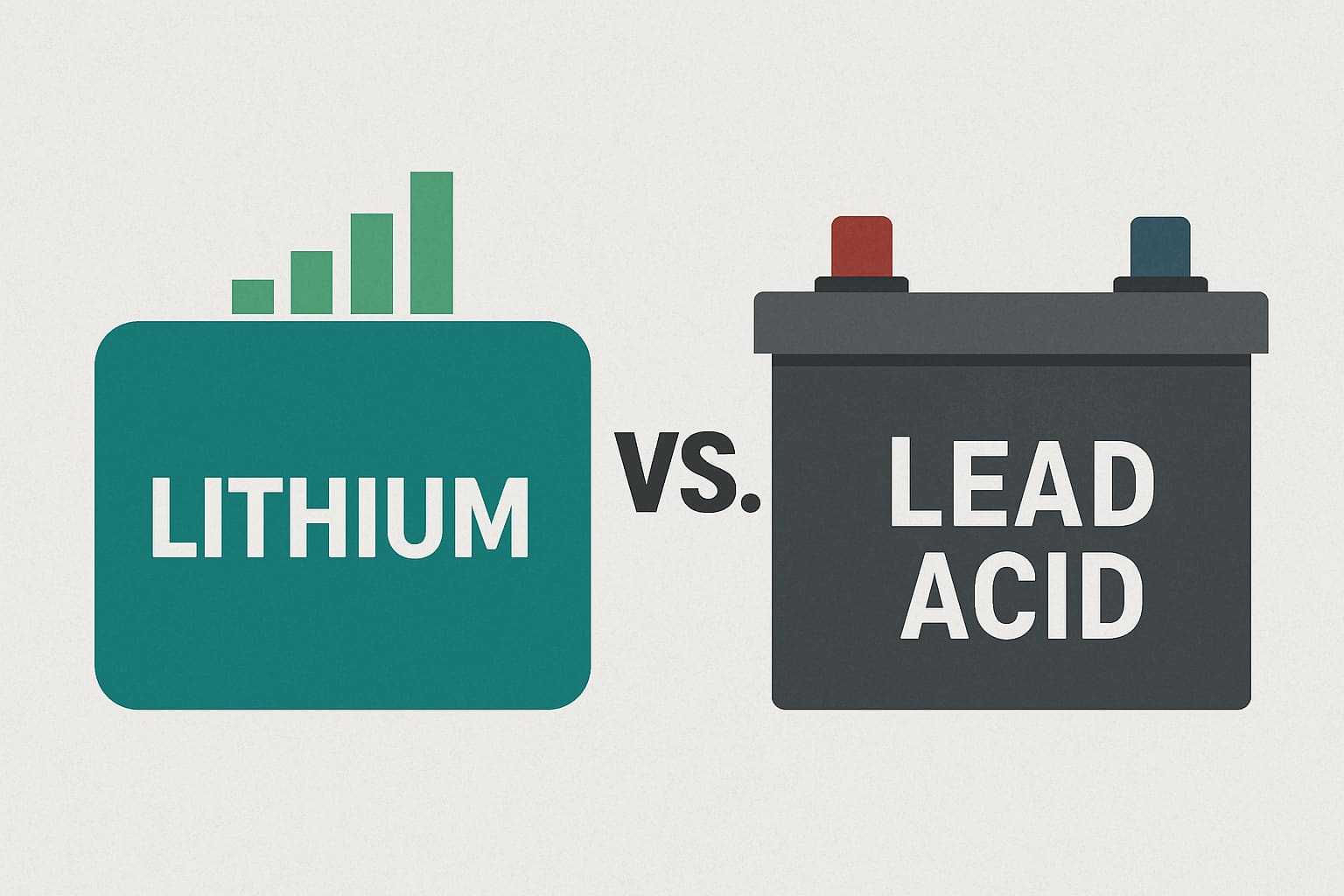
Let's compare that to a 400AH lead acid battery bank. With this battery bank, you would have approximately 120 usable amp hours before needing to recharge, but with the same LiFePO4 battery bank, you have 400-amp hours - obviously a huge difference. In essence, you can install a significantly smaller battery bank because you can utilize all the amp hours instead of just a small percentage - or you can stay with the same size bank and have over three times the amp hours available.
In addition, with most marine batteries the discharge rate falls off as more amps are pulled out of the battery - but with lithium, that rate stays the same no matter how discharged the batteries are - giving you highly consistent power.
Another huge benefit is that the time to recharge is greatly reduced. LiFePO4 batteries will normally charge 4-5 times faster than lead acid, and since they don't need to reach 100%, there's no waiting around for that final 5% to finish charging. If you're at anchor - that means less time running the generator - if you need to run it at all. Many cruisers that have switched (this author included) have found that by adding a large solar array, they don't need to start the generator at all because the solar power provides enough energy to top off the lithium batteries. That means less noise and less money spent on fuel - a win, no matter how you look at it.

Lifespan of Lithium Batteries in Marine Applications
Yet another benefit of switching to LiFePO4 batteries is their lifespan. Under hard use, most Lead Acid, Gel, or AGM batteries will give you 3-5 good years, or about 300-600 life cycles if used as recommended by the manufacturer. In comparison, if used as recommended, LiFePO4 batteries are good for 3000-5000 life cycles - which equates to approximately 10 years, a huge difference in battery capacity and increased lifespan. So, while it's true that these batteries are significantly more expensive, if you look at the lifetime usage the price becomes much more palatable.
Lithium Battery Weight Savings
In addition to all the benefits mentioned so far - LiFePO4
batteries weigh considerably less than Lead Acid, AGM, or Gel batteries.
This benefit has to do with higher energy density - 
Can Lithium batteries start boat engines?
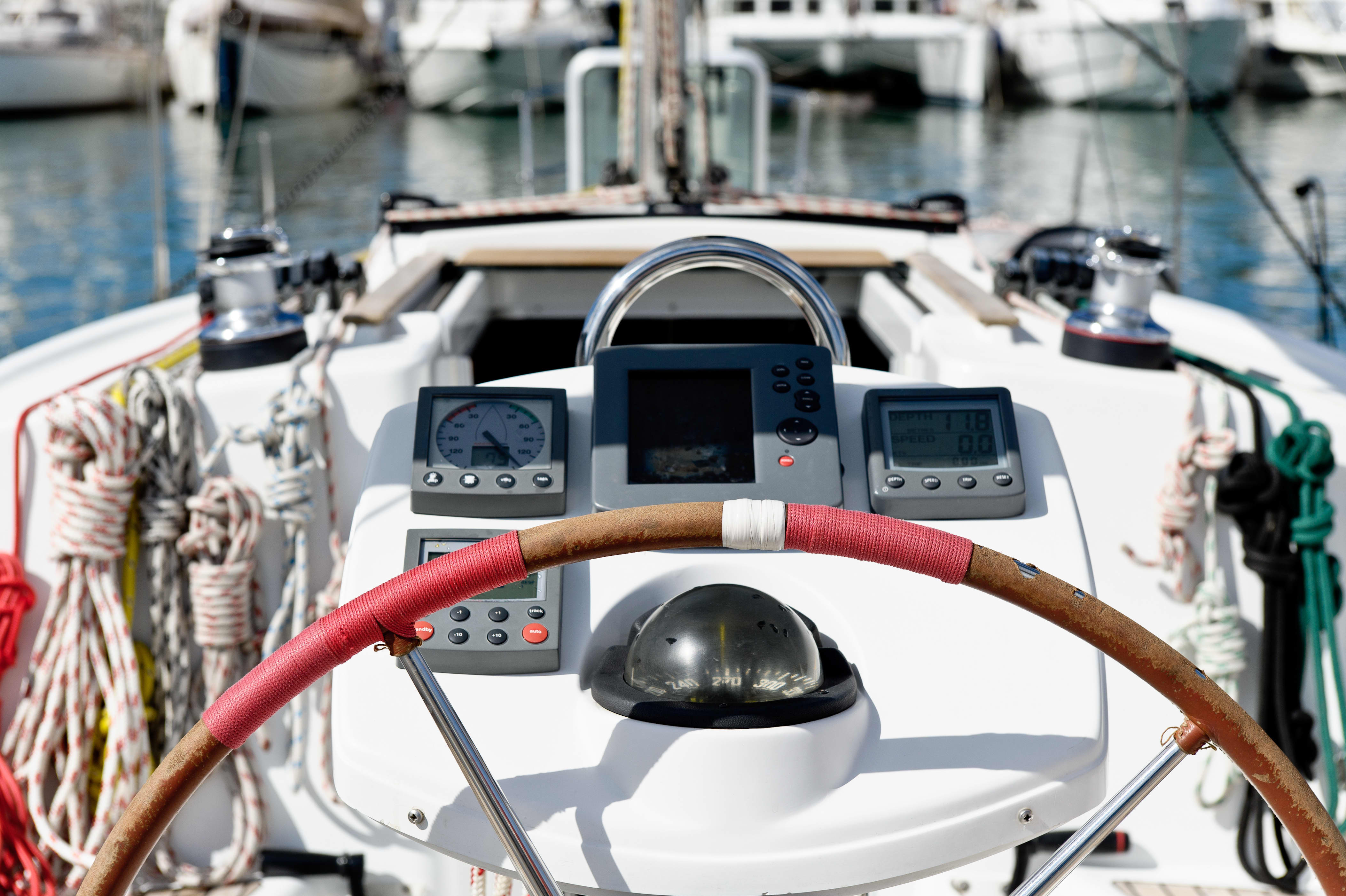
At this point, you might be asking, "Okay, what's the downside of LiFePO4"?. While these batteries ensure prolonged endurance even during deep discharge - the one thing they are not as good at is delivering super high CCA's (cold cranking amps) for jobs like starting your engine, running a windlass, or operating bow thruster. While it IS possible to use lithium batteries for these jobs, in most cases it is better left to batteries with high CCA's such as Lead Acid or AGM as some internal BMS's may consider such a large impulse load like that as as short circuit and shut down the bank. So, if you choose lithium for these jobs, make sure to do your research and get LiFePO4 batteries with a BMS that can handle the loads you need.
Impacts of cold weather on lithium marine batteries
There has been a fair amount of discussion about the fact that Lithium batteries are not great in low temperatures. To
clarify, while lithium batteries are known to have battery
performance and charging issues in extremely cold climates, impacting the state of
charge, the majority of LiFePO4 batteries have an
operating range of -4° to
140°F and will charge and discharge normally 
Are Lithium Batteries Better for the Environment?
As previously mentioned, these batteries have a much longer lifespan - meaning they won't have to be replaced as often, so less batteries in the landfill. They require less energy to produce, so fewer resources are needed to manufacture them and they have no heavy metals or toxic materials - making them much easier to recycle. Being more energy efficient, they require a smaller amount of energy to charge - leading to a reduced impact on the environment. Lastly - they are highly compatible with solar charging, meaning you can use renewable energy to charge them very efficiently. All in all - they are far better for the environment than Lead Acid, Gel or AGM batteries - so if you're interested in “going green”, these batteries can be a good (if small) way to reduce your carbon footprint.

What happens to lithium batteries when they are dead?
When lithium batteries are dead, they should be disposed of properly at designated recycling centers. Lithium batteries can pose a risk if not handled correctly, so it's important to follow guidelines to prevent environmental contamination and ensure safety.
Should I make the switch?
Only you can decide if the benefits we've covered make investing in new LiFePO4 batteries worthwhile. It's important to consider some potentially hidden costs, which could include ancillary items like your battery charger or your alternator system setup. Make sure to check if your battery charger is capable of charging lithium batteries - and that the regulator on your alternator has a specific profile for lithium batteries - unlikely in both cases if they are older models. In addition, if you currently have a wind generator, you may need to reconsider how that installation will work. Switching to a lithium battery installation can be a BIG project - so we highly recommend getting a quote from a qualified installation expert to help you make the final decision.
Frequently Asked Questions
How do lithium marine batteries improve a boat's performance compared to lead-acid?
Lithium batteries are significantly lighter, often weighing up to 70% less than traditional lead-acid or AGM batteries. This weight reduction allows boats to reach higher top speeds, improve fuel efficiency, and achieve a shallower draft, which is particularly beneficial for navigating thin water. Additionally, lithium maintains a consistent voltage throughout the entire discharge cycle, ensuring that electronics and trolling motors run at full power rather than experiencing "voltage sag" as the battery drains.
What is the expected lifespan and cycle count of a LiFePO4 battery?
Lithium Iron Phosphate (LiFePO4) batteries are designed for longevity, typically providing between 3,000 and 5,000 charge cycles. In contrast, standard lead-acid batteries generally last only 300 to 500 cycles. Because of this durability, a single lithium battery bank can often outlast the lifespan of the vessel itself, resulting in a much lower total cost of ownership over time despite the higher initial investment.
Can lithium batteries be discharged more deeply than traditional batteries?
Yes. While lead-acid batteries should generally not be discharged past 50% to avoid permanent damage, lithium batteries can safely handle a Depth of Discharge (DoD) of 80% to 100%. This means you get nearly double the usable energy from a lithium battery of the same rated amp-hour capacity as a lead-acid counterpart.
How much faster do lithium batteries charge?
Lithium batteries can accept a much higher current during the charging process, allowing them to charge up to four to six times faster than lead-acid batteries. While a traditional battery might take 12 or more hours to reach full capacity due to a slow absorption phase, a lithium battery can often be fully recharged in just 2 to 3 hours with a compatible high-output charger.
Is a Battery Management System (BMS) necessary for marine lithium setups?
Yes, a built-in Battery Management System (BMS) is a critical safety component for marine lithium batteries. The BMS acts as an internal computer that monitors cell voltage and temperature, automatically protecting the battery from overcharging, short circuits, and extreme temperatures. This technology ensures the battery remains stable and safe even in the demanding environments of offshore or coastal boating.
We hope you've enjoyed this article and that it's giving you some good information to help you make that decision. If you have any questions, please don't hesitate to contact our experts at (800) 426-6930.