Marine Fuel Additives
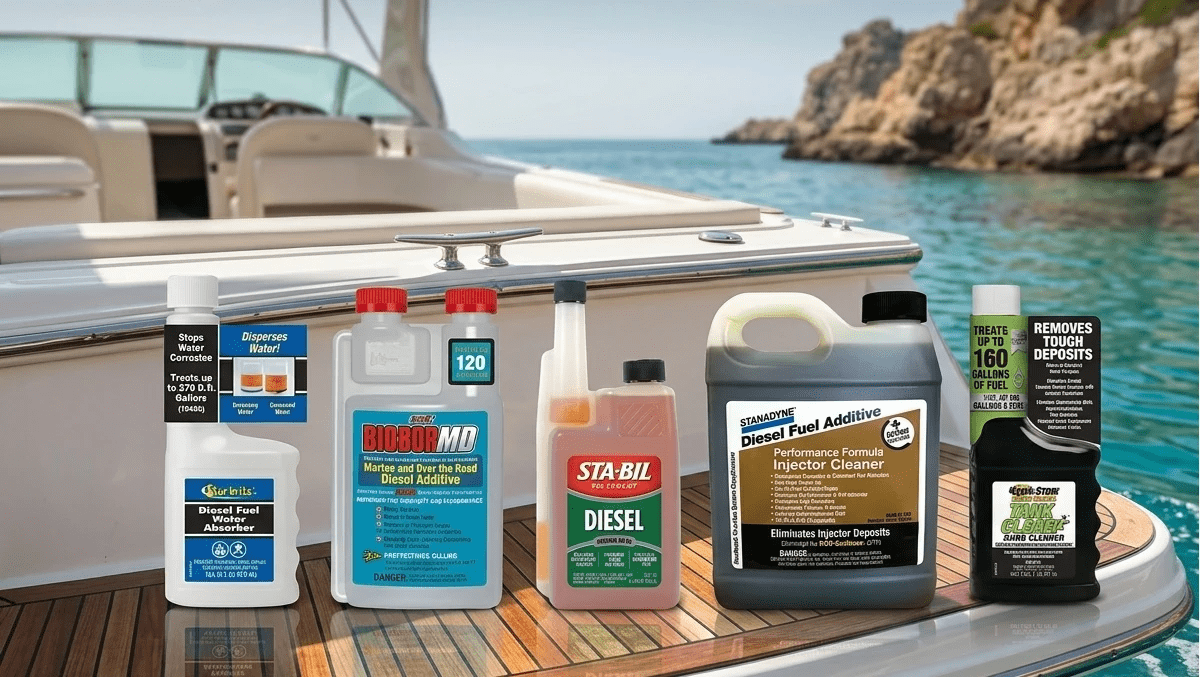
Key Takeaways for Marine Fuel Additives and Engine Longevity
- Prevent Phase Separation: Gasoline with 10% ethanol (E10) can only hold about 0.5% water (4 tablespoons per gallon) before the ethanol and water separate and sink to the bottom and requires a full tank drain.
- Combat Diesel Microbial Growth: Ultra-Low Sulfur Diesel (ULSD) is highly susceptible to "algae" and bacterial growth during storage; using biocides like Biobor JF prevents the gooey sludge that causes engine failure.
- Restore Lubrication: Modern low-sulfur diesel has reduced natural lubrication; additives are necessary to protect fuel injectors and pumps from premature wear.
- Improve Fuel Stability: Additives reduce oxidation to prevent gasoline from breaking down into gums and varnish that clog carburetors and fuel injectors.
- Boost Performance with Cetane: Diesel cetane boosters improve ignition quality and combustion efficiency, resulting in smoother engine operation, better fuel economy, and reduced emissions.
- Establish a Refueling Habit: For optimal protection, it is highly recommended to add a fuel additive every time you refuel.
- Protect During Storage: Using fuel stabilizers is essential for winterization or long-term storage to prevent fuel degradation and protect metal components from rust and corrosion.
Understanding Fuel Issues
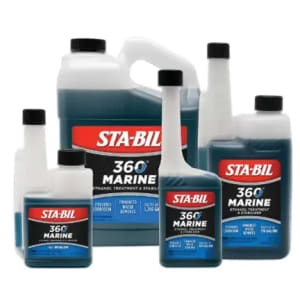
Gasoline
Most of the gasoline sold in theU.S. now contains up to10% ethanol (commonly referred to as E10), which was added because it helps fuel burn cleaner and it boosts the octane level – which helps reduce knocking in higher compression engines like 4-strokes. Unfortunately, since ethanol is an alcohol, it can attract moisture from the air and absorb water – which in a marine environment, can be a big problem.
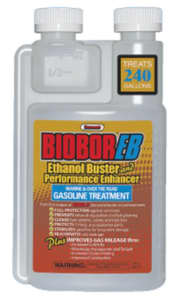
While a small amount of water in your gasoline tank can cause corrosion and poor engine performance – it's not usually a huge issue. But in the larger amounts, water can cause something called “Phase Separation”, which is where ethanol and water completely separate out of gasoline and settle into a layer at the bottom of your tank.Ethanol-blended fuels can usually hold up to 4 tablespoons of water per gallon (about 0.5%) before Phase Separation happens. Unfortunately, there is no way to reverse it once it occurs – making it necessary to completely drain your tank for disposal – so it's imperative you keep it from happening in the first place. Fuel additives stop Phase Separation by either disbursing water into smaller micro particles – keeping them in proper suspension so they can be removed through normal engine use; or by using demulsifiers which force minute water droplets out of suspension/emulsion, so that the fuel filter/separator can more effectively remove the water.
Diesel
Decades ago, theEPA called for the reduction of sulfur content in diesel fuel. This modified diesel, referred to asUltra-Low Sulfur Diesel (ULSD), while better for the environment, is more susceptible to algae and bacterial growth when stored for extended periods. This can then lead to a disgusting gooey mess in your tank that will clog your fuel system and cause major problems with your engine. Since microbial growth is one of the most common reasons for fuel-related engine failure – prevention is extremely important. In addition, the requirement for lower sulfur content also means reduced lubrication – which is necessary to protect your injectors and fuel pumps. Moderndiesel fuel additives, such asBiobor JF, work to combat both of these issues (among others), allowing you to leave your fuel sitting for months without concern.
What Fuel Additives Do
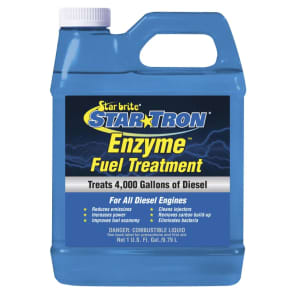
Now that you know some of the issues you're up against – here are some of the things fuel additives do to protect your fuel systems. Since there are differences between brands, it's important to read the label to make sure the fuel additive you choose covers the things you are concerned about.
Oxidation Reduction – when oxygen reaches gasoline, it begins breaking the fuel down into gums and varnish that can damage the inside of your engine, made worse by the alcohol in ethanol-blended fuel. Fuel additives reduce oxidation, and prevent the formation of gums, varnish and other solids - making the fuel more stable over extended periods and preventing solids that clog carburetors and fuel injectors.
Phase Separation – as we discussed above, this can happen in gasoline when the water content exceeds 4 tbsp. per gallon – making your fuel completely unusable. Fuel additives cure this in one of two ways: by disbursing water in smaller micro particles or by using demulsifiers that force minute water droplets out of suspension to be more effectively removed through filtration.
Clean and Protect – by incorporating detergents and deposit modifiers, fuel additives not only remove deposits made as a byproduct of the combustion process, but they also help prevent future buildup – resulting in more uniform combustion, increased fuel efficiency, and better reliability/overall performance.
Corrosion – by introducing corrosion inhibitors, metal parts receive a protective coating that helps protect the fuel system from rust and corrosion.
Microbial Growth – by removing water and adding biocides, fuel additives kill microbial growth and take away the environment in which bacteria, fungi, and algae grow, eliminating the sludge that can clog your fuel system.
Cetane Improvement – Cetane boosters are diesel fuel additives that primarily work to increase the cetane number of the fuel blend. Here's how they affect diesel fuel and engine performance:
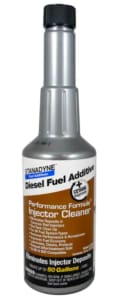
- Improve Ignition Quality: Cetane is a measure of how quickly diesel fuel ignites under compression. Higher cetane numbers indicate a shorter ignition delay, meaning the fuel ignites more readily.
- Enhance Combustion Efficiency: A higher cetane number promotes more complete and efficient combustion. This translates to better engine performance and reduced emissions.
- Smoother and Quieter Running: Improved combustion reduces engine knock and provides smoother, quieter operation.
- Improved Fuel Economy: Efficient combustion allows engines to extract more energy from each gallon of diesel, leading to better fuel economy.
- Reduced Emissions: Better combustion minimizes unburned fuel and soot, leading to lower levels of pollutants like nitrogen oxides (NOx) and particulate matter.
In general, cetane boosters can be beneficial for improving diesel engine performance, particularly in situations where the fuel has a lower cetane number or in cold weather conditions. However, it is important to use them cautiously and ensure they are compatible with your engine.
Lubrication – due to reduced sulfur levels in diesel fuel, the natural lubrication properties have been greatly diminished, causing damage to injectors and fuel pumps. Fuel additives add agents to lubricate critical fuel system components, protecting the fuel system from premature wear.
Improved Fuel Economy – fuel additives remove carbon build-up and clean the entire fuel delivery system while also modifying how fuel burns, resulting in more uniform combustion, increased fuel efficiency and reduced emissions.
How to Use Fuel Additives
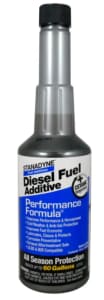
Now that you understand the benefits, incorporating fuel additives into your fuel system maintenance couldn't be simpler. All you have to do is add the product of your choice to your fuel and let it go to work. Each manufacturer has a recommended dosage amount – so make sure to follow it carefully. We highly recommend making it a habit to include a good additive every time you refuel, so you never forget. If you are interested in buying afuel additive –Fisheries Supply stocks all of the most popular brands – includingBiobor,Sta-Bil,Stanadyne andStar-Tron just to name a few.
How Much and How Often to Add Additives
When it comes to using fuel additives, determining the right dosage is crucial for achieving the desired results. Each manufacturer typically provides specific guidelines regarding how much additive to use based on the fuel tank's capacity. For instance, a common recommendation is to add one ounce of additive for every ten gallons of fuel. However, it's essential to consult the product label for precise instructions, as different formulations may vary in concentration and purpose.
In terms of frequency, incorporating additives into your routine refueling process is highly beneficial. By making it a habit to add a fuel additive each time you fill up, you can help maintain optimal engine performance consistently. This proactive approach not only enhances fuel efficiency but also protects your engine from potential issues caused by impurities or moisture buildup.
Considerations Before Using Fuel Additives
Before incorporating fuel additives into your boat's maintenance routine, it's important to consider a few key factors. First, consult your owner's manual or manufacturer's guidelines to understand any recommendations regarding the use of fuel additives. Some engines may not require them, especially newer models designed to work efficiently with standard fuels.
Next, assess the current condition of your engine. If you suspect any underlying issues, it's wise to address those with a professional mechanic before introducing an additive. While fuel additives can help with certain problems, they should not be seen as a cure-all solution for significant engine malfunctions.
Lastly, take into account the type of fuel you typically use. If you regularly fill up at marina gas pumps that offer top-tier fuels or those with built-in detergents, you may not need to rely heavily on aftermarket additives. Always evaluate your specific needs and circumstances to determine the best approach for maintaining your engine's health and performance.
FAQs
Water in the fuel tank, any additives to burn off the water?
Marine fuel additives designed to address water in fuel tanks include demulsifiers that separate water from fuel, allowing for easier combustion. Additionally, certain biocides help eliminate microbial growth caused by water contamination. Using additives like Sea Foam Marine Pro can enhance marine engine performance and protect fuel system parts from damage caused by excess moisture in the fuel.
However, while those additives help to disperse small amounts of moisture in the fuel, making it easier for the engine to burn it off, they do not actually remove water from the fuel in the same way that a fuel water separator does.
What happens if I add too much fuel additive to my tank?
If you add too much fuel additive to your tank, it can potentially lead to some issues. While some additives are designed to clean injectors or enhance fuel performance, overdoing it may cause problems such as:
- Engine Performance Issues: Excessive amounts of certain additives can disrupt the fuel-air mixture, leading to rough idling, poor acceleration, or other performance-related issues.
- Potential Damage: Some additives can be corrosive in high concentrations and may damage rubber seals or gaskets in your fuel system.
- Increased Emissions: Too much additive might alter how your engine burns fuel, possibly resulting in higher emissions than normal.
- Dilution of Fuel Properties: Adding too much could change the intended chemical balance of the gasoline, which might affect combustion efficiency.
If you suspect you've added too much, it's best to dilute it by adding more gasoline/diesel or consult a professional mechanic for guidance. Always follow the recommended dosage on the additive's label to avoid these potential issues!
Adding Fuel Additives for Storage
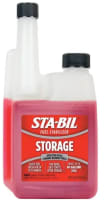
For those planning to store their boats for extended periods, adding fuel stabilizers to your tank(s) is essential. Fuel/diesel stabilizers for winter storage work by preventing the degradation of the fuel due to oxidation and other chemical reactions that can occur during long-term storage.
These additives help keep the fuel fresh and prevent the formation of sludge, varnish, and other deposits that can clog fuel filters and injectors, causing engine problems. Fuel stabilizers also often include corrosion inhibitors that protect metal surfaces within the fuel system from rust and corrosion, which can occur over time due to moisture or acidic compounds in the fuel.
Following those recommendations ensures that your engine starts smoothly when it's time to hit the water again.

We hope this article has helped you understand the importance of using fuel additives to protect your fuel system and engine performance. If you have any additional questions, please don't hesitate to contact our product experts at (800) 426-6930.