








The Best Boat Fenders and Bumpers for Your Boat
This category helps boat owners choose boat fenders and dock bumpers that protect hulls during docking and rafting. It reflects the product range and practical selection advice available from Fisheries Supply.
At a Glance
- Match size to boat length, weight, and hull shape using brand-specific charts and local environmental exposure.
- Choose a fender type based on whether you are mooring against floating docks, fixed pilings, or rafting up.
- Carry enough fenders (a minimum of three for standard setups) to protect your hull during unexpected surge or wind shifts.
- Pick durable marine materials that resist UV, salt, and heavy compression abrasion.
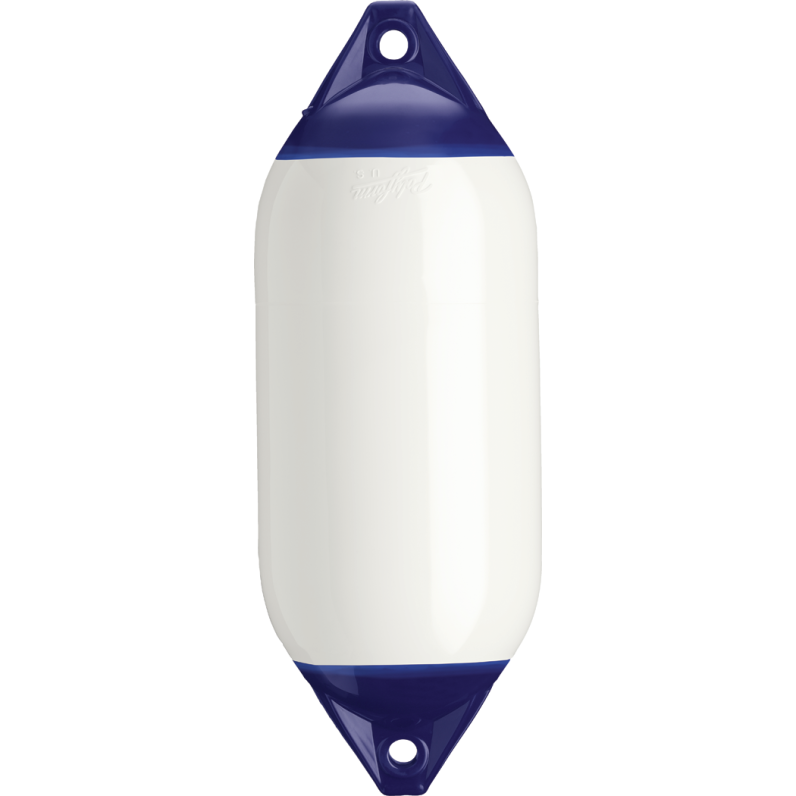
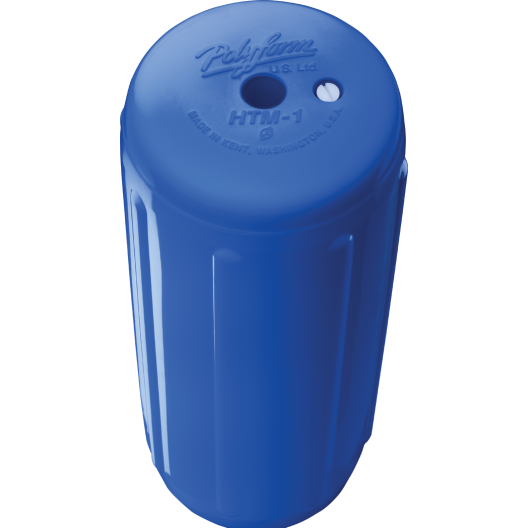
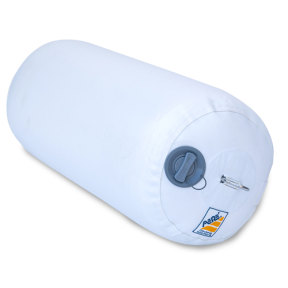
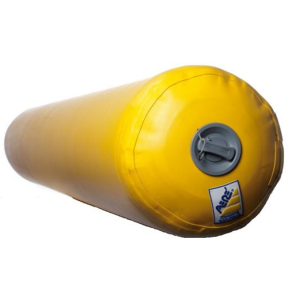
As a leading supplier of marine products, Fisheries Supply offers a deep inventory of boat fenders and bumpers for boats of all sizes. Our selection includes trusted brands such as Polyform, Taylor Made, FatSac, and AERÉ. These marine-grade fenders help prevent gelcoat, paint, or aluminum damage when you’re docked, rafted up, or tied to pilings.
Benefits of Using Boat Fenders
- Hull and gelcoat preservation from abrasive docks, pilings, and neighboring vessels.
- Safer boarding environments by minimizing sudden boat movement and hull bounce against structures.
- Adaptable setups using adjustable fender lines, specialized knots, or quick-release hardware.
- Customized impact distribution across varying hull flares, swim platforms, and rub rails.
Types of Boat Fenders and Bumpers
| Fender Type | Best Use | Selection Notes |
|---|---|---|
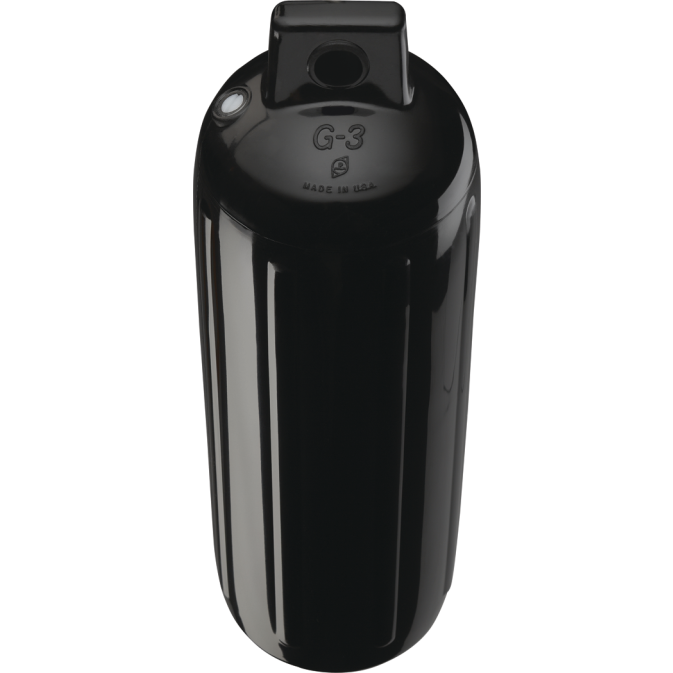
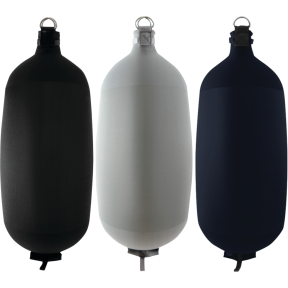
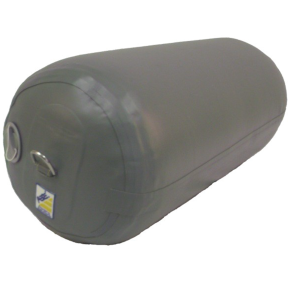
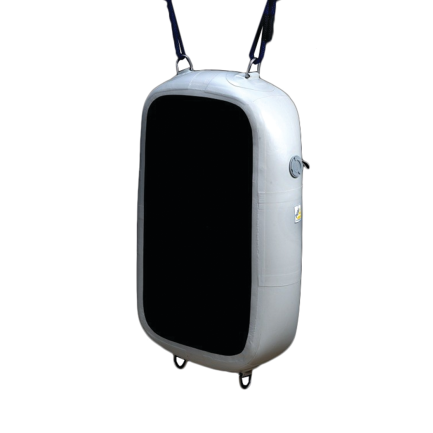
| Inflatable cylindrical fenders | General marina slips and side-to recreational docking | Lightweight, highly versatile, and easy to stow on standard fender racks or in lockers. |
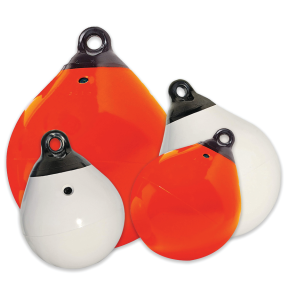
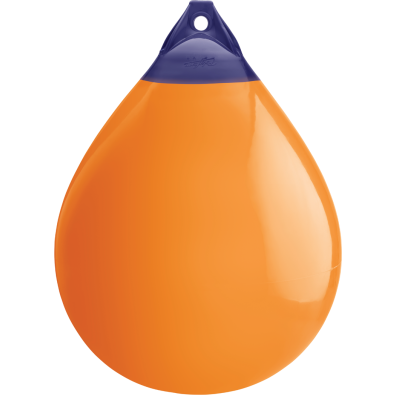
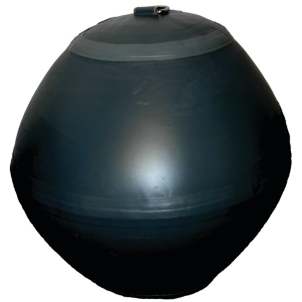
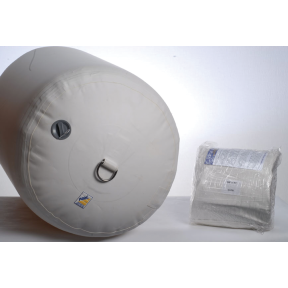
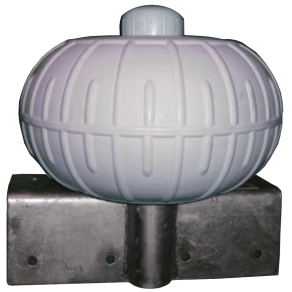
| Round (Spherical) fenders | Rafting up, handling large bow flares, and high-load rolling protection | Offers superior standoff distance and structural volume; ideal for heavy displacement vessels. |
| Non-inflatable / Foam-filled fenders | Commercial work, high-abrasion pilings, and severe compression zones | Constructed from solid closed-cell foam or heavy-molded vinyl to eliminate the risk of puncture deflation. |
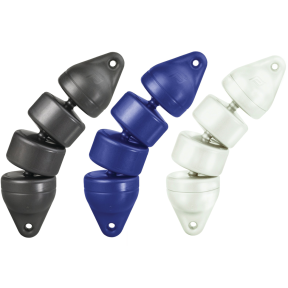
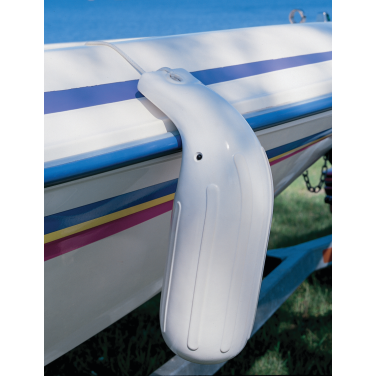
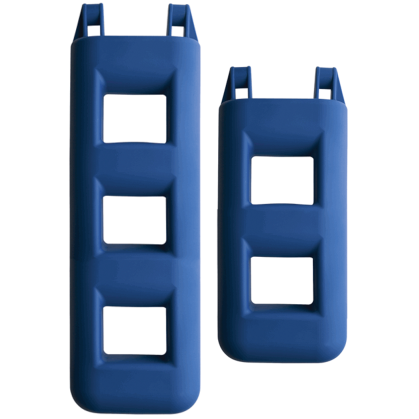
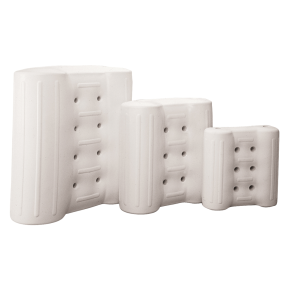
| Pontoon fenders | Pontoon boats with exposed aluminum tubes and squared fencing rails | Engineered specifically to clip securely onto square rails or shape around round aluminum logs. |
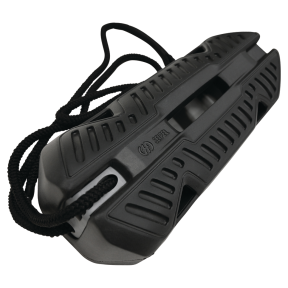
| PWC and Jet Ski fenders | Personal watercraft at low docks, fuel docks, or ramps | Compact, low-profile protection designed to hook directly under small PWC gunwales. |
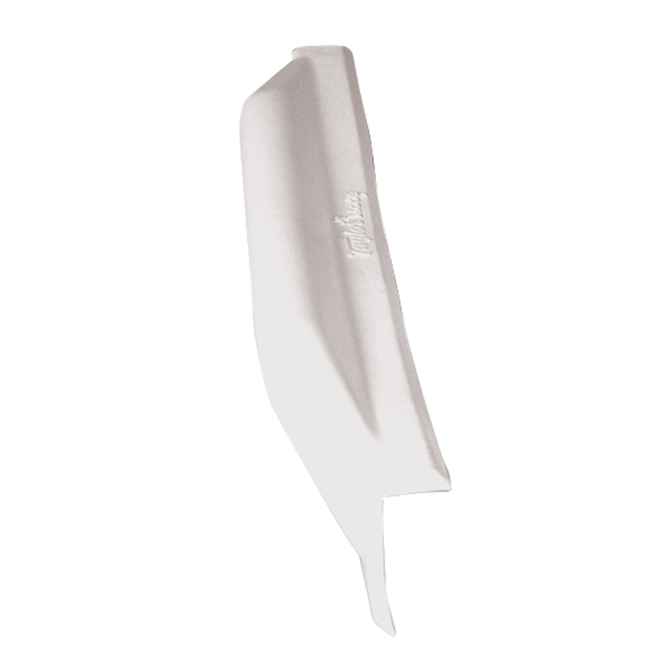
| Transom and Stern fenders | Mediterranean stern-to mooring, swim platforms, and tender docks | Specially shaped to wrap over angular stern transoms to prevent impact when backing in. |
| Rafting cushions and modular mats | Tying alongside other boats or flat pier walls | Provides broad, flat surface coverage that stays in place without rolling out of position. |
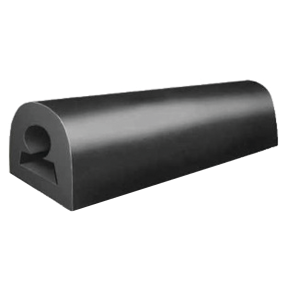
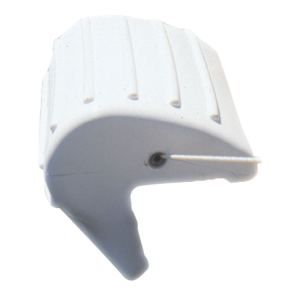
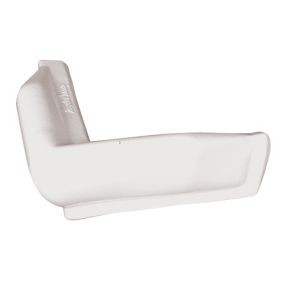
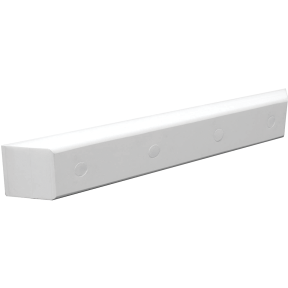
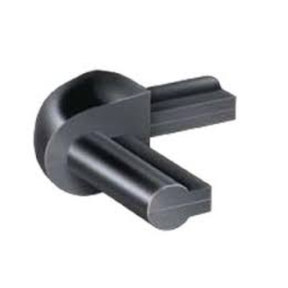
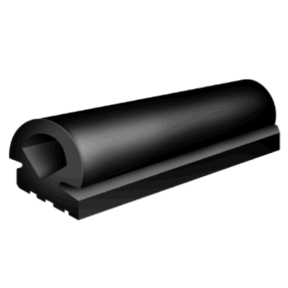
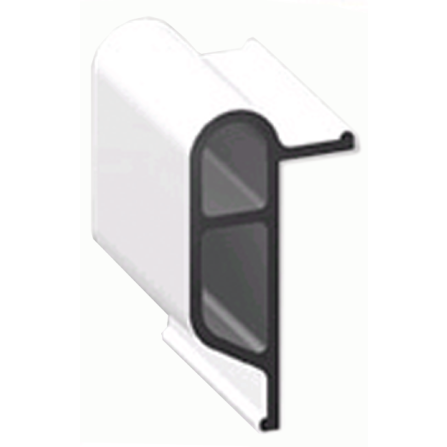
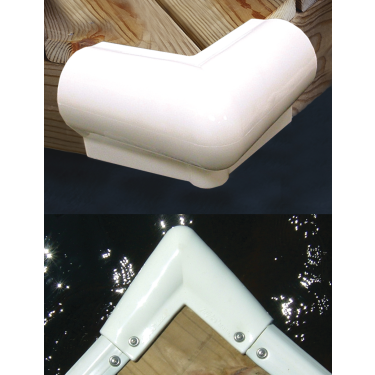
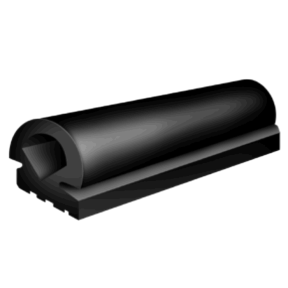
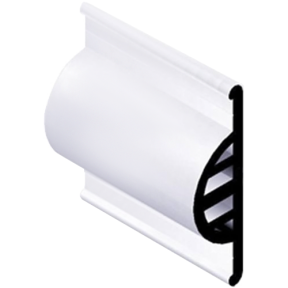
| Fixed dock bumpers | Slips, high-impact dock corners, and piling faces | Permanently mounted directly to dock structures to provide hands-free protection during approach. |
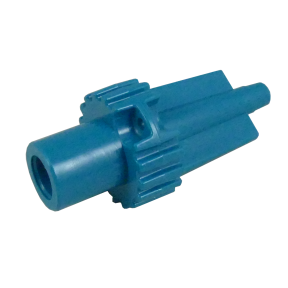
Premium marine manufacturers use heavy-duty, UV-stabilized marine-grade vinyl integrated with premium, leak-resistant inflation valves, prominent across Taylor Made and Polyform product architectures.
How to Choose the Right Boat Fenders for Your Boat
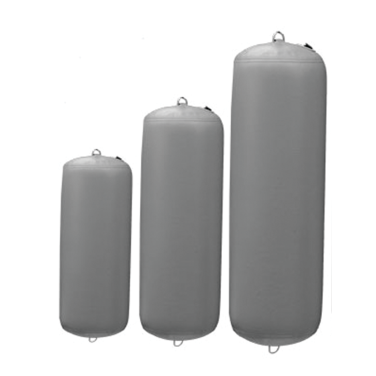
Industry baseline rules of thumb differ by fender geometry: standard cylindrical fenders require roughly 1 inch of diameter for every 4 to 5 feet of boat length. Conversely, spherical round fenders require a wider profile to provide adequate standoff distance; standard marine guidelines recommend a minimum diameter of 11.5 inches for boats up to 20 feet, stepping up to 14.5 inches or greater for boats up to 30 feet to handle different energy-absorption metrics.
- Size and Volume: Always consult official manufacturer sizing specifications; while small boats can get by with less, real-world boat maintenance standards mandate a minimum of three strategically placed fenders for secure coverage.
- Material and Construction: Prioritize UV-resistant, marine-grade formulations that resist yellowing, cracking, and chemical damage from salt water, fuel spills, or hull cleaners.
- Shape Realities: Utilize cylindrical options for flat, vertical dock faces, round shapes for wide bows or stern quarters, and flat mats for crowded raft-ups.
Utilizing high-quality dock fenders and boat bumpers is a highly practical, low-cost strategy to prevent expensive gelcoat fractures and structural fiberglass repairs. For vessels moored in heavy tidal zones or exposed slips, upsizing to a larger diameter fender provides an extra safety margin against wind shear and heavy passing wakes.
To maintain an organized deck and clear gunwales while underway, pair your selection with dedicated boat fender holders or rail brackets.
Frequently Asked Questions
How do I choose the right boat fenders for my boat?
Choose boat fenders by cross-referencing your boat length, overall weight, hull design, and freeboard height against manufacturer specifications. Adjust your sizing or fender style upward if you regularly encounter fixed pilings, extreme tidal flows, heavy winds, or tight raft-ups.
What size boat fender do I need?
As a baseline marine standard, cylindrical fenders require roughly 1 inch of diameter for every 4 to 5 feet of boat length (e.g., a 5-inch diameter fender for a 20-foot boat). Round spherical fenders require more volume to maximize standoff distance; a standard 20-foot boat requires a minimum 11.5-inch diameter round fender (such as a standard Class A-1), while heavy displacement vessels or those with large bow flares should always round up to a 14.5-inch or larger model.
How many boat fenders should I carry?
While small craft may use two fenders in controlled conditions, a minimum of three boat fenders is standard for proper hull protection. This ensures you can place one at the widest beam, one forward, and one aft to protect against pivoting surges, changing wind patterns, or transient docking scenarios.
Are inflatable or non-inflatable boat fenders better?
Inflatable fenders offer excellent energy absorption, lightweight handling, and easier storage within limited deck lockers. Non-inflatable or solid foam-filled options are better suited for heavy commercial docks, high-frequency lock transits, or jagged pilings where there is a constant risk of sharp punctures.
What are boat fenders made of?
High-quality boat fenders are manufactured using specialized marine-grade vinyl, flexible PVC formulations, or closed-cell foam. Premium lines from brands like Taylor Made and Polyform feature UV-resistant properties to prevent chalking, heavy-gauge injection-molded eyes, and reliable inflation valves engineered to handle seasonal pressure fluctuations.
What is the difference between boat fenders and dock bumpers?
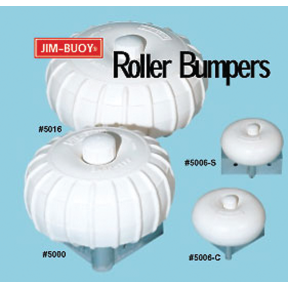
Boat fenders are portable pieces of equipment deployed directly from the vessel to protect the hull while docking or rafting. Dock bumpers are static, sacrificial protection units permanently mounted to dock timbers, pilings, or structural corners. Experienced boaters often use both systems simultaneously for maximum hull safety.