



Marker Buoys for Boating and Fishing
Marker buoys are essential tools for boaters and anglers, providing clear visual information about restricted areas, navigation hazards, and the location of underwater gear.
What to Know
- Marker buoys improve safety, navigation, and gear recovery.
- Regulatory and fishing buoys serve different, specific purposes.
- Visibility, size, and material are critical selection factors.
- Routine inspection helps extend buoy service life.
At Fisheries Supply , we carry a large selection of reliable, marine-grade marker buoys from established manufacturers, suitable for recreational boating and commercial fishing.
Types of Marker Buoys
Regulatory Marker Buoys
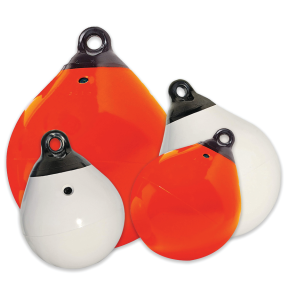
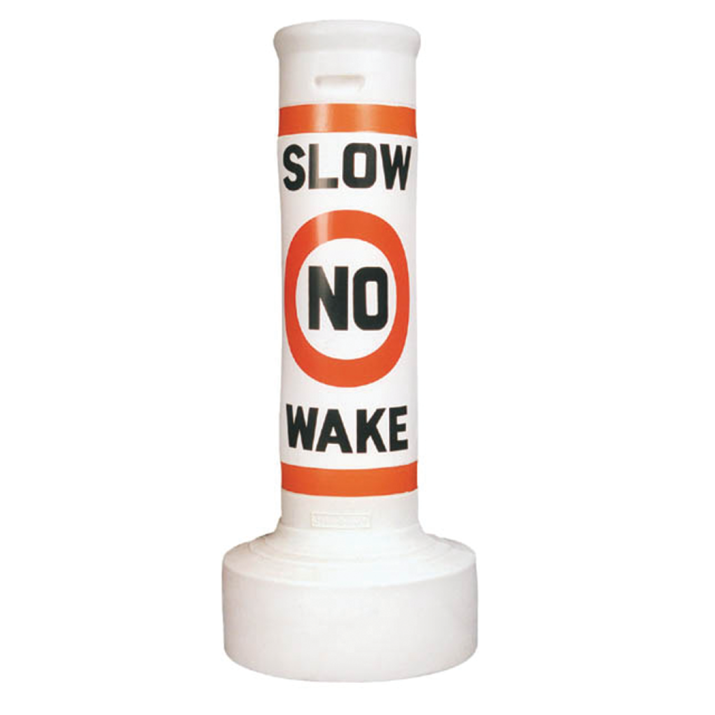
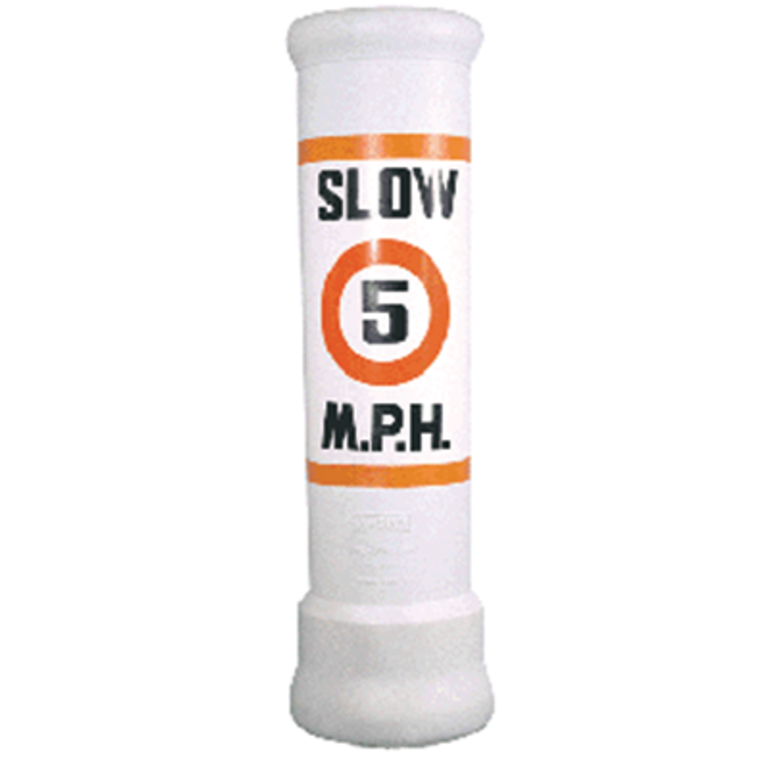
Regulatory marker buoys identify areas where boating activity is controlled or restricted. These buoys are typically white with orange symbols and black lettering, providing standardized, easy-to-recognize guidance on the water.
They are commonly used to indicate no-wake zones, slow-speed areas, and hazards such as submerged rocks or other underwater obstructions.
- White buoys with orange circles: Indicate no-wake or slow-speed zones.
- White buoys with orange diamonds: Warn of hazards such as submerged objects or rocks.
Fishing Marker Buoys
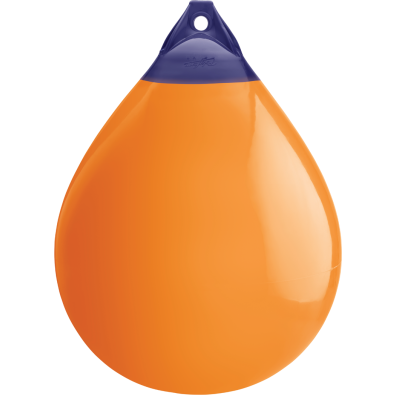
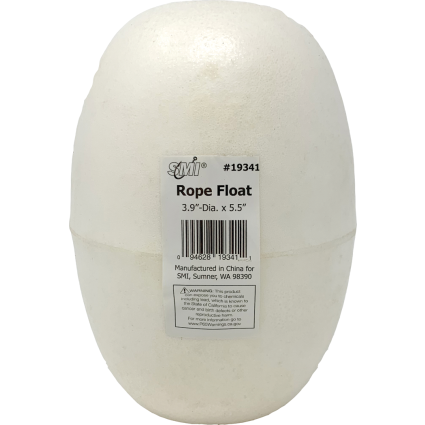
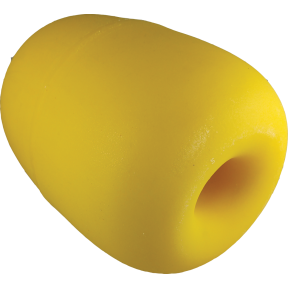
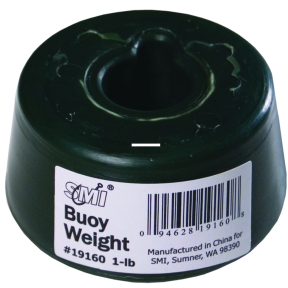
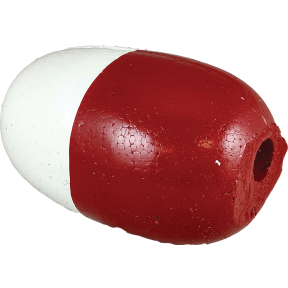
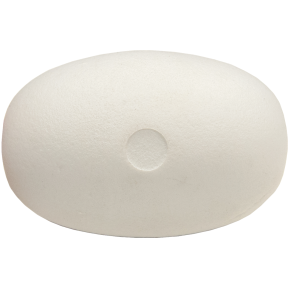
Fishing marker buoys are used to mark the location of underwater gear, including crab pots, traps, and nets. Clear, visible buoy markers help fishermen return to their gear efficiently while reducing the risk of gear conflicts or navigation hazards.
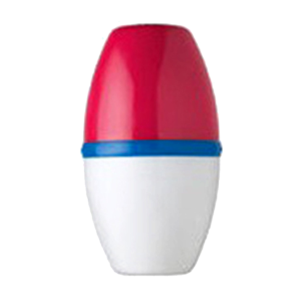
- Floating buoys: Mark the position of fishing gear below the surface.
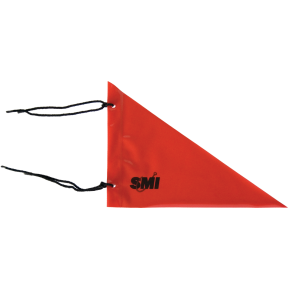
- Fish markers: Identify specific fishing spots or underwater equipment locations.
Frequently Asked Questions
How do I choose the right size and color for a marker buoy?
Choose buoy size based on visibility needs and water conditions. Bright colors such as orange or yellow improve visibility, and reflective tape or LED options help in low-light situations.
What materials are marker buoys made from, and which last longest?
Most marker buoys are made from high-density polyethylene (HDPE) or PVC. HDPE resists UV exposure and abrasion more effectively, making it a durable option for long-term marine use.
Where should reflective tape be placed on a marker buoy?
Reflective tape should be wrapped around the buoy’s outer curve near the waterline so it catches headlights and searchlights in low-light conditions.
Do marker buoys require regular maintenance?
Yes. Rinse buoys with fresh water after saltwater use, inspect for cracks or UV damage, reinforce attachment points annually, and replace reflective material as needed.