


Marker Buoys for Boating and Fishing
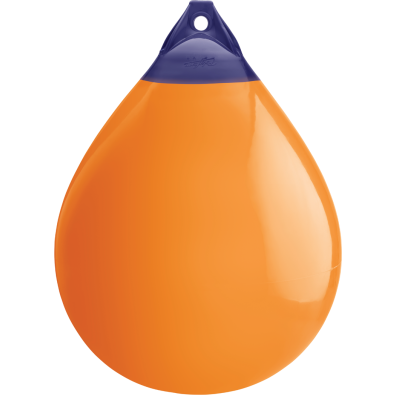
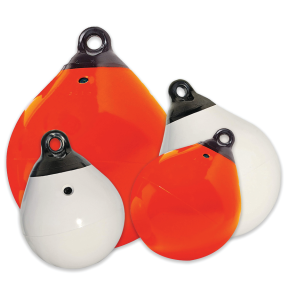
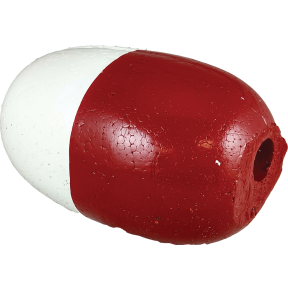
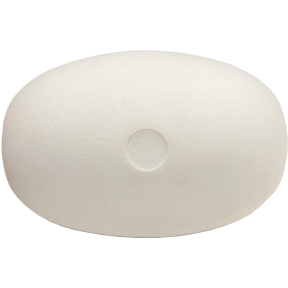
Marker buoys provide visible reference points for restricted waterways, navigation hazards, fishing locations, and underwater gear. Boaters, anglers, and commercial fishermen use regulatory and fishing marker buoys to support safer navigation, identify equipment, and recover crab pots, traps, or nets.
Regulatory and Fishing Marker Buoy Comparison
| Marker Buoy Type | Primary Purpose | Common Identification | Typical Uses |
|---|---|---|---|
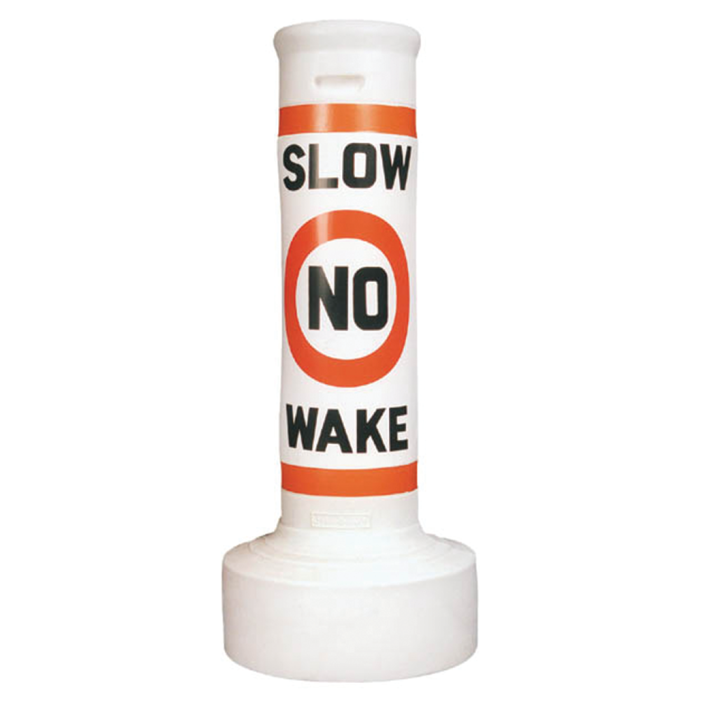
| Regulatory marker buoy | Communicates waterway controls or navigation warnings | White body with orange symbols and black lettering | No-wake zones, slow-speed areas, submerged rocks, and underwater hazards |
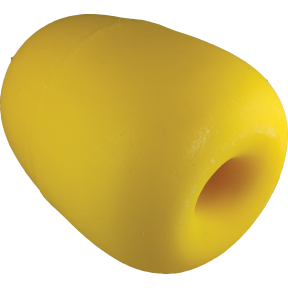
| Fishing marker buoy | Marks underwater fishing gear or a selected location | Highly visible floating marker selected for local water conditions | Crab pots, traps, nets, fishing spots, lines, and submerged equipment |
How to Choose a Marker Buoy
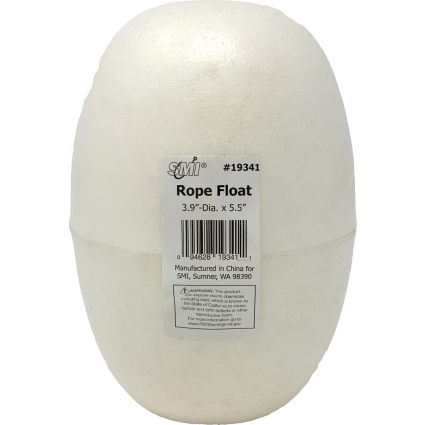
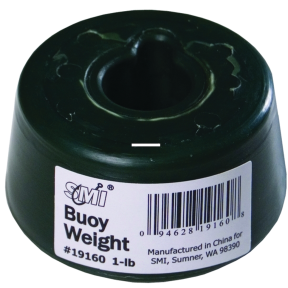
Fisheries Supply carries marine-grade marker buoys for recreational boating and commercial fishing. Compare each buoy according to its intended purpose, visibility, construction, attachment system, and expected exposure before selecting a regulatory marker, crab pot buoy, fish marker, or gear buoy.
| Selection Factor | What to Consider |
|---|---|
| Identify the application | Select a regulatory buoy for waterway information or a fishing buoy for gear and location marking. |
| Evaluate visibility | Consider viewing distance, wave height, boat traffic, weather, and available daylight. |
| Select a visible color | Orange and yellow can stand out against open water, shorelines, and changing surface conditions. |
| Compare materials | HDPE and PVC buoy bodies offer different levels of rigidity, abrasion resistance, and ultraviolet resistance. |
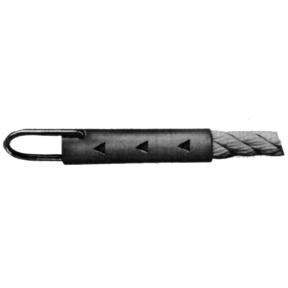
| Review attachment points | Match the buoy connection to the rope, line, trap, net, or anchoring method used for the application. |
Marker Buoy Care and Maintenance
- Rinse marker buoys with fresh water after saltwater exposure.
- Inspect buoy bodies for cracks, abrasion, fading, and ultraviolet damage.
- Check ropes, lines, knots, swivels, and attachment points before reuse.
- Replace worn reflective tape when visibility decreases.
- Remove marine growth that can add weight or obscure identifying colors and symbols.
Frequently Asked Questions
How do I choose the right marker buoy for boating or fishing?
Choose a regulatory marker buoy for controlled waterways and navigation hazards, or a fishing marker buoy for crab pots, traps, nets, and fishing locations. Compare visibility, buoy size, color, material, attachment points, water conditions, and expected viewing distance before selecting a marker for a specific marine application.
What do the orange symbols on regulatory marker buoys mean?
Orange symbols communicate specific waterway information on white regulatory marker buoys. An orange circle identifies a controlled area, including a no-wake or slow-speed zone. An orange diamond warns boat operators about dangers such as submerged rocks, underwater objects, or other navigation hazards.
What color marker buoy is easiest to see on the water?
Bright orange and yellow marker buoys are commonly selected for strong visibility on open water. The most visible color depends on background scenery, light, weather, waves, and viewing distance. Reflective tape or an appropriate LED marker can make a buoy easier to locate during low-light operation.
What materials are marker buoys made from?
Marker buoys are commonly made from high-density polyethylene or PVC. HDPE offers strong resistance to ultraviolet exposure and abrasion, while PVC is used in many flexible or inflatable marine products. Material choice should reflect the buoy application, expected impact, water exposure, storage method, and service frequency.
Where should reflective tape be placed on a marker buoy?
Reflective tape should be placed on a clean, visible section of the marker buoy that remains above the waterline during normal use. A band around the buoy's outer curve can reflect headlights or searchlights from several directions. Follow the tape manufacturer's surface preparation and application instructions.
How often should fishing and regulatory marker buoys be inspected?
Inspect marker buoys before deployment and after retrieval, with additional checks during extended use. Look for cracks, fading, abrasion, marine growth, damaged reflective material, weakened rope, and worn attachment points. Rinse saltwater residue with fresh water and replace any component that can no longer support reliable marking.