Boat Rub Rails, Rub Rail Kits, and Marine Inserts
Boat rub rails protect the hull-deck joint from docks, pilings, seawalls, and nearby boats. This category is for boat owners, refit teams, and marine maintenance buyers comparing vinyl rub rails, stainless steel rub rails, aluminum rub rails, inserts, and complete rub rail kits.
What Is a Boat Rub Rail?
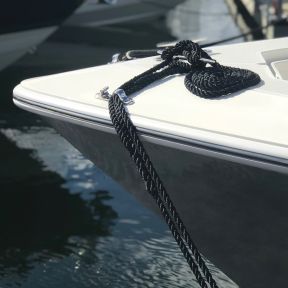
A boat rub rail is a protective marine molding installed along the sheerline, where the deck meets the hull. The rail acts as a sacrificial buffer against docks, pilings, seawalls, and other boats while covering the hull-deck joint for a cleaner finish.
Rub Rail Materials and Profiles
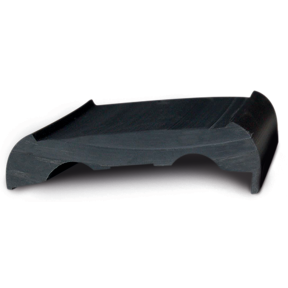
Common Material Options- Flexible vinyl rub rail: A DIY-friendly option with color choices and impact-absorbing inserts for recreational boats.
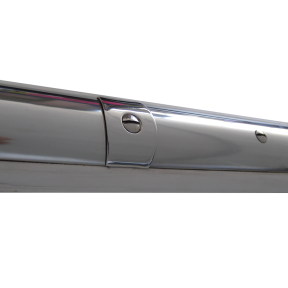
- Stainless steel rub rail: A corrosion-resistant, durable option with a polished appearance for premium and offshore boats.
- Aluminum rub rail: A lightweight, rigid rail often supplied in pre-drilled lengths and paired with a vinyl insert.
- Rubber or elastomer rub rail: A shock-absorbing option often used on workboats, utility boats, and high-contact applications.
- Flexible profiles: Bend around sheer curves and suit many retrofit projects.
- Rigid profiles: Provide greater impact resistance and are commonly installed in straight sections with mechanical fasteners.
Rub Rail Comparison Table
| Rub Rail Type | Best Use | Key Benefit | Installation Notes |
|---|---|---|---|
| Flexible vinyl | Recreational boat replacement and DIY refits | Easy bending, color options, insert compatibility | Warm the insert before installation to reduce curl memory. |
| Stainless steel | Premium boats and higher-impact docking areas | Durability, corrosion resistance, polished finish | Use marine-grade stainless fasteners and verify profile fit. |
| Aluminum | Rigid rub rail installations and clean linear profiles | Light weight, stiffness, neat appearance | Pre-load about 6 inches of insert at bends to reduce channel collapse. |
| Rubber or elastomer | Workboats, utility craft, and repeated contact areas | Impact absorption and low-maintenance protection | Confirm fastener spacing and sealant compatibility before installation. |
How to Estimate Rub Rail Length
Use this practical minimum formula: two times boat length plus beam, measured in feet. Add extra material for bends, transom wraps, cuts, and waste, then verify the final length against the boat and the manufacturer’s rub rail guide.
Choosing Rub Rail Kits and Components
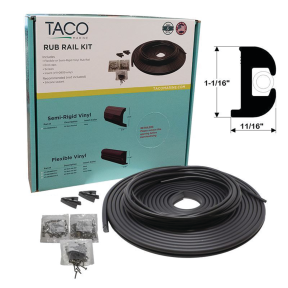
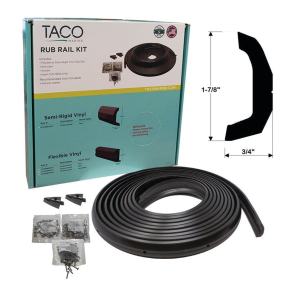
- Complete rub rail kits: Include rail, insert, and fasteners for common boat sizes and replacement profiles.
- Separate rail and insert components: Let buyers match profile, color, flexibility, and impact absorption.
- Brand compatibility: Taco Marine profiles are widely referenced for marine rub rail replacement and OEM-style retrofits.
- Related dockside protection: Pair rub rails with boat fenders to reduce scratches during docking.
Installation and Maintenance Tips
Planning- Dry-fit rail sections before drilling or fastening.
- Check hole alignment, end-butt positions, bends, and transom transitions.
- Use marine-grade stainless fasteners matched to the rail profile and hull substrate.
- Use a marine sealant compatible with the hull material, rail material, and fasteners.
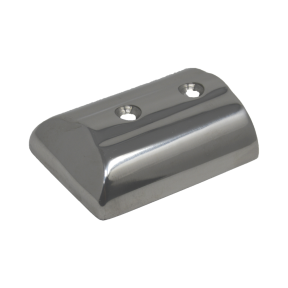
- Trim and cap rail ends neatly to reduce snag points and water entry.
- Wash vinyl rub rail regularly and polish minor scuffs when wear is cosmetic.
Shop Boat Rub Rails and Marine Protection
Browse rub rail kits, marine rub rail inserts, flexible vinyl profiles, stainless steel rails, aluminum rails, and replacement components from brands such as Taco Marine. For added hull protection at the dock, compare boat fenders and bumpers.
Frequently Asked Questions
What does a boat rub rail do?
A boat rub rail protects the hull-deck joint from docks, pilings, seawalls, and nearby boats. The rail absorbs contact along the sheerline, covers the seam between hull and deck, and helps reduce cosmetic damage during normal docking and close-quarters handling.
What type of rub rail is best for a recreational boat?
Flexible vinyl rub rail is often the most practical choice for recreational boat replacement. It bends around curved sheerlines, works with impact-absorbing inserts, and is easier to install than many rigid metal profiles when the boat has complex curves.
How much rub rail do I need for my boat?
A common estimate is two times boat length plus beam, measured in feet. Add extra length for bends, transom wraps, trimming, and waste. Always confirm the final amount with direct boat measurements and the rub rail manufacturer’s installation guidance.
Can I install boat rub rail myself?
Many flexible vinyl rub rail profiles can be installed by experienced DIY boat owners with standard tools. Rigid aluminum or stainless steel systems may require more planning, accurate fastener placement, careful bending, and proper marine sealant selection.
What materials are marine rub rails made from?
Marine rub rails are commonly made from flexible vinyl, stainless steel, aluminum, rubber, or elastomer materials. Vinyl supports easier retrofit work, stainless steel provides a polished durable finish, aluminum adds rigid lightweight structure, and rubber profiles absorb repeated contact.
When should a boat rub rail be replaced?
A boat rub rail should be replaced when the rail is cracked, loose, deeply gouged, missing inserts, or no longer protecting the hull-deck seam. Minor vinyl scuffs may be cleaned or polished, but damaged sections can expose the boat to avoidable impact wear.