






Marine Propane Tanks: Selection, Safety, and Setup for Serious Boaters
This category is intended for recreational and commercial boaters outfitting or upgrading a galley or deck grill propane (LPG) system.
Key Takeaways
- Prefer marine-rated cylinders and parts; follow recognized standards for design and installation (ABYC, NFPA, USCG).
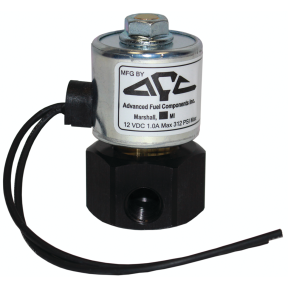
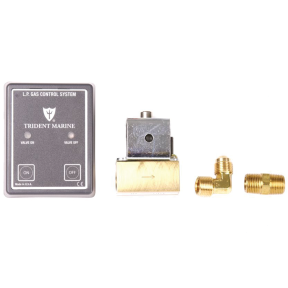
- Use a vapor-tight locker with overboard drain; add fixed gas detection, solenoid, and test regularly.
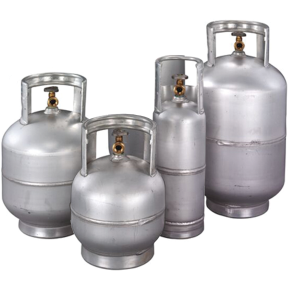
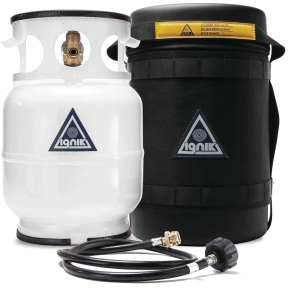
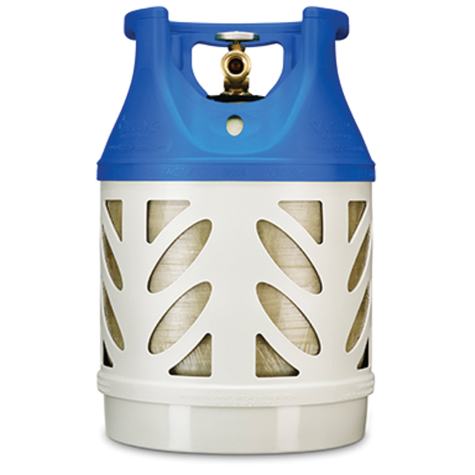
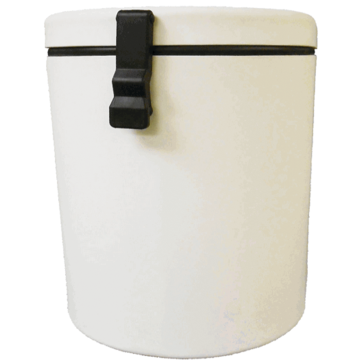
- Choose tank material by use case: steel (rugged), aluminum (corrosion resistant), composite (light, see-through).
- Match regulators, hoses, and fittings to marine LPG; replace aged components proactively.
- Buy from trusted marine suppliers with deep inventory and expert support.
Why Propane (LPG) Works Aboard
Propane delivers consistent heat for cooking, cabin heat, and water heaters while burning cleanly and efficiently. It’s widely available at marinas and fuel docks and remains cost-effective per BTU.
Core Safety Practices
Propane is heavier than air and can collect in low areas. Treat system design and maintenance as critical.
- Install & Inspect
- Use a qualified marine tech for initial installation; verify against ABYC A-1 guidance and applicable 46 CFR 121.240 references.
- Conduct leak checks and visual inspections at routine intervals and after cylinder changes.
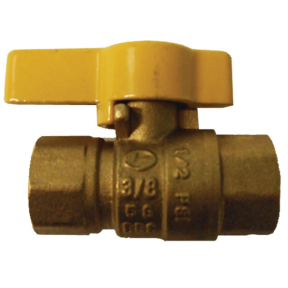
- Replace cracked hoses, corroded fittings, and out-of-date regulators and solenoids; keep spares aboard.
- Ventilation & Detection
- Mount cylinders in a vapor-tight locker vented overboard below the cylinder valve height.
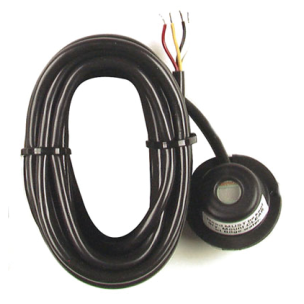
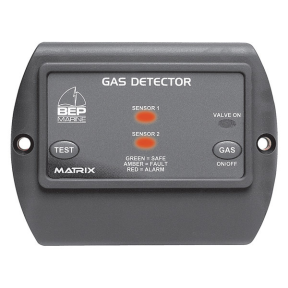
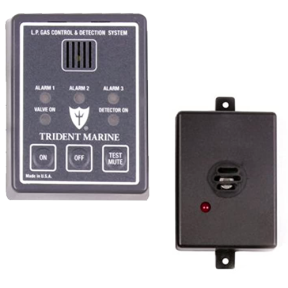
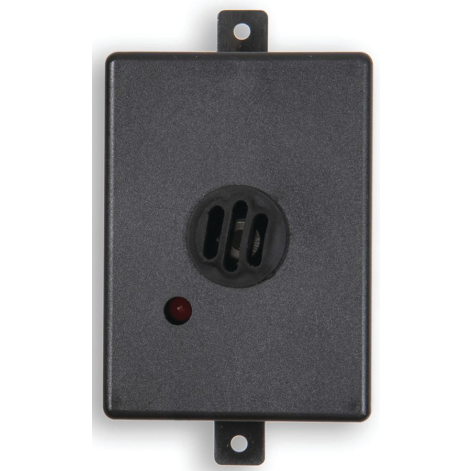
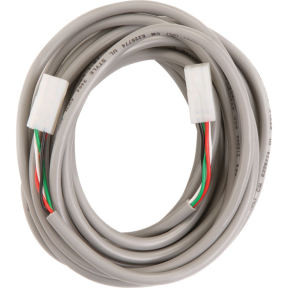
- Install marine LPG fume detectors per ABYC A-14; test before every cruise.
- Understand that LPG is denser than air; avoid low-level ignition sources where gas could settle.
- Operation
- Open cylinder valves only when appliances are in use; close at the tank afterward.
- Use appliance flame-failure devices where available; keep compartments ventilated.
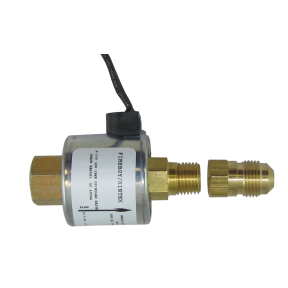
- Always shut off the LPG supply via the electric solenoid valve switch at the galley panel immediately after cooking.
- If you smell gas, shut off supply at the cylinder, ventilate, and investigate with soapy water—never a flame.
Choosing the Right Marine Propane Tank
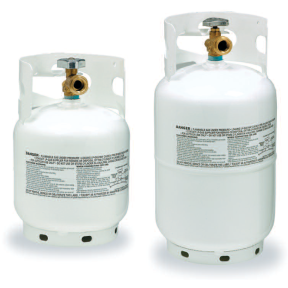
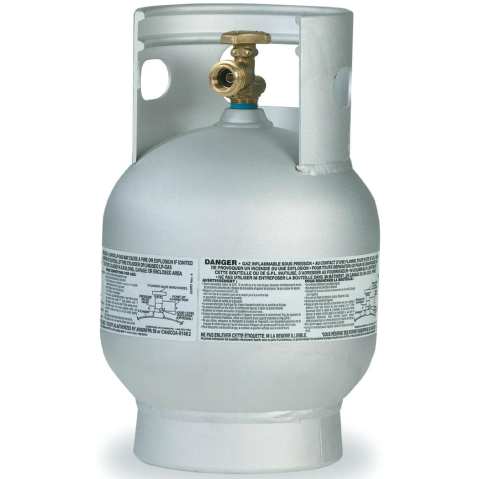
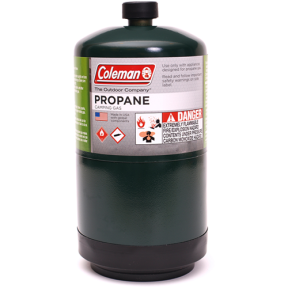
The right marine propane tank depends on locker dimensions, cylinder orientation, valve access, corrosion exposure, fuel capacity, and total system weight. Confirm fit before purchase, especially when replacing an older 10 lb or 20 lb cylinder.
| Tank Type | Best Use | Key Benefit | Selection Note |
|---|---|---|---|
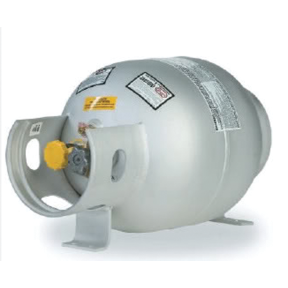
| Horizontal propane tank | Low coamings, shallow lockers, and compact stowage spaces | Fits areas where vertical clearance is limited | Check valve orientation, mounting cradle, and approved service position. |
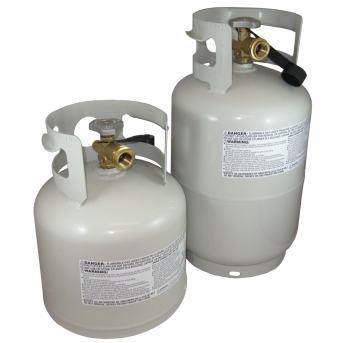
| Vertical propane tank | Rail mounts, standard propane lockers, and common marine galley layouts | Simple access to valve, gauge, and regulator connections | Confirm locker height and clearance above the valve assembly. |
| Steel propane cylinder | Rugged applications where durability is a priority | Strong cylinder construction | Inspect coatings and surface condition in saltwater environments. |
| Aluminum propane cylinder | Coastal boats and saltwater use | Corrosion resistance with lower maintenance than painted steel | Confirm valve type, capacity, and mounting compatibility. |
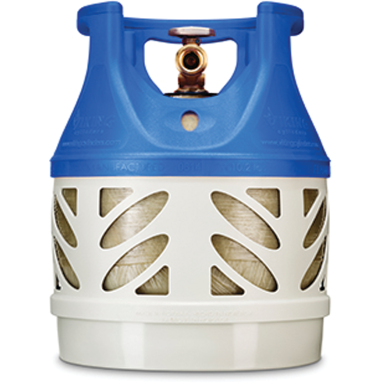
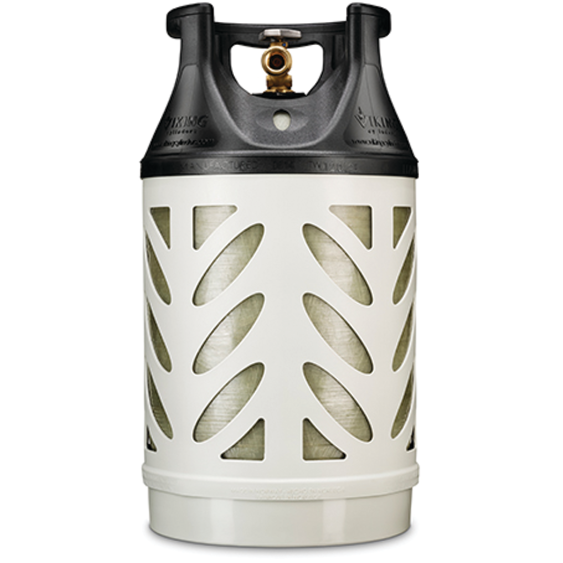
| Composite propane cylinder | Weight-sensitive boats and owners who want visible fuel level | Lightweight, non-corrosive, semi-transparent construction | Verify locker fit, valve type, and regulator compatibility. |
- Worthington Cylinders
- Manchester Tank
- Viking Cylinders — composite see-through option favored for low weight and corrosion resistance.
Essential System Accessories
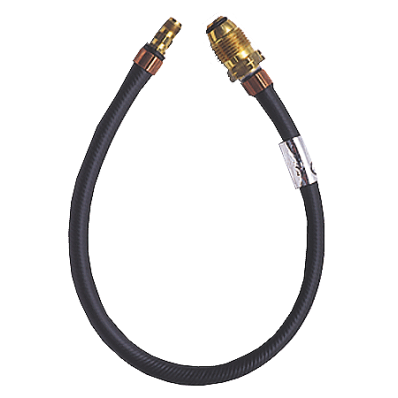
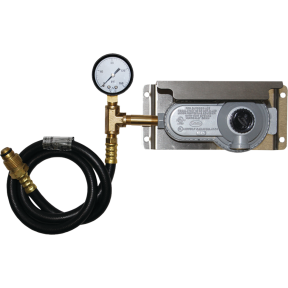
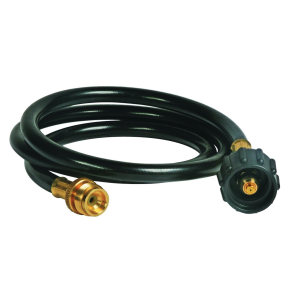
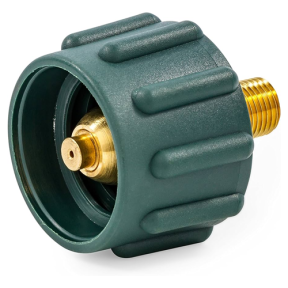
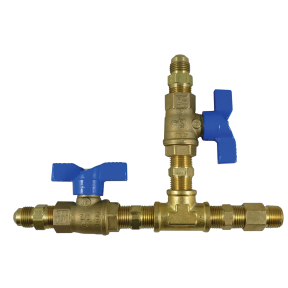
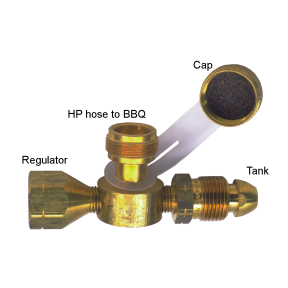
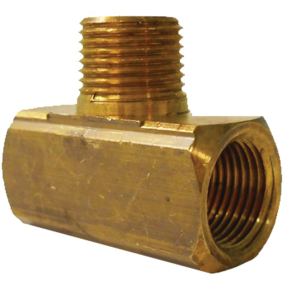
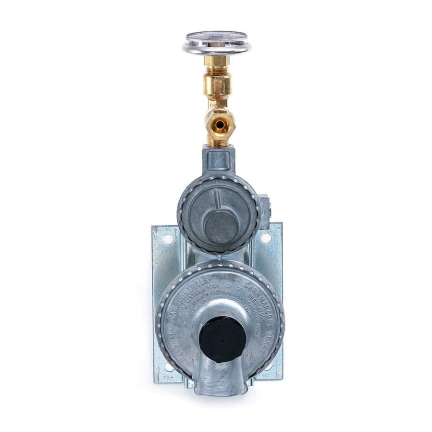
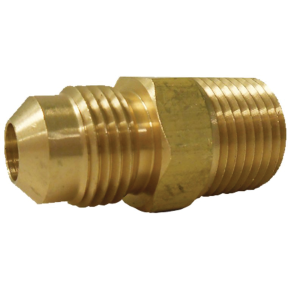
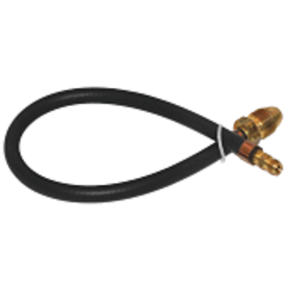
- Hose Assemblies: marine-rated, correct pressure class, swaged ends.
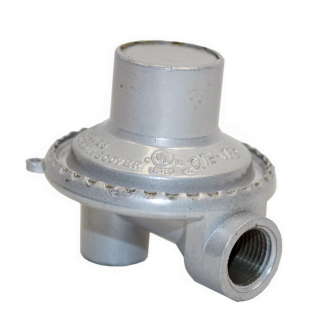
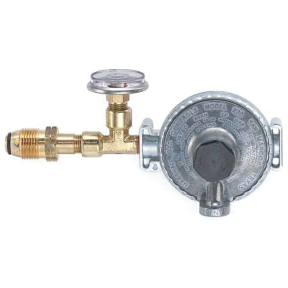
- Regulators: two-stage required by ABYC standards to ensure safe, stable appliance pressure.
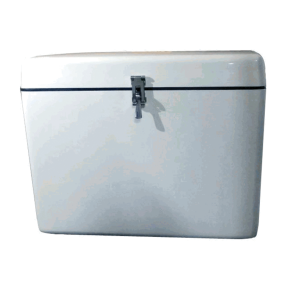
- Lockers & Mounts: secure cylinders; route drains overboard.
- LPG Detectors: place near bilges/low points per maker guidance.
- Marine Stoves & Appliances: match fuel, regulator output, and hose rating.
Why Buy from Fisheries Supply
- Extensive inventory: multiple sizes, materials, and valve configurations in stock.
- Knowledgeable support: real-world help for selection, fit, and parts compatibility.
- Pro purchasing available: streamlined quoting and account-level assistance.
- Nationwide & international shipping: fast fulfillment to yards and marinas.
Outfitting a new galley or replacing a small 10 lb cylinder? We can help you choose the right cylinder, locker, regulator, hose, soleinoid, and detector for your layout.
Frequently Asked Questions
Can I store a marine propane tank inside the cabin?
No, a propane cylinder should be stored in a dedicated vapor-tight propane locker vented overboard below the cylinder valve height. Propane is heavier than air, so leaked LPG can settle in bilges and cabin compartments if the tank is stored inside the boat.
What size propane tank is best for a weekend cruising boat?
A 10 lb or 20 lb propane cylinder is common for weekend cruising, but the right size depends on appliance BTU demand, cooking frequency, heater use, and locker dimensions. Choose the largest approved cylinder that fits securely with safe valve and regulator access.
Are composite propane cylinders good for marine use?
Composite propane cylinders can work well aboard because they are lightweight, non-corrosive, and often semi-transparent for fuel-level visibility. Confirm the cylinder fits the propane locker, matches the regulator connection, and is approved for the intended LPG service position.
Where should an LPG fume detector be installed on a boat?
An LPG fume detector should be installed near low points where propane vapor can collect, including bilge areas and compartments below galley appliances. Follow the detector manufacturer’s wiring and sensor placement instructions, then test the alarm before cruising or overnight use.
How often should marine propane hoses and regulators be replaced?
Marine propane hoses and regulators should be replaced when cracking, corrosion, pressure instability, stiffness, or fitting damage appears. Many boat owners also follow manufacturer service intervals and inspect LPG hoses, regulators, solenoids, and fittings at every cylinder change.
What is the difference between horizontal and vertical marine propane tanks?
Horizontal propane tanks fit low lockers and shallow storage areas, while vertical propane tanks suit standard lockers and rail-mounted layouts. The main selection factors are valve orientation, approved operating position, mounting hardware, cylinder capacity, and clearance for the gauge and regulator.