Non-Skid Marine Paint Selection & Application Guide
Choosing and applying the right non-skid deck paint ensures safety, durability, and a professional finish. Below are critical technical requirements for marine environments.
What is the difference between single-part and two-part non-skid boat paint?
The primary difference between single-part and two-part non-skid marine paint is durability and cure chemistry. Single-part paints dry via solvent evaporation, while two-part coatings cure through a chemical reaction.
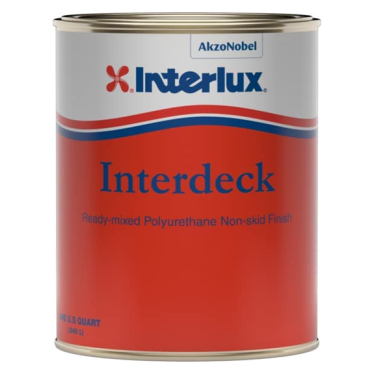
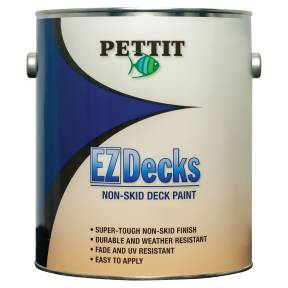
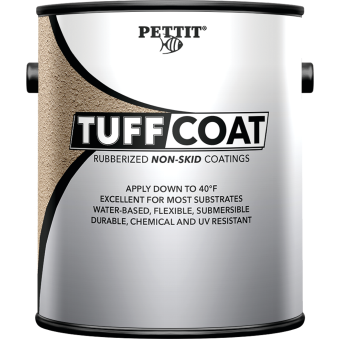
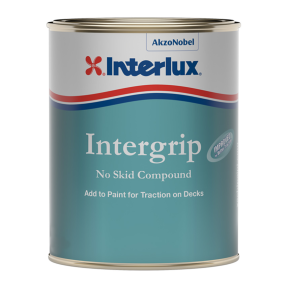
- Single-Part Polyurethane (e.g., Interlux Interdeck, Pettit EZ-Decks): Best for DIY users. Highly flexible and simple to touch up, but requires reapplication every few seasons.
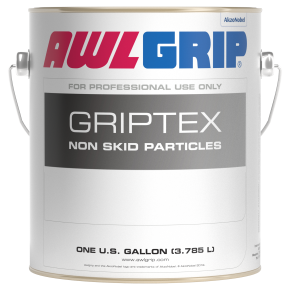
- Two-Part Polyurethane/Epoxy (e.g., Awlgrip Griptex): Best for professional or high-traffic commercial decks. Offers maximum chemical and abrasion resistance, but requires precise mixing.
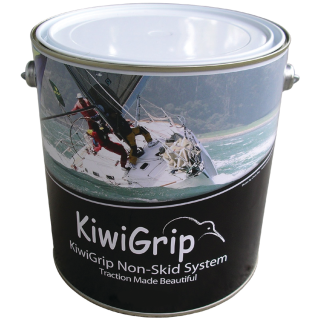
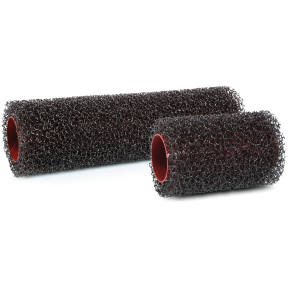
- Water-Based Coatings (e.g., KiwiGrip): An eco-friendly, low-odor option that allows you to easily customize texture aggressiveness using specialized rollers.
How do you apply non-skid texture to a boat deck?
You can add non-skid texture to a boat deck using three primary methods: pre-mixed paints, the broadcast method, or the stir-in method. The right choice depends on your desired texture aggressiveness.
- Pre-Mixed Coatings: Ready-to-use paints like Interlux Interdeck contain compound particles suspended in the formula. Apply using a specialized textured foam roller to ensure even particle distribution.
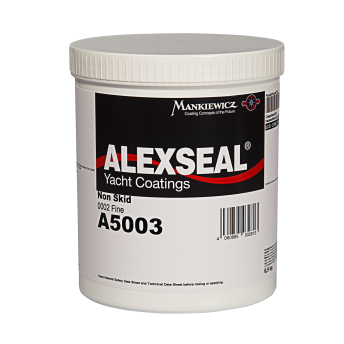
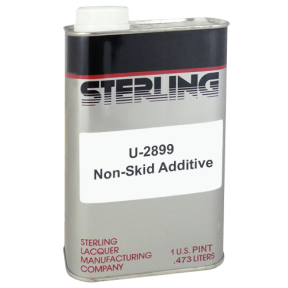
- The Broadcast (Salt Shaker) Method: Apply a base coat of standard marine paint, then manually shake loose particles like Awlgrip Griptex Non-Skid Additive onto the wet paint. Vacuum the excess once dry, and apply a final locking topcoat.
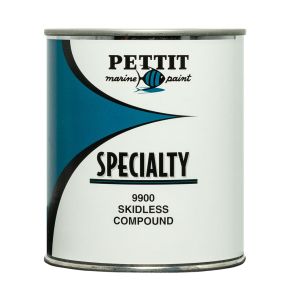
- The Stir-In Method: Mix non-skid particles directly into your paint can prior to rolling. Continuously stir the mixture during application to prevent the grit from settling to the bottom.
Can you apply non-skid paint over existing gelcoat?
Yes, you can apply non-skid paint over existing molded gelcoat, provided the surface is completely de-waxed and mechanically abraded to ensure mechanical adhesion.
Required Prep Steps:
- Scrub the surface with a fiberglass surface prep cleaner or solvent de-waxer to remove mold-release agents.
- Sand the glossy gelcoat thoroughly using 80-grit to 120-grit sandpaper until the entire surface has a dull, matte finish.
- Wipe down to remove all sanding dust before applying your marine primer or non-skid topcoat.